How Temporary Event Spaces Are Evolving Beyond Traditional Setups
🔥Key Points
- Modern event spaces focus on immersive and experience-driven design.
- Flexible infrastructure and technology improve attendee engagement and comfort.
- Well-designed event environments can increase visibility, audience satisfaction, and event success.
Temporary event spaces have evolved far beyond basic tents, staging, and seating areas.
Today, organizers are expected to create immersive, flexible, and visually engaging environments that leave a lasting impression on attendees.
Modern audiences no longer expect events to simply function well.
They want experiences that feel interactive, comfortable, shareable online, and memorable.
This shift has transformed festivals, corporate events, outdoor concerts, and brand activations into far more experience-driven productions.
Today’s temporary event spaces often include:
- advanced lighting and LED displays,
- modular staging and flexible layouts,
- interactive digital experiences,
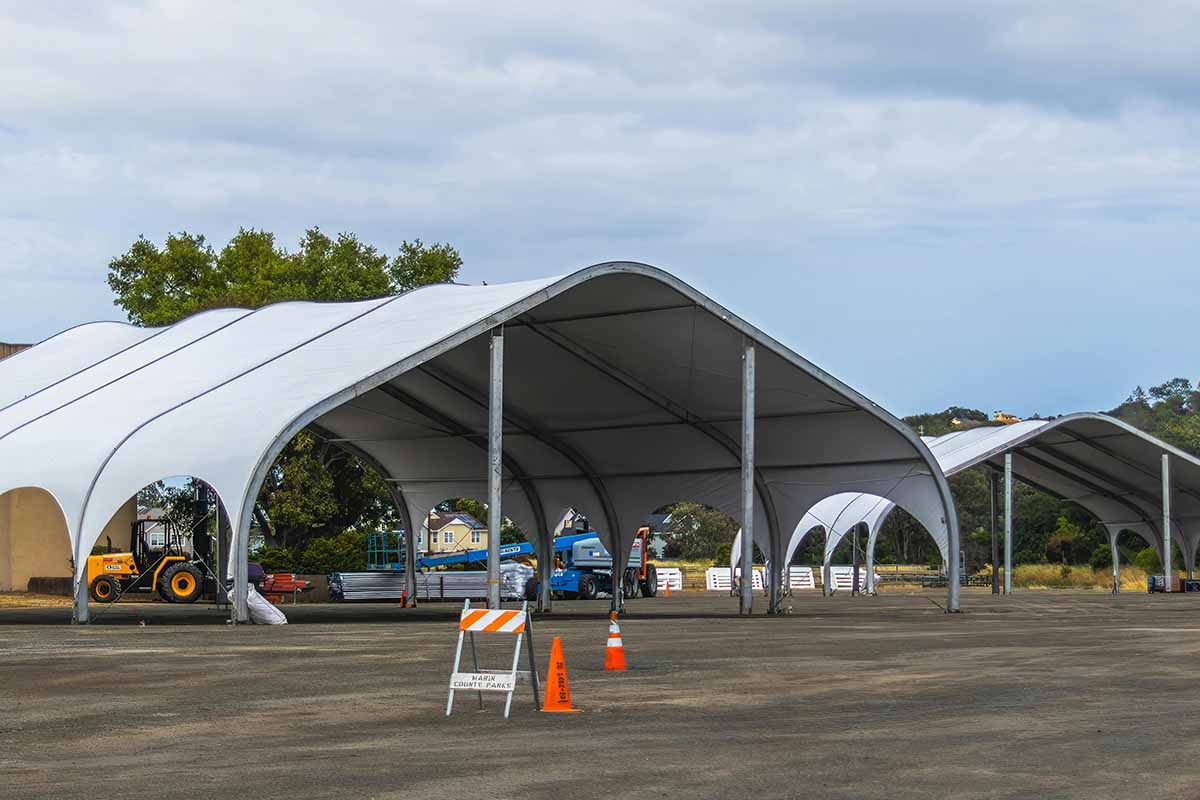
- weather-resistant infrastructure,
- and mobile power and connectivity solutions.
Well-designed spaces can help:
- improve visitor comfort and safety,
- increase attendee engagement,
- boost social media visibility,
- and create stronger long-term audience loyalty.
As audience expectations continue to grow, temporary event spaces are becoming more than functional setups.
They are now a key part of the overall event experience and brand identity.
Audiences Now Expect Experiences, Not Just Events
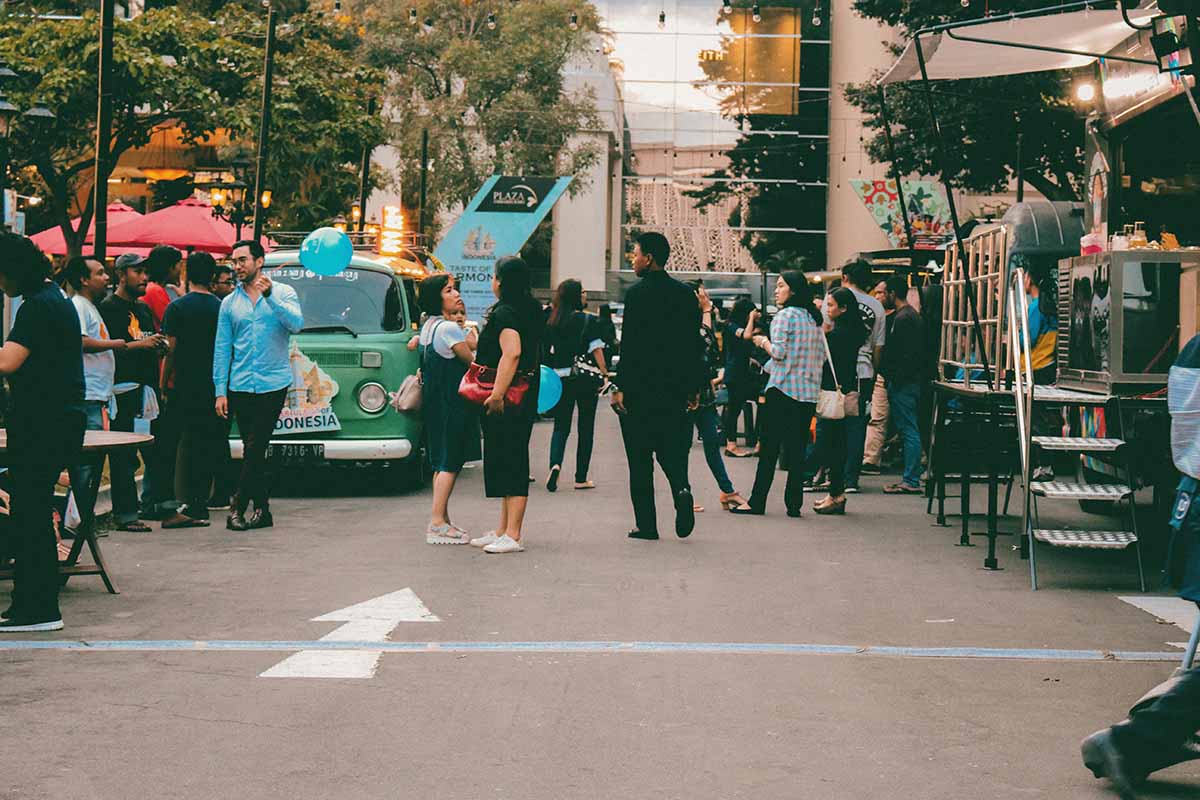
One of the biggest reasons temporary event spaces are evolving is changing audience expectations.
Modern attendees want more than simply watching performances or listening to presentations.
They increasingly expect immersive environments that feel interactive, visually striking, and socially engaging.
This has pushed organisers to rethink traditional layouts and generic setups.
Event spaces are now often designed around atmosphere, movement, storytelling, and audience engagement rather than simply fitting large numbers of people into a venue.
Industry trend reports suggest experiential events continue growing in popularity as brands and organisers compete for audience attention in increasingly crowded markets.
As a result, temporary venues are becoming destinations in their own right rather than purely functional gathering spaces.
Staging Has Become a Central Design Feature
Stages are no longer viewed simply as practical platforms for performers or speakers.
In many modern events, staging has become one of the defining visual centrepieces of the entire experience.
Creative stage designs now incorporate LED walls, immersive lighting systems, multi-level layouts, branded structures, and adaptable modular elements capable of transforming spaces dramatically.
Whether for live music, outdoor cinema events, community festivals, or corporate showcases, professional stage for hire solutions are increasingly helping organisers create flexible event environments that feel polished, immersive, and audience-focused.
Modern staging also needs to balance aesthetics with functionality, supporting everything from complex lighting rigs to large-scale audiovisual systems safely and efficiently.
Flexibility Is More Important Than Ever
Another major shift within temporary event infrastructure is the growing need for flexibility.
Organisers increasingly host hybrid events, multi-purpose festivals, and rapidly changing schedules that require spaces capable of adapting quickly throughout the day or across entire event weekends.
Modular staging, temporary structures, movable seating arrangements, and adaptable production layouts are all helping events become more responsive to audience needs and programming demands.
This flexibility also allows organisers to maximise venue usage while creating distinct experiences within the same physical footprint.
As event schedules become more dynamic, temporary spaces must now support multiple functions simultaneously without compromising audience experience — something that highlights what it takes to create a small community festival or large-scale event that feels organized, engaging, and seamless for attendees.
Technology Is Transforming Event Environments
Technology has become one of the driving forces behind the evolution of temporary event spaces.
Advanced sound systems, projection mapping, interactive screens, digital ticketing, wireless lighting control, and live streaming capabilities are now common across many modern events.
Smart technology also helps improve crowd management, operational efficiency, and audience engagement.
Event apps, cashless payment systems, and real-time scheduling updates are increasingly integrated into the overall experience.
At the same time, organisers are using digital tools to create more immersive visual environments that blur the line between physical and virtual entertainment spaces.
This technological shift has raised audience expectations significantly, encouraging organisers to invest more heavily in production quality and infrastructure.
Sustainability Is Influencing Event Design
Sustainability is becoming another major factor shaping temporary event spaces.
Many organisers are now prioritising reusable staging systems, energy-efficient lighting, recyclable materials, and lower-emission transport solutions as environmental concerns continue growing across the events industry.
Temporary infrastructure providers are also adapting by offering more modular and reusable systems designed to reduce waste and improve efficiency across multiple events.
This balance between sustainability and spectacle is becoming a defining challenge for modern event planning.
Outdoor Events Are Becoming More Sophisticated
Outdoor event spaces have evolved particularly quickly in recent years.
What were once relatively simple outdoor setups are now capable of supporting highly advanced production environments comparable to indoor venues.
Weatherproof staging, luxury temporary structures, large-scale audiovisual systems, and sophisticated hospitality areas are now common features across UK festivals and live events.
This evolution has expanded the types of events that can be hosted outdoors successfully, from premium corporate experiences to immersive entertainment festivals and large-scale public celebrations.
Temporary infrastructure is increasingly allowing organisers to transform almost any location into a fully functioning event venue.