
Tips for Small Apartment Organization
✨ Key Points
- Small apartment organization begins with decluttering. Removing unused possessions creates space before shelves, containers, or furniture are added.
- Vertical, hidden, and multifunctional storage maximizes a small apartment. Walls, doors, under-bed areas, and storage furniture make better use of limited square footage.
- Daily organization habits prevent clutter from returning. Giving every item a permanent place makes cleaning easier and keeps the apartment functional over time.
Living in a small apartment often means dealing with overflowing closets, crowded countertops, limited storage, and belongings that never seem to have a permanent place.
Keeping a compact home organized can be challenging, but the right systems can help you create more usable space without moving to a larger apartment.
Small-space living is especially common in major cities, including among people searching for Newark apartments.
Previous housing research found that renters represented more than 50% of the market in many US cities.
Combine limited square footage with the widely cited estimate that the average American home contains around 300,000 items, and it becomes easy to understand why apartment organization is such a common problem.
A disorganized apartment can create everyday difficulties:
- Frequently losing keys, documents, and other essentials;
- Buying duplicate products because existing items are difficult to find;
- Spending more time cleaning and moving clutter;
- Struggling to use kitchen counters, tables, and other surfaces;
- Feeling uncomfortable inviting people into the home;
- Experiencing stress in a space that should feel restorative;
You may sometimes wish you could hire someone to organize my apartment.
Professional help can be valuable when clutter becomes overwhelming, when you are moving, or when previous organization systems have failed.
Before calling an expert, however, try the practical ideas below to make your apartment more functional and comfortable.
Create Extra Space in Small Apartment Organization
One of the best ways to organize a small apartment is to create extra storage space.
Get creative about it, and you might be surprised how much space you can find.
For example, there’s a ton of space right there under your bed that you’re not using.
Depending on the height of your bed, it might not be too useful. Get some bed risers to lift that puppy.
Now you’ve got a big enough space to work with.
Get a few plastic tubs, toss items together, and slide them under the bed out of sight.
This is a great way to free up closet space and keep track of your clothes. Winter clothes can go down there in summer and vice versa in the winter.
Small Apartment Organization: Hanging Spice Rack
Small apartments are notorious for having tiny kitchens.
There isn’t enough cabinet space to store your food and dishes, and there certainly isn’t enough counter space.
You can’t waste it on small items like spices that end up all jumbled in a mess anyway.
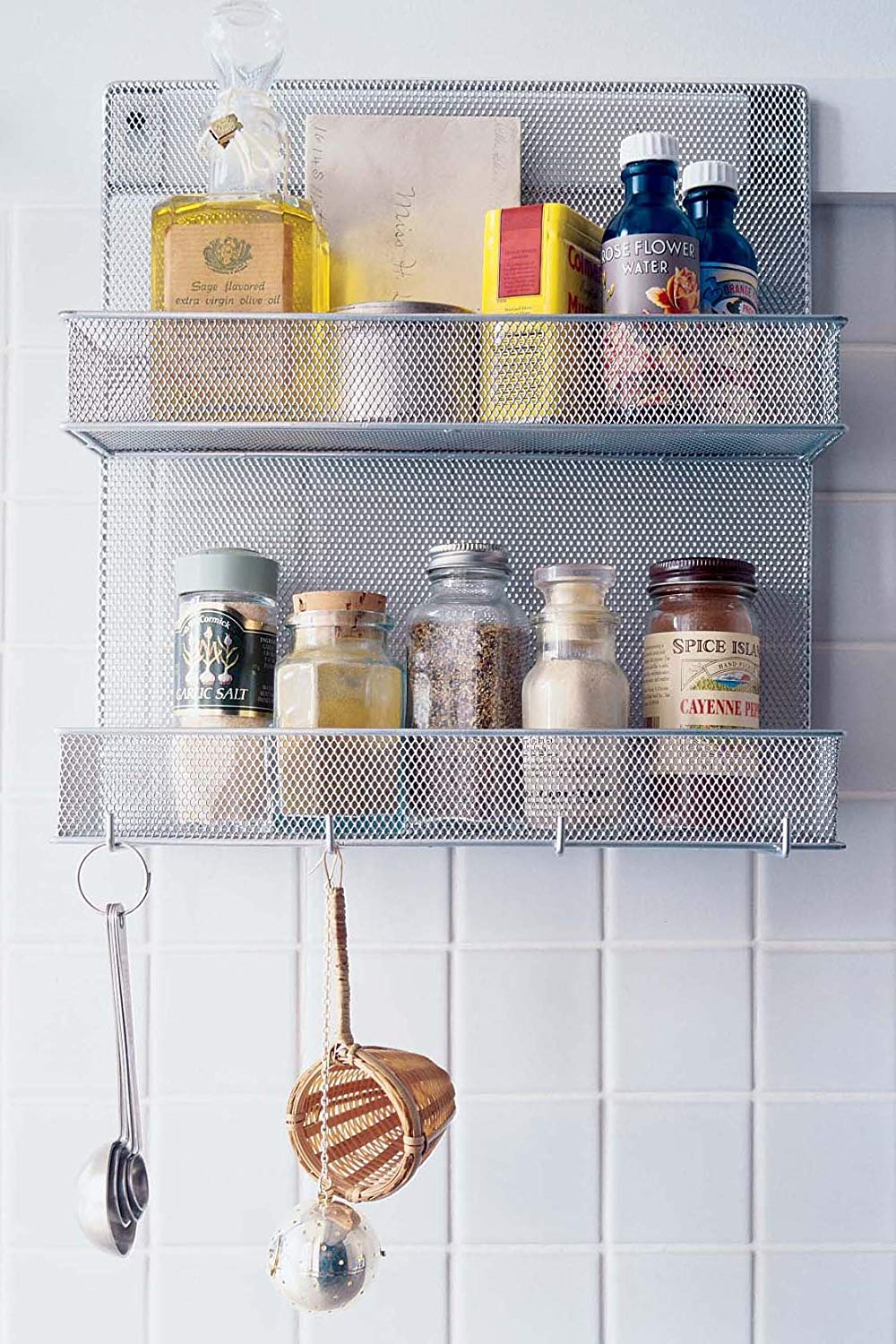
Turn your spices into a decoration by hanging them on the wall with a decorative spice rack.
You can even make your own from vintage casserole servers.
Don’t be afraid to get creative!
Replace the Filing Cabinet
As more bills and documents become digital, a bulky filing cabinet may no longer justify the floor space it occupies.
Scan important papers when appropriate, securely destroy documents you no longer need, and keep essential originals in labeled folders.
For the remaining paperwork, use a hanging fabric organizer inside a closet or on an office wall. Its compartments can hold folders for:
- Bills and receipts;
- Tax documents;
- Medical records;
- Warranties;
- Lease and insurance paperwork.
This vertical filing system keeps documents accessible while freeing valuable floor space, a practical improvement for small apartment organization.
Filing Cabinet TV Stand
What if you don’t want to give up your filing cabinet or have too many papers for the hanging shelves?
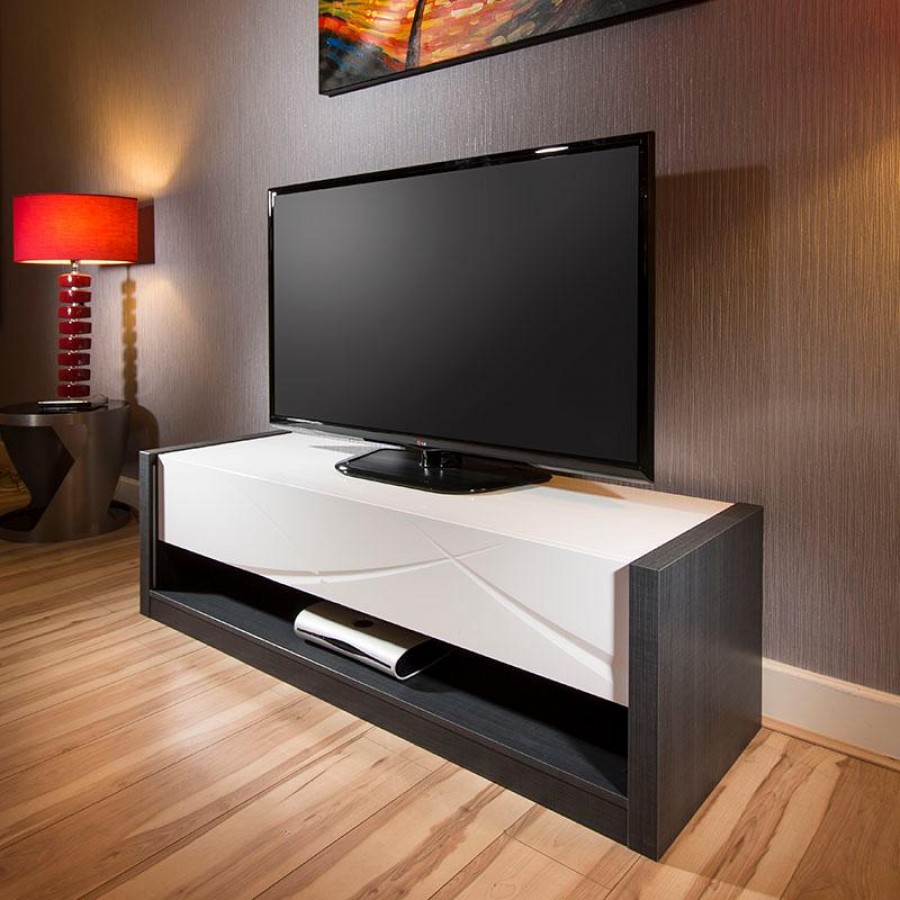
You have one more option. Get a short filing cabinet and use it as your TV stand.
It might not be the fanciest entertainment center out there, but it gets the job done.
Hang Your TV
Small apartment organization: of course, the most efficient use of space of all would be to get rid of your filing cabinet AND your TV stand.
You can do that by hanging your flat-screen TV on the wall.
Don’t have a flat-screen yet? Well, maybe now you can justify buying one for more reasons than just wanting one.
You could even take the opportunity to redesign your living room and hop on a new trend train.
Tension Rod Under the Sink
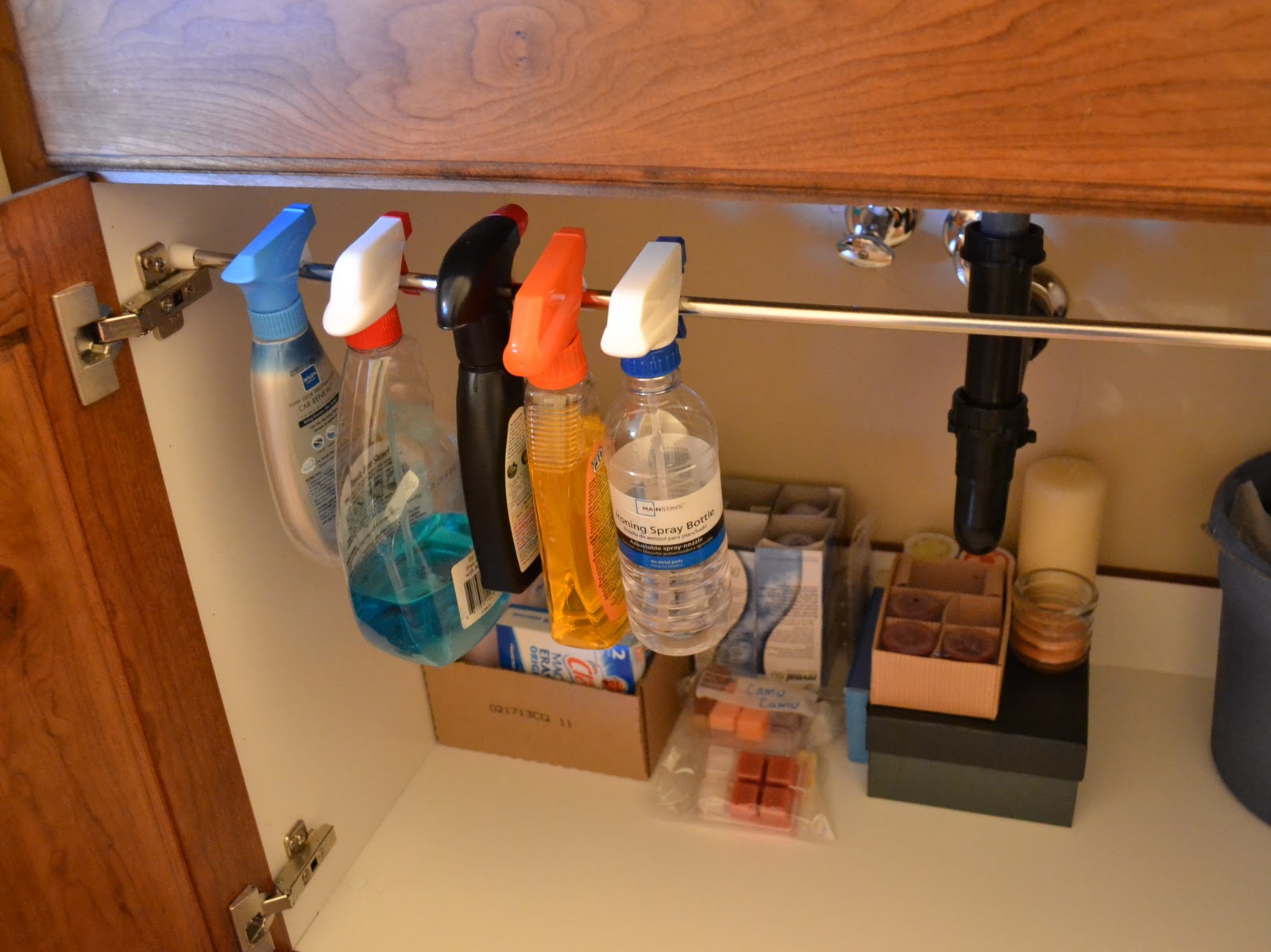
If you’re like most people, you probably keep a fair amount of cleaning supplies under the kitchen sink.
But once you fill-up the floor, there’s a whole lot of wasted space above.
Most cabinets don’t have a second shelf because the bowl of the sink is in the way.
Add a tension rod just under the sink to get around this problem and still use the space.
Then you can hook spray bottles over the rod and hang other cleaning supplies from it.
Use Tiered Racks to Organize Canned Goods
Kitchen cabinets often have unused vertical space above canned goods.
Stacking cans may seem efficient, but removing one can cause the remaining cans to topple and become disorganized.
Use a tiered can organizer, shelf riser, or sturdy plastic shoe rack that fits securely inside the cabinet.
Arrange cans by category, such as:
- Vegetables and beans;
- Soups and sauces;
- Fruit;
- Pet food.
Keep older cans at the front and place new purchases behind them.
This first-in, first-out system makes products easier to find, reduces food waste, and uses limited cabinet space more efficiently.
Organize Bathroom Drawers and Cabinets With Baskets
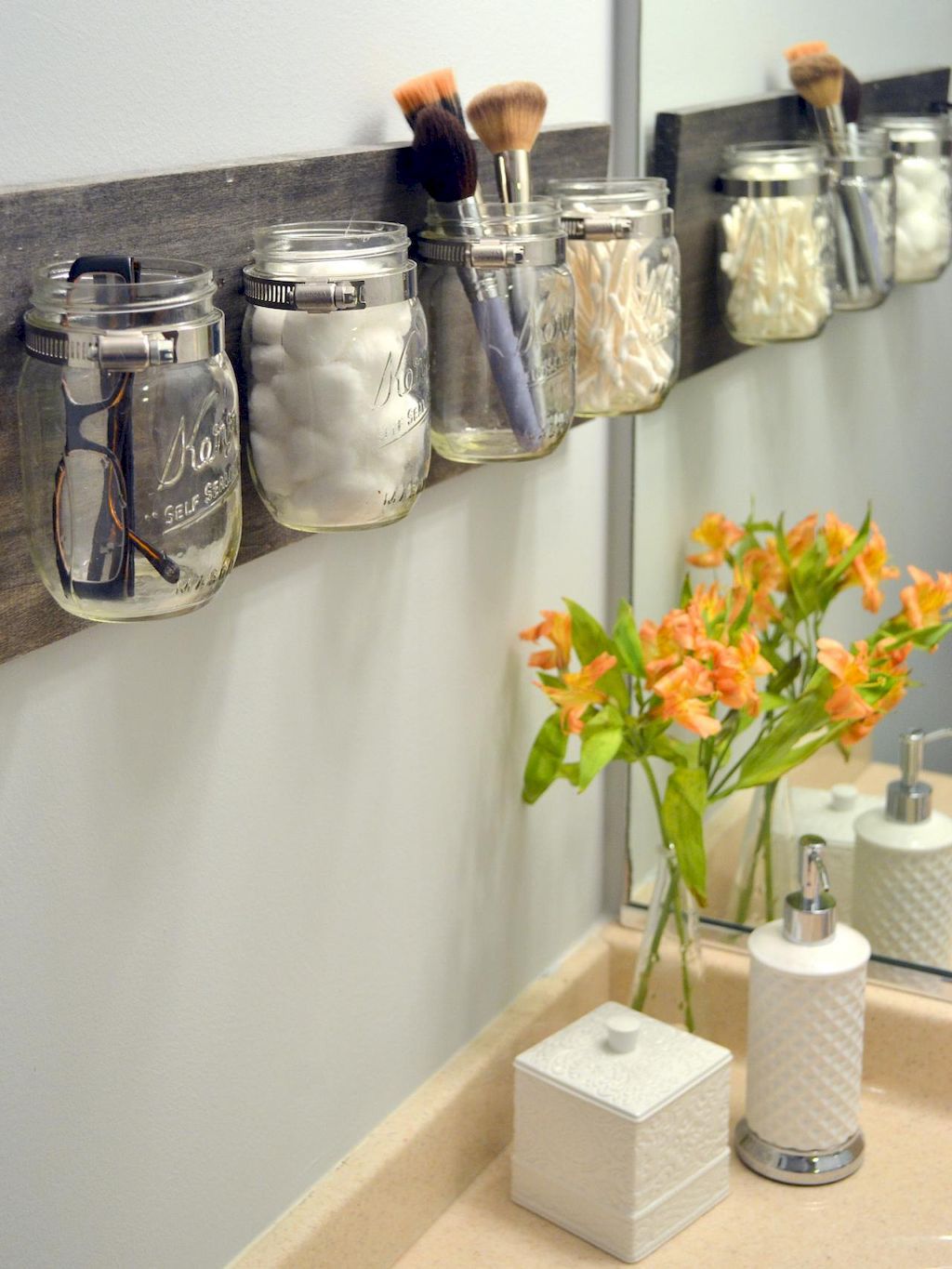
Small apartments typically have compact bathrooms with very little counter space.
Leaving toiletries, cosmetics, and personal-care products scattered across the counter can quickly make the entire room feel cluttered.
Instead, use every available drawer, cabinet, and shelf.
Bathroom vanities often include shallow drawers that are ideal for organizing small items such as:
- Nail polish;
- Makeup;
- Hair accessories;
- Skincare products;
- Dental-care supplies;
- Grooming tools;
Add small plastic baskets or drawer dividers to separate these products and make them easier to access.
Affordable organizers are widely available at dollar stores and home-goods retailers.
Keep similar items together so you can remove one basket instead of rummaging through the entire drawer.
Avoid storing most medicines in a humid bathroom unless the label specifically permits it.
Heat and moisture can affect certain products. Keep medication in its original packaging and follow the storage instructions provided on the label.
The basket system also works for larger belongings.
Place bigger baskets, lidded containers, or clean shoeboxes on the shelves underneath the sink. Organize them by category, such as:
- Cleaning supplies;
- Extra toiletries;
- Haircare products;
- Towels and washcloths;
- Toilet paper and personal-care refills;
Shoeboxes with lids can be particularly useful because they are inexpensive and stackable.
However, protect cardboard boxes from leaks and keep cleaning products safely separated from cosmetics, medicine, children, and pets.
✨Pro tip: Do not place jewelry loosely inside a basket. Necklaces can become tangled, and small earrings may be difficult to find. Instead, mount a corkboard, mesh organizer, or jewelry holder on the wall.
Use hooks or pushpins to display necklaces and earrings separately.
Your jewelry will remain visible, accessible, and safely out of the way while freeing valuable drawer and counter space.
Get Rid of Stuff You Don’t Need
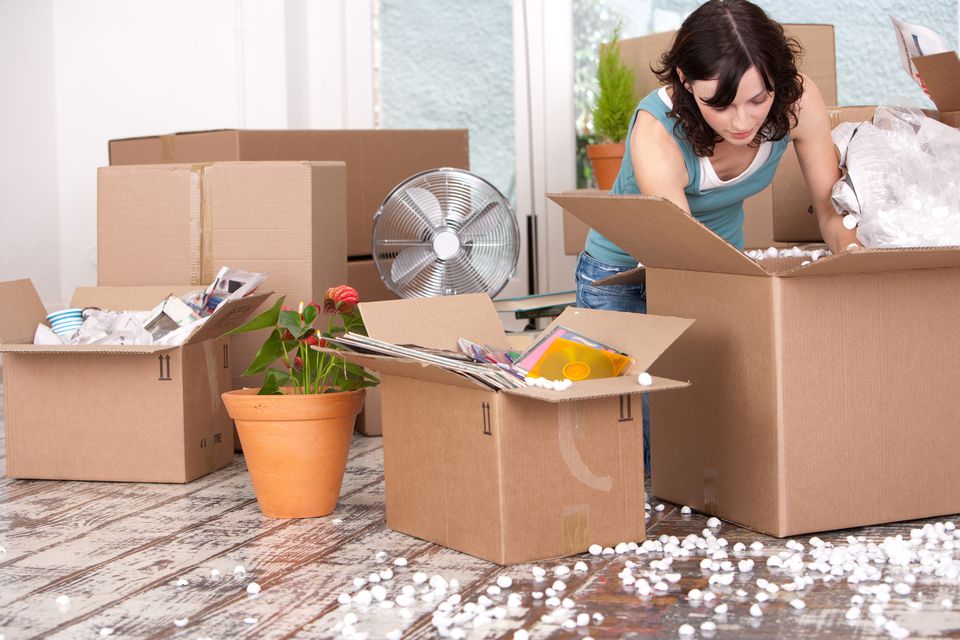
Decluttering for people who collect a lot of clutter can feel difficult because many possessions carry memories, represent money already spent, or seem as though they may become useful one day.
However, small apartments rarely have enough storage space for belongings that are never used.
At some point, you have to make thoughtful decisions about what deserves space in your home.
Start with items that carry sentimental value but serve no practical purpose. Instead of keeping an old college sweatshirt you will never wear again, take a photograph of it.
Create a digital album for sentimental possessions or store the pictures in a clearly labeled folder on your computer or in secure cloud storage.
You can preserve the memory without keeping every physical object.
This method can work for:
- Old clothing and uniforms;
- Childhood toys;
- Event tickets and programs;
- Greeting cards and letters;
- Souvenirs;
- Gifts you appreciate but never use.
Another useful approach is the dated-box method.
Place rarely used items in a box, seal it, and write the date on the outside. Store the box somewhere accessible but out of your immediate living area.
If a year passes and you have not needed anything inside, review the contents and decide what to donate, sell, recycle, or discard.
This technique is especially useful for clothing. Many people keep jeans and other garments hoping they will fit again one day.
After a year, ask whether each item fits your current body, lifestyle, and personal style.
Keep a small number of meaningful or genuinely useful pieces, but release clothing that makes you feel uncomfortable or guilty.
When deciding what to remove, ask:
- Have I used this during the past year?
- Would I buy it again today?
- Does it fit my current life?
- Do I have another item that performs the same function?
- Is the memory more important than the physical object?
- Could someone else use it now?
You do not need to throw everything away.
Donate usable belongings, sell valuable items, recycle appropriate materials, and discard only what cannot be reused.
The goal is not to eliminate everything you own—it is to make enough room for the belongings and activities that genuinely support your life.
Give Everything a Permanent Place
“A place for everything, and everything in its place” is an enduring piece of advice often associated with Benjamin Franklin.
Like it or not, it remains one of the most effective principles for controlling clutter in a small apartment.
If you return every item as soon as you finish using it, 97.6% of clutter may never appear. We made up that statistic, of course, but the point still stands.
This habit requires discipline at first, but it eventually becomes an automatic part of your daily routine.
Make the system easier by giving frequently used belongings logical, accessible homes:
- Keep keys in a tray or on a hook beside the entrance.
- Return shoes to a rack instead of leaving them near the door.
- Store remote controls in one basket.
- Place dirty clothing directly into the laundry hamper.
- Return toiletries to their assigned drawers or containers.
- Sort mail as soon as it enters the apartment.
- Complete a five-minute reset before going to bed.
Another major benefit is that organized storage makes apartment cleaning much easier.
You can begin wiping, vacuuming, and mopping immediately instead of spending the first part of every cleaning session picking up clutter.
The process becomes faster, more efficient, and less frustrating.
Keeping Things Tidy With Small Apartment Organization
Life already comes with enough challenges.
Keeping your home clean and tidy should not become another constant source of stress.
With the right small-apartment organization systems, even a studio or compact rental can remain comfortable, functional, and largely clutter-free.
Declutter possessions you no longer need, use overlooked vertical space, organize similar items together, and return everything to its assigned place.
These simple habits can help you:
- Spend less time cleaning;
- Find essential belongings faster;
- Avoid buying duplicate products;
- Use more of your available space;
- Feel calmer and more comfortable at home;
- Welcome visitors without a last-minute cleaning panic;
You may not follow every habit perfectly each day, and that is fine.
A functional home does not need to look like a showroom.
The goal is to create a realistic system that supports your routine and makes the apartment easier to maintain.
If you appreciated these tips, explore more of our lifestyle advice articles for useful storage ideas, cleaning strategies, and small-apartment organization solutions you may not have considered before.