Why the Saatchi Gallery Is Worth Visiting?
✨ Key Points
- The Saatchi Gallery was founded by advertising executive and art collector Charles Saatchi in 1985.
- Since 2019, it has operated as an independent registered charity supporting artists, education, accessibility, and cultural engagement.
- Its changing exhibitions make every visit different, offering exposure to emerging talent and international perspectives.
The Saatchi Gallery is one of London’s most recognizable destinations for contemporary art.
It is known for introducing audiences to emerging artists, presenting international work rarely exhibited in the United Kingdom, and making challenging ideas feel accessible beyond traditional art-world circles.
Its influence does not come from displaying a permanent collection of universally familiar masterpieces.
The gallery’s identity is built around discovery.
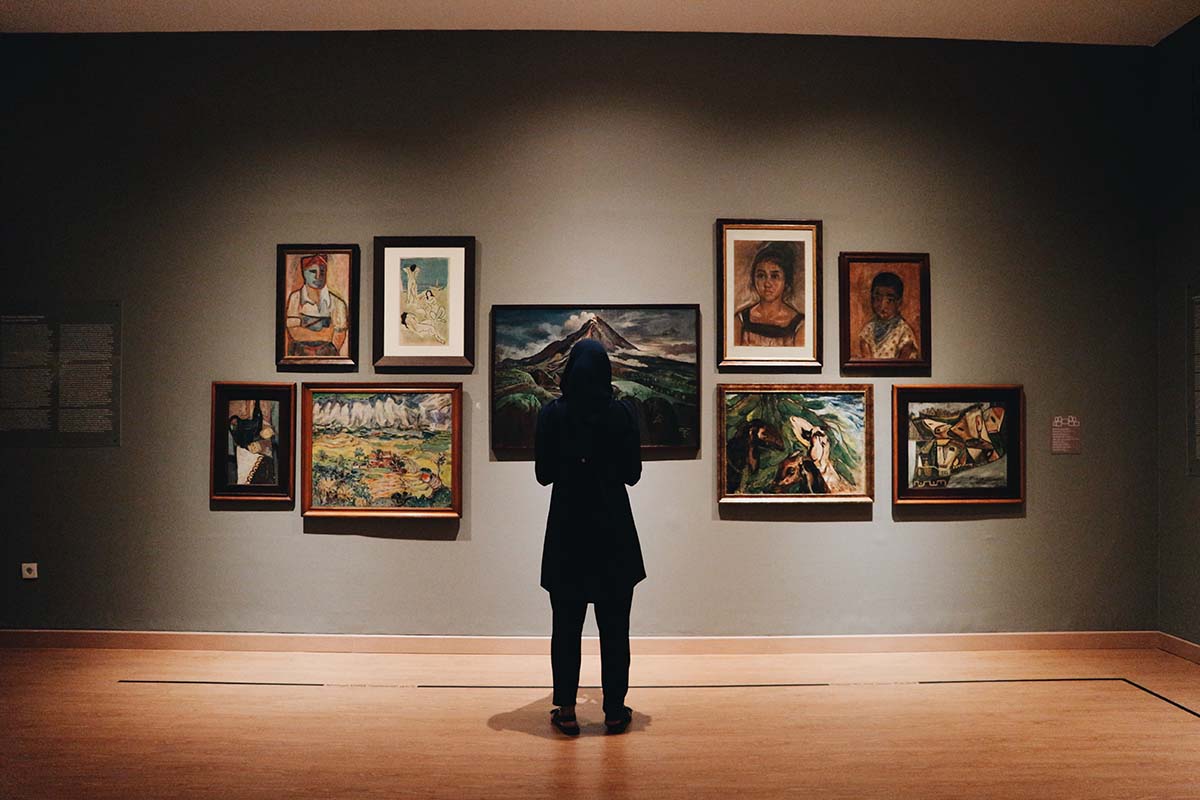
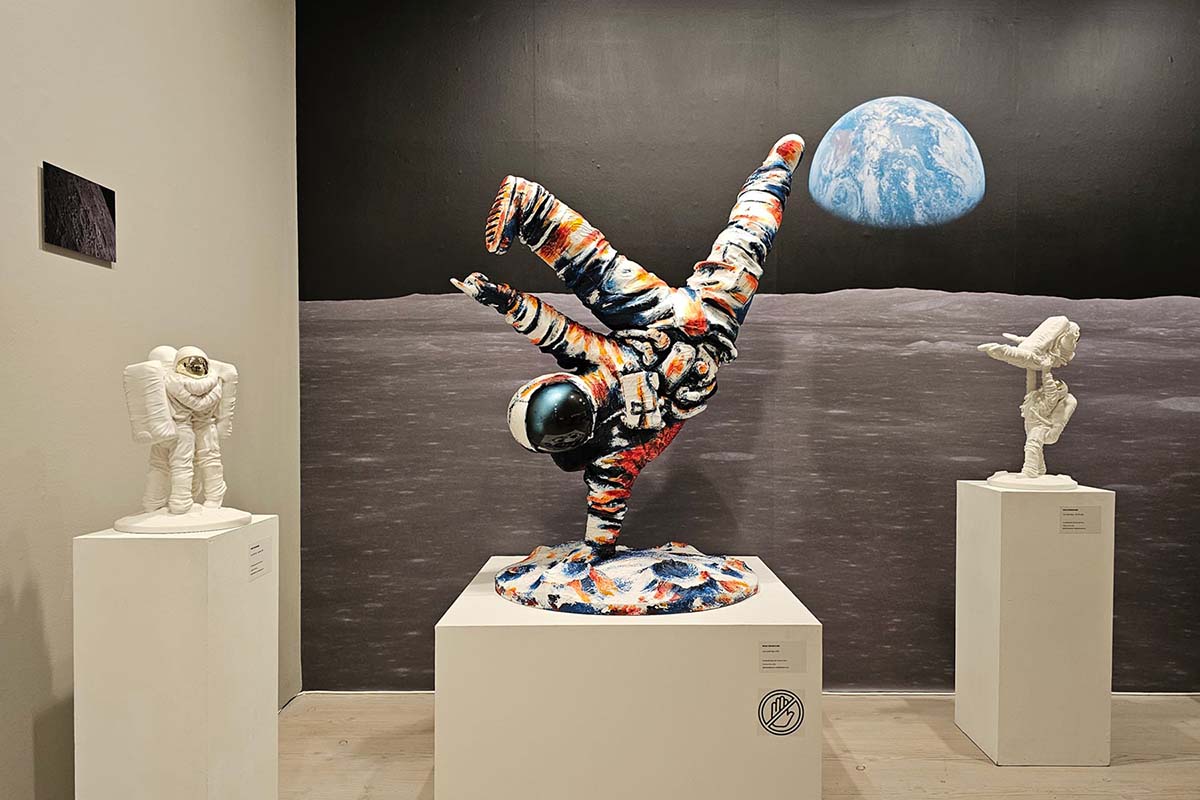
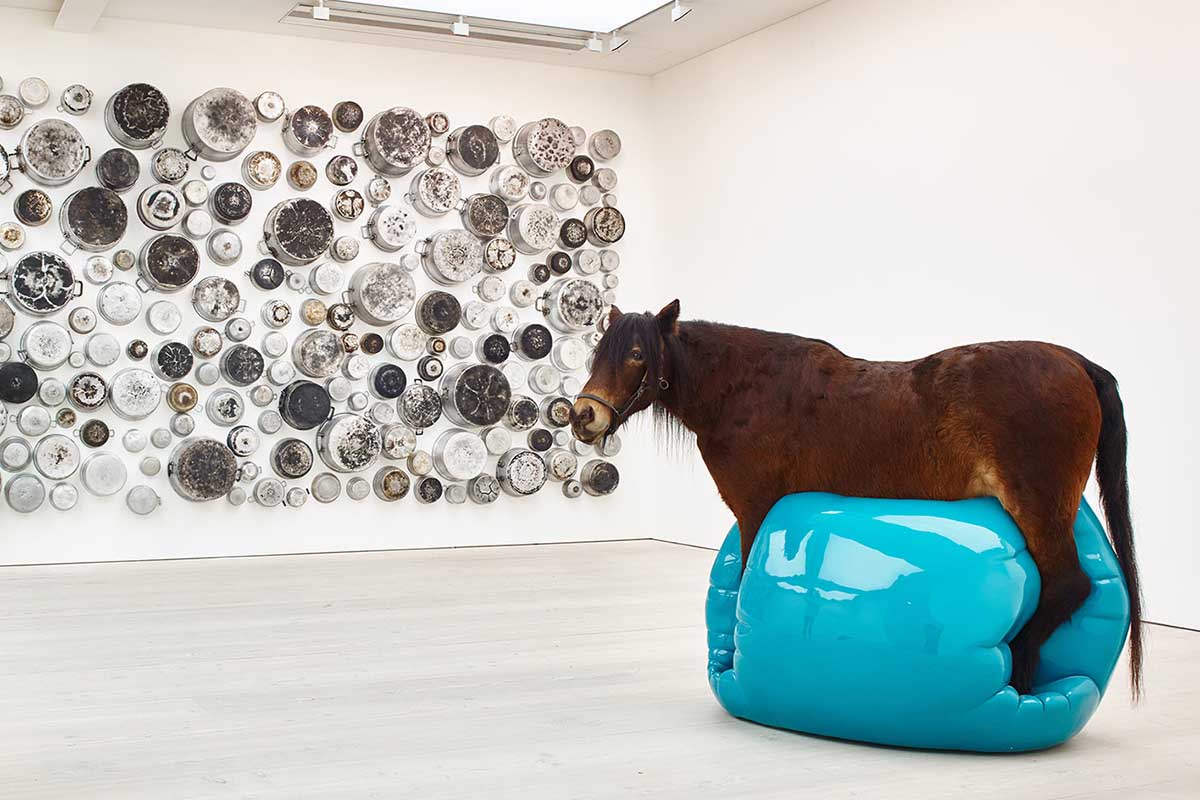
Visitors may encounter experimental photography, sculpture, fashion, digital art, painting, installation, or work addressing identity, inequality, technology, climate, and cultural change.
This makes the Saatchi Gallery particularly valuable for:
- Visitors who want to discover artists before they become widely known;
- Creators searching for new visual ideas and materials;
- Students learning how contemporary exhibitions communicate meaning;
- Collectors monitoring emerging artistic voices;
- Travelers looking for a different cultural experience in London;
- Anyone curious about how artists turn personal values into public conversations.
Who Founded the Saatchi Gallery?
Charles Saatchi founded the gallery in 1985, initially opening it in a converted paint factory on Boundary Road in North London.
Its first exhibition included works by Andy Warhol, Donald Judd, Brice Marden, and Cy Twombly, artists who were already reshaping ideas about modern American art.
Saatchi had built his career in advertising and became an influential collector with an instinct for artists who could capture cultural attention.
The gallery later became strongly associated with the rise of the Young British Artists, a loosely connected generation known for provocative concepts, unconventional materials, and an ability to generate public debate.
That history also created controversy.
Charles Saatchi’s collecting choices carried enormous market influence, raising questions about how collectors, publicity, galleries, and media attention affect an artist’s reputation and financial value.
This tension is part of what makes the gallery’s story so interesting: it sits where artistic experimentation, public reaction, cultural power, and the art market meet.
Who Is Behind the Saatchi Gallery Today?
The gallery still carries its founder’s name, but it is no longer managed by Charles Saatchi.
He formally stepped away in 2019, when the organization entered a new chapter as a fully independent registered charity.
The charity is governed by trustees, with businessman and environmental advocate Johan Eliasch listed as chair.
Its official mission is to support artists and make contemporary art accessible through physical exhibitions, digital projects, education, and public engagement.
This distinction matters.
The modern Saatchi Gallery is not simply a showcase for one collector’s private preferences.
Its charitable model places greater emphasis on:
- Supporting emerging and underrepresented artists;
- Introducing international work to British audiences;
- Providing educational opportunities;
- Working with schools and community organizations;
- Reaching audiences beyond established collectors;
- Encouraging public engagement with contemporary culture;
These values give the gallery a broader purpose: helping people understand why contemporary art matters and whose experiences receive space within cultural institutions.
Is Saatchi the Most Global Contemporary Art Gallery?
There is no authoritative ranking that identifies one institution as the world’s “most global” gallery.
Museums and galleries such as Tate Modern, the Museum of Modern Art, Centre Pompidou, and Guggenheim institutions operate on a larger museum scale.
However, Saatchi Gallery is one of the most globally recognized names devoted to contemporary culture.
Its international reputation comes from presenting artists who are largely unknown or whose work has rarely been seen in the United Kingdom.
The gallery reports that more than 10 million people have visited its current Chelsea location and that its online audience exceeds six million followers.
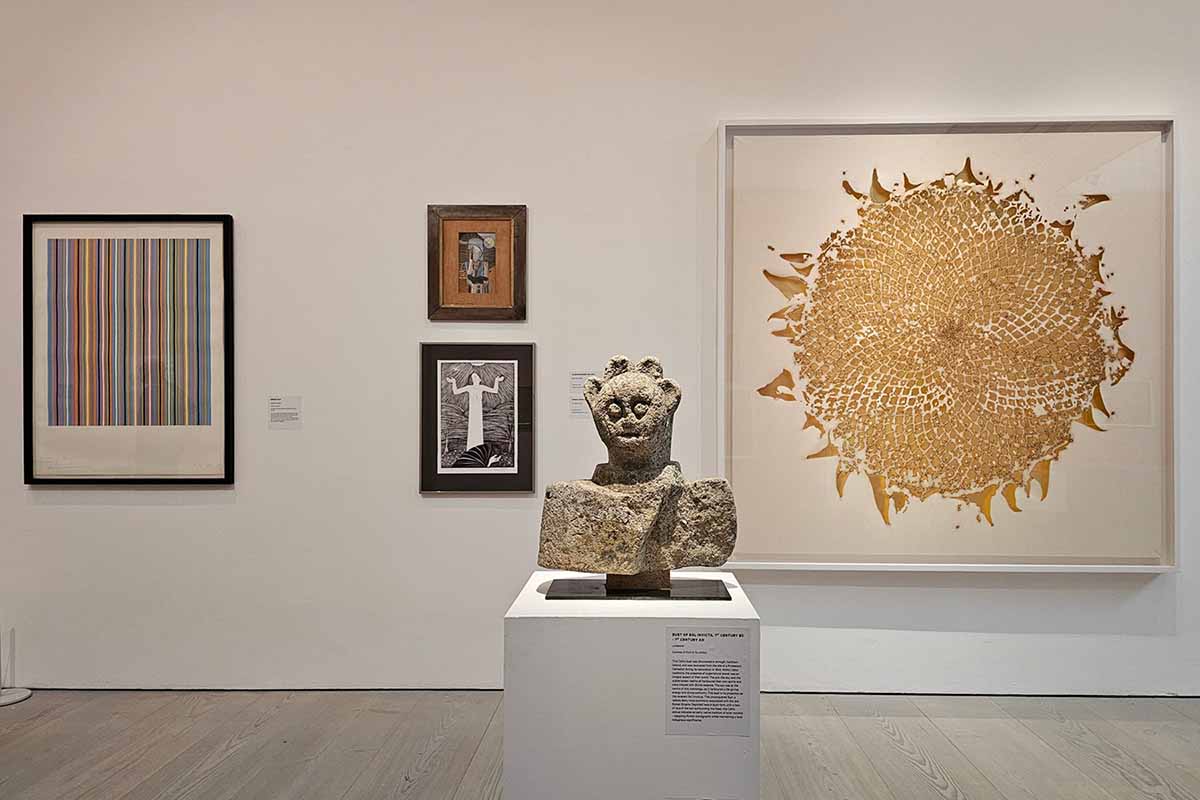
Its exhibitions regularly connect art with photography, fashion, technology, botany, social change, and global cultural traditions.
Its global character is therefore not based solely on its London address.
It comes from the range of artists, cultures, media, and ideas placed before an international audience.
What Makes the Saatchi Gallery Different?
Many major museums are organized around permanent collections and established art-historical narratives.
Saatchi Gallery works differently.
Its program changes frequently, so discovery becomes part of the visitor experience.
You may arrive without recognizing a single artist and leave with several names to research.
That uncertainty is a strength. It allows the gallery to create space for:
- Unfamiliar artists and developing careers;
- Experimental materials and exhibition formats;
- Social and political questions;
- Crossovers between art, photography, design, and fashion;
- Work from regions underrepresented in British institutions;
- Projects that invite emotional reactions and disagreement;
The gallery does not ask visitors to admire everything.
Contemporary art can confuse, disturb, amuse, or frustrate.
The real value often lies in discovering why a work provokes a particular response.
How Artists Can Use a Visit for Creative Inspiration

Artists should approach the Saatchi Gallery as more than a place to photograph finished work. It can function as a research environment.
During your visit, consider:
- Which artwork makes you stop immediately?
- How does the exhibition use scale, lighting, sound, or empty space?
- Which materials appear in unexpected contexts?
- What personal or cultural values guide the artist?
- How does the wall text change your interpretation?
- Which works invite conversation after you leave?
- How could the central idea be explored through your own medium?
Do not focus only on techniques you could reproduce.
Study how an artist turns a private concern into a subject that strangers can understand.
This is often where the most useful inspiration begins.
What the Gallery Reveals About Art as a Business
A gallery visit can also help artists understand the commercial ecosystem surrounding creative work.
An exhibition may generate income and visibility through original sales, commissions, licensing, publications, prints, branded collaborations, workshops, and gallery-shop products.
This connects to a practical question many creators ask: how much do artists make from merchandise?
There is no universal amount.
An artist’s income depends on the agreement, production costs, retail price, sales volume, licensing structure, gallery commission, taxes, and whether the artist manufactures the products or receives royalties.
A busy museum shop does not automatically mean that every featured artist earns substantial income.
Artists evaluating merchandise should ask:
- Who pays for manufacturing and unsold inventory?
- Does the artist receive a fixed fee or percentage of each sale?
- Who owns the artwork and product-design rights?
- Can the image be used in future collections?
- How frequently are sales reported?
- Are packaging, shipping, returns, and taxes deducted first?
- Does the product strengthen or weaken the artist’s identity?
Merchandise can make art more accessible and introduce it to people who cannot purchase an original.
However, the strongest products extend the meaning of the artwork rather than placing an unrelated image on an object simply to generate sales.
Why Visit the Saatchi Gallery?
The Saatchi Gallery is worth visiting because it offers something increasingly rare: the possibility of encountering work before public opinion has fully decided its value.
Visitors can benefit from:
- A spacious contemporary setting in central Chelsea;
- Regularly changing exhibitions;
- Free entry to selected shows;
- Ticketed major exhibitions and special events;
- Emerging and international artists;
- Educational programs and creative workshops;
- Convenient access to the surrounding King’s Road area.
The gallery occupies approximately 70,000 square feet inside the historic Duke of York’s Headquarters on King’s Road.
It is generally open daily, but exhibitions, admission prices, and final entry times vary.
Check the official Saatchi Gallery visitor information and current exhibitions before traveling.
Why Visiting the Saatchi Gallery Can Change How You See Art

The Saatchi Gallery matters because it treats contemporary art as a living conversation rather than a finished chapter of history.
Its greatest value is not deciding which artists deserve fame.
It creates space for unfamiliar voices and invites visitors to decide what feels meaningful, uncomfortable, beautiful, or impossible to ignore.
People visit galleries for more than entertainment.
We have a deeper need to understand ourselves, connect with experiences beyond our own, and discover language for emotions we cannot easily explain.
Art can make us feel recognized, challenge beliefs we have never questioned, or reveal that a private struggle is shared by others.
For anyone wondering how to find inspiration as an artist, visiting an art gallery can provide more than new subjects or techniques. It can help uncover the inner motivation behind the desire to create.
A distinctive artistic voice often begins with:
- A personal experience that still needs to be understood;
- A cultural identity that deserves greater visibility;
- A social issue that creates anger, empathy, or hope;
- An unusual material that changes how an idea is expressed;
- A question that continues returning without a simple answer.
As a leading contemporary art gallery in London, the Saatchi Gallery offers permission to experiment, take creative risks, and communicate without having everything resolved.
Its exhibitions show that art does not need to please everyone to be meaningful.
You may not connect with every artwork, and that is part of the experience.
Pay attention to what attracts you, what unsettles you, and what you continue thinking about afterward.
A valuable gallery visit should leave you with new questions, memorable images, and at least one idea that follows you home, and possibly becomes the beginning of your own work.