What Is Influencer Marketing, And How Does It Work?
✨Summary
Influencer marketing in 2026 is driven by trust, not reach, where real experiences, UGC, and creator content on platforms like TikTok, Instagram, and Threads generate organic referrals.
Businesses that combine social proof, AI-driven insights, and consistent messaging can build scalable word-of-mouth systems that convert audiences into advocates.
If you’re trying to understand how to get organic referrals in 2026, influencer marketing is no longer just about reach, it’s about trust.
Businesses today are not struggling to be seen, they are struggling to be believed.
That’s why influencer marketing has shifted toward generating positive word-of-mouth online through real people, real experiences, and content that feels natural on each platform.
Influencers now act as distribution channels for trust, not just promotion.
Their audience doesn’t just watch, they evaluate and decide based on authenticity, especially on:
- TikTok;
- Instagram;
- Threads;
This is where UGC (user-generated content) becomes powerful, because it mirrors how people naturally share recommendations.
What works today:
- real experiences over scripted ads;
- consistent messaging over one-time campaigns;
- community conversations over pure reach;
Brands that succeed treat this as a system, using customer advocacy strategies for small business and building boutique brand referral loops that grow over time.
AI and social listening help you understand what people actually talk about, so you can create content that gets shared.
When done right, influencer marketing doesn’t just create visibility, it creates trust that turns into referrals.
Let me together with unrulyagency.com/ break the subject down for you, starting with the most obvious points:
Influencer Marketing
- What is Key Influencer Marketing?
- Why is Online Influencer is Important?
- Key Influencer Marketing Effectiveness
- History of Key Influencer Marketing
- How does Influencer Marketing work, and How to Create an Influencer Proposal?
- How to successfully do Key Influencer Marketing?
- How do you track your Influencer Strategy?
- Who are Micro-Influencers?
- In conclusion.
What Is Influencer Marketing And Why It Works Today
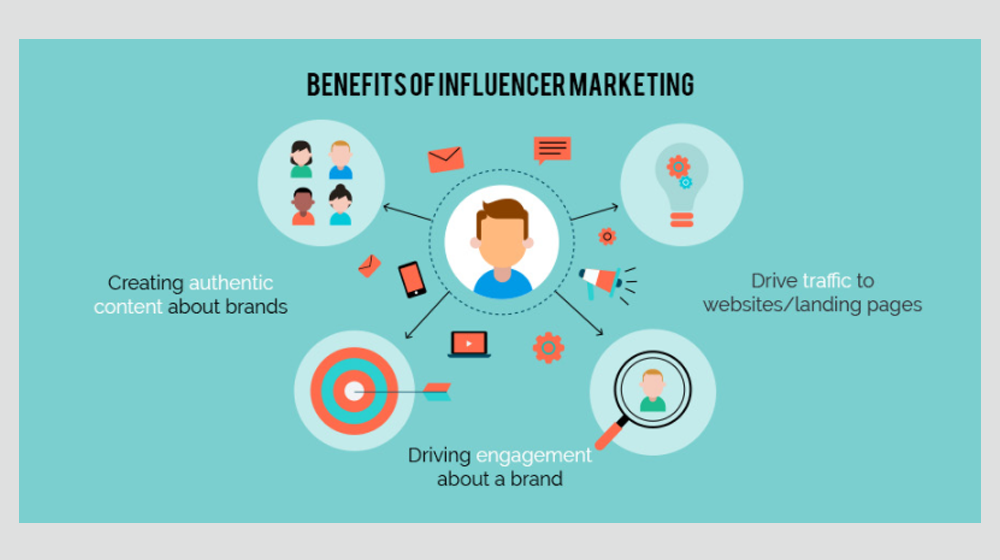
Influencer marketing is when you partner with people your audience already trusts to talk about your product or service in a natural way.
Instead of promoting your brand directly, you work with creators, experts, or community voices who already have attention and credibility in a specific niche.
Their audience listens to them, which makes their recommendations feel more real than traditional ads.
But what really makes influencer marketing effective today is not just reach, it’s understanding people.
The best creators know:
- what people are already talking about;
- what triggers emotions and attention;
- what problems and needs their audience has;
- how to turn attention into real action;
That’s why influencer marketing works, it’s built on trust, relevance, and emotional connection, not interruption.
With platforms like TikTok, Instagram, and Threads, this approach has become one of the most powerful ways to generate awareness and referrals.
But success depends on more than just choosing someone popular.
What actually matters:
- Relevance – does the influencer match your audience;
- Trust – do people believe and engage with them;
- Authenticity – does the content feel natural;
- Consistency – repeated exposure builds stronger results.
In simple terms, influencer marketing is not just promotion it’s a way to understand your audience deeply and turn that understanding into attention, trust, and action.
Why Influencer Marketing Is Important Today
Traditional advertising doesn’t work the way it used to, because people don’t trust it the same way anymore.
Millennials, and even more so Gen Z, expect brands to feel real, transparent, and relatable.
They don’t want to be told what to buy.
They want to see how something fits into real life.
That’s exactly why influencer marketing has grown so quickly.
It feels less like advertising and more like a recommendation from someone they already follow and trust.
Instead of saying “try this,” influencers show:
- how they actually use the product;
- how it fits into their daily life;
- what results or experience it creates;
This makes the decision easier, because people can picture themselves using it too.
Another important shift is the relationship between creators and their audience.
Many influencers have built strong, ongoing connections with their followers, which means their opinions carry real weight.
But success here depends on understanding your audience.
- Millennials tend to value authenticity, quality, and brand values;
- Gen Z looks for relatability, honesty, and content that feels unfiltered.
If your strategy doesn’t reflect these differences, it won’t connect.
In simple terms, influencer marketing works because it meets people where they already are, with content they trust and actually pay attention to.
How effective is it?

Influencer marketing isn’t just popular, it delivers results.
Studies show that 94% of marketers find influencer marketing effective, and in many cases, it can generate up to 11x higher ROI than traditional advertising.
That gap exists for a simple reason: people don’t pay attention to ads the way they used to.
We’ve all trained ourselves to ignore banners, pop-ups, and overly polished campaigns.
This is often called banner blindness, and it’s one of the biggest reasons traditional advertising struggles to convert today.
Influencer marketing works differently because it blends into content people actually want to consume.
Instead of interrupting, it integrates.
Real-world examples support this.
Mike Filbey, co-founder of ButcherBox, shared that when they tested different marketing channels early on, influencer campaigns quickly stood out.
One email campaign with a creator showed strong results, and from that point, they focused on growing that channel because it consistently performed.
That’s how most successful brands approach it today:
- test different creators and formats;
- double down on what drives engagement;
- build long-term partnerships instead of one-off posts.
The key takeaway is simple, influencer marketing works because it aligns with how people discover, trust, and decide today.
It doesn’t feel like advertising, and that’s exactly why it converts.
History of Influencer Marketing And How It Evolved into UGC
Influencer marketing isn’t new, it has simply evolved.
For decades, brands have relied on recognizable faces to influence buying decisions.
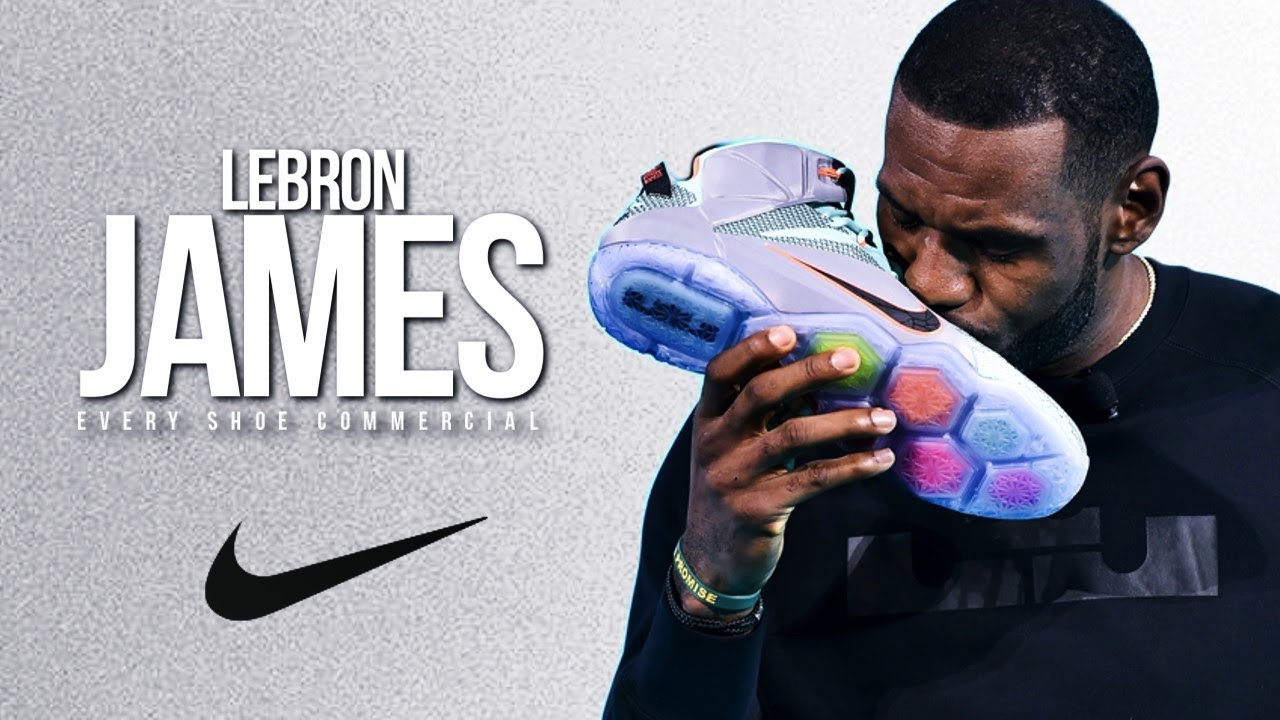
From characters like Toucan Sam promoting Kellogg’s in the 1960s to athletes like LeBron James representing Nike since the early 2000s, the idea has always been the same: people trust familiar figures.
What’s changed is who holds that influence.
Today, an influencer doesn’t need to be a celebrity. It can be a creator, a niche expert, or simply someone who has built trust with their audience on social media.
But the biggest shift in 2026 is this, influencer marketing has evolved into the UGC (user-generated content) segment.
Now, influence is not just about follower count. It’s about:
- relatability over fame;
- real experiences over polished ads;
- everyday people over celebrities.
Platforms like TikTok, Instagram, and Threads have made it easy for ordinary users to share opinions, reviews, and experiences that feel authentic and trustworthy.
This is why UGC performs so well, it looks and feels like content people already consume, not like advertising.
In simple terms, influencer marketing has moved from celebrity endorsements to real people sharing real experiences, and that’s what makes it more powerful today than ever before.
How Does Influencer Marketing Work Today?

Influencer marketing works by partnering with people who already have the attention and trust of your target audience, and using their voice to introduce your brand in a way that feels natural.
Instead of brands speaking directly, creators show how a product fits into real life.
That’s what makes it effective.
You’ve probably seen this already, especially if you follow local content.
In Seattle, accounts like “Find me in Seattle” or creators sharing café spots, hidden gems, and everyday lifestyle moments regularly influence where people go, what they try, and what they buy.
Local examples make this even clearer:
- a Seattle creator sharing their favorite coffee spot in Capitol Hill;
- a Bellevue-based fitness influencer showing their daily routine with a product;
- a Portland food blogger reviewing a new restaurant;
- a PNW lifestyle account highlighting weekend experiences.
These posts don’t feel like ads, they feel like recommendations.
That’s why when an influencer shares something, it captures attention at the right moment, when people are already curious or looking for ideas.
Today, this applies to all types of businesses:
- global brands like Nike;
- local salons, cafés, and hotels;
- niche services and startups.
The key is that influencers already have trust in a specific niche, and brands tap into that trust.
In simple terms, influencer marketing works because it places your brand inside conversations people are already paying attention to, and that’s what turns views into action.
How to Successfully Do Influencer Marketing
Like any marketing strategy, influencer marketing only works when there’s structure behind it.
You’re not just letting others create content—you’re guiding how your brand shows up in conversations.
- Start with clear goals. You need to know what success looks like, whether it’s awareness, engagement, or actual conversions. Without that, it’s impossible to measure results or improve. Your goals will shape everything—from the type of creators you choose to the content they produce.
- Next, choose the right influencers. Not everyone is a good fit, even if they have a large audience. You need someone who aligns with your brand, speaks to your audience, and feels natural promoting your product. Some creators grow quickly using tools like best site to buy Instagram followers , but what matters more is real engagement and trust.
- Then, set clear expectations. Define what you want—content type, messaging, tone, and outcomes. The more clarity you provide, the better the results.
- Track and adjust. Monitor performance, engagement, and feedback so you can refine your approach instead of guessing.
Finally, stay involved.
Respond to comments, engage with the audience, and match the tone of the creator.
This is where relationships are built and where word of mouth actually grows.
Influencer marketing works best when it feels like a conversation, not a campaign.
How to Track Influencer Campaigns (And Measure What Actually Matters)

Running influencer campaigns without tracking is just guessing. If you want real results, you need to know what’s working, what’s not, and why.
Start with the basics—measure performance where it matters:
- clicks and traffic from influencer links;
- engagement (likes, comments, saves, shares;)
- conversions (sales, sign-ups, inquiries;)
- audience sentiment in comments and discussions;
To manage this, there are platforms that help you track and organize influencer performance:
- LeadDyno – useful for affiliate tracking and referral performance;
- HasOffers – helps manage partnerships and track conversions;
- NeoReach – strong for influencer discovery and campaign analytics;
- TapInfluence – focuses on content performance and ROI.
But tools alone aren’t enough.
If you want deeper insights, you need to go beyond simple “last-click” tracking.
Most customers don’t convert immediately, they might see a post, think about it, then come back later.
That’s where multi-touch attribution models help. They show you the full journey, not just the final step.
Also pay attention to:
- repeated mentions of your brand;
- UGC created after campaigns;
- increases in branded searches or direct traffic
Because the real value of influencer marketing is not just immediate sales, it’s building trust that leads to future conversions.
Conclusion
Now you can see that influencer marketing isn’t just a trend, it’s a system that builds momentum for your brand through real people and real conversations.
✨Its effectiveness comes from one thing: trust.
Instead of pushing messages, you’re placing your brand inside content people already pay attention to and believe.
The industry is only growing, and over the next few years, influencer marketing will continue to expand as more creators turn into full personal brands with loyal audiences.
That shift makes this channel even more powerful, because influence is becoming more niche, more targeted, and more connected to real communities.
But success doesn’t come from simply “using influencers.”
It comes from doing it right:
- choosing creators who truly match your audience;
- focusing on authentic content, not forced promotion;
- tracking what works and improving over time;
- building long-term relationships, not one-off campaigns.
If you approach influencer marketing this way, it stops being an experiment and starts becoming a reliable growth channel.
If you’re serious about growing your brand in today’s landscape, this is one of the most effective ways to do it, because people trust people, and that’s not changing anytime soon.