Drive Safely After Passing Your Test
✨ Key Points
- Passing your driving test doesn’t mean you’ve experienced every driving situation. Highways, heavy traffic, bad weather, night driving, and unfamiliar roads can feel very different without an instructor beside you.
- Build confidence gradually rather than testing yourself all at once. Start with familiar routes and progressively add more challenging conditions as your experience grows.
- Good habits matter from your first solo drive. Following distance, speed, distractions, blind-spot checks, vehicle maintenance, and anticipating other drivers are fundamental to staying safe.
Passing your driving test is a strange moment.
One day, there’s an instructor beside you watching every mirror check and reminding you about the speed limit.
The next, you’re alone, and every decision is yours.
That’s exciting. It’s also when the real learning begins.
Your license confirms that you’ve demonstrated the skills required to drive, but it doesn’t mean you’ve experienced everything the road can throw at you.
Your first months of independent driving may introduce situations you barely encountered during lessons:
- Driving alone at night.
- Merging onto a busy highway.
- Heavy rain, snow, fog, or strong sun glare.
- Navigating somewhere unfamiliar while watching traffic.
- Dealing with an aggressive or unpredictable driver.
- Carrying friends who unintentionally distract you.
- Responding when something suddenly goes wrong with your car.
New drivers are particularly vulnerable because experience matters.
NHTSA identifies inexperience as one of the factors contributing to teen-driver crash risk, alongside issues such as speeding, distraction, and nighttime driving.
So don’t mistake passing your test for having nothing left to learn.
Your first solo drives should be about building driving confidence gradually, not proving how confident you already are.
Start with familiar roads and quieter journeys.
Then introduce highways, heavier traffic, longer distances, nighttime driving, and more difficult weather as your skills develop.
Keep practicing the safe driving habits you learned for your test even when nobody is there to check them.
And yes, enjoy the freedom. Get your first car.
Take that road trip. Explore places that were difficult to reach before.
Just remember: passing your driving test gives you permission to drive independently. Experience is what teaches you how to do it well.
Driving Safely: Don’t give lifts
You no doubt want to get out and start driving your friends and family all over the place, but taking passengers is not advisable until you’re a lot more confident.
It would help if you as had as few distractions as possible when getting to grips with your new car, and a bunch of people chattering in the backseat will not help you at all.
Start driving by yourself in the early stages.
Not only will this allow you to focus on the road, but it will reduce the casualty risk if you were to get into an accident.
Turn your phone off
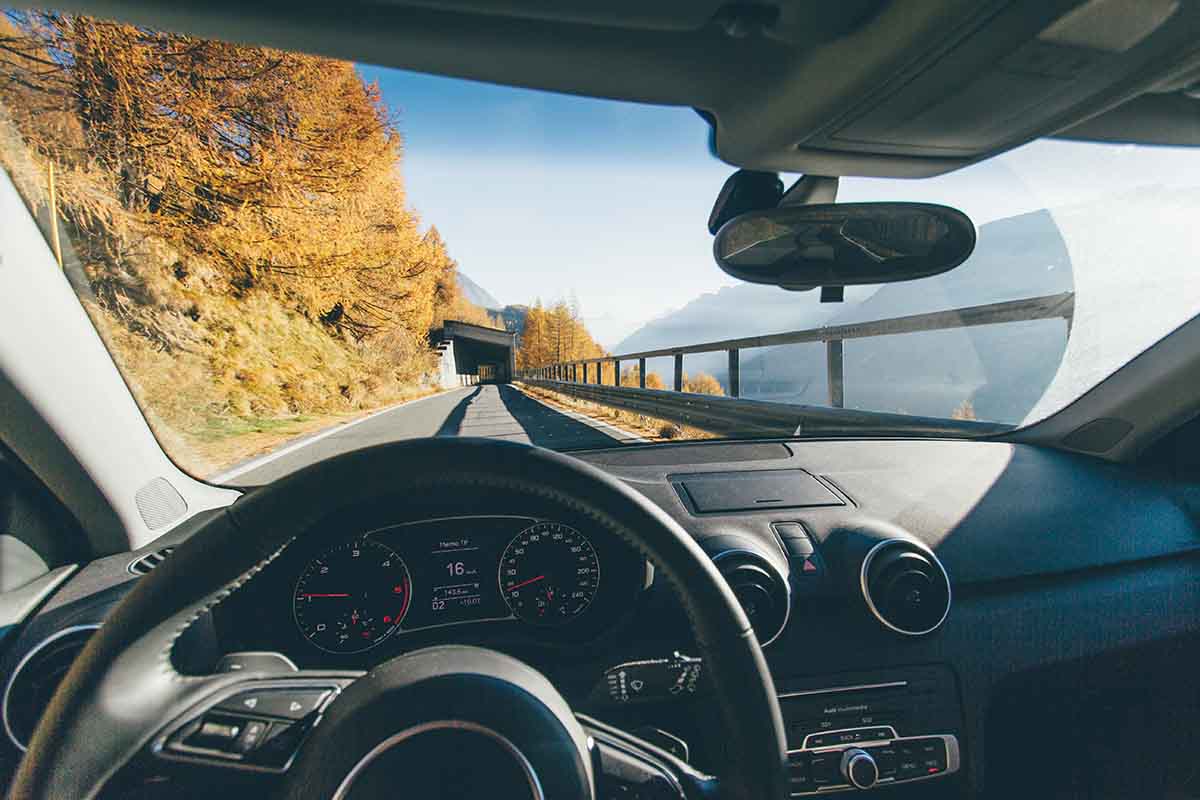
Phones are one of the biggest causes of accidents for drivers.
Trying to change your music while keeping your eyes on the road or answering a phone call on a slippery motorway could prove disastrous.
Keep your phone switched off while driving to prevent interruptions.
But make sure you keep it charged and with you at all times in case you get into trouble.
If you need to call the emergency services, a friend or family member, or even truck accident lawyer John Foy, you’ll need that phone to be fully charged and ready to use.
Driving Safely: Improve your skills
Once you’ve passed your test, the learning doesn’t stop there
. There are several additional courses you can enroll in to improve your driving abilities.
Take a defensive driving course, and you will be better equipped to control your vehicle and deal with difficult conditions on the road.
Calm down
If you’re feeling nervous about driving on busy roads, your mental state could prove dangerous.
An anxious mind is more likely to make mistakes or lose concentration in a tricky situation. Take steps to calm your nerves before getting behind the wheel.
Take some deep breaths or play some gentle, relaxing music. You could even take a parent or responsible friend with you to settle your nerves.
Driving Safely: Keep practicing
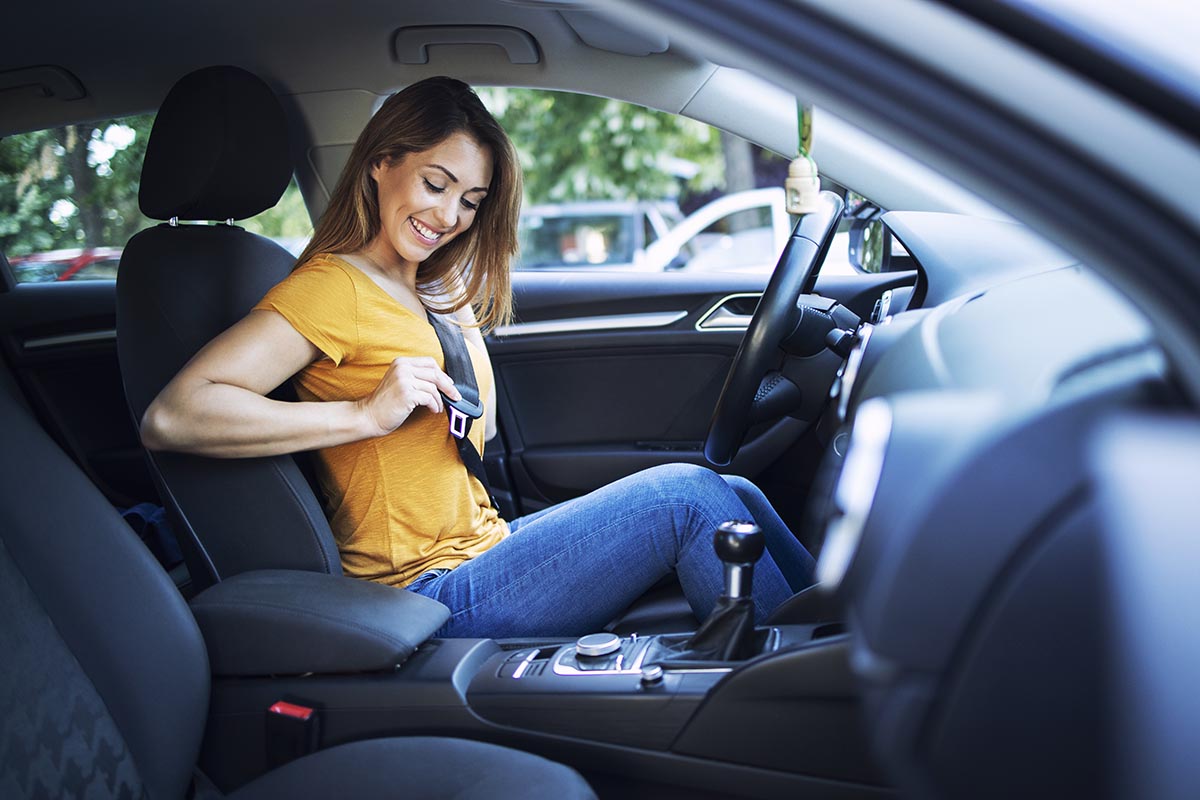
As with everything, practice makes perfect.
The more you get out there and hone your driving skills, the better you will be.
Start with short trips and then build up as your confidence grows.
Before long, you’ll be an expert driver.