Brussels International Festival: A Celebration of Global Arts, Culture, and Music
✨Key Points
A city-wide cultural experience. The Brussels International Festival transforms Brussels into a living stage, blending music, visual art, performance, and public installations across venues and neighborhoods.
Built for discovery, not spectatorship. Designed for Gen Z and curious travelers, the festival prioritizes immersive, real-world experiences over passive viewing, encouraging exploration and unexpected moments.
Easy to plan, impossible to forget. With flexible programming and a compact, walkable city, visitors can effortlessly plan a visit that combines culture, travel, and meaningful connection in one trip.
If culture, music, and art mostly live on your screen right now, the Brussels International Festival is your reason to log off and show up.
In 2026, this multidisciplinary festival isn’t about passive viewing or prestige—it’s about being in the middle of something real, global, and happening now.
Set across Brussels, the festival transforms the city into a living cultural map.
Museums, public squares, underground venues, galleries, and unexpected spaces all become part of the experience.
You don’t attend the festival in one place—you move through it.
This is culture designed for people who want more than content. It’s for people who want context, connection, and moments worth remembering.
What Makes This Festival Different
The Brussels International Festival isn’t locked into one scene or one crowd.
It’s built for crossover—between music and visual art, performance and digital culture, local voices and global perspectives.
Instead of asking you to choose one thing, it lets you explore everything:
Live music one night, immersive art the next;
A gallery opening followed by a late-night performance;
Conversations, installations, and sound experiences that bleed into the city;
You’re not boxed into a single venue or vibe. You curate your own experience.
Culture That Matches How You Actually Live
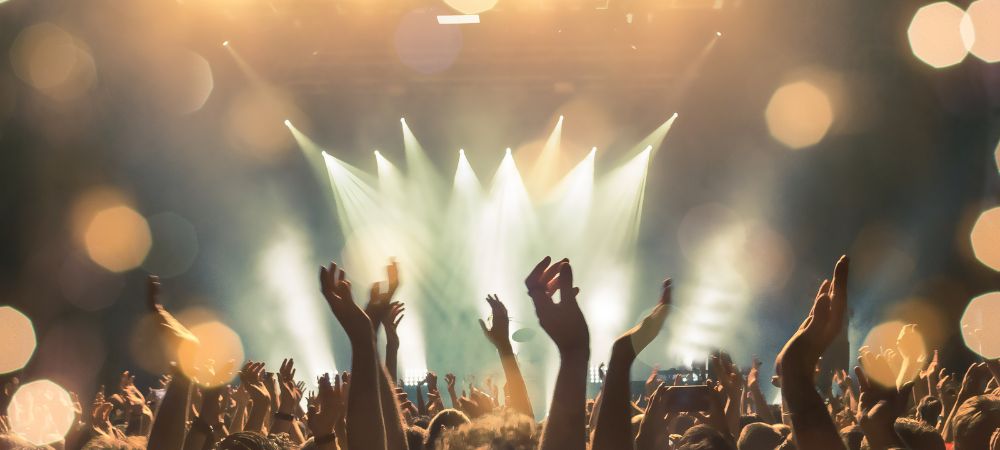
Gen Z doesn’t experience culture in silos—and neither does this festival. The Brussels International Festival reflects how creativity really works today: collaborative, experimental, and constantly evolving.
You might see:
Artists combining sound, visuals, and performance into one experience;
Exhibitions that exist temporarily and then disappear;
Music that doesn’t fit neatly into a genre;
Public art that challenges how you see the city;
Nothing here feels static or overly formal. It’s culture in motion.
Why Brussels Is the Perfect Host City
Brussels isn’t just a backdrop—it’s part of the festival’s identity. As one of Europe’s most international cities, it’s a place where languages, cultures, and ideas naturally mix.
That matters. It means:
The crowd is global, not homogeneous;
The programming reflects multiple perspectives;
The city itself becomes part of the story;
From historic streets to contemporary neighborhoods, Brussels gives the festival texture. You’re not just attending events—you’re exploring a city through culture.
What You’ll Actually Get Out of It
Let’s be real: if you’re going to travel, you want it to be worth it.
Here’s what the Brussels International Festival delivers in 2026:
1. Real Experiences, Not Just Aesthetic Backdrops
This isn’t about snapping a photo and leaving. It’s about being present—watching a performance unfold live, walking through an installation, feeling the energy of a crowd.
2. Discovery Without Pressure
You don’t need to “know art” to be here. The festival is built for curiosity. You’ll discover artists organically, not through hype alone.
3. Stories Worth Sharing
Not just for social media—but for real conversations. You leave with experiences you can actually talk about.
4. A Sense of Belonging
Whether you’re traveling solo or with friends, the festival creates shared moments. You’re surrounded by people who showed up for the same reason: to experience something meaningful.
Music, Art, and Performance—All in One Trip
One of the biggest wins of the Brussels International Festival is efficiency. Instead of planning separate trips for music, exhibitions, and performances, everything happens in one place, at one time.
Your days might look like:
Afternoon exhibition → evening live set → late-night performance
Public installation during the day → panel talk → concert
Wandering the city → stumbling into something unexpected
You don’t need a rigid plan—but you can build one if you want.
How to Plan Your Visit (Without Overthinking It)
Planning doesn’t need to be stressful. Here’s a simple approach:
Step 1: Pick Your Dates
Choose a few days during the festival window. Even a short visit works—you’ll still get a full experience.
Step 2: Decide Your Priorities
Are you more into music, visual art, or performance? Pick a couple of anchor events, then leave space for discovery.
Step 3: Stay Central
Brussels is compact and easy to move through. Staying near the city center keeps everything accessible.
Step 4: Stay Flexible
Some of the best moments won’t be on your original plan. Let yourself wander.
From Digital Discovery to Being There
You’ll probably first hear about the festival online—through artists, friends, or cultural platforms. But the real value happens offline.
The Brussels International Festival is built for:
People tired of watching culture instead of experiencing it;
Travelers who want substance, not just scenery;
Creatives looking for inspiration;
Anyone who wants to feel plugged into what’s happening now;
This is the kind of event that reminds you why live culture matters.
Who This Festival Is For
You don’t need credentials or insider access. If any of this sounds like you, it’s for you:
You care about art, music, or culture—but hate gatekeeping;
You like discovering things before they’re everywhere;
You want trips that feel intentional, not generic;
You value experiences over possessions.
Whether you’re a student, a creative, a traveler, or just curious, the festival meets you where you are.
Why 2026 Is the Year to Go
Right now, festivals are rethinking what they mean.
The Brussels International Festival is part of that shift—away from excess, toward meaning and connection.
In 2026, it represents:
A return to shared cultural experiences;
A space for global voices and local energy;
A way to experience art that feels relevant, not distant;
It’s not about trends. It’s about presence.
Final Word: Don’t Just Watch Culture—Be In It
If you’re deciding where to go in 2026, let it be somewhere that gives you more than memories—it gives you perspective.
The Brussels International Festival isn’t something you check off a list. It’s something you feel while you’re there, and think about after you leave.
Plan the trip. Choose the moments. Experience it for yourself.