Do-It-Yourself SEO Techniques That Still Work in 2026 (and How to Optimize for AI Overviews)
✨Key Points
DIY SEO still works in 2026 when it’s built around real user intent, not shortcuts. Modern search rewards content that matches awareness funnels, answers real questions clearly, and helps users at every stage of discovery—making thoughtful DIY SEO more effective than outdated tactics.
Optimizing for AI Overviews means writing clear, experience-based content AI can safely summarize. Search visibility now depends on clarity, structure, and trust. Content that demonstrates real experience and explains topics step by step is more likely to surface in AI-powered results.
Responsible use of AI, UGC, and content systems creates long-term SEO momentum. AI tools should support research and clarity, not replace expertise, while user-generated content and genuinely useful resources build trust signals that compound over time.
It’s easy to assume that do-it-yourself SEO no longer works.
Search feels more competitive, AI is everywhere, and Google’s results pages look nothing like they used to.
But here’s the truth: DIY SEO still works extremely well in 2026—just not if you’re using outdated tactics or chasing shortcuts.
Do-It-Yourself SEO Techniques still work in 2026, but only when they are grounded in how search engines actually think and how real users search.
What works today is understanding how search engines evaluate usefulness, how people move through awareness funnels when searching, and how to create content that both humans and AI systems trust enough to surface in results.
This guide shows how to apply Do-It-Yourself SEO Techniques using realistic, mostly free methods you can manage yourself—without shortcuts, outdated tactics, or expensive tools—by focusing on clarity, experience, and long-term value.
Before You Try to “Optimize,” You Need to Understand What Search Engines Are Actually Optimizing For
Search engines are not trying to punish websites. They’re trying to win users.
In 2026, that goal is sharper than ever.
With AI-powered results and instant answers, search engines survive by being accurate, fast, and trustworthy. Everything they reward flows from that.
When your content helps them achieve that goal, SEO becomes much easier.
Search engines prioritize:
Sources that demonstrate real-world experience;
Pages users actually stay on and engage with;
Information that can be summarized confidently by AI systems.
That last point matters more than most people realize.
Understanding How AI Overviews Change SEO (and Why You Should Optimize for Them Instead of Fighting Them)
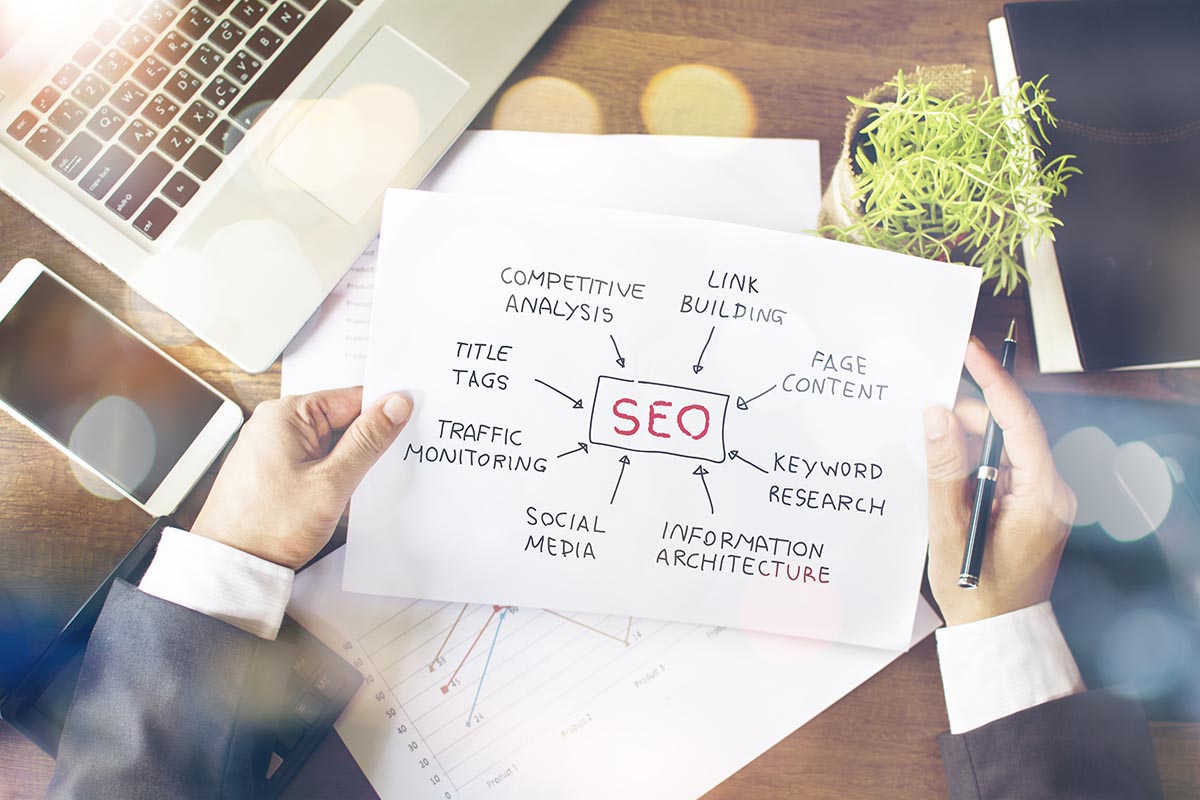
Google’s AI Overviews don’t replace SEO—they raise the bar.
AI Overviews pull information from multiple trusted sources to answer questions directly on the results page.
If your content is clear, structured, and authoritative, it can become one of those sources—even if users don’t click immediately.
To optimize for AI Overviews, your content must:
Answer questions directly and early;
Use clear language, not jargon;
Break down complex ideas step by step;
Include definitions, explanations, and context;
Demonstrate first-hand understanding;
AI doesn’t reward fluff. It rewards clarity.
If your content can be summarized accurately without distortion, you’re doing SEO right.
The Biggest Reason Most DIY SEO Fails Is That People Skip the Awareness Stage Entirely
Most DIY SEO attempts fail because they focus only on ranking, not on how people search.
Search journeys almost always start with awareness:
“What is…”
“How does this work?”
“Why does this matter?”
“Is this worth it?”
If you only target transactional or competitive keywords, you’re missing the majority of real search behavior.
Awareness-stage content:
Attracts first-time visitors;
Builds topical authority;
Feeds AI Overviews;
Supports long-term rankings;
This is where small sites can outperform large ones.
Writing Content That AI and Humans Trust Starts With Showing Real Experience, Not Just Information

In 2026, experience is the differentiator.
Anyone can summarize information. Search engines know this. AI knows this. Users feel it immediately.
To demonstrate experience:
Explain why something works, not just what it is;
Include practical insights and trade-offs;
Acknowledge limitations and common mistakes;
Write as someone who has actually done the thing;
This directly supports E-E-A-T and makes your content safer for AI systems to surface.
If an AI overview pulls from your page, it needs to trust that the information won’t mislead users.
Using AI Tools the Right Way Helps DIY SEO Scale Without Killing Credibility
AI should support your thinking, not replace it.
The best DIY SEO uses of AI in 2026 include:
Expanding keyword variations and questions;
Structuring long-form content logically;
Improving clarity and readability;
Generating summaries and FAQs;
Identifying gaps in existing content;
The worst use is publishing raw AI output.
Search engines increasingly detect and devalue content that feels generic, repetitive, or disconnected from real experience.
Think of AI as an assistant—not the author.
User-Generated Content Has Become One of the Strongest Trust Signals Search Engines Look At
UGC matters because it proves people actually interact with your content.
Comments, questions, reviews, and discussions:
Add natural language variation;
Expand keyword coverage organically;
Improve freshness signals;
Increase time on page;
Strengthen trust;
From an AI Overview perspective, UGC also helps validate that your content reflects real user needs—not just theory.
Encourage it intentionally:
Ask questions at the end of articles;
Invite feedback or personal experiences;
Respond thoughtfully;
Use FAQs sourced from real users;
This is DIY SEO that compounds over time.
Modern Link Building Is About Being Referenced, Not Exchanged

Link exchanges, directories, and scripts are no longer viable strategies.
What works instead is being useful enough to reference.
Links now come from:
Cited explanations;
Original frameworks or checklists;
Clear definitions others quote;
Community discussions;
Resource-style content.
If someone can explain a concept better by linking to you, that’s the kind of link search engines trust.
AI systems trust those links too.
Structuring Content So AI Overviews Can Use It Without Misunderstanding You Is a Real Skill
If you want visibility in AI-powered search results, structure matters.
Helpful structure includes:
Clear headings written as full explanations;
Short, direct answers near the top;
Logical progression of ideas;
Bullet points where clarity improves understanding;
Simple language without oversimplifying meaning;
Avoid burying the answer halfway down the page.
AI Overviews favor content that respects the reader’s time.
Why DIY SEO Still Works Better Than Ever If You Stop Chasing Tricks
DIY SEO works in 2026 because:
Search engines reward usefulness;
AI favors clarity and trust;
Small creators can move faster;
Experience beats scale;
Authentic content compounds.
You don’t need to outspend big brands. You need to out-help them.
Final Thought: If Your Content Helps AI Explain Something Correctly, You’re Winning at SEO
The best way to think about modern SEO is this:
If an AI system summarized your page for millions of people, would you trust it to represent you accurately?
If the answer is yes, your SEO is strong.
DIY SEO isn’t about hacking algorithms anymore. It’s about building content that deserves to be surfaced—by humans and machines.
That’s not harder. It’s just more honest.