Practical Ways to Save Money at Home
✨Key Points
- Review bills and subscriptions before cutting expenses that improve your quality of life.
- Repairing leaks and reducing energy waste can produce measurable savings.
- Move every amount saved toward a specific goal so it is not spent elsewhere.
Saving money at home does not mean giving up everything you enjoy.
It means finding expenses that provide little value and fixing the everyday habits that quietly increase your bills.
According to the U.S. Bureau of Labor Statistics, housing represented 33.4% of average household spending in 2024.
Before making major sacrifices, start with costs you can control:
- Compare utility bills with the same months from the previous year.
- Review subscriptions and cancel services you rarely use.
- Plan meals around food already in your refrigerator and pantry.
- Check faucets, toilets, windows, and doors for leaks.
- Transfer the money you save directly into savings or debt payments.
Small home repairs can deliver measurable results.
The EPA reports that fixing common household leaks can reduce water bills by approximately 10%.
As EPA expert Dr. Andrew Sawyers explains, “Common water leaks around your home include worn toilet flappers, dripping faucets, and leaking showerheads.”
Energy improvements can also make a difference.
The U.S. Department of Energy calls better insulation “one of the fastest and most cost-effective ways to reduce energy waste.”
It also estimates that adjusting the thermostat for eight hours daily can reduce annual heating and cooling costs by as much as 10%.
Although making financial decisions for the family can feel overwhelming, these realistic changes can create room for emergency savings, debt repayment, and the experiences that matter most.
Become Your Own Barista

A daily coffee may feel like a small expense, but it adds up quickly.
For example, buying a $6 coffee five times a week costs approximately $1,560 per year.
If a homemade cup costs around $1, the same routine costs about $260—a potential difference of $1,300.
You do not need an expensive espresso machine to start making coffee at home.
A French press, pour-over dripper, or basic coffee maker can produce excellent results.
Create an easy home coffee station with:
- Your preferred coffee beans or grounds;
- A reusable filter or affordable brewing device;
- A small handheld milk frother;
- Cinnamon, caramel, vanilla, or cocoa;
- A reusable travel mug for busy mornings.
Prepare the supplies the night before to make the routine as convenient as visiting a coffee shop.
You can still enjoy coffee shops occasionally for the atmosphere and social experience—just make them an intentional treat instead of an automatic daily expense.
Replace Takeout With Ready-to-Heat Meals
Takeout often becomes the default when you are tired, short on time, or unsure what to cook.
According to the U.S. Bureau of Labor Statistics, American households spent an average of $3,945 on restaurant, delivery, and takeout meals in 2026.
Meal planning does not have to mean cooking an entire week’s food at once. Start with a simple system:
- Plan three or four dinners rather than seven complicated meals.
- Choose recipes that share ingredients to reduce waste.
- Cook double portions and freeze half for another evening.
- Keep quick options such as soup, pasta, rice, or frozen vegetables available.
- Use one weekly “leftovers night” before buying more groceries.
Casseroles, soups, curries, and pasta sauces freeze and reheat particularly well.
Having a few ready-to-heat meals available removes the effort from busy evenings, making it easier to save money without relying on willpower.
Improve Your HVAC Efficiency
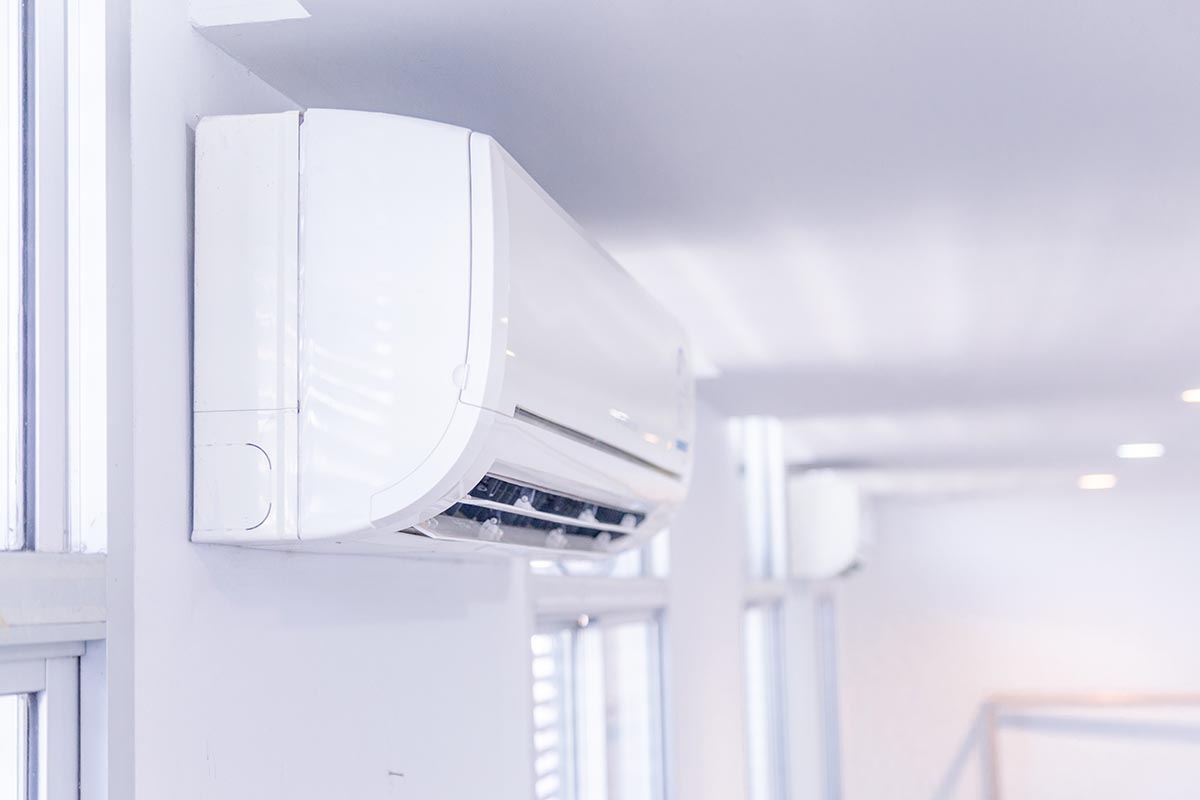
Heating and cooling are among the largest energy expenses in a home.
ENERGY STAR estimates that nearly half of the average household’s annual energy bill goes toward maintaining a comfortable indoor temperature.
Before replacing your entire HVAC system, arrange a professional inspection to determine whether maintenance, duct repairs, insulation, or a new thermostat could solve the problem.
ENERGY STAR also warns that “bigger is not always better,” because an oversized system may cycle too frequently, waste energy, and provide poor humidity control.
Start with these practical steps:
- Replace or clean HVAC filters according to the manufacturer’s instructions.
- Schedule a professional tune-up at least once a year.
- Seal and insulate accessible ductwork; ENERGY STAR says this can improve system efficiency by up to 20%.
- Install an ENERGY STAR-certified smart thermostat, which saves approximately 8% on heating and cooling bills on average.
- Consider replacement if an air conditioner or heat pump is over 10 years old, needs frequent repairs, or no longer heats and cools evenly.
If replacement is necessary, ask a qualified contractor to calculate the correct system size and compare estimated operating costs, not just purchase prices.
The most expensive unit is not automatically the best choice for your home.
Review Your Memberships and Subscriptions
Subscriptions are easy to start and equally easy to forget, especially when payments renew automatically.
Even three unused services costing $15 each add up to $540 per year.
Complete a simple subscription audit every three months:
- Review the previous 90 days of bank and credit-card transactions.
- List every streaming service, app, membership, software plan, and free trial.
- Cancel anything you have not used within the past month.
- Downgrade plans when you do not use their premium features.
- Rotate streaming services instead of paying for all of them simultaneously.
- Set calendar reminders before annual renewals and free trials expire.
Do not cancel something that genuinely improves your health, productivity, or relationships simply because it costs money.
The goal is to eliminate subscriptions that no longer provide real value and redirect those savings toward priorities you care about.
Make Simple Cleaners at Home
You do not need a separate product for every surface. For routine cleaning, soap and water can remove most dirt and germs, according to the CDC.
Basic ingredients such as diluted vinegar or baking soda may also handle certain everyday cleaning jobs at a low cost.
Use homemade solutions carefully:
- Clean mirrors and windows with diluted white vinegar and water.
- Use baking soda as a gentle abrasive on suitable sinks and cookware.
- Test every solution on a small, hidden area first.
- Avoid vinegar and lemon juice on marble, granite, and other acid-sensitive stone.
- Label homemade products and keep them away from children and pets.
- Never mix bleach with vinegar, ammonia, or any other cleaner.
You can make your own cleaners for certain routine tasks, but homemade products are not automatically safer or effective disinfectants.
The CDC advises using a suitable disinfectant when someone at home is sick and following its label exactly.
This balanced approach can reduce unnecessary purchases without compromising health or damaging household surfaces.