How Smart Technology Is Transforming Communication in Modern Amusement Parks
✨Key Points
Technology is now central to amusement park experiences, not just an add-on to traditional rides.
Digital innovation improves both guest enjoyment and operational efficiency, from safety to crowd flow.
As the industry grows, technology-driven attractions will define which parks stay competitive.
Amusement parks have always been about thrills, but the way those thrills are created has changed dramatically.
What used to rely mainly on mechanical rides like roller coasters and Ferris wheels is now powered by advanced technology designed to deliver deeper, safer, and more immersive experiences.
Today’s amusement parks invest heavily in digital innovation.
According to industry data, the global amusement and theme park market is expected to exceed $70 billion, driven largely by technology that enhances guest experience, improves safety, and increases operational efficiency.
Parks are no longer competing only on ride count they compete on experience.
Modern amusement park technology focuses on immersion, personalization, and smart systems.
Visitors benefit from shorter wait times, more interactive attractions, and experiences that feel customized rather than one-size-fits-all.
Behind the scenes, operators use advanced tech to monitor rides, manage crowds, and improve safety in real time.
As technology adoption accelerates, guests can expect:
More immersive and interactive attractions;
Smarter crowd management and reduced wait times;
Enhanced safety systems powered by real-time data.
Experiences that blend physical rides with digital storytelling.
Innovation in amusement parks is no longer optional—it is the reason people return.
Below are three major technologies shaping the modern amusement park experience today and into the future.
Interactive Technology
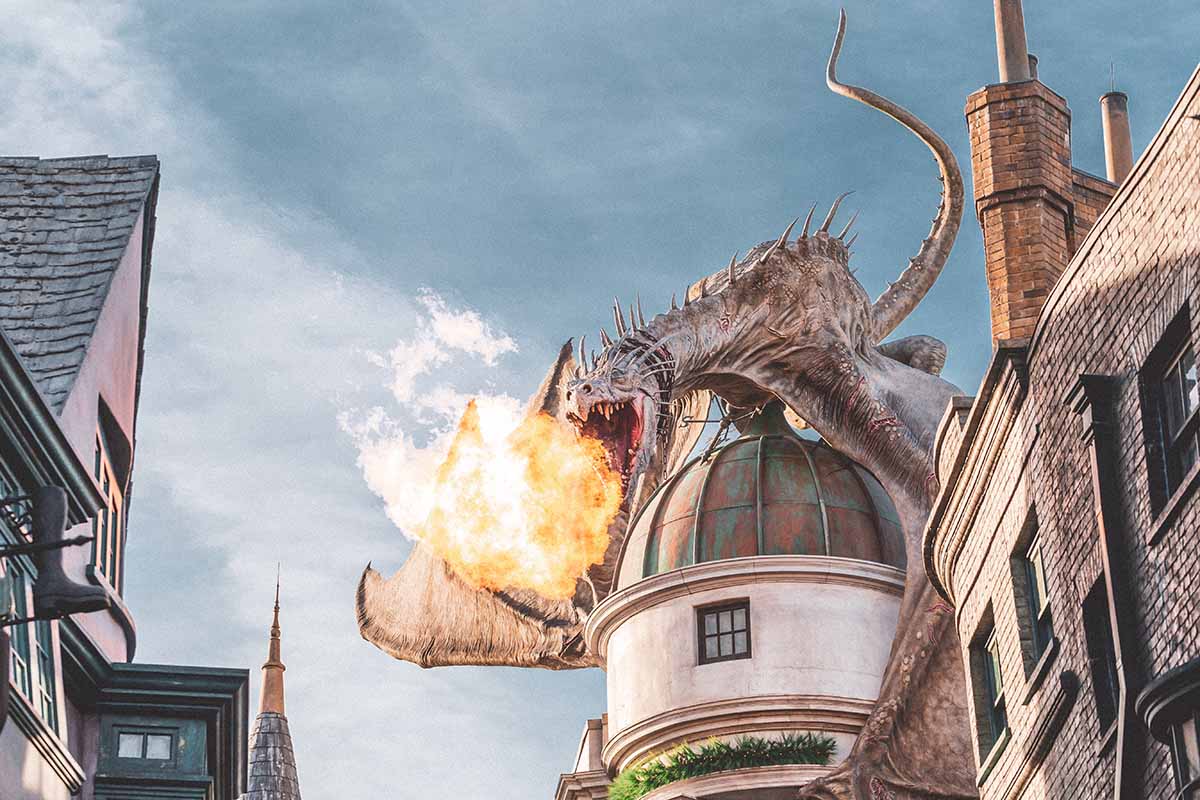
In 1995 when Disneyland first opened its doors, Walt Disney relied on filmmaking techniques to bring the rides to life.
Subsequently, this park, among others, incorporated technologies such as animatronics, robotics, and projected imagery to create a sense of virtual reality.
As such, interactive technology is now in the middle of nearly every ride experience.
According to the International Association of Amusement Parks, interactive technological innovation will evolve to allow fans to connect directly with characters.
This immersive experience compares to being in an exceedingly moving picture.
Undoubtedly, the social experience will make guests want to come back often, boosting attendance.
Wearable Technology
Every set of amusement park technology predictions includes wearable technology.
That being said, wearable gadgets like fitness trackers, smartwatches, and the MagicBand, are a big success that will stimulate further developments.
For example, on Legoland’s Ninjago ride, wearable technology makes the rider’s body serve as their controller.
Likewise, MagicBands are another set of wearable technology that is growing in popularity.
They comprise small antennae and a high-frequency radio device.
The antennae come in handy for the detection of the MagicBand in short-range touchpoints. On the other hand, the radio device communicates across longer distances.
Using the MagicBands, visitors can touch in at the gates, pay for merchandise, and open room doors.
Contactless tech plays a significant role in the entertainment industry.
Similarly, the bands are an excellent example of how parks use various technology integrations to create great memories for visitors.
Whether they want to participate in thrill rides or access their resort rooms, the experience is frictionless.
Also, the park management can stream real-time data about the activities the guests are engaging in and when.
All the same, there is still room for creativity in wearable amusement park technology.
For example, Nike has brought about a warm-feeling narrative around its wearable. With time, theme park operators will use their storytelling, excitement-generating, myth-making talents to infuse new electricity into wearables.
As wearable technology advances, it will make visits more enjoyable, creating heaps of valuable engagement.
Digital Signage
Digital displays have unlimited applications for theme parks.
Amid COVID-19, this technology plays a significant role in keeping guests safe and informed.
Besides, it has been an excellent way to bring old theme park attractions to life.
In situations where static signage fights so hard to be noticed, digital signage remains the best choice.
With customizable options from Signs & Printing, parks can update messaging instantly while maintaining a cohesive and immersive visual experience.
Undoubtedly, it provides seamless flexibility for use within all areas of the park.
From Magic Kingdom at the Walt Disney World, Lotte World to Six Flags Great Adventure, all these areas can benefit from digital signage:
Reduces Perceived Waiting Times
Research consistently shows that visitors tend to overestimate how long they have been waiting, especially in busy, high-energy environments like amusement parks.
When guests feel stuck or uninformed, frustration builds quickly—leading to common issues such as queue-jumping, crowding, and negative guest feedback.
These wait-time frustrations are among the most frequent complaints at amusement parks, even when actual wait times are reasonable.
Digital displays help reduce this problem by shifting how guests experience time. Instead of standing idle, visitors stay engaged and informed.
LED digital signage can:
Display estimated wait times and queue progress, setting clear expectations;
Show ride previews, videos, and animations, keeping guests entertained;
Play music and themed content that matches the attraction experience;
Promote park events, dining, or nearby attractions, helping guests plan their next stop.
When guests are engaged and informed, waiting feels shorter—even if the actual time stays the same.
This reduces frustration, improves crowd behavior, and leads to a smoother overall park experience.
In modern amusement parks, managing how time feels is just as important as managing time itself.
Improves Communication
Modern amusement and theme parks are no longer just about rides—they are complex, fast-moving environments where clear communication directly shapes the visitor experience.
Guests want timely information so they can plan their day, avoid frustration, and make the most of their visit.
This is where digital signage and real-time displays make a big difference.
Instead of relying on static signs or staff alone, parks can communicate instantly and consistently across the entire venue.
Digital signage helps parks:
Show real-time ride availability and wait times, helping visitors decide where to go next and reducing crowd congestion;
Display ride closing times or temporary delays, setting clear expectations and avoiding confusion;
Provide parking availability and directional guidance, making arrival and exit smoother;
Share weather updates and safety notices, allowing guests to adjust plans quickly;
Highlight show schedules, parades, and special events, so visitors don’t miss key attractions.
When guests have access to clear, up-to-date information, they feel more in control of their experience.
This reduces stress, improves crowd flow, and increases overall satisfaction—while also helping parks operate more efficiently behind the scenes.
Clear communication is no longer a nice extra. In today’s amusement parks, it is essential to delivering a smooth, enjoyable, and memorable visit.
Technologies at the Amusement Park: Helps in WayFinding
Navigation can get in the way of the fun that visitors want to have in the amusement parks.
However, digital signage can reduce the time it takes for people to find their way.
Interactive wayfinding kiosks endowed with intuitive touchscreen maps can make things easier.
Furthermore, wayfinding software shows people where they are and recommends the most accessible routes to where they are going.
Replacing paper maps with digital signage solutions saves time and money for everyone involved.