How Pharmaceutical Packaging Is Changing in 2026
✨Key Points
Pharmaceutical packaging is becoming smarter and more connected. In 2026, smart packaging with QR codes, RFID, and digital tracking is improving drug authentication, supply-chain visibility, and patient engagement while helping combat counterfeiting.
Sustainability and patient-centric design are no longer optional. Eco-friendly materials, recyclable formats, easier-to-open designs, and clearer labeling are now essential to meet regulatory expectations and improve patient adherence and trust.
Packaging plays a critical role in safety, compliance, and global distribution. Advanced barrier protection, compliance-focused packaging, automation, and regulatory harmonization are shaping how medicines are protected, labeled, and delivered worldwide.
Unprecedented strides have been made in the medical and pharmaceutical industries over the past several years.
Some advancements have sparked debate and public concern, while others have quietly transformed how medicines are developed, delivered, and used.
One area seeing especially rapid evolution is pharmaceutical packaging.
Often overlooked by patients, packaging plays a critical role in safety, compliance, distribution, sustainability, and trust.
As we move into 2026, pharmaceutical packaging is no longer just a container—it’s an active participant in patient care and supply chain integrity.
Below are the pharmaceutical packaging trends that are shaping the industry’s landscape in 2026, along with why they matter and how they’re influencing manufacturers, regulators, and patients alike.
Smart Packaging Goes Mainstream
Smart packaging is no longer experimental—it’s becoming standard for high-value and sensitive medications.
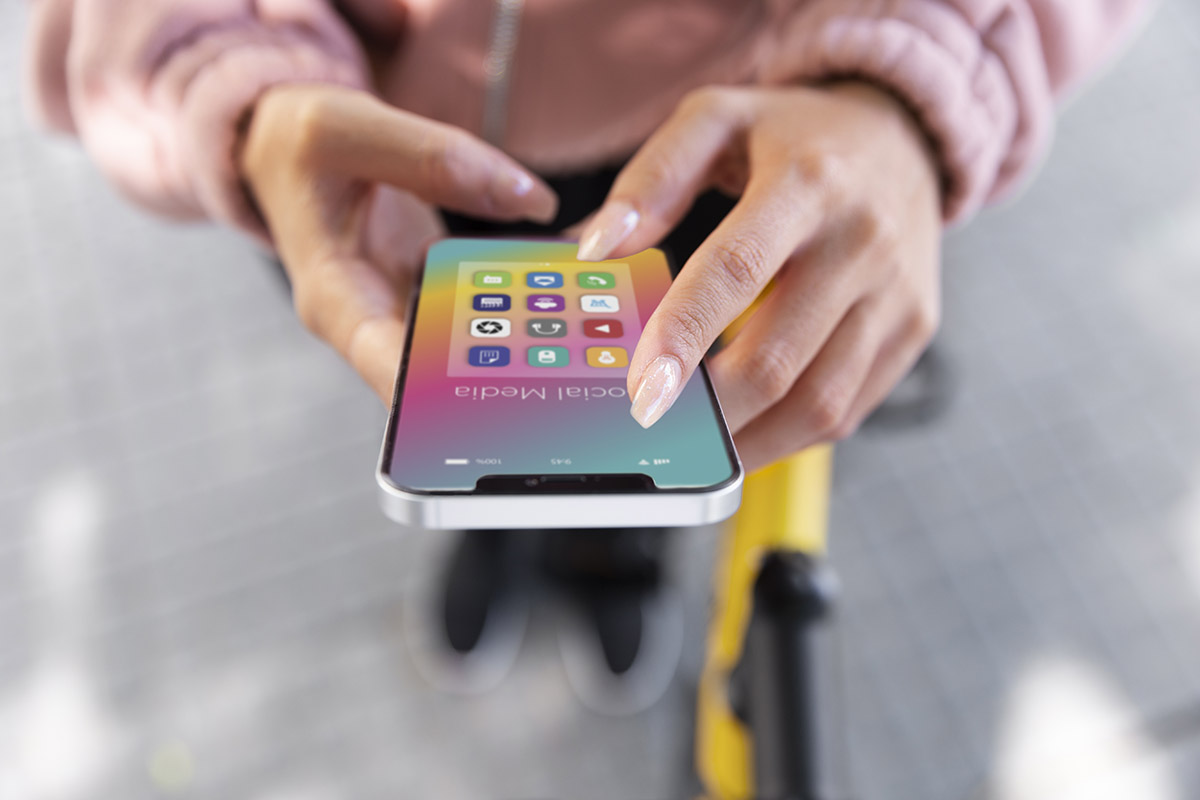
In 2026, more pharmaceutical companies are integrating digital features such as QR codes, NFC chips, and RFID tags directly into packaging. These technologies serve multiple purposes, including authentication, traceability, and patient engagement.
Key applications of smart pharmaceutical packaging include:
Anti-counterfeiting protection through serialized tracking;
Real-time supply chain monitoring for temperature and handling;
Patient access to digital instructions and videos via QR codes;
Improved recall efficiency through batch-level traceability.
Regulators and organizations like the World Health Organization continue to emphasize traceability as a critical defense against counterfeit drugs, especially in international markets.
For patients, smart packaging adds reassurance. A quick scan can confirm authenticity, dosage instructions, and even expiration status—reducing misuse and anxiety.
The Expanding Role of Pharmaceutical Packaging
Pharmaceutical packaging has shifted from a purely functional necessity to a strategic asset.
It must protect sensitive formulations, ensure patient safety, meet regulatory standards, and support increasingly global supply chains.
At the same time, packaging now plays a role in brand credibility and patient experience.
In a market where trust is everything, packaging design and performance directly affect how medicines are perceived and used.
This broader role sets the stage for the major trends emerging in 2026.
Packaging Automation
Generally speaking, packaging automation isn’t exactly a new development.
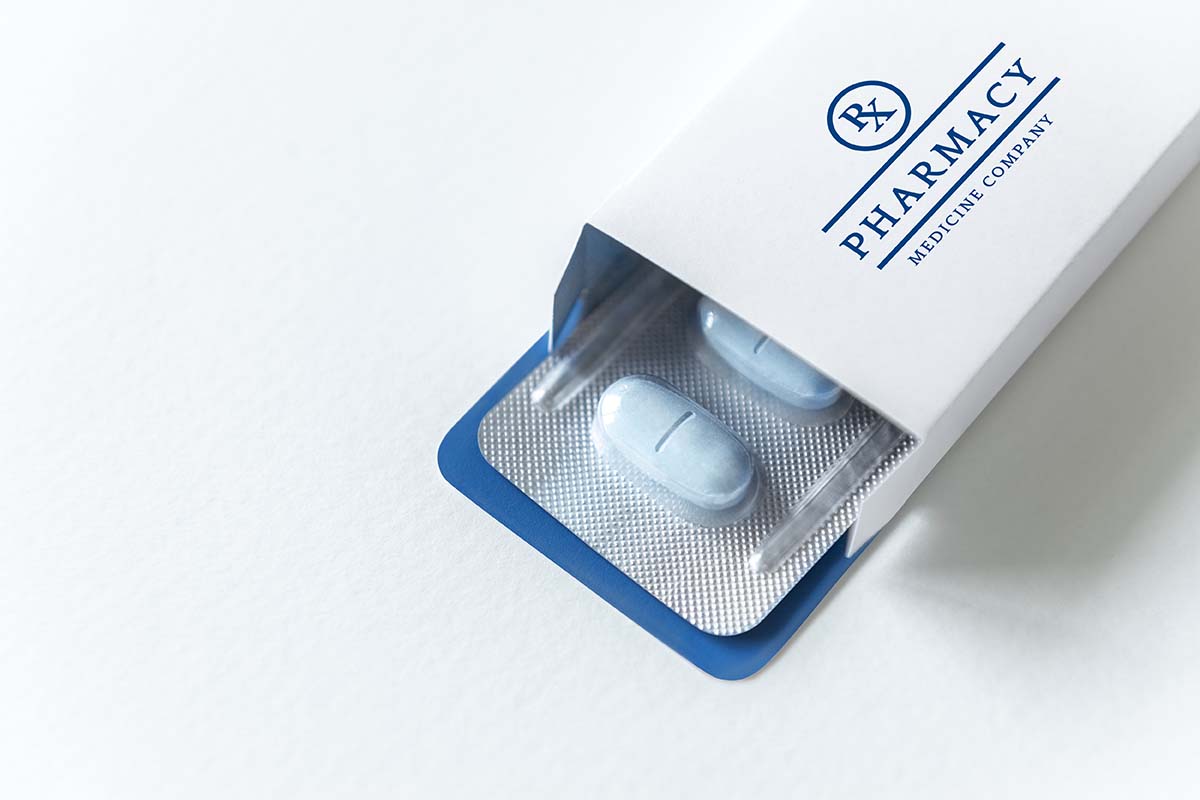
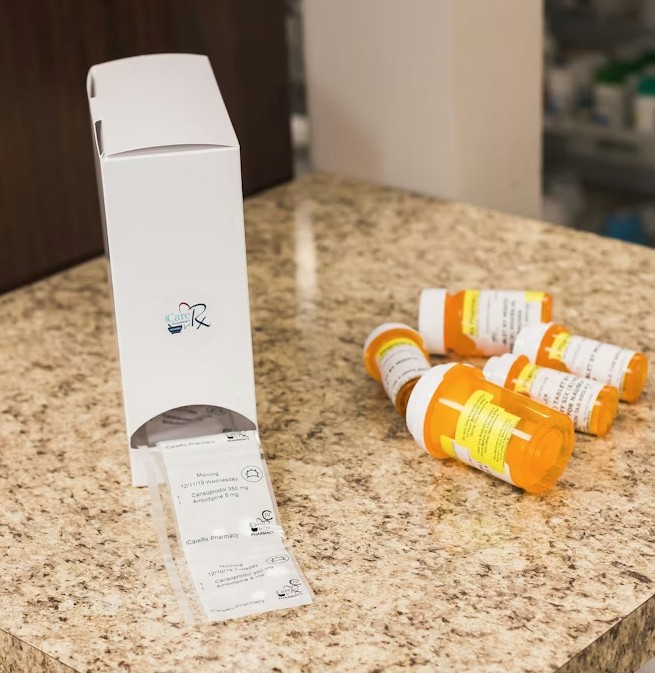
Equipment that places medications into bottles and blister packs has been around for quite some time. That being said, modern-day Pharmacy Packaging Machines are taking matters to new heights.
They’re covering all the bases, from filling and sealing to ensuring medications are properly blended and labeled.
User-Friendly Packaging
Pharmaceutical packaging is also set to become more user-friendly during the months and years to come.
This is an essential step for the industry to help ensure consumers can use pharmaceutical products correctly, safely, and effectively.
From more detailed dosage information on the labeling to proper disposal techniques, packaging is certainly becoming more oriented to the needs of everyday people.
Efficient Packaging Materials and Techniques
Efficiency in the packaging sector is also trending these days.
This covers several aspects, not the least of which are packaging materials and strategies.
If recent developments are any indication, there’s certainly going to be a greater need for faster, simpler packaging techniques to get pharmaceuticals into the hands of the public more quickly.
At the same time, pharmaceutical companies will be under greater pressure to make the most of the resources available to them and reduce waste.
Environmentally Friendly Packaging
Environmentally friendly packaging is also rising to the forefront.
As natural resources for making packaging materials continue to wane, finding more sustainable solutions is important. Additionally, creating packaging via processes that leave a smaller footprint is also becoming far more essential.
This is crucial for all industries, but the pharmaceutical sector faces unique challenges due to the compassionate nature of the products in question.
Improved Tracking Via Nanotechnology
Over the years, counterfeiting and misuse of medications have become major issues. Nanotechnology is set to become a key player in mitigating those problems.
It can allow manufacturers and pharmacies alike to track pharmaceutical products and gain more control over where they’re going and how they’re being used.
Smart Technology
Smart technology is also expected to become more prominent in pharmaceutical packaging.
This is guaranteed to branch out in many directions during the years to come.
Smart technology can indicate when medications have passed their expiration dates or been exposed to moisture or extreme temperatures.
It can also give pharmacies and stores more effective ways of managing their inventories and preventing shortages.
Those are only a couple of the possibilities.
Looking Ahead: Why Packaging Matters More Than Ever
Pharmaceutical packaging in 2026 sits at the intersection of science, regulation, technology, and patient care.
It must do far more than protect pills—it must communicate, verify, guide, and reassure.
The trends shaping the industry reflect a broader shift toward transparency, responsibility, and patient-centered thinking.
Smart features build trust. Sustainable materials protect the planet. Thoughtful design supports better health outcomes.
As the pharmaceutical landscape continues to evolve, packaging will remain a silent but powerful force—shaping how medicines move through the world and how patients experience them.
For manufacturers, regulators, and healthcare providers alike, staying ahead of these packaging trends is no longer optional.
It’s essential to meeting the demands of modern medicine in 2026 and beyond.