Smartwatches in 2026: Why Wristwatches Are Now Essential Everyday Tech
✨Key Points
- Modern wristwatches combine health tracking, communication, and productivity in one device.
- Smartwatches reduce phone dependency while improving daily efficiency.
- Buyers now choose watches based on features, battery life, and lifestyle fit, not just design.
Wristwatches are no longer just about telling time—they’ve become one of the most practical pieces of everyday technology.
What used to be a simple accessory is now a tool that helps you stay connected, track your health, and manage your day without constantly reaching for your phone.
In fact, the global smartwatch market continues to grow rapidly, with millions of users relying on watches for fitness tracking, notifications, and even calls.
Today’s watches combine style with real functionality. You can:
- make and receive calls directly from your wrist;
- track heart rate, sleep, steps, and overall health;
- receive messages, reminders, and app notifications;
- monitor workouts and performance in real time.
This shift is important because people are looking for convenience and efficiency.
Instead of checking your phone dozens of times a day, a smartwatch lets you stay informed with less distraction.
When choosing a modern watch, people now think beyond looks.
What matters more is:
- battery life and performance;
- compatibility with your phone and apps;
- health and fitness tracking features;
- comfort for everyday wear.
For example, devices like the huawei watch show how far this technology has come, combining sleek design with advanced features that support both lifestyle and productivity.
In simple terms, wristwatches have evolved from accessories into personal assistants on your wrist, and that’s why they’ve become so relevant again.
Phone Watches: Stay Connected Without the Phone
Not long ago, making calls from your wrist felt like something out of a sci-fi movie.
Today, phone watches are becoming part of everyday life, and for a good reason.
People want to stay connected without constantly checking their phones, and that’s exactly what modern phone watches offer.
You can make and receive calls, check messages, and stay updated while keeping your hands free and your focus where it matters.
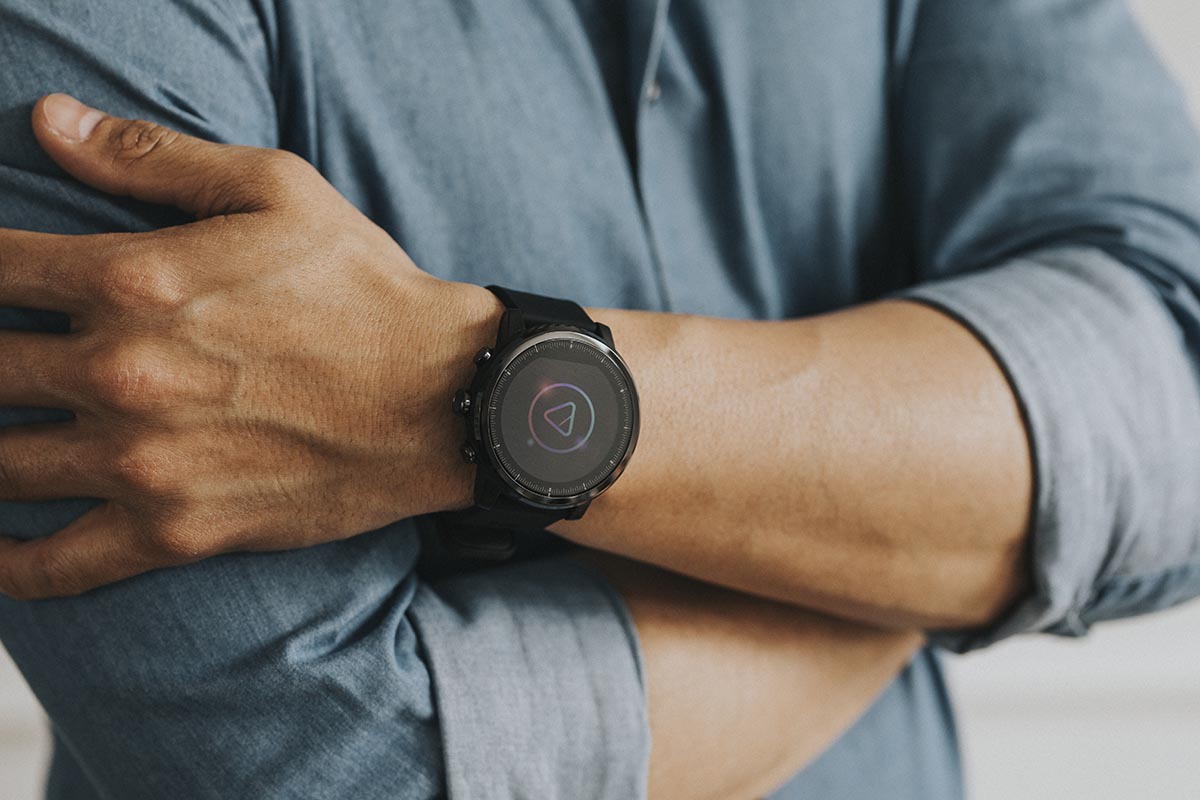
What’s also changed is the design. Early models looked purely technical, but now brands are blending functionality with style.
Some watches keep a minimal, classic look until the screen lights up, while others lean into a more modern, tech-forward aesthetic.
The result is simple, you don’t have to choose between looking good and staying connected.
Phone watches are no longer just a novelty.
They’re a practical upgrade for anyone who wants mobility, convenience, and a more seamless daily routine.
Wireless Charging: Convenience Without the Cables
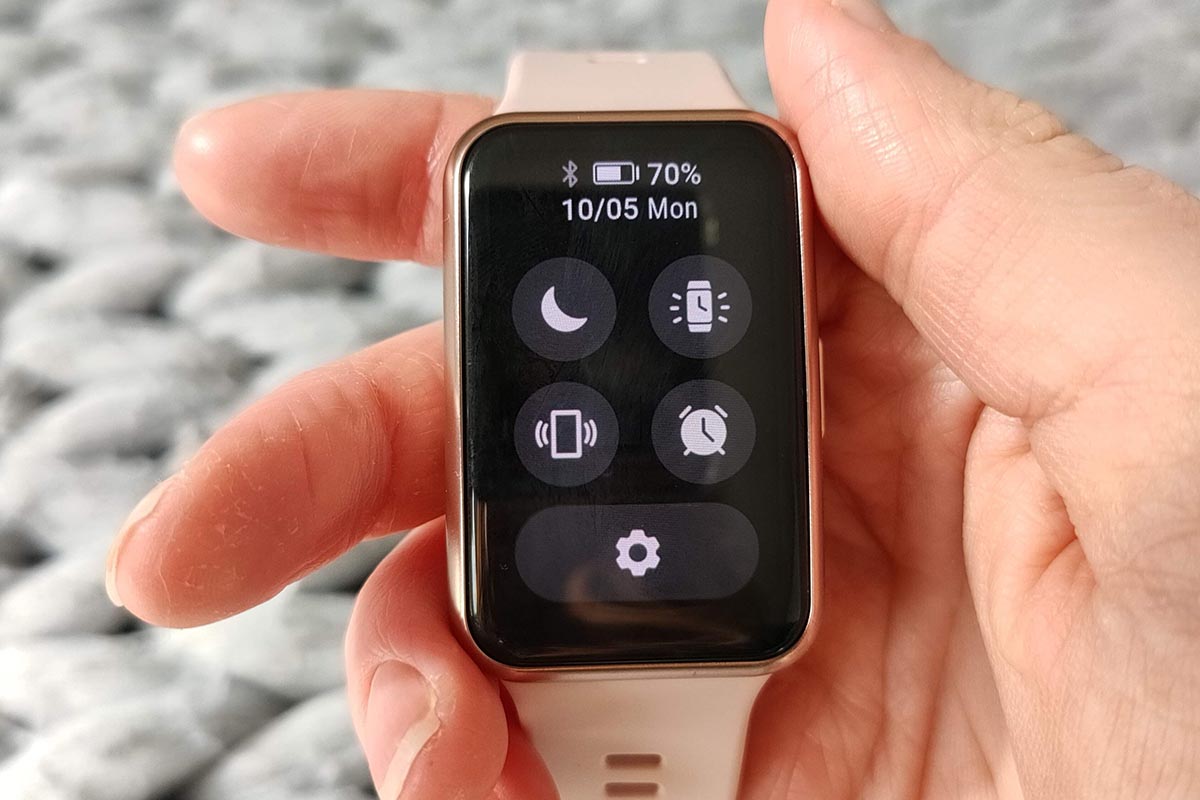
Charging used to mean being tied to a cable and a nearby outlet, but today, wireless charging is changing how we power our devices, including modern wristwatches.
Instead of plugging in, you simply place your watch on a charging pad, and it starts charging automatically.
This works through magnetic fields that transfer energy from the charger to the device’s internal coil, powering the battery without any physical connection.
This shift matters because people want simplicity and less friction in daily routines.
No cables to carry, no searching for the right charger, and no clutter on your desk or nightstand.
Wireless charging also solves practical problems:
- no worn-out cables or broken charging ports;
- fewer trip hazards and cleaner spaces;
- faster, more convenient charging habits.
As more devices adopt this technology, wireless charging is quickly becoming the standard.
For smartwatch users, it’s one more step toward a smoother, more effortless everyday experience.
Elegance: Where Design Meets Technology
No matter how advanced a watch becomes, how it looks still matters just as much as what it can do.
Today’s wristwatches are expected to deliver both, strong performance and strong design.
The best models don’t feel like gadgets; they feel like part of your personal style.
Modern watch design has evolved to balance technology with aesthetics.
Materials and colors like black, silver, and matte finishes give that clean, tech-forward feel while still looking timeless and wearable in everyday life.
What’s also important is how the watch looks in different states:
- Unlit – it should look like a classic, well-designed accessory;
- Lit up – the display should be sharp, vibrant, and easy to read.
When activated, colors like deep blues, greens, and reds don’t just look visually impressive, they improve visibility and usability, especially in low-light conditions.
✨The key shift is this:
technology is no longer separate from design, it’s part of it.
A well-designed smartwatch doesn’t just work well.
It feels right on your wrist, fits your lifestyle, and looks good whether you’re at the gym, at work, or out in the city.
Sapphire Watch Dials: Clarity and Durability That Lasts
Sapphire glass isn’t actually glass, it’s a high-performance material made from pure aluminum oxide, designed to be incredibly clear and extremely durable.
This matters because your watch face is the most exposed part of the device.
It’s constantly at risk of scratches, impacts, and everyday wear.
Sapphire solves that problem by offering one of the most scratch-resistant surfaces used in watches today.
What makes it stand out:
- Exceptional clarity – completely colorless, so the display underneath looks sharper and more vibrant.
- High scratch resistance – far more durable than standard glass or plastic.
- Premium feel – often used in higher-end watches because of its quality and longevity.
Because sapphire is free from natural impurities, it allows light to pass through cleanly.
That means when your watch display lights up, colors look brighter, details are sharper, and everything is easier to read even in different lighting conditions.
In simple terms, sapphire dials don’t just protect your watch, they improve the entire visual experience, making your device look better and last longer.
Oxygen Saturation Technology: Health Insights on Your Wrist
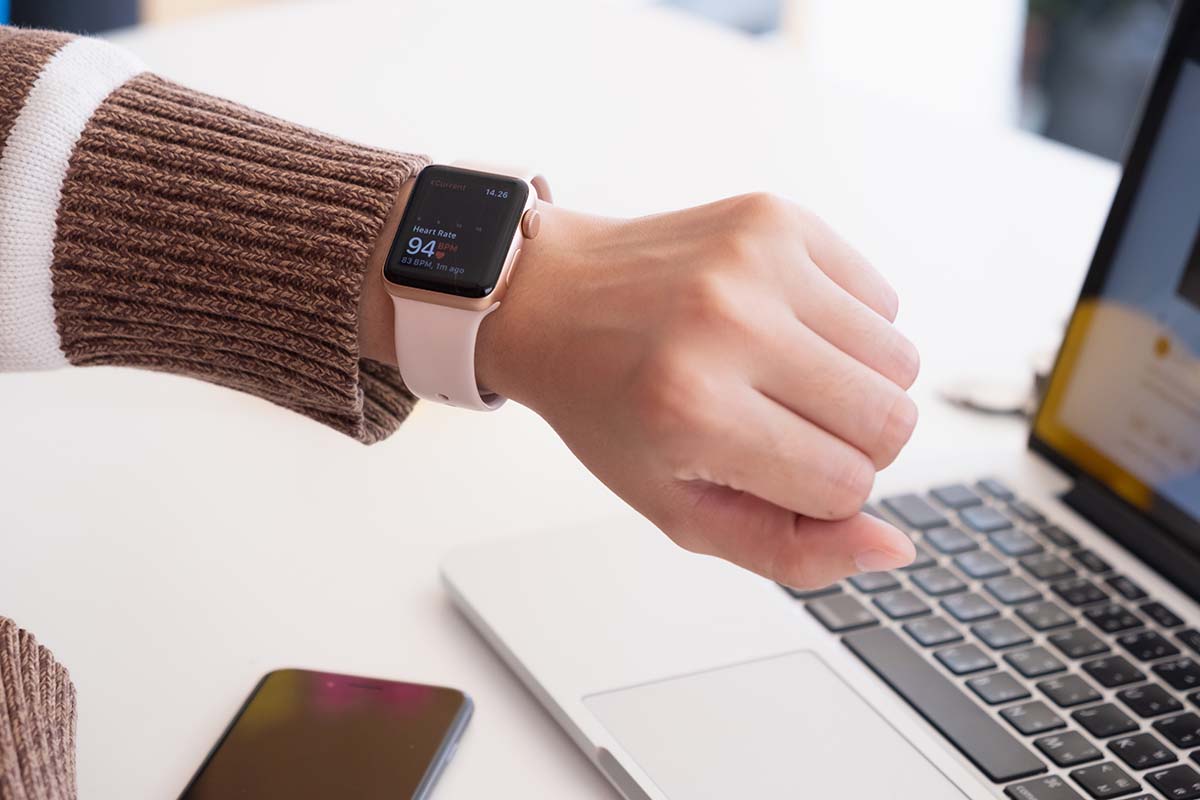
Modern wristwatches are no longer just about convenience, they’re becoming powerful tools for everyday health awareness.
One of the most valuable features today is oxygen saturation (SpO₂) tracking.
This technology measures how much oxygen your blood is carrying, which can give early insights into your overall well-being, recovery, and even potential health issues.
Smartwatches do this using light-based sensors.
They send red and infrared light into your skin, then analyze how that light reflects back from blood and tissue.
Based on this, the watch estimates your oxygen levels, quickly and non-invasively.
Why this matters:
- Early awareness – changes in oxygen levels can signal fatigue, stress, or potential health concerns;
- Daily health tracking – useful for sleep monitoring, workouts, and recovery;
- Proactive lifestyle – helps you notice patterns before they become bigger issues;
While smartwatch readings are not medical-grade and shouldn’t replace professional devices, they provide a valuable early signal that something may need attention.
Recent global health events, like COVID-19, made people much more aware of how critical oxygen levels are.
As a result, this feature has gone from “nice to have” to something many users actively rely on.
In simple terms, oxygen saturation tracking turns your watch into a daily health companion, helping you stay more informed and in control.
Sports & Fitness: Why Smartwatches Are Now Essential for Active Lifestyles
Smartwatches have become a key part of how people train, track progress, and stay consistent with their fitness, whether it’s snowboarding, skiing, gym workouts, or everyday movement.
Today’s devices often come with 100+ workout modes, allowing you to track different activities with much more accuracy and personalization.
But the real value isn’t just tracking, it’s understanding your body and improving performance over time.
With a smartwatch, you can:
- track daily steps, calories burned, and activity levels;
- monitor heart rate in real time during workouts;
- analyze sleep and recovery to avoid burnout;
- view long-term fitness trends and progress;
All of this works through seamless integration with mobile apps, turning raw data into insights you can actually use.
Instead of guessing, you can see what’s working and adjust your routine accordingly.
What makes this powerful is the behavioral impact.
When people see their progress, they’re more likely to stay consistent.
Setting goals, tracking performance, and comparing results over time creates motivation that’s hard to achieve otherwise.
Smartwatches also support a more balanced lifestyle.
They don’t just push performance, they help you understand recovery, stress, and overall health, which is just as important.
And at the same time, you’re not sacrificing style.
Modern smartwatches are designed to look just as good as they perform, clean, elegant, and wearable in any setting, whether you’re training, working, or going out.
In simple terms, a smartwatch today is more than a fitness tracker.
It’s a daily tool that helps you stay active, look good, and build a healthier routine without overcomplicating your life.