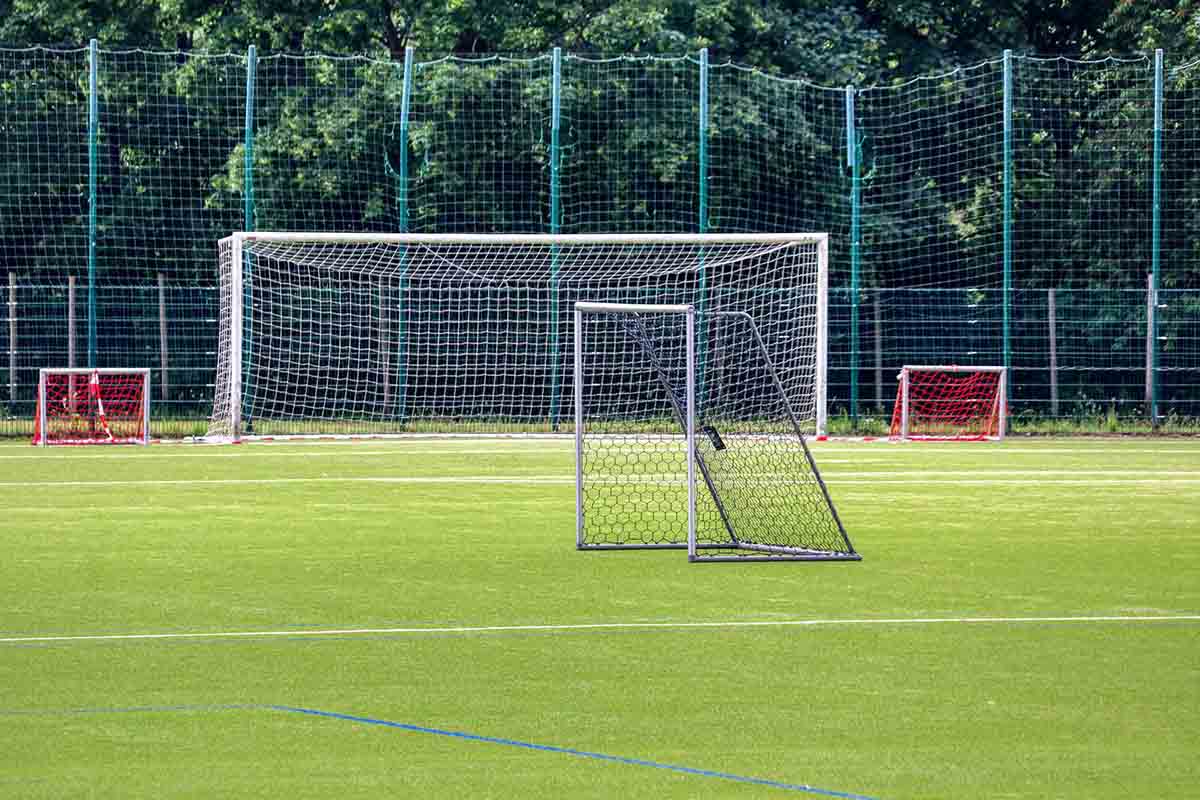
Sports Ground Fencing in 2026: Safety, Compliance, and Smart Design for Modern Facilities
✨Key Points
- Sports ground fencing protects players, spectators, and surrounding areas from injury and liability
- The right fencing depends on the sport, usage intensity, and local safety regulations
- Modern fencing solutions improve durability, noise control, and facility image
Running a sports facility today isn’t just about the game, it’s about safety, liability, and creating a professional environment people trust.
That’s why sports ground fencing is no longer optional, it’s a core part of your infrastructure.
Without proper fencing, you’re dealing with real risks: balls leaving the field, injuries to pedestrians, damage to nearby property, and even potential legal issues.
For facilities open to the public or located near roads or residential areas, this becomes even more critical.
At the same time, expectations have changed.
Players, parents, and visitors expect spaces that feel secure, organized, and well-maintained. High-quality fencing doesn’t just protect, it signals professionalism and builds trust in your facility.
What many facility owners miss is that there’s no one-size-fits-all solution.
The right fencing depends on:
- the type of sport (tennis, soccer, baseball, multi-use fields;)
- how often the facility is used (casual vs. high-traffic;)
- safety and local compliance requirements;
- noise levels and surrounding environment;
- long-term maintenance and durability needs.
Different sports require different specifications.
For example, ball containment, height, material strength, and visibility all vary depending on how the space is used.
Even within the same facility, fencing can differ between areas.
Modern fencing solutions now go beyond basic barriers. Many include:
- impact-resistant materials for high-intensity play;
- anti-climb and safety designs for public areas;
- noise-reduction features for urban locations;
- weather-resistant coatings for long-term durability;
- aesthetic designs that improve the overall look of the facility.
Understanding these options helps you make smarter decisions, not just based on cost, but on long-term value, safety, and user experience.
Because at the end of the day, the right fencing doesn’t just protect your space, it protects your reputation, your community, and your business.
Requirements of the facility
Consider the requirements of the facility before you select the fencing type.
For example, do you need to prevent the balls from going outside the playing area?
This is a common issue if the sports facility is a venue for netball, basketball, tennis, hockey, or football.
You may be thinking of installing a fence because the sports ground is close to a road, where a stray ball can cause an accident.
In addition, your location may be accessible to rabbits, foxes, and dogs that can dig and foul the area.
In such a case, you may need to bury part of the fence or set it in a concrete sill for increased protection.
You can get expert help from the likes of rtcfencing.co.uk and learn more about sports ground fencing.
The investment in a sports facility is sizeable, and it requires regular maintenance.
Therefore, limiting access only to authorized users after regular operating hours is necessary to ensure that the sports facility is in top condition, secure, and requires minimal maintenance costs.
Resistance to unauthorized entry
No matter how aesthetically pleasing your sports facility is, it should be resistant to thieves, vandals, and even animals and other forms of wildlife.
Therefore, the facility manager must think of the best way to protect the facility from intruders that can injure players, sports equipment, and other facilities.
Gates and fencing are therefore essential to prevent intruders.
Check out this website for additional information and learn what kind of fencing experts recommend.
Choosing the appropriate type of fencing
Today’s trend is to have a multi-use games area (MUGA), where you can integrate several sports, such as netball, basketball, football, hockey, and tennis.
As such, you need MUGA fencing options.
For the tennis courts, chain link fencing may be enough.
But for other games where the ball delivers a stronger impact, something more durable such as welded mesh systems is needed.
There are several options for sports ground fencing.
The facility manager must know which type will be the right match for the facility. The fencing should provide security and visual appeal. Moreover, its installation should be cost-effective, and its maintenance is minimal.