How to Make Your Home More Energy Efficient Without Wasting Money
✨Key Points
- Diagnose the house before buying products. Review energy use and locate drafts, insulation gaps, duct leaks, moisture problems, and inefficient equipment.
- Fix causes in the correct order. Address water and combustion safety first, then air sealing, insulation, HVAC performance, and appliance upgrades.
- Work within a realistic budget. Begin with improvements that solve a measurable problem, then compare energy use and comfort before spending more.
Many homeowners first notice an energy problem when the bill suddenly increases, but the daily frustration starts earlier.
The bedroom remains freezing even though the heat is running, the upstairs becomes unbearable in summer, windows feel drafty, and family members keep adjusting the thermostat without ever feeling comfortable.
Then comes another problem: knowing where to begin. Should you replace the windows, add insulation, buy a smart thermostat, repair the roof, or install a new HVAC system?
Contractors may recommend expensive upgrades, online advice often conflicts, and renters or homeowners with limited budgets cannot renovate everything at once.
Common struggles include:
- High bills without an obvious cause;
- Hot and cold rooms within the same house;
- Drafts around windows, doors, and attic access points;
- An HVAC system that runs constantly;
- Condensation, dampness, or mold near cold surfaces;
- A second floor that overheats during summer;
- Cold floors above garages or crawl spaces;
- Old appliances that are expensive to replace;
- Limited budgets and uncertainty about which upgrade will pay off;
- Energy improvements that fail because the original problem was misdiagnosed.
The most expensive solution is not always the most effective.
New windows will not fix leaking ducts, and a larger HVAC system will not solve missing insulation or uncontrolled air leakage.
The U.S. Department of Energy recommends beginning with a home energy assessment to identify the areas where energy is being lost.
ENERGY STAR estimates that air sealing and adding insulation in attics, accessible basement rim joists, and floors above crawl spaces can save a typical U.S. home an average of approximately 15% on heating and cooling costs.
Actual savings depend on climate, building condition, energy prices, and the quality of the work.
Energy efficiency is not only about lowering a number on a utility bill.
It can mean sleeping comfortably, reducing drafts, preventing moisture damage, placing less strain on heating and cooling equipment, and no longer feeling that part of your home is unusable during extreme weather.
Replace Frequently Used Bulbs With LEDs
Switching to LED lighting is one of the simplest efficiency upgrades because it requires little upfront work and delivers immediate savings.
According to the U.S. Department of Energy, residential LEDs use at least 75% less energy and may last up to 25 times longer than incandescent lighting.
When selecting LED bulbs, check:
- Lumens: Measures brightness and replaces wattage as the main comparison;
- Wattage: Shows how much electricity the bulb consumes;
- Color temperature: Around 2700K creates warm light; higher values appear cooler;
- Dimmability: Use dimmable LEDs with a compatible dimmer switch;
- Fixture rating: Choose bulbs approved for enclosed fixtures when necessary;
- Location rating: Use damp- or wet-rated products in bathrooms and outdoor areas;
- ENERGY STAR certification: Helps identify products tested for performance and reliability;
Do not replace a 60-watt incandescent bulb with a 60-watt LED.
Instead, match the brightness: a traditional 60-watt bulb produces roughly 800 lumens, while an LED can provide similar light using far less electricity.
LEDs also release less heat than incandescent bulbs, which may slightly reduce cooling demand in warm weather.
Start with lights used for several hours each day, such as kitchen, living-room, and outdoor fixtures, to see the greatest practical benefit.
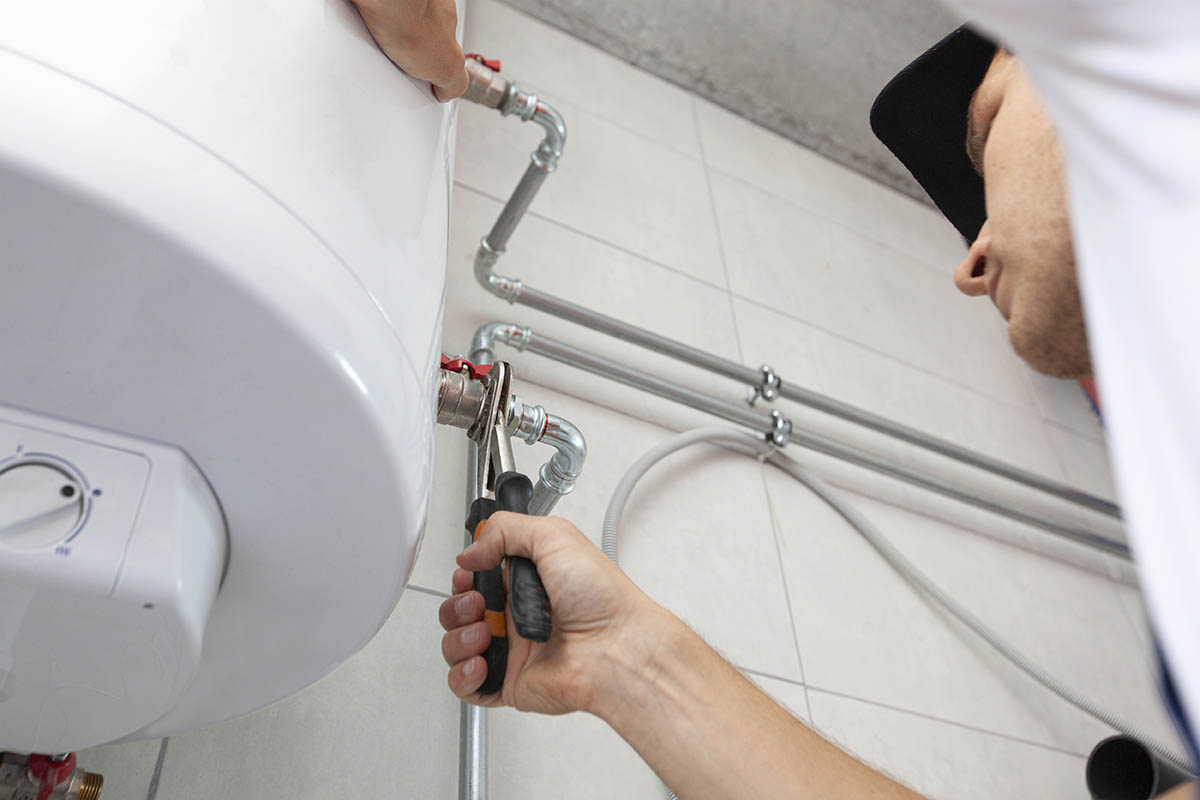
Upgrade Inefficient Appliances Strategically

Energy-efficient refrigerators, water heaters, heat pumps, and air conditioners can reduce household energy use, but replacing every working appliance at once may not deliver the best financial return.
Focus first on equipment that is old, failing, used frequently, or responsible for a large share of the utility bill.
Before upgrading, compare:
- Estimated annual energy consumption;
- EnergyGuide labels and ENERGY STAR certification;
- Purchase, installation, and maintenance costs;
- Appliance size and household capacity needs;
- Local electricity and fuel prices;
- Available rebates or tax incentives;
- Warranty coverage and expected service life;
- Repair cost and condition of the existing appliance;
Avoid promising universal savings of 50–70%.
Actual results depend on the age and efficiency of the old appliance, the replacement model, household habits, local climate, and energy rates.
Smart features can schedule operation, provide energy-use data, or respond to utility pricing, but a Wi-Fi connection does not automatically make an appliance efficient.
Compare its actual energy rating rather than relying on the word “smart.”
Ceiling fans can also improve comfort by moving air across the skin, allowing some households to rely less heavily on air conditioning.
Fans cool people, not empty rooms, so turn them off when everyone leaves.
Improve Insulation and Seal Air Leaks
Adding insulation can reduce heat loss in winter and slow heat gain in summer, but insulation performs best after air leaks and moisture problems are addressed.
Installing more material over gaps, roof leaks, or damp areas can hide the cause without solving it.
Inspect these common problem areas:
- Attic floor and access hatch
- Basement rim joists
- Floors above garages and crawl spaces
- Exterior walls
- Gaps around windows and doors
- Plumbing and electrical penetrations
- Ducts running through unconditioned spaces
- Recessed lights and bathroom exhaust openings
Start by repairing water leaks and arranging combustion-safety checks where fuel-burning equipment is present.
Then seal appropriate gaps with caulk, weatherstripping, or another material approved for that location before adding insulation suited to your climate and local building requirements.
Thermal curtains, cellular shades, and exterior shading can improve comfort around large or tall windows, but they will not repair failed seals or damaged frames.
Keep curtains away from heaters and ensure window condensation does not become trapped behind them.
Do not block attic ventilation, cover incompatible recessed lights, or seal around chimneys and flues with ordinary foam.
These areas may require heat-resistant materials and professional installation.
Done in the correct order, air sealing and insulation can reduce drafts, create more consistent room temperatures, and help heating and cooling equipment work less.
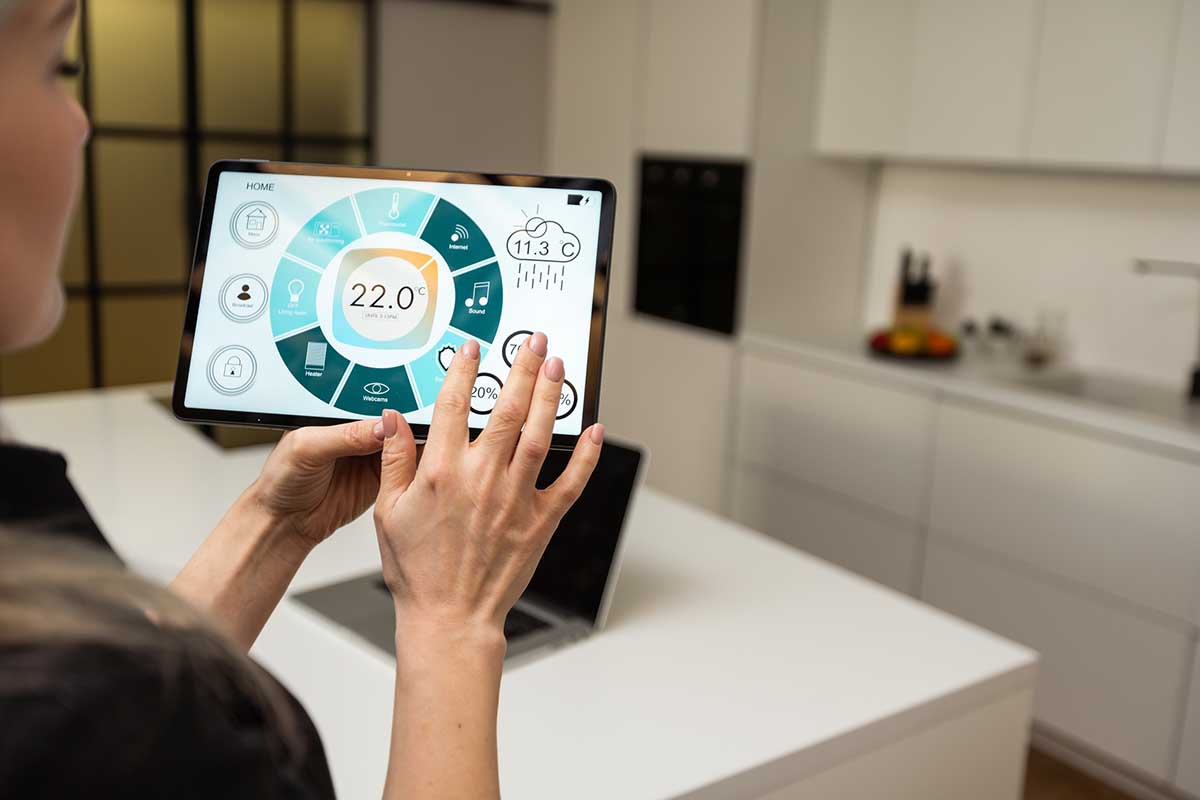
Add Timers and Smart Controls Where They Solve Real Waste
Timers, occupancy sensors, and programmable controls can reduce energy waste when lights or equipment regularly remain on longer than needed.
The greatest benefit comes from automating a repeated habit, not connecting every appliance to an app.
Useful options include:
- Motion sensors for closets, garages, and utility rooms;
- Timers for outdoor and decorative lighting;
- Programmable or smart thermostats;
- Bathroom fan timers;
- Humidity-sensing ventilation controls;
- Smart plugs for compatible electronics;
- Scheduling features on dishwashers and laundry appliances;
- Zoned heating and cooling controls;
Do not connect space heaters, portable air conditioners, or other high-power appliances to a basic plug-in timer unless both the appliance manufacturer and timer instructions explicitly allow it.
Use controllers with the correct electrical rating, and hire a licensed electrician for hardwired installations.
Thoughtful tech improvements will add value to your home when they improve comfort, convenience, safety, or measurable energy performance.
However, unnecessary smart devices can create compatibility problems, cybersecurity concerns, and standby energy use.
Choose controls that fit your household’s real schedule, then monitor whether they reduce runtime or energy consumption.
Automation is most useful when it prevents waste without making the home harder to operate.
Conclusion: Build a More Comfortable and Efficient Home
Energy efficiency is not about buying every smart device or replacing every appliance at once.
It begins with understanding why your home feels drafty, overheated, damp, or expensive to operate, and fixing the problems in the right order.
A practical approach can help you:
- Lower unnecessary energy use;
- Create more consistent room temperatures;
- Reduce strain on heating and cooling equipment;
- Improve comfort during extreme weather;
- Prevent moisture-related damage;
- Extend the life of appliances and home systems;
- Reduce your household’s environmental impact;
Start with an energy assessment, repair moisture and safety problems, then address air leaks, insulation, HVAC performance, lighting, and inefficient appliances.
Measure the results after each improvement before investing in the next one.
The greatest benefit is not only a lower utility bill. It is a home that feels more comfortable, works more reliably, and wastes less energy every day.