
What Makes a Car Truly Economical?
✨Key Points
- Economical means total cost, not just price: Fuel efficiency, maintenance, and reliability determine real savings over time.
- Modern economy cars include hybrids: Advanced technology makes some higher-priced cars more cost-effective long-term.
- Always verify before buying: Knowing how to verify a vehicle’s history helps avoid hidden costs and protects your investment.
Economical (or economy) cars are generally defined as low-cost, efficient vehicles designed to keep both purchase price and running costs manageable.
Traditionally, these were small, lightweight cars built with simplicity in mind, but today, the category has expanded significantly.
Advances in technology have reshaped what “economical” means.
Modern buyers now consider not just the upfront price, but the total cost of ownership including fuel, maintenance, insurance, and long-term reliability.
According to the U.S. Department of Energy, fuel-efficient vehicles can save drivers hundreds to thousands of dollars annually, depending on usage and fuel type.
This is why many hybrid and even some electric vehicles are now considered part of the “economy” segment.
Choosing the right car depends on your lifestyle, budget, and driving habits, but making a smart decision goes beyond specifications.
It also requires knowing how to verify a vehicle’s history to ensure the car you’re buying is truly cost-effective and not hiding expensive issues.
When evaluating an economical car, consider:
- Fuel efficiency — hybrids and newer models often reduce long-term fuel costs;
- Maintenance and reliability — some cars are cheaper to own over time despite a higher upfront price;
- Usage needs — city driving, commuting, or long-distance travel all impact value;
- Verified vehicle history — ensuring no hidden damage, outstanding finance, or mileage issues;
Some vehicles may not appear “cheap” at first glance but prove far more economical over time due to durability, lower fuel consumption, and fewer repairs.
In today’s market, being economical isn’t just about price, it’s about making an informed, data-backed decision that saves you money in the long run.
What Are The Things to Consider When Buying an Economical Car: Fuel Efficiency
A car that is economical in the long term will be a car that is fuel efficient.
Drivers can save up over time by purchasing a car that does not need too much power or requires expensive fuel.
Type of engine
When buying an economical car, it is essential to check which engine the car has.
There are different types of machines on the market.
Two of the most common ones include petrol engines and diesel engines. Diesel engines are usually considered more expensive if a driver uses their car for short distances.
Petrol engines will usually be more costly in the long run if the vehicle is used for long distances.
Mileage
I was looking at a car’s mileage, especially if it is a used car.
The higher the mileage, the more used the car is and, therefore, the cheaper it should be.
The typical cut-off point for used cars is 100,000 miles.
This amount of mileage on a vehicle can mean that the car will need a lot of maintenance and, therefore, will be rather costly over time.
When looking into buying a used car, the average mileage, depending on the age of the vehicle you are looking for per year, should be 7,500.
Learn the age of the car and do the calculations to see if the car has been overrun for its period.
Battery Longevity
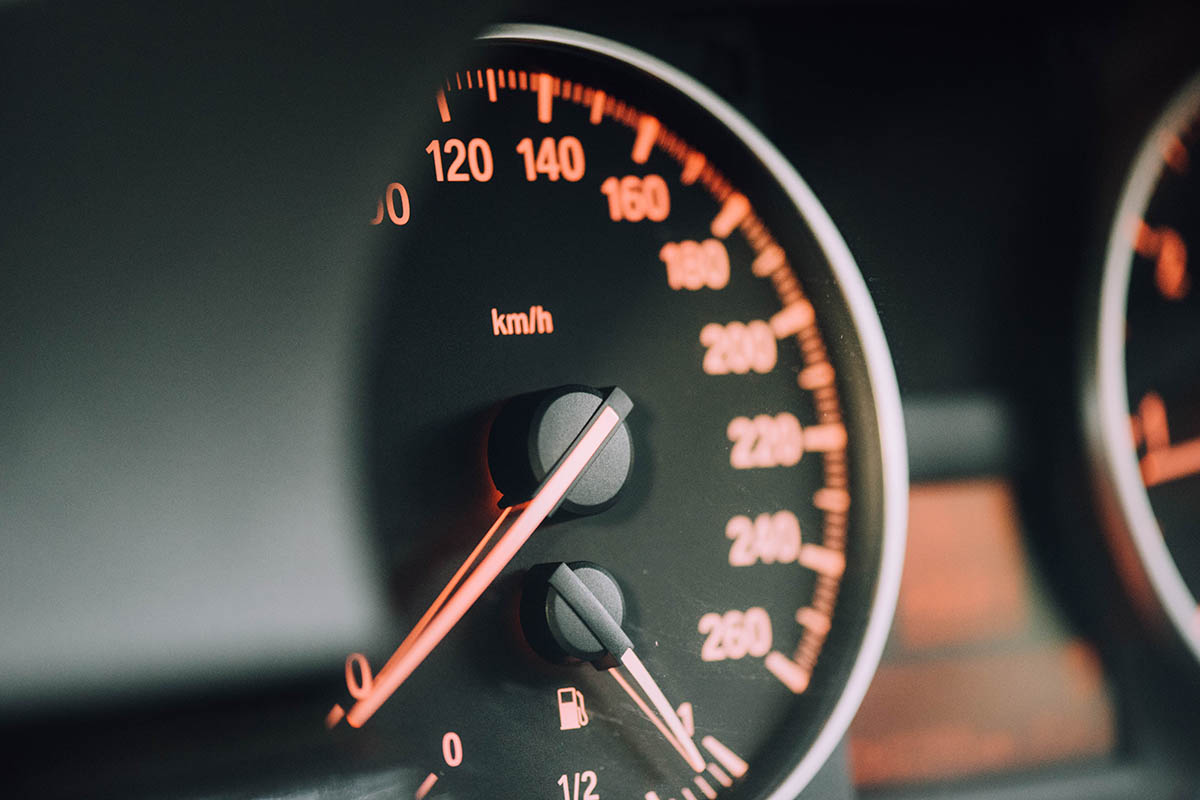
It will probably be useful to check the car’s battery type.
If it is a used car, this is particularly important.
Some car repair shops might replace a car’s battery with a cheaper one that can negatively impact its performance.
A car will be particularly economical if it has a good battery known for its longevity.
Reliability
Some cars are more reliable than others and will deliver more consistent performance.
A car will only be economical if it does not need to be repaired every few weeks.
Prospective buyers can check a car’s reliability by reading reviews on trustworthy websites and asking other drivers.
Size
Traditionally, small cars are considered more economical because they consume less fuel due to their size.
If you are looking for a traditional economy car, check its size.
If you are looking for a vehicle that will be economical in the long run, size might not matter as much.
Weight
Lightweight cars are also considered more economical because they consume less fuel due to their weight.
Pick a lightweight one if you are looking for a traditional economy car.
If you are looking for a vehicle that will be economical in the long run, weight might not matter as much.
Tires
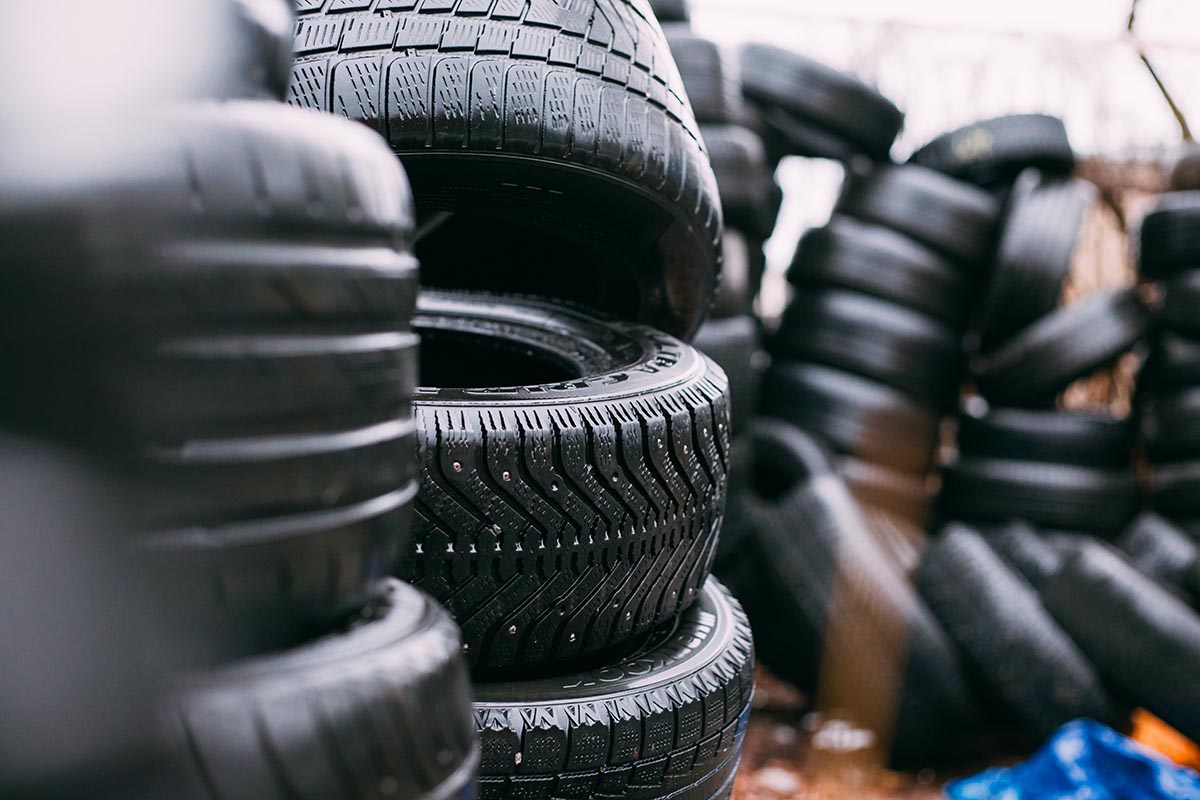
Some cars are compatible with great value tires and help drivers save on car-related expenses.
To ensure that your vehicle is economical, look at the tires.
Look whether the tires are worn out. You can tell this by looking at the tread wear indicators.
Another check you should make on tires is whether they have cracks in the sidewall.
This is where the tires are slowly breaking down, which can lead to much damage if left unchanged.
This is something more common with old cars or well-used cars.
Tires typically last five years, so research the vehicle if you buy a used one.
Price of individual car parts
An economy car will usually be cheaper to repair because its parts will be more affordable.
This will give buyers a rough estimate of how much they can expect to pay for future car repairs. Some cars out now that are relatively cheap to repair are the Ford Fiesta, Hyundai i10, and many more, like the Renault Megane hatch
It is also good to remember the cars that need fewer repairs.
Brands such as Chevrolet and Kia are analytically the best for requiring minor repairs due to their design and make.
Color
The color of a car can affect its price.
More in-demand colors and car designs will increase the vehicle’s price.
It might be helpful to look at models in different colors to check their prices. You might find that buying a car in a specific color is cheaper than buying it in another color.
This is also an issue if any vehicle repairs need to be made.
The rarer the paint color, the more the repair will cost unless you get it repaired with the dealership whose rare paint color it is.
You might also find that repainting it will be cheaper because of the lower price of that particular paint.
Final Thoughts: Make a Smart, Cost-Effective Choice
Buying an economical car isn’t just about finding the lowest price, it’s about making a decision that saves you money, reduces risk, and fits your life long-term.
The right choice can mean fewer repairs, lower running costs, and a much smoother ownership experience.
When you take the time to research properly, you gain real advantages:
- Avoid hidden expenses — understanding a car’s history and condition helps prevent costly surprises;
- Choose true value — some cars cost more upfront but are far cheaper to run over time;
- Buy with confidence — informed decisions reduce stress and second-guessing;
One of the most important areas to understand is vehicle history. Cars are often categorized based on past damage:
- Category S — structural damage (repaired but may affect long-term durability;)
- Category N — non-structural damage (generally cosmetic or minor;)
- Category A & B — severe damage (not roadworthy; best avoided entirely;)
While Category S and N vehicles can be legally driven after repairs, they may still carry higher maintenance risks, lower resale value, and potential insurance complications, which directly affects how economical they truly are.
The key takeaway is simple:
An economical car is not just cheap to buy, it’s affordable to own, maintain, and trust over time.
By combining smart research, careful inspection, and an understanding of vehicle history, you position yourself to make a purchase that delivers long-term value, reliability, and peace of mind.