Keeping Cool: A 2027 Guide to Home HVAC Systems
A dependable HVAC system becomes most valuable during real-life extremes: a summer heat wave, a freezing winter night, or a humid afternoon when the house refuses to feel comfortable.
HVAC stands for heating, ventilation, and air conditioning, the equipment responsible for regulating indoor temperature, airflow, humidity, and filtration.
According to the U.S. Energy Information Administration, space heating and air conditioning account for approximately 52% of the average American household’s annual energy consumption.
The agency also reports that 88% of U.S. households use air conditioning, making system efficiency and reliability important concerns for most homeowners.
This guide will help homeowners understand:
- How central air conditioners, furnaces, heat pumps, and ductless systems work;
- Which warning signs indicate a repair or HVAC replacement before winter;
- How system sizing, efficiency ratings, installation, and maintenance affect energy costs;
- When to call a qualified HVAC professional
If you are wondering, “Do I need HVAC maintenance?”, ENERGY STAR recommends having heating and cooling equipment professionally serviced every year.
Routine care cannot prevent every failure, but it can improve efficiency and comfort while identifying dirty coils, clogged drains, weak electrical components, and airflow problems before they become expensive emergencies.
Understanding these fundamentals helps you make informed decisions instead of waiting until the system fails during the season when you need it most.
Traditional Furnaces: The Powerhouses of Heat
Furnaces, widely recognized for their heating prowess, have been an integral part of homes for decades.
These units operate by pulling cold air, heating it, and then propelling the warm air into living spaces through ductwork.
Most furnaces use natural gas, oil, or electricity as fuel sources.
Natural gas furnaces are lauded for their efficiency and are prevalent in areas where gas is readily available and economical.
On the other hand, oil furnaces, while not as efficient as their gas counterparts, are a robust option in places where oil is the more feasible choice.
Electric furnaces, although typically having a higher operational cost due to electricity prices, shine in their longevity and lower upfront costs.
While furnaces are an effective heating solution, their efficiency can vary based on the type and age of the unit.
An old, outdated furnace might not only be less efficient in heating your home but can also lead to higher energy bills.
Central Air Conditioning: The Summer Savior
Central air conditioners, often called ACs, have been the go-to for many homeowners battling sweltering heat.
Installed by companies like King Heating and Cooling and designed to work with the home’s heating system, these units cool, dehumidify, and circulate air through the same ductwork.
Comprising two main components – the evaporator and the condenser- central ACs convert refrigerants from a gas to a liquid state and back again in a continuous cycle.
As this conversion occurs, heat is absorbed from inside the house and expelled outside, rendering the indoors cooler.
The prime advantage of central air conditioning is its ability to cool the entire house uniformly.
However, it does come with its set of challenges.
The initial installation can be costly; its efficiency can degrade over time without regular maintenance.
Heat Pumps: Dual Role Performers
Heat pumps are versatile units that cater to both heating and cooling needs.
During colder months, they extract warmth from the outside air or ground and channel it indoors.
Conversely, they act like air conditioners in warmer seasons, removing heat from the house.
Two prevalent types of heat pumps are air-source and ground-source.
While air-source heat pumps are more common and extract heat from the air, ground-source variants, also known as geothermal heat pumps, derive heat from the ground.
Heat pumps are often hailed for their energy efficiency.
Since they transfer heat rather than generate it, they can provide more energy than they consume.
The caveat, however, is their performance can wane in extremely cold temperatures, making them more suited for moderate climates.
Home HVAC systems: Alternative Heating and Cooling Systems
Beyond the mainstream solutions, there are many alternative heating and cooling mechanisms.
Radiant floor heating, for instance, involves installing electric coils or water tubes beneath the flooring.
As these elements heat up, they warm the floor, which heats the room.
This method provides uniform heating and eliminates the cold spots often associated with traditional systems.
Ductless mini-split systems are another noteworthy mention.
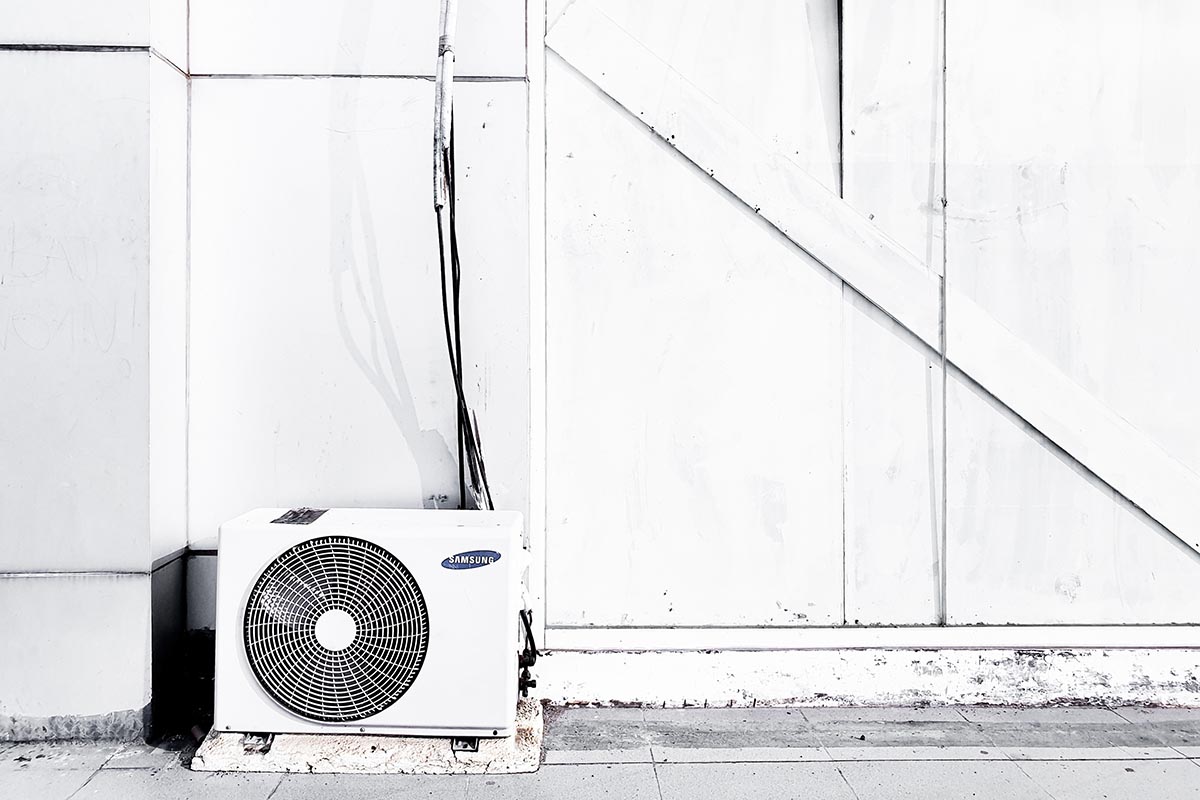
As the name suggests, these systems don’t require ductwork and comprise an outdoor compressor and an indoor air-handling unit.
They can be a boon for homes that lack the infrastructure for ducts or for additions to homes where extending ductwork isn’t feasible.
While these alternatives can be effective, weighing their pros and cons and evaluating them against your home’s specific needs is crucial.
Navigating HVAC Repairs and Maintenance
HVAC units aren’t immune to wear and tear like all intricate systems.
Regular maintenance, timely interventions, and understanding when professional help is needed can prolong the life of your system.
For specialized assistance, consider reaching out to professionals.
One reliable service worth checking out is https://kadecoinc.com/, known for its expertise in HVAC repairs.
Ensuring filters are clean, checking refrigerant levels, inspecting for leaks, and ensuring all components function seamlessly are pivotal for optimal HVAC performance.
Final Thoughts on Home HVAC Efficiency
Understanding your HVAC system helps you make better decisions about comfort, energy use, repairs, and replacement.
The right solution depends on your climate, home size, insulation, ductwork, household needs, and available budget.
Remember that HVAC equipment is only one part of your home’s performance.
Poor insulation, leaking ducts, inefficient windows, and roof issues can impact energy efficiency by allowing conditioned air to escape or outdoor heat and cold to enter.
Even highly efficient equipment may struggle when the building itself cannot retain a stable temperature.
Regular maintenance and timely repairs can improve reliability, but persistent temperature differences, increasing utility bills, unusual noises, and repeated breakdowns deserve professional attention.
Addressing these warning signs early can help you:
- Maintain comfortable temperatures in every season;
- Reduce avoidable energy waste and operating costs;
- Prevent minor faults from becoming emergency repairs;
- Plan for replacement before the system fails completely.
The ultimate goal is not simply owning the highest-rated HVAC system.
It is creating a comfortable, efficient, and dependable home where every component works together, and where you can face extreme weather without worrying whether your heating or cooling will make it through the day.