Why Regular HVAC Maintenance Matters in 2026
✨ Key Points
- HVAC maintenance supports reliable heating, cooling, humidity control, and airflow.
- Early inspections can identify worn parts, clogged filters, leaks, and drainage problems.
- Efficient operation matters more in 2026 as residential electricity prices continue to rise.
Heating and cooling systems are essential for maintaining comfortable temperatures, managing humidity, and supporting dependable airflow.
The latest EIA data available in 2026 represents 132.5 million occupied U.S. homes, while heating and cooling remain the largest residential electricity uses.
Maintenance is increasingly valuable as energy prices rise.
In May 2026, the average U.S. residential electricity price was 6.2% higher than in May 2025.
A clogged filter, leaking duct, or worn component can force an HVAC system to operate longer while delivering less consistent comfort.
Regular HVAC maintenance may help homeowners:
- Maintain consistent temperatures, humidity, and airflow;
- Detect worn components before they cause major breakdowns;
- Reduce unnecessary energy waste and system strain;
- Identify drainage, electrical, and airflow problems early.
✨ENERGY STAR reports that sealing and insulating ductwork can improve heating and cooling efficiency by as much as 20%.
Routine maintenance cannot prevent every repair, but it can help technicians identify early warning signs, such as weak airflow, clogged condensate lines, or water dripping from an AC vent, before they lead to extensive damage.
That means steadier comfort, fewer unexpected breakdowns, and a better chance of resolving small problems before they become expensive emergencies.
Do I Need HVAC Maintenance?
Like many homeowners, you may be wondering if you need HVAC maintenance.
The answer here is generally yes.
If it has been more than a year since you had your HVAC system serviced, it’s time to schedule an appointment.
That’s also the case if you’re not sure how long it has been since the last service appointment.
Certain problems can also let you know if it’s time for routine maintenance.
Those include hot or cold spots in your home and rising utility bills.
If your heater or air conditioner is making strange noises while it’s running, consider having a professional inspection and tune-up performed.
At the same time, if you notice that your indoor temperatures just aren’t as comfortable as they once were or there’s excess humidity in your home, it may be a good idea to schedule routine maintenance.
Why Is Routine HVAC Maintenance Important?

Routine HVAC maintenance helps your home remain comfortable in every season by allowing the system to manage temperature, humidity, and airflow more effectively.
It can also reveal developing problems before they cause an inconvenient breakdown during extreme weather.
The practical benefits include:
- More consistent temperatures throughout the home;
- Stronger airflow and better humidity control;
- Lower risk of unexpected heating or cooling failure;
- Less unnecessary energy use;
- Earlier detection of leaks and worn components;
- Reduced strain on expensive equipment;
- A better chance of reaching the system’s expected service life.
Maintenance cannot prevent every repair or automatically solve every indoor air-quality issue.
However, it gives a qualified technician the opportunity to correct small problems before they become more disruptive and expensive.
More Efficient Heating and Cooling
One of the reasons why HVAC maintenance is essential for comfort is improved efficiency.
Even the most advanced heating and cooling systems lose efficiency over time.
Most lose about 10 percent of their original efficiency each year without proper upkeep.
Dust and debris accumulate in the heating and air conditioning units and ductwork over time, and that can place unnecessary strain on the system.
Running constantly causes parts to wear out as well.
That causes your HVAC system to work less effectively than it should.
It’ll progressively use more energy, which means it’ll cost more to operate.
In spite of the added energy consumption and skyrocketing utility bills, you’ll see less satisfactory results.
Routine maintenance addresses the effects of time and constant use.
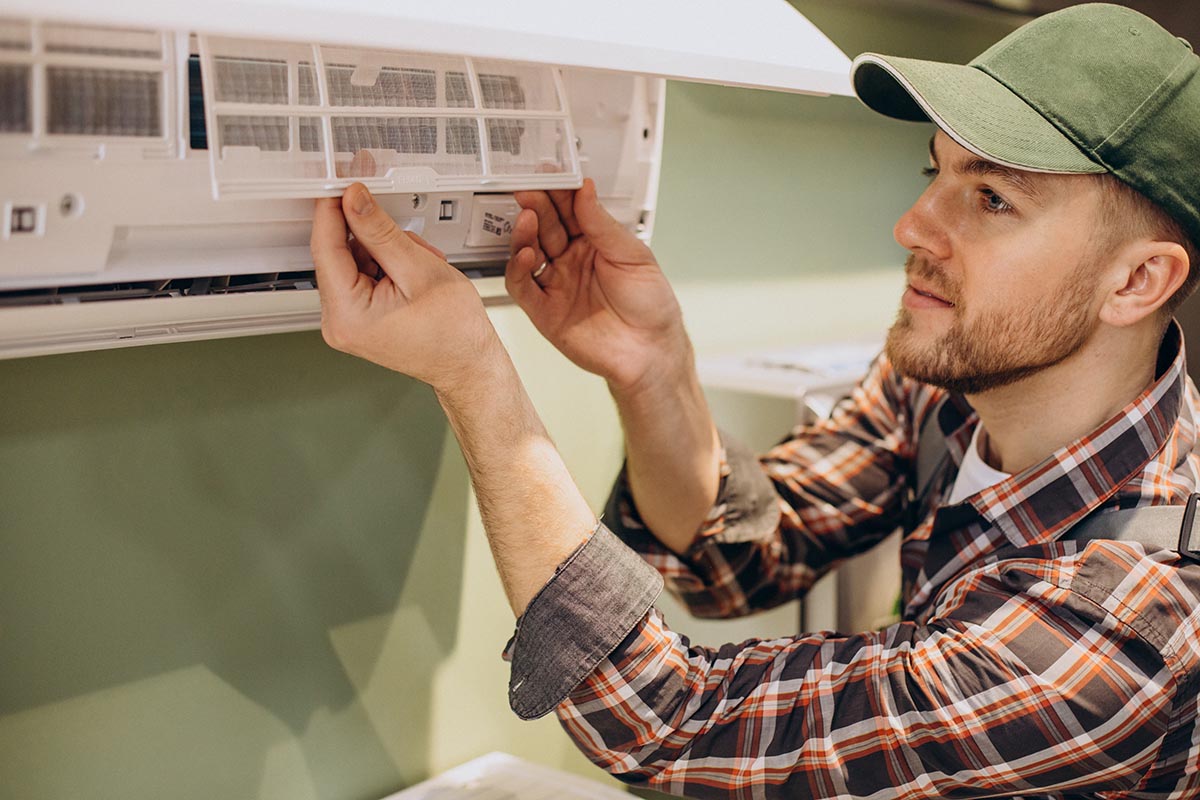
It includes cleaning heating and air conditioning units, lubricating moving parts, replacing worn-out belts, and performing other essential tasks designed to keep your HVAC system operating properly.
Scheduling routine HVAC maintenance services with qualified professionals can help identify potential issues early, improve system efficiency, and extend the life of your equipment.
It’ll ensure the system uses as little energy as possible while also providing the results you expect.
Fewer Breakdowns
Anyone who has suffered through an HVAC breakdown knows just how frustrating it can be.
Those malfunctions always seem to happen at the worst possible times, like on the hottest or coldest days of the year, in the middle of the night, or on weekends or holidays.
Even though it may only take a few hours for an HVAC technician to arrive and save the day, it feels like an eternity when your home is growing increasingly miserable all the while.
Unexpected breakdowns can happen for any number of reasons.
For the most part, though, they’re caused by bad connections and damaged or worn-out parts, and they can usually be prevented.
Technicians catch problems like those and resolve them during routine inspections and maintenance.
It’s not possible to prevent all breakdowns, but with routine maintenance, they’ll be fewer and farther between.
That, in turn, will help keep your home more comfortable.
Longer HVAC System Lifespan
Regular maintenance can help an HVAC system operate longer by reducing unnecessary strain and identifying worn components before they damage other parts.
However, no system has a guaranteed 20-year lifespan.
Expected service life varies by equipment:
- Central air conditioners and heat pumps often last around 10–15 years.
- Furnaces may operate for 15–20 years or longer.
- Boilers can sometimes last 20 years or more.
Climate, installation quality, usage, maintenance history, and equipment design all affect longevity.
Dirty coils, clogged filters, loose electrical connections, and restricted airflow can force components to work harder and fail earlier.
Routine inspections also help homeowners monitor declining performance and plan financially for replacement.
Instead of losing heating or cooling unexpectedly during extreme weather, you may have time to compare systems, request estimates, and schedule installation before the old equipment fails completely.
Better Indoor Air Quality
Routine maintenance also leads to better indoor air quality.
Most of us don’t realize how many contaminants are lurking in the air we breathe.
We take for granted that our homes are clean and safe, but some studies show that airborne contaminants are five times more concentrated indoors than they are outdoors.
Other reports indicate that indoor air can be twice as polluted as outdoor air.
Indoor airborne contaminants come from several sources.
Gas heat and appliances are among the most common, but they’re not the only ones.
Allergens like pollen and pet dander are known to reduce indoor air quality as well.
On top of those factors, quite a few chemicals are floating around in the air we breathe.
Those come from cleaning supplies, adhesives, smoke from cooking, and off-gassing from furniture among other sources.
Viruses, bacteria, mold, and other microorganisms are part of the problem as well.
All those contaminants can cause a range of issues, not the least of which are sneezing, wheezing, headaches, and eye and skin irritation.
HVAC systems are designed to filter out many of those contaminants, but they can also build up in your heating and air conditioning units and ductwork.
They don’t simply stay there, though.
They continuously recirculate through your home and, by extension, your respiratory system.
Routine maintenance helps to keep those contaminants to a minimum so your family can breathe more comfortably and experience fewer of the side effects of polluted indoor air.
Keeping Your Home Comfortable
HVAC maintenance becomes valuable in real life when your air conditioner keeps working through the hottest week of summer, your furnace starts reliably on a freezing night, and every room stays comfortable without constant thermostat adjustments.
It is also one of the best ways to save money around the house, helping reduce energy waste, prevent expensive emergency repairs, and delay premature system replacement.
Routine maintenance can help you:
- Catch worn parts, clogged filters, and drainage problems before they cause an emergency breakdown;
- Maintain steadier temperatures and airflow between rooms;
- Reduce unnecessary energy use and unexpectedly high utility bills;
- Prevent minor leaks from damaging ceilings, walls, or flooring;
- Reduce dust caused by dirty filters and neglected components;
- Avoid replacing equipment earlier than necessary.
Maintenance cannot prevent every repair or guarantee better indoor air quality on its own.
Problems such as mold, excessive humidity, duct contamination, or inadequate ventilation may require separate solutions.
However, regular inspections give a qualified technician an opportunity to identify these warning signs early.
Homeowners should replace or inspect filters according to the equipment manufacturer’s guidance and arrange professional service at least once a year, or before both heating and cooling seasons for systems used year-round.
If you notice unusual noises, weak airflow, water leaks, uneven temperatures, short cycling, or a sudden increase in energy costs, do not wait for the next scheduled visit.
The goal is not simply to maintain a machine.
It is to protect the everyday comfort of your home, reduce unpleasant surprises, and gain confidence that your system is ready when your family needs it most.
❓Frequently Asked Questions About HVAC Maintenance
Q: How Often Should You Schedule HVAC Maintenance?
Schedule professional HVAC maintenance at least once a year. For systems that provide both heating and cooling, consider servicing the cooling equipment in spring and the heating equipment in fall.
Q: What Does Routine HVAC Maintenance Include?
A typical service may include inspecting filters, coils, electrical connections, refrigerant levels, condensate drains, thermostats, motors, safety controls, and overall system performance. The exact checklist depends on the equipment.
Q: Is Annual HVAC Maintenance Really Necessary?
Annual maintenance is recommended because it can identify developing problems, reduce unnecessary system strain, and support reliable performance. It cannot prevent every repair, but it may lower the risk of unexpected breakdowns.
Q: Can HVAC Maintenance Lower Energy Bills?
Maintenance may reduce energy waste by correcting restricted airflow, dirty components, and other efficiency problems. However, actual savings depend on the system’s age, condition, usage, climate, and energy prices.
Q: How Long Does an HVAC System Last With Regular Maintenance?
Central air conditioners and heat pumps often last around 10–15 years, while furnaces may operate for 15–20 years or longer. Installation quality, climate, usage, and maintenance history all affect service life.
Q: Why Is Water Dripping From My AC Vent?
Water dripping from an AC vent may indicate condensation, a clogged drain line, an overflowing drain pan, poor duct insulation, or a frozen evaporator coil. Persistent dripping should be inspected before it damages drywall, insulation, or surrounding materials.
Q: How Much Does Routine HVAC Maintenance Cost?
In 2026, routine HVAC maintenance typically costs about $175–$350, with an average near $250. A basic AC tune-up may cost $75–$200, while servicing both heating and cooling equipment can cost more.
The final price depends on:
- Your location and local labor rates;
- System type, size, condition, and accessibility;
- The number of heating and cooling units;
- Seasonal demand and emergency scheduling;
- Whether cleaning, repairs, or replacement parts are required.
Ask what the quoted service includes before booking.
A low advertised price may cover only an inspection, while filters, coil cleaning, repairs, and replacement parts may cost extra.