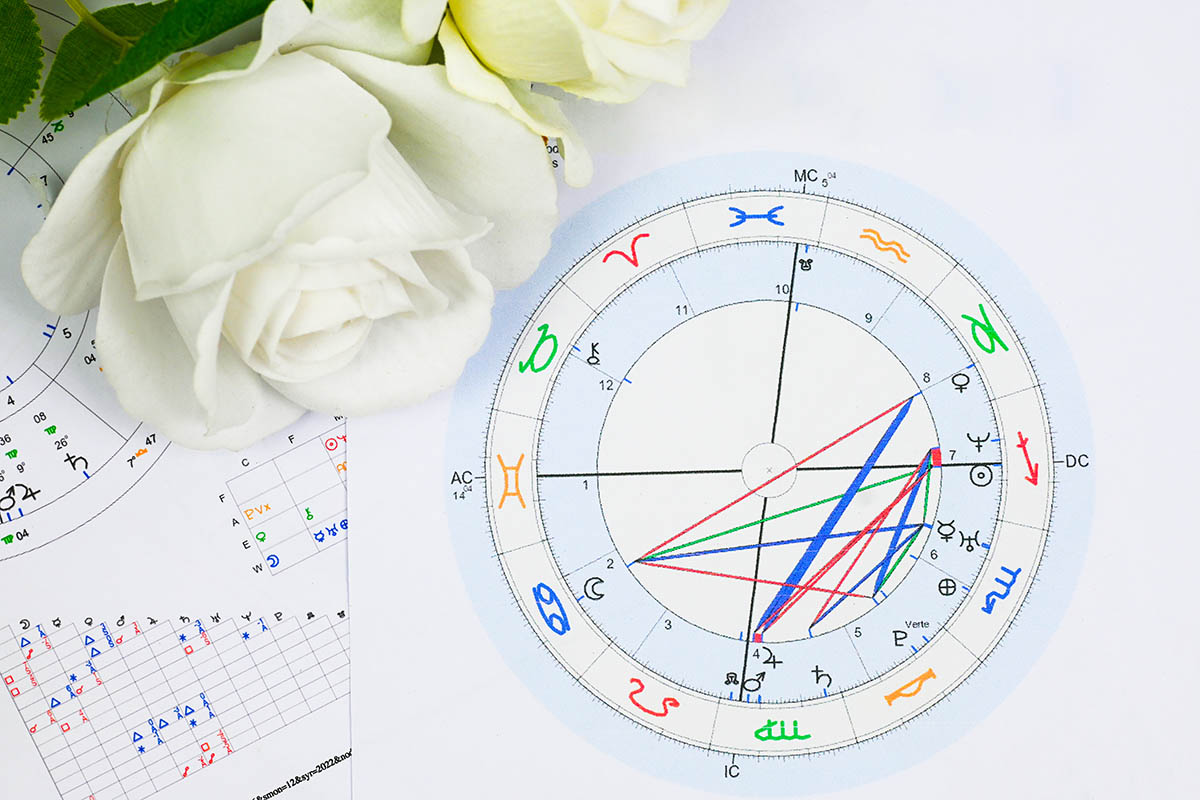
The Basics of Astrology and Why It Still Fascinates People Today
✨ Key Points
- Astrology is often used as a tool for self-reflection, emotional awareness, and understanding personal patterns during uncertain periods of life.
- Many people explore astrology to better understand relationships, personality traits, decision-making habits, and life transitions.
- Interest in astrology continues to grow alongside topics like types of psychic readings to get through uncertain times, mindfulness, and personal development.
Astrology is an ancient system that studies the positions and movements of celestial bodies such as planets, the Sun, and the Moon, and how these patterns are believed to relate to human experiences, emotions, personality traits, and life cycles.
For thousands of years, civilizations across the world have used astrology as a way to better understand themselves, relationships, major life transitions, and the changing world around them.
Today, astrology continues to attract millions of people interested in self-discovery, emotional insight, spirituality, and personal growth.
Many people turn to astrology during stressful or uncertain periods because it can provide:
- A framework for self-reflection;
- Emotional reassurance and perspective;
- Insight into personal strengths and challenges;
- Guidance during transitions and major decisions;
- A deeper sense of connection and meaning.
That is one reason astrology is often explored alongside topics like types of psychic readings, tarot, Human Design, mindfulness, and other reflective practices focused on emotional clarity and self-awareness.
While astrology is viewed differently depending on personal beliefs, many people use it less as a way to predict exact events and more as a tool for understanding patterns, behaviors, emotional cycles, and personal direction in a rapidly changing world.
In this introduction to astrology, we will explore some of the foundational concepts behind this centuries-old practice and why it continues to remain culturally and personally meaningful for so many people today.
Understanding the Zodiac Signs
At the core of astrology is the zodiac — a celestial system divided into twelve sections, each connected to a specific astrological sign. These signs are:
- Aries
- Taurus
- Gemini
- Cancer
- Leo
- Virgo
- Libra
- Scorpio
- Sagittarius
- Capricorn
- Aquarius
- Pisces
In astrology, the position of the Sun at the time of your birth determines your “Sun sign,” which is the sign most people recognize from horoscopes and astrology readings.
Each zodiac sign is traditionally associated with different personality traits, emotional tendencies, communication styles, strengths, and challenges. For example:
- Leo is often linked to confidence and creativity;
- Virgo is associated with practicality and organization;
- Pisces is connected to intuition and emotional sensitivity.
Many people use astrology as a way to better understand behavioral patterns, relationships, emotional responses, and personal growth.
Because astrology has become extremely popular online, it is important to use reliable and well-researched sources when learning about zodiac signs and birth charts.
Platforms and other established astrology resources can help beginners explore astrology concepts in a more structured and informed way.
For many individuals, understanding zodiac signs becomes the first step toward exploring deeper topics such as birth charts, planetary influences, compatibility, and self-discovery.
The Planets in Astrology
In astrology, planets are believed to represent different types of energy, personality traits, emotional patterns, and life experiences.
The placement of these planets within a birth chart, often called a natal chart, is thought to influence how a person communicates, forms relationships, handles emotions, pursues goals, and responds to challenges throughout life.
Each planet is associated with specific symbolic themes. For example:
- Mercury is connected to communication, thinking, and learning;
- Venus is linked to love, relationships, beauty, and values;
- Mars represents action, motivation, confidence, and drive;
- Jupiter is often associated with growth, opportunity, and expansion;
- Saturn relates to discipline, responsibility, and long-term lessons.
Astrologers study the positions of these planets at the moment of birth to better understand personality traits, emotional tendencies, strengths, challenges, and possible life patterns.
For many people, learning about planetary influences can help provide:
- Greater self-awareness and emotional understanding;
- Insight into communication and relationship patterns;
- Clarity around strengths, motivations, and challenges;
- A deeper understanding of personal growth and life direction.
Whether approached spiritually or psychologically, astrology often encourages people to reflect more deeply on their habits, emotions, behaviors, and the ways they interact with the world around them.
The Houses in Astrology
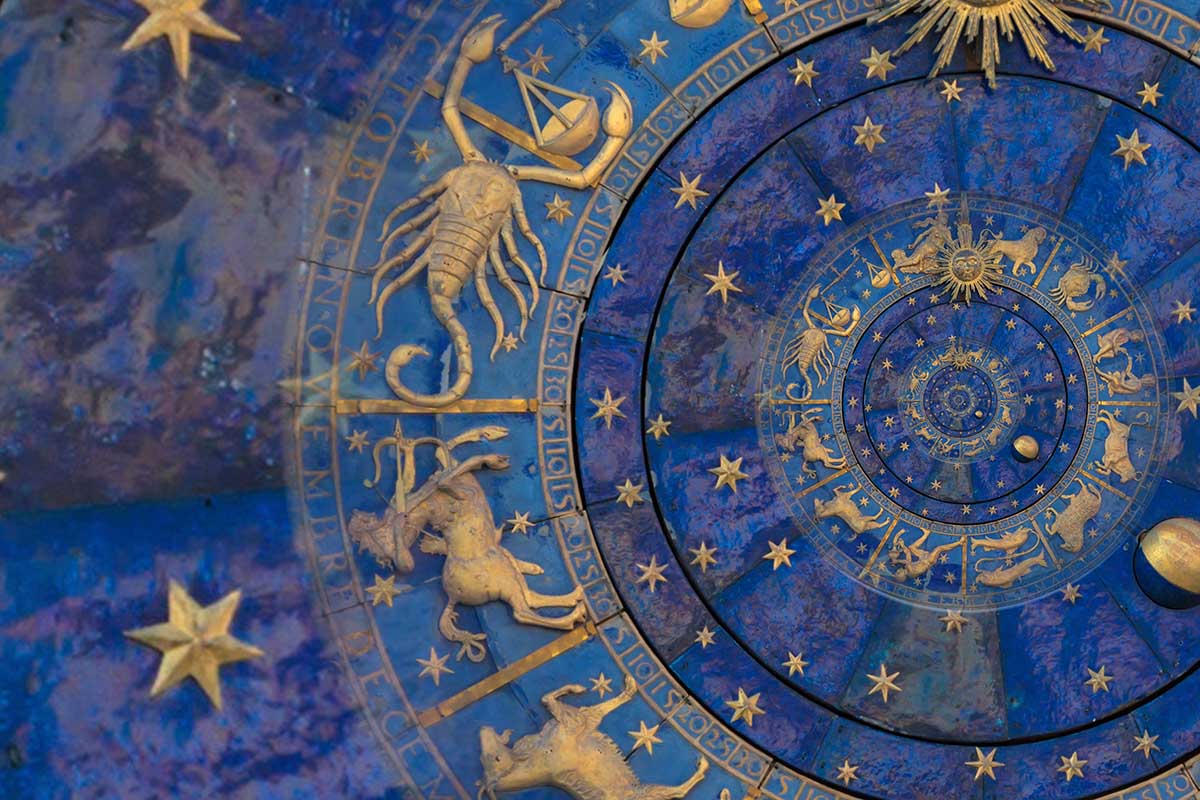
Astrological houses add another layer of depth and personalization to a birth chart.
In astrology, there are twelve houses, and each one is believed to represent a different area of life, such as relationships, career, communication, finances, family, personal identity, and emotional well-being.
While zodiac signs describe personality traits and planets represent different energies, the houses show where those influences may appear most strongly in a person’s everyday life.
For example:
- The 1st House is often connected to identity and self-image;
- The 4th House relates to home, family, and emotional foundations;
- The 7th House focuses on relationships and partnerships;
- The 10th House is associated with career, reputation, and public life.
Astrologers study the placement of planets within these houses to better understand how different life themes may develop or influence a person over time.
The combination of:
- Zodiac signs;
- Planetary placements;
- Astrological houses;
creates a more detailed and personalized birth chart interpretation.
For many people, understanding the houses can help provide insight into:
- Relationship dynamics;
- Career direction and ambitions;
- Emotional needs and family patterns;
- Personal strengths and recurring life themes;
- Areas of growth, challenge, and transformation.
By analyzing how planets and signs interact within the houses, astrology creates a more nuanced picture of personality, life experiences, and potential paths for personal development.
Astrological Aspects
In astrology, aspects refer to the angles formed between planets within a birth chart.
These planetary connections are believed to show how different energies, emotions, personality traits, and life themes interact with one another.
Astrologers often study aspects because they can reveal areas of harmony, tension, motivation, emotional conflict, creativity, or personal growth within a person’s chart.
Some of the most common astrological aspects include:
- Conjunctions — energies combine and become stronger together;
- Sextiles — supportive opportunities and natural cooperation;
- Trines — harmony, ease, and natural talents;
- Squares — tension, obstacles, and personal challenges;
- Oppositions — balance, conflict, or opposing forces.
For example:
- A conjunction may intensify certain personality traits or emotional patterns;
- A square can point to inner conflict, stress, or lessons that encourage growth;
- A trine often highlights natural strengths and smoother energy flow.
By analyzing aspects, astrologers aim to better understand how different parts of a person’s personality and life experiences may influence one another.
For many people, aspects provide insight into:
- Emotional and relationship dynamics;
- Internal strengths and struggles;
- Communication and behavioral patterns;
- Areas of growth, tension, or balance.
Together with zodiac signs, planets, and houses, aspects help create a more detailed and personalized astrological interpretation.
Astrology and Personality
While astrology and science approach human behavior differently, many people feel that certain parts of their astrological chart resonate with their personality, emotional tendencies, relationships, and life experiences.
Most people are familiar with Sun signs, which provide a general overview of personality traits and are commonly used in horoscopes. However, astrologers believe a complete birth chart offers a much deeper and more personalized interpretation.
A full astrological chart analyzes the interaction between:
- Planets;
- Zodiac signs;
- Astrological houses;
- Planetary aspects.
Together, these elements are believed to create a more detailed picture of a person’s emotional patterns, communication style, motivations, strengths, challenges, and personal growth themes.
For example:
- Someone may appear confident through their Sun sign but emotionally sensitive through their Moon placement;
- Certain planetary aspects may highlight creativity, tension, ambition, or relationship dynamics;
- House placements can reveal where specific themes are most active in life.
That is one reason many people explore astrology not simply for entertainment, but as a tool for self-reflection and personal awareness.
For many individuals, astrology can help encourage:
- Greater emotional understanding;
- Reflection on personality patterns;
- Awareness of strengths and challenges;
- Curiosity about relationships and life direction.
Rather than defining a person completely, astrology is often used as a framework for exploring personality and understanding the complex ways people experience themselves and the world around them.
Conclusion
Astrology has remained relevant for thousands of years because many people use it as a tool for self-reflection, personal growth, and understanding patterns in both life and relationships.
From zodiac signs and planetary placements to houses and aspects, astrology offers a framework that helps individuals better understand personality traits, emotional tendencies, communication styles, and decision-making habits.
For many people, this self-awareness becomes valuable in real life because understanding your natural strengths, motivations, and energy patterns can influence:
- Career choices and work environments;
- Relationship dynamics and communication;
- Creativity, leadership, and productivity;
- Stress management and emotional balance;
- Personal goals and long-term direction.
That is also why interest in topics like how to align business to your strengths with business astrology continues to grow.
Many entrepreneurs, creatives, and professionals explore astrology as a way to better understand their natural working style, leadership tendencies, communication strengths, and areas where they may thrive professionally.
Rather than forcing themselves into careers or business models that feel emotionally draining or misaligned, some people use astrology to build businesses and lifestyles that better match their personality, values, creativity, and energy.
Whether viewed spiritually, psychologically, or symbolically, astrology continues to resonate because it encourages people to ask deeper questions about who they are, how they relate to others, and what kind of life feels most authentic and fulfilling to them.