Why is Your Water Heater Not Heating Up?
✨Key Points
Few household problems become frustrating as quickly as losing access to hot water.
From cold showers to difficulty washing dishes or doing laundry, a malfunctioning water heater can disrupt your entire daily routine.
The good news is that many common water heater problems can be identified early before they turn into major system failures or expensive replacements.
In many cases, a water heater may stop heating properly because of:
- A tripped circuit breaker or power supply issue;
- Faulty thermostats or heating elements;
- Sediment buildup inside the tank;
- Gas supply or pilot light problems;
- Aging components reducing heating efficiency.
Understanding these warning signs can help homeowners act quickly, restore hot water faster, and prevent additional damage to the system.
Regular inspections and maintenance also provide important long-term benefits, including:
- Improved energy efficiency and lower utility bills;
- Longer water heater lifespan;
- More reliable hot water supply;
- Reduced risk of leaks or emergency breakdowns;
- Better overall home comfort and safety.
If your water heater suddenly stops producing enough hot water, makes unusual noises, or struggles to maintain temperature consistently, addressing the issue early can often prevent more costly repairs later.
In some situations, professional servicing may be necessary to safely diagnose electrical, gas, or internal tank problems.
If you’re facing the frustration of a cold shower due to a water heater issue, consider professional water heater repair services at https://jblantonplumbing.com/water-heater-repair/.
The Thermostat
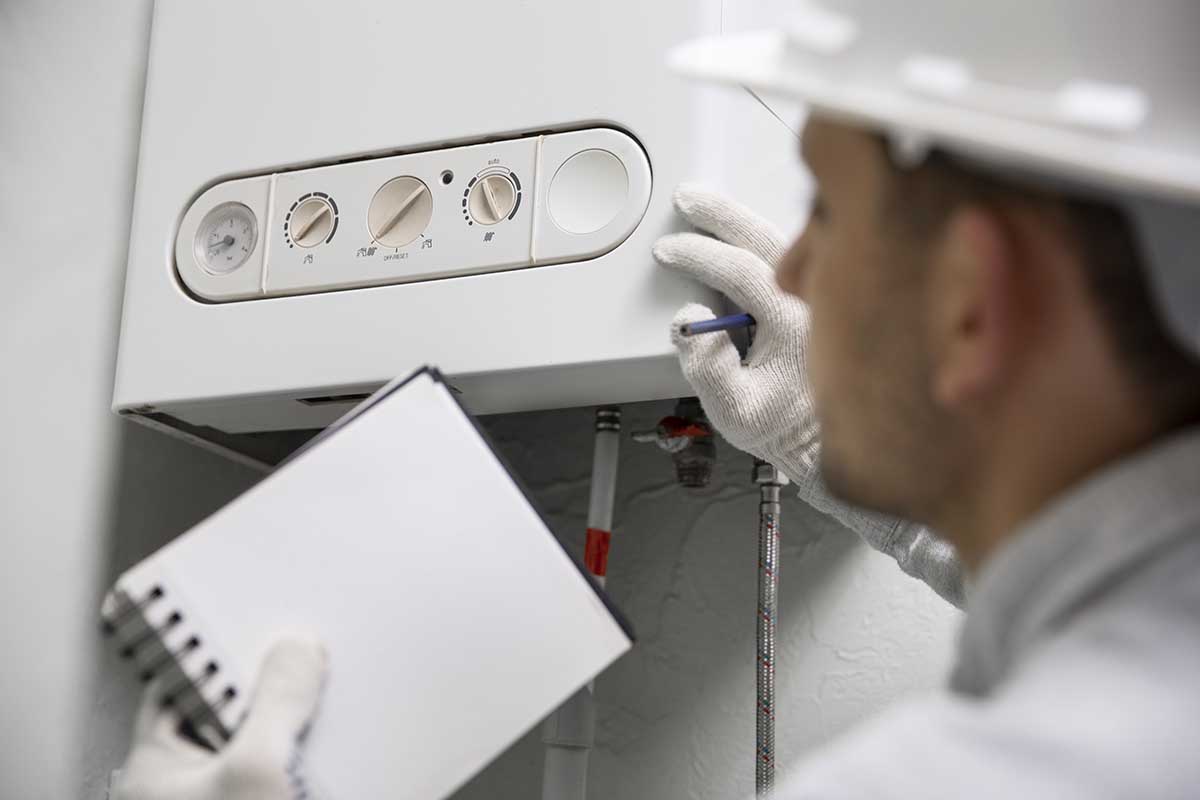
Your water heater thermostat controls the unit’s temperature and overall performance.
If the system suddenly shuts off, it may indicate that the maximum temperature limit has been reached or that an internal component is failing.
Ignoring these warning signs can sometimes lead to larger plumbing problems, including overheating, water damage, or difficulty detecting hidden water leaks around the system.
A licensed professional can safely diagnose and repair the issue using specialized tools such as a non-contact voltage tester, helping protect your home from further damage, costly repairs, and unexpected system failure.
The Connections
A tripped circuit breaker or a problem with one of its electrical components could cause your electric water heater’s failure to operate.
Check that it’s receiving sufficient voltage by checking its circuit breaker.
If tripped, reset it or consult with a professional electrician immediately.
Alternatively, your water heater may need more electricity to function effectively.
Electric water heaters need 220 to 240 volts of electricity to function, and any broken wire or part could be the cause.
The Gas Valve
If the gas valve becomes defective, the pilot flame won’t stay lit, or the water won’t heat up as intended; should this occur, you’ll need to replace it immediately.
If the gas valve is malfunctioning and you detect gas, immediately turn off its power at the breaker box and contact local plumbing professionals as quickly as possible.
A gas leak could introduce hazardous fumes into your home and pose serious health hazards that need immediate attention.
There could be several causes for why your gas valve might not be working, including that its thermostat setting may be too high, which prevents its pilot light from staying lit and causes it to go out, ultimately leading to its eventual shutdown.
Kindly consult the owner’s manual of your water heater for guidance on the ideal thermostat setting.
Another possible explanation could be a defective thermocouple, a small device that heats up when the pilot flame ignites and supplies electricity to operate the gas valve.
If your thermocouple is defective, however, you must replace it to continue.
The Element
If the thermostat, connections, and gas valve function typically, the problem could lie with the heating element itself.
One of the biggest causes of your heater not producing hot water is this, so be sure to check it first.
When checking this element, be sure to switch off all electrical power by switching off both circuit breakers.
Of course, this is always best handled by a professional.