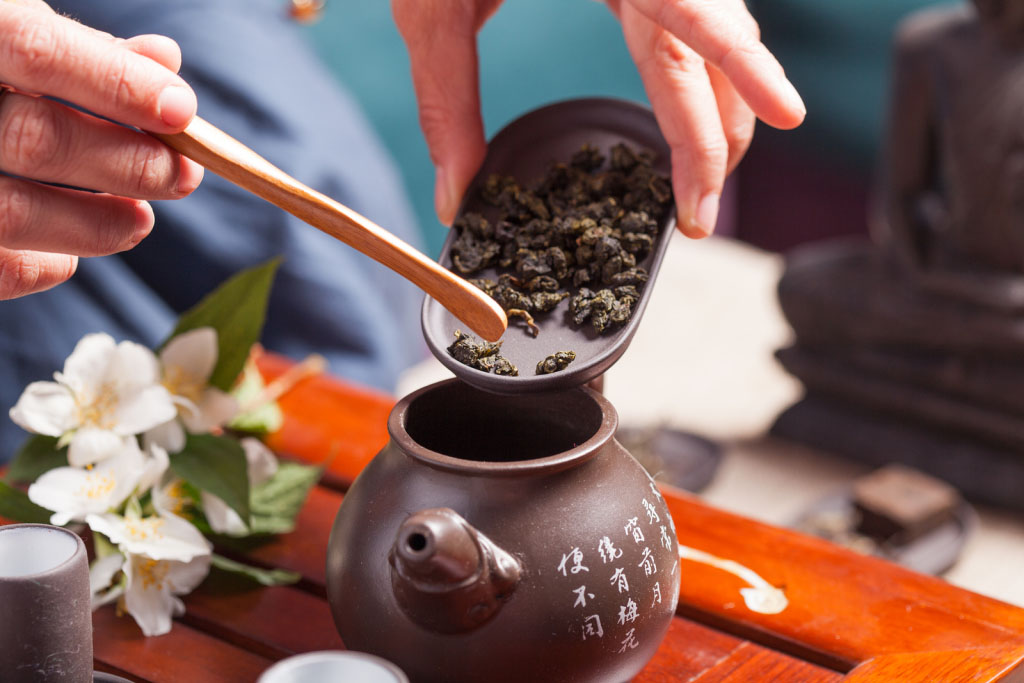
The Secrets of Oolong Tea
✨Key Points
- Oolong’s origin story begins with a rabbit and a lucky accident.
- It balances green tea brightness with black tea richness.
- Its antioxidants are linked to heart health and longevity.
Here’s what gives Oolong its distinctive character:
- Bright and slightly tart taste inherited from green tea;
- Rich aroma and smooth depth reminiscent of black tea;
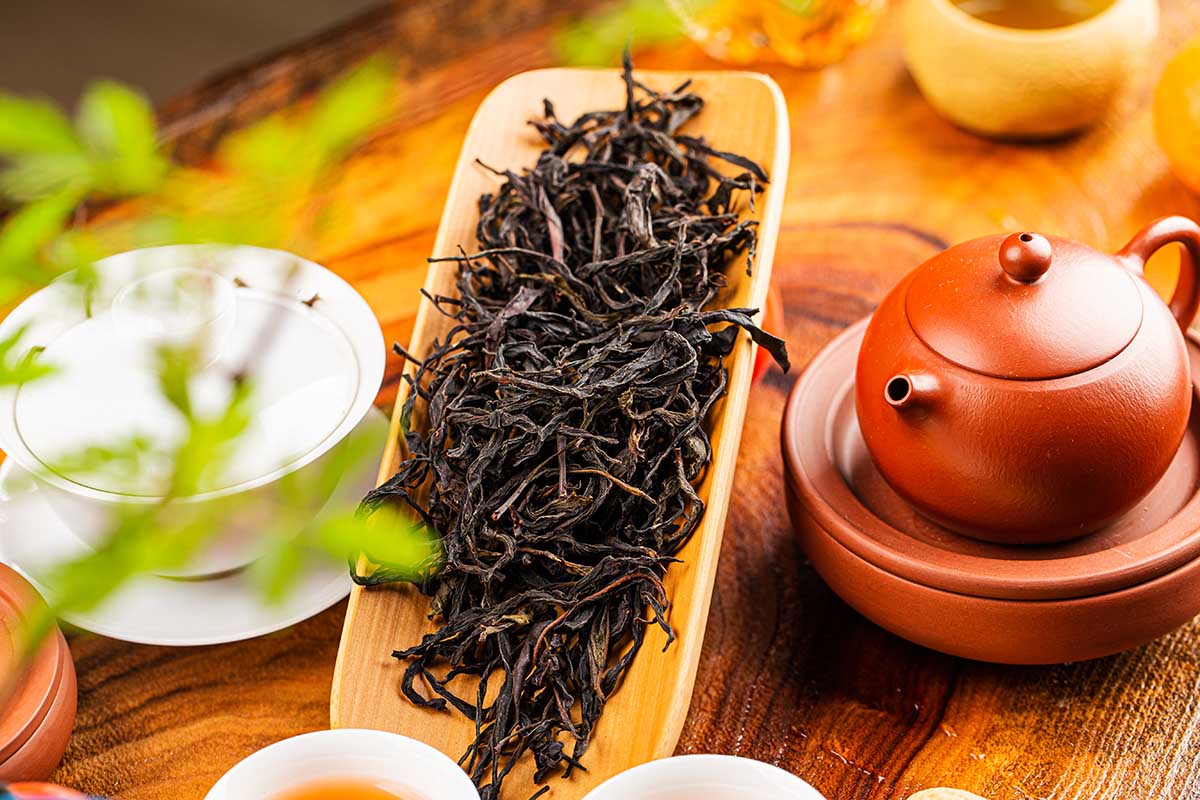
- Leaves with darkened, frilled edges while the center remains green;
- A precise oxidation process that defines both color and complexity.
In China, Oolong holds cultural significance far beyond the teacup.
It is central to the Gongfu tea ceremony, a ritual that literally means “making tea with skill,” where preparation is treated as both art and discipline.
Modern science adds another layer to its reputation.
Oolong tea contains antioxidants such as polyphenols, which research links to:
- Cardiovascular support;
- Metabolic balance;
- Reduced oxidative stress;
- Overall cellular health.
While no single beverage guarantees longevity, many regard Oolong tea as the secret of the robust health of the Chinese, where tea drinking has been woven into daily life for centuries.
From a simple rabbit distraction to a symbol of balance and vitality, Oolong tea represents harmony — between tradition and innovation, flavor and function, pleasure and well-being.
Why Most People Never Experience True Oolong
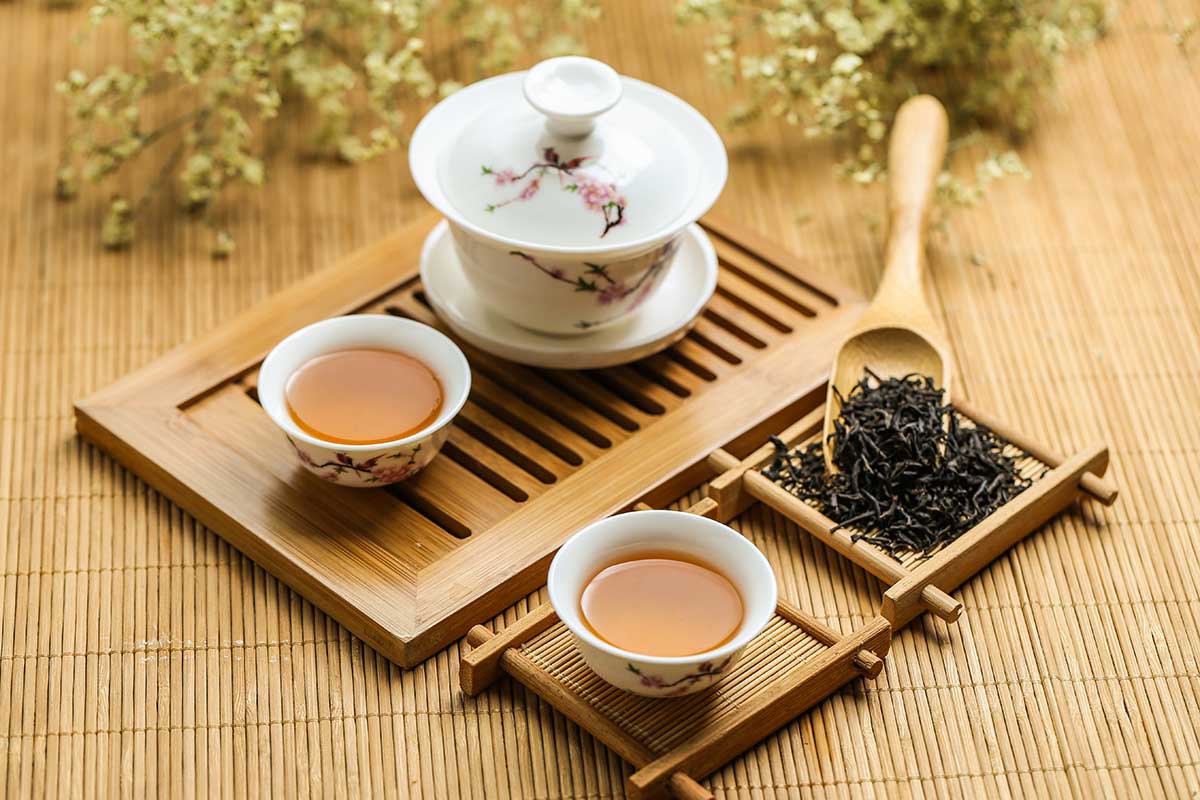
Many people believe they have tasted Oolong tea, yet what they often experience is a flat, one-dimensional version that lacks depth, aroma, and character.
The real problem is not the tea itself, but the misunderstanding of its process and purpose.
Oolong is subtle by nature, and subtlety requires intention. Without understanding the importance of shaking and tumbling, partial oxidation, and careful brewing, the tea can lose its defining qualities.
Here is where most people go wrong:
- They over-steep the leaves, which masks the bright and slightly tart taste;
- They use water that is too hot or too cool, disrupting the balance;
- They rush the brewing process instead of respecting its rhythm;
- They treat Oolong like ordinary tea instead of a crafted experience.

Oolong was never meant to be rushed.
Its entire identity comes from controlled movement, gentle bruising, and patient oxidation.
The legendary rabbit chase that led to its discovery symbolizes this perfectly, because what appeared careless was actually transformative.
The shaking of the leaves is not aggression, but precision.
It is that subtle disruption that creates complexity.
Without understanding this, people miss the very soul of Oolong.
Embrace the Ritual, Unlock the Balance
If the problem is rushing and misunderstanding, the solution is simple yet powerful: slow down and engage with the process.
To experience Oolong the way it was meant to be enjoyed:
- Use quality loose-leaf Oolong rather than tea bags;
- Heat water to approximately 85–95°C to protect its layered flavor;
- Steep briefly at first, allowing multiple infusions;
- Observe the leaves as they unfurl, noticing the dark edges and green center;
- Take time to appreciate the aroma before the first sip.
When prepared properly, Oolong reveals its full personality.
The bright and slightly tart taste appears first, followed by a smooth, rich aroma that lingers gently.
Each infusion unfolds new notes, making the experience dynamic rather than static.
This is why many consider Oolong tea the secret of the robust health of the Chinese.
It is not only about antioxidants or metabolism.
It is about daily ritual, stress reduction, and mindful enjoyment woven into everyday life.
In real life, those who incorporate tea rituals often report:
- Reduced stress levels through mindful pauses;
- Greater appreciation for simple daily moments;
- Replacing sugary drinks with a healthier alternative;
- Creating meaningful connections through shared tea ceremonies.
Conclusion: From a Rabbit’s Chase to a Life of Balance