

How to Prepare for the Apocalypse: A Practical Survival Guide
✨Key Points
- Prepare for realistic disruptions first: Build plans around blackouts, evacuation, extreme weather, earthquakes, and temporary shortages before considering rare doomsday scenarios.
- Store what your household genuinely needs: Include water, food, prescriptions, first aid, flashlights, backup power, sanitation supplies, documents, pet essentials, and items for children or older adults.
- A plan matters as much as the supplies: Decide where to meet, how to communicate, when to evacuate, where to shelter, and how every household member will respond.
Watching Fallout makes underground vaults, stored supplies, and life after nuclear disaster feel disturbingly imaginable.
The Prime Video series follows survivors living in luxury fallout shelters after civilization collapses, but real-world preparedness should begin with more probable emergencies.
Some people are investing in private bunkers, including high-end shelters designed for wealthy buyers.
Yet most households are more likely to face:
- Extended power or internet outages;
- Wildfires, hurricanes, floods, or severe winter storms;
- Earthquakes and damaged infrastructure;
- Temporary water or food-supply disruptions;
- Evacuation orders with little warning;
- Medication shortages or inaccessible pharmacies;
- Communication failures that separate family members;
- Civil unrest or a prolonged local emergency.
These possibilities can make anyone feel anxious, particularly when news reports make every crisis appear immediate.
However, apocalypse preparedness should not mean panic-buying survival gear or building a bunker you may never use.
It means preparing for a period when electricity, water, transportation, communication, or emergency assistance may be unavailable.
The federal Ready.gov emergency-kit guide recommends keeping water, nonperishable food, medication, lighting, communication tools, and other essential supplies.
The American Red Cross recommends a three-day evacuation supply and a two-week supply for sheltering at home, including one gallon of water per person per day.
You do not need a Fallout-style vault to become better prepared.
A carefully stocked kit, a household communication plan, practical skills, and supplies matched to local risks can make an enormous difference when normal systems stop working.
10 Tips for Preparing for the Apocalypse
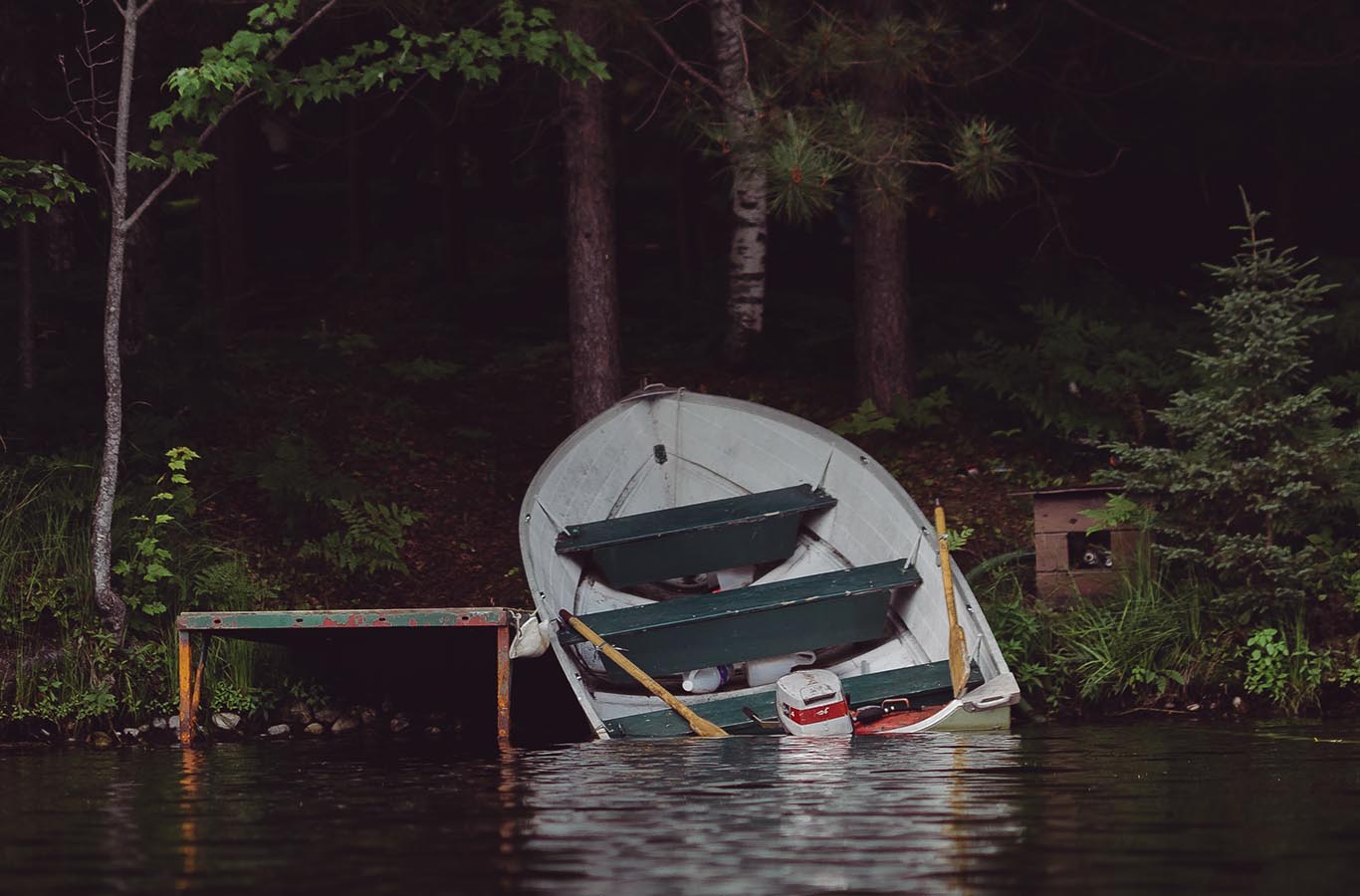
The apocalypse could be around the corner.
Are you ready?
If not, check out these ten tips to figure out how to prepare.
How to Prepare for the Apocalypse: Create a Survival Plan
A survival plan explains what your household will do if normal services become unavailable or you must leave home quickly.
Plan for realistic local risks, such as wildfires, floods, earthquakes, severe storms, extended blackouts, or civil emergencies, because each situation may require a different response.
Your household plan should answer:
- Which emergencies are most likely where you live?
- When should you shelter at home, and when should you evacuate?
- What are your primary and alternative evacuation routes?
- Where will everyone meet if the household becomes separated?
- Who will collect children, older relatives, or pets?
- How will you communicate if cellular networks stop working?
- Which out-of-area contact can relay information?
- Who is responsible for medications, documents, supplies, and transportation?
- Where will you go if your first destination is inaccessible?
Choose two meeting places: one immediately outside your home and another outside your neighborhood.
Save important numbers on paper as well as on your phones, register for local emergency alerts, and keep maps available in case navigation apps become inaccessible.
The federal Ready.gov planning guide recommends adapting emergency plans to household-specific needs, including medical equipment, disabilities, languages, children, pets, and transportation limitations.
Discuss the plan with everyone involved and practice it periodically.
During an actual emergency, people may be tired, frightened, or unable to make complicated decisions.
A familiar plan reduces confusion and helps each person understand what to do next.
Keep Essential Emergency Supplies Ready
A serious emergency may interrupt electricity, clean water, transportation, pharmacies, and grocery deliveries.
Keep practical supplies at home and a smaller portable kit ready for evacuation.
Include:
- One gallon of water per person per day;
- Nonperishable food and a manual can opener;
- Prescription medication and a first-aid kit;
- Flashlights, batteries, and backup phone chargers;
- A battery-powered or hand-crank radio;
- Soap, toilet paper, waste bags, and hygiene products;
- Copies of identification and emergency contacts;
- Supplies for children, older adults, and pets.
Store supplies safely, check expiration dates twice a year, and never keep fuel indoors or near ignition sources.
The goal is not to collect random survival equipment, it is to maintain what your household would genuinely need if essential services became temporarily unavailable.
Choose Practical Emergency Gear
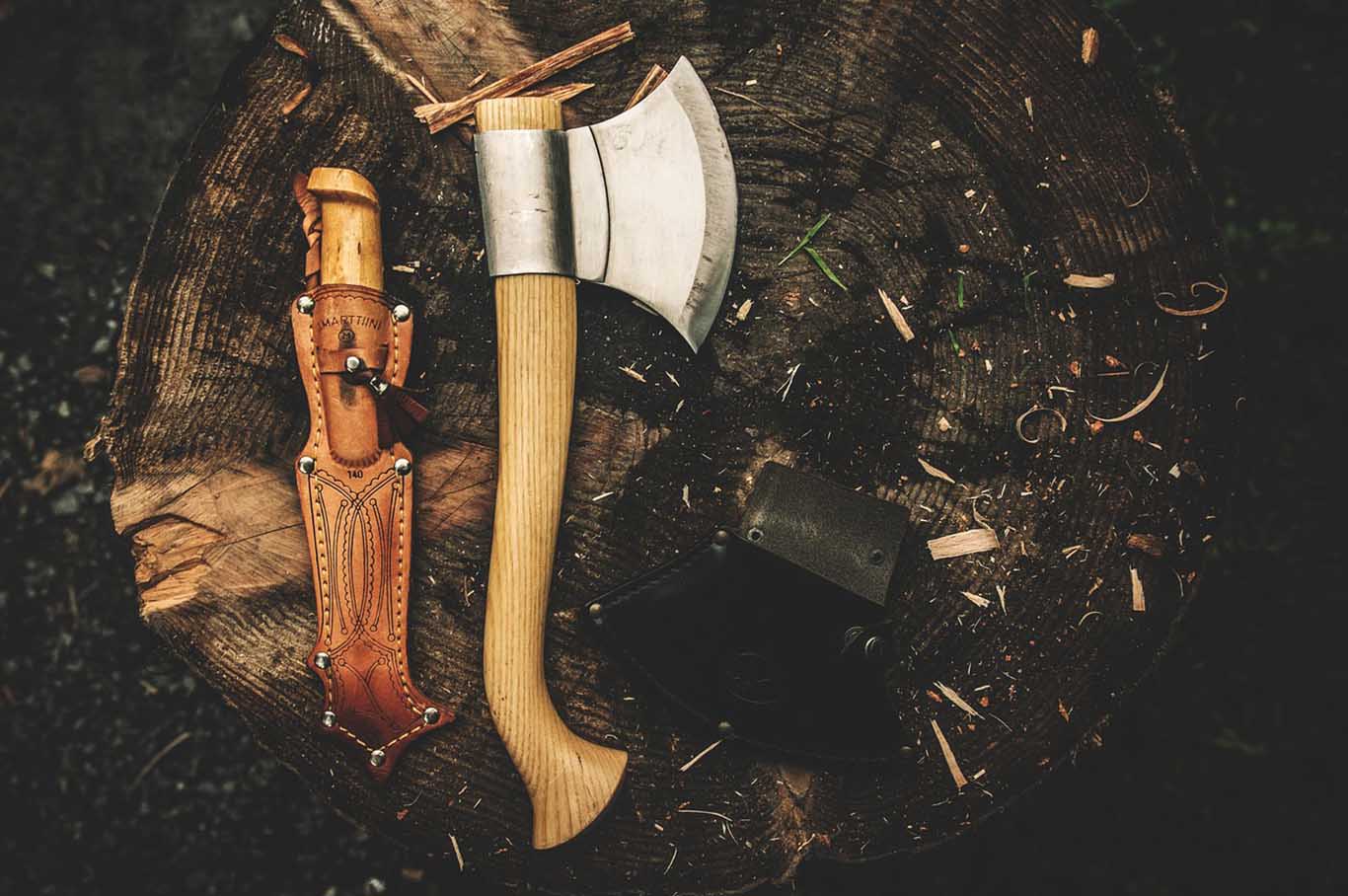
The best survival gear solves likely problems such as losing power, communication, lighting, heat, or access to navigation.
Buy equipment you understand and test it before an emergency.
Useful gear may include:
- LED flashlights and spare batteries;
- Charged power banks or a portable power station;
- Battery-powered or hand-crank radio;
- Paper maps and a compass;
- Multitool, work gloves, and basic repair supplies;
- Fire extinguisher and carbon monoxide alarms;
- Waterproof matches or a permanent match stored safely;
- Weather-appropriate clothing, blankets, and sturdy footwear;
If using a generator, the U.S. Consumer Product Safety Commission says to operate it outdoors, at least 20 feet from the home, with the exhaust directed away from doors, windows, and vents.
Store fuel only in approved containers, outside living areas, and according to local fire regulations.
Avoid buying dramatic equipment you cannot safely operate.
Prioritize reliable tools, practical training, and items suited to local risks.
You can view additional preparedness equipment, but compare each product against your actual emergency plan before purchasing.
How to Prepare for the Apocalypse: Build Practical Skills
Emergency supplies eventually run out, batteries fail, and equipment breaks.
Practical skills help you adapt when professional assistance, utilities, or familiar services are temporarily unavailable.
Focus on learning how to:
- Perform first aid and CPR through a certified course;
- Purify and store water safely;
- Prepare food without electricity;
- Grow herbs and vegetables;
- Read paper maps and navigate without a phone;
- Shut off household water, gas, and electricity safely;
- Make basic clothing, shelter, and equipment repairs;
- Use a fire extinguisher correctly;
- Communicate and coordinate with neighbors.
Building independence may require learning something new every day, but it does not mean preparing to live without human connection.
Friends, family, neighbors, and trained community members can share knowledge, tools, transportation, and emotional support during a crisis.
Mental resilience also comes from practice, not deliberately depriving yourself of comfort.
Complete a first-aid course, grow one edible plant, cook a meal without electricity, and rehearse a short power-outage plan.
Small, realistic exercises build more useful confidence than imagining yourself surviving entirely alone.
Learn Practical Self-Defense

Personal safety during an emergency is less about fighting and more about recognizing danger early, avoiding confrontation, and reaching safety.
Quality self-defense training can improve awareness, confidence, fitness, and decision-making under pressure.
Focus on learning how to:
- Identify exits and avoid unsafe areas;
- Maintain distance from a potential threat;
- Use clear verbal boundaries and de-escalation;
- Break away and escape from common holds;
- Protect vulnerable household members;
- Contact emergency services when available;
- Provide first aid after an injury;
- Understand local self-defense laws.
A reputable martial arts or jiu-jitsu class can teach these skills in a supervised setting.
If you own a firearm, follow all applicable laws and obtain professional safety, storage, and handling training.
The objective is not to win a fight. It is to avoid unnecessary danger, protect yourself and others, and leave the situation safely.
Protect Your Physical and Mental Health
Emergency preparedness is easier when your body can handle ordinary demands such as walking several miles, carrying supplies, climbing stairs, or remaining active without normal conveniences.
You do not need to be in peak athletic condition; you need strength, mobility, endurance, and health needs that are managed as well as possible.
Build practical readiness by:
- Walking regularly and improving cardiovascular endurance;
- Practicing safe lifting and carrying;
- Developing basic strength, balance, and flexibility;
- Keeping prescriptions, glasses, and medical supplies current;
- Maintaining routine medical and dental care;
- Protecting sleep, hydration, and nutrition;
- Using healthy techniques to manage stress;
- Understanding your physical limits and planning around them.
Mental readiness is equally important. Simple self-care practices, supportive relationships, and a rehearsed emergency plan can help you think more clearly under pressure.
Preparedness should accommodate chronic conditions, disabilities, age, and mobility needs, not assume everyone has the same physical abilities.
How to Prepare for the Apocalypse: Consider a Safe Shelter

A private bunker is not essential for most emergencies, but a properly designed storm shelter or secondary location may help in areas exposed to tornadoes, wildfires, or other serious hazards.
A safe shelter requires:
- Professional structural design and local permits;
- Reliable ventilation and emergency exits;
- Water, food, medication, sanitation, and bedding;
- Lighting, communication tools, and backup power;
- Regular inspections and rotated supplies;
Never build or occupy an underground shelter without qualified engineering guidance.
Poor ventilation, flooding, fire, or a blocked exit can make an improvised bunker more dangerous than the emergency itself.
Create a Backup Communication System
Phone calls, mobile data, and internet service may become unreliable during a major emergency.
Decide in advance how your household will exchange information, reunite, and receive official updates.
Your communication plan should include:
- Two predetermined family meeting locations;
- A trusted out-of-area contact;
- Important phone numbers written on paper;
- Local emergency-alert subscriptions;
- A battery-powered or hand-crank radio;
- Charged power banks and spare charging cables;
- Two-way radios for short-range household communication.
Text messages may go through when calls cannot because they use less network capacity.
For news, monitor official emergency broadcasts rather than rumors or unauthorized communications.
Test the plan with your household so everyone knows which method to try next if the first one fails.
Pack a 72-Hour Go Bag
A GOOD bag—“Get Out of Dodge” bag—is more commonly called a go bag or bug-out bag.
It should contain the essentials needed to leave home quickly and manage the first 72 hours of an evacuation.
Pack:
- Water and compact, nonperishable food;
- Prescription medication and a first-aid kit;
- Weather-appropriate clothing and sturdy shoes;
- Flashlight, batteries, radio, and power bank;
- Hygiene products and face masks;
- Copies of identification, contacts, and insurance details;
- Cash in small denominations;
- Paper maps, keys, and a basic multitool;
- Supplies for children, pets, or medical needs;
Keep the bag light enough to carry safely. Store it near an exit, review it every six months, and replace expired food, water, medication, and batteries.
Its purpose is a safe evacuation—not combat or indefinite wilderness survival.
Build Community, Not Just Supplies

Preparedness is not only about protecting yourself.
During natural disasters, medical emergencies, blackouts, or evacuations, resilient communities share information, check on vulnerable neighbors, and combine skills and resources.
You can contribute by:
- Learning your neighbors’ names and emergency needs;
- Volunteering with local preparedness organizations;
- Sharing verified information instead of rumors;
- Supporting peaceful civic participation;
- Reducing waste and protecting local resources;
- Checking on older adults, disabled neighbors, and isolated residents;
- Treating frightened people with patience and respect;
Many global risks are larger than one person can solve.
However, cooperation, responsible voting, community involvement, and everyday kindness can reduce division and help people respond more effectively when a crisis occurs.
Survival is rarely an individual achievement; strong communities protect more people.
How to Prepare for the Apocalypse: Start With One Practical Step
Preparing for the apocalypse does not require living in fear or immediately buying a bunker.
It means becoming more capable of handling realistic emergencies when electricity, water, communication, transportation, or medical access is disrupted.
Begin this week by:
- Creating a household emergency plan;
- Packing a 72-hour go bag;
- Storing several days of food and water;
- Checking medications and first-aid supplies;
- Choosing family meeting locations;
- Testing radios, flashlights, and power banks;
- Learning one practical emergency skill;
- Connecting with neighbors who may need help;
Preparedness cannot guarantee complete safety, but it can reduce panic and give your household more options.
Follow official instructions on whether to evacuate or shelter in place, “hunkering down” is not appropriate for every emergency.
The deeper goal is not to spend your life expecting the end of the world.
It is to feel confident that if ordinary systems fail temporarily, you can protect what matters, make calmer decisions, and help others through the disruption.