Cooking With Olive Oil: Essential Dos and Don’ts
✨ Key Points
- Olive oil is suitable for most everyday home-cooking methods.
- Heart-health benefits depend on replacing saturated fat, not simply adding more oil.
- Protect quality by controlling heat and storing the bottle correctly.
Olive oil is a versatile cooking fat used for sautéing, roasting, baking, marinades, dressings, and finishing dishes.
Despite a common myth, its unsaturated-fat content does not make it unsuitable for cooking.
Research shows that olive oil remains stable under many everyday cooking conditions, although excessive heat can reduce its flavour and some beneficial compounds.
Olive oil is rich in oleic acid, a monounsaturated fat.
According to the FDA, limited but credible evidence suggests that oils high in oleic acid may support heart health when they replace fats higher in saturated fat without increasing total calorie intake.
However, olive oil should not be described as a cure for high cholesterol, digestive disorders, or depression.
Its potential benefits depend on the overall diet, quantity consumed, and what it replaces.
Before cooking, consider:
- Extra-virgin olive oil offers stronger flavour and more natural antioxidants.
- Refined olive oil has a milder taste and may suit higher-temperature cooking.
- Do not allow the oil to smoke or develop a burnt smell.
- Store it away from heat, air, and direct light.
- Avoid repeatedly reheating the same oil.
- Check the harvest date, packaging, origin, and quality certification.
Brands such as Partanna can complement recipes inspired by an Italian food tradition, but freshness, storage, and intended use matter more than the brand name alone.
This guide explains the most important dos and don’ts of cooking with olive oil so you can protect its flavour, avoid common mistakes, and choose the right variety for each recipe.
The Difference Between Standard Virgin Olive Oil & Extra Virgin Olive Oil
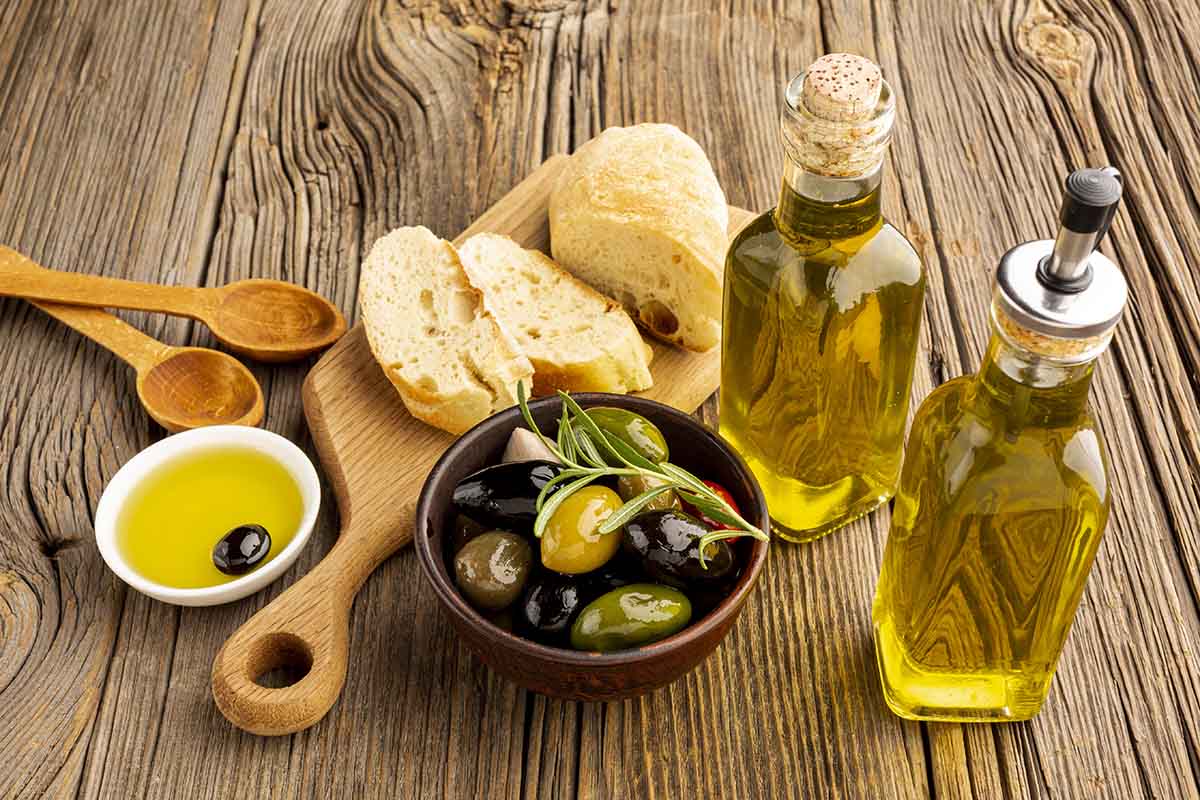
Both these varying kinds of olive oil are extracted from olive fruits after grinding the olives, to preserve the natural taste, pungency, flavor, and maximum amount of benefits.
The method used to extract oil directly from olive is known as ‘cold-pressing.’
Cold-pressing helps retain the oil’s flavor, which keeps deteriorating as time passes and as much as it gets exposed to high temperatures.
In order to make extra virgin olive oil, however, the oil is further processed and even undergoes more blending using chemical solvents.
Now that we know exactly what the difference between standard virgin olive oil and extra virgin olive oil is, let’s find out what the do’s and do n’ts of cooking with olive oil are.
- Use in Salads and Paste. Partanna Organic Olive Oil helps in balancing the level of acidity in high-acid foods such as vinegar, tomatoes, lemon and adds another level of salads. Just by drizzling a little of the olive oil on the salads or even mixing it in any salad dressing can bring life to the greens and also kinds of pasta. It’s also a healthier version of all oils.
- Use in Marinades. If you are having a barbeque, roast, grilled, or even fried meat or seafood, it tastes way better if it is marinated for more extended periods, especially overnight or for a longer time. Even vegetables taste so much better when you use olive oil for marinades.
- Use for Post cooking depth & flavor. Some food, especially baked and or fresh, deserve a generous drizzle of olive oil to tie down the entire food and explode a burst of flavors in one’s mouth. It always adds depth to the dish.
- Use in Sides and Appetizers. To create amazing sides and appetizers, mix boiled garlic, beans, and other veggies of your preference in a food processor – and then add some fresh herbs for aroma and flavors. You could even make a healthy dip to toast your bread, baguette, and even rub them lightly with a clove of garlic, and drizzle some amazing Partanna organic olive oil.
- Use for Sauces – Sauces are such a beautiful blend of items with a good dash of olive oil. It is considered to be extremely healthy and flavourful. Mix all the ingredients and whisk them well. Using olive oil helps emulsify and blend sauces.
Olive oils are also the best gifts one can give to friends and other friends and relatives.
If you have a friend who is especially into cooking, then giving them a package of olive oil and their different kinds, especially ordered straight from the bylanes of Italy, infused with the ripeness and acidity or the olive oil, could as well be a perfect gift for them.
Conclusion: Cook Confidently With Olive Oil
Olive oil can make everyday home cooking simpler, more flavourful, and more enjoyable.
Used correctly, it works well for sautéing vegetables, roasting, baking, preparing dressings, and finishing meals.
Its real-life benefits include helping you:
- Prepare more homemade meals.
- Add flavour without complicated sauces.
- Enjoy vegetables, grains, and salads in new ways.
- Replace some fats higher in saturated fat.
- Reduce food waste by transforming simple ingredients.
- Build cooking skills and confidence.
- Create meaningful meals with family or friends.
Choose a fresh oil that suits your recipe, store it away from heat and light, and stop heating it if it begins to smoke.
Remember that olive oil is still calorie-dense, so use an amount that fits your overall diet.
Begin with something simple: roast seasonal vegetables, prepare a homemade dressing, or finish soup with a small drizzle.
Learning to use one quality ingredient well can turn routine meal preparation into a creative habit you genuinely enjoy.