
Most Businesses Think Social Media Is Digital Marketing Until They Start Losing Customers
✨ Key Points
- Digital marketing is broad, encompassing SEO, content marketing, and email, whereas social media marketing focuses solely on platforms like Facebook and Instagram.
- Social media is a component of digital marketing, not its entirety; businesses can choose the most effective channels for their goals.
- Effective digital marketing strategies are targeted and adapted in real-time, using a mix of tools like Google Ads and SEO; social media offers fast interaction and feedback.
A lot of businesses think they are doing digital marketing because they post on Instagram a few times a week.
But getting likes and actually building a profitable online business are two very different things.
In 2026, attention has become one of the most valuable currencies online.
According to DataReportal, the average internet user now spends over 2 hours daily on social media platforms, while HubSpot reports that short-form video continues to generate some of the highest engagement and ROI across digital channels.
At the same time, Gartner predicts traditional search traffic will continue shifting as AI-powered search and recommendation systems change how people discover brands online.
That is why businesses are competing for:
- Attention;
- Visibility;
- Emotional connection;
- Trust;
- Repeat engagement.
Social media marketing helps brands get noticed.
Digital marketing helps turn that attention into long-term growth, leads, and customer loyalty.
The difference between digital marketing and social media marketing is simple:
- Social media creates visibility;
- Digital marketing builds the full customer journey.
This is one reason Meta’s AI-driven feeds, TikTok’s recommendation algorithm, and creator-focused platforms have completely changed how brands grow online. Businesses now need visibility across multiple channels, not just one social platform.
Modern digital marketing often includes:
- SEO and AI search visibility;
- Blogging and content marketing;
- Email marketing;
- Paid ads and retargeting;
- Social media and creator content;
- Community building and brand storytelling.
The brands winning online right now are usually not the ones posting the most.
They are the ones building trust everywhere people search, scroll, watch, and ask questions online.
Digital Marketing
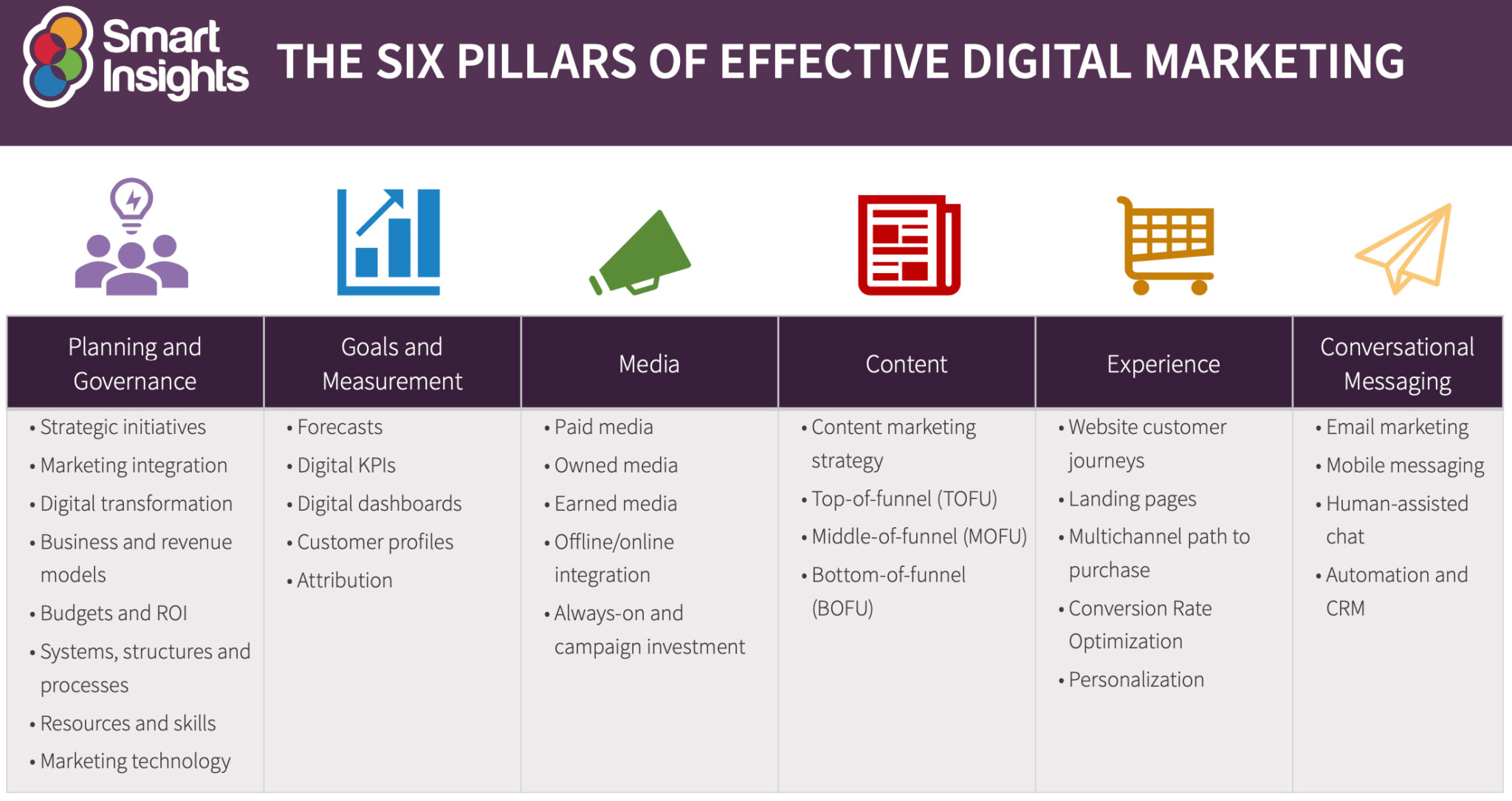
Digital marketing aims to give value to a company by using a variety of online channels to increase sales and revenue, brand awareness, and customer loyalty.
Marketers often assess a digital marketing strategy to monitor the success of their advertising and to make changes in real time.
A few technologies are used in marketing via digital channels, including calendars for content, Google Ads, website analytics, and SEO (search engine optimization). Incorporated within a digital marketing plan are the following:
- Website design and development;
- SEO or Search Engine Optimisation;
- Organic and paid advertising;
- Analytics;
- Marketing content across different platforms;
- Affiliate marketing;
- Native advertising;
- Email marketing;
- Social media marketing.
✨Digital marketing advice: You should know the buyer’s journey and the most effective approaches to use at each stage, whether you’re releasing a new video or publishing a pay-per-click advertisement.
No matter how clever your advertisements or content marketing are, they won’t work if they aren’t shown to your target audience at the appropriate moment.
An excellent digital marketing example is this by one of the best UK online casinos, Casumo.
A short 20-second advert involving the Casumo creatures who are boredom-busters.
The Casumos are here to fight boredom through entertainment. The point of online gambling is to have fun and be entertained; the Casumo creatures reminded us of that.
Social Media Marketing
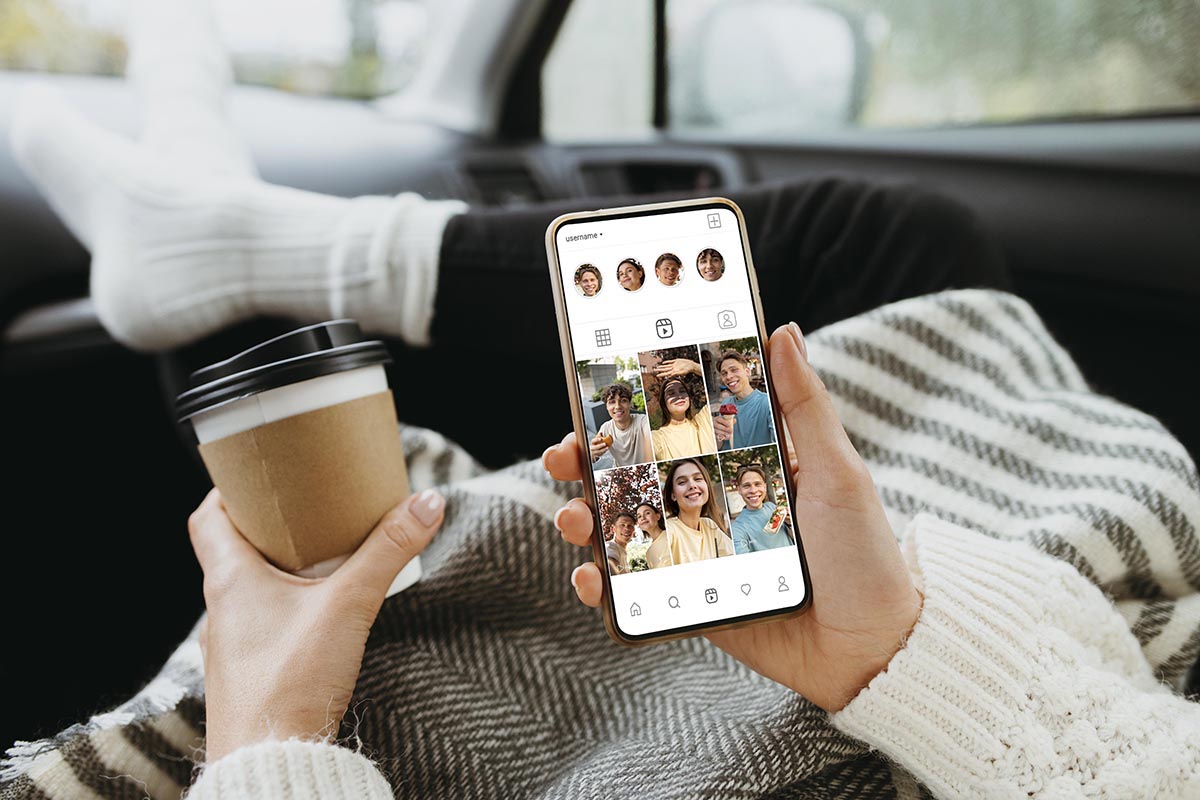
Social media platforms, including Meta, Instagram, YouTube, X, TikTok, Pinterest, LinkedIn, Snapchat, and others, are the basis of social media marketing.
Digital marketing’s core principles remain the same; social media is only one application.
To view the company’s image, ensure visibility, and claim the interest of people who will most likely be interested in the brand’s message and products, digital marketers choose the channels that they use carefully.
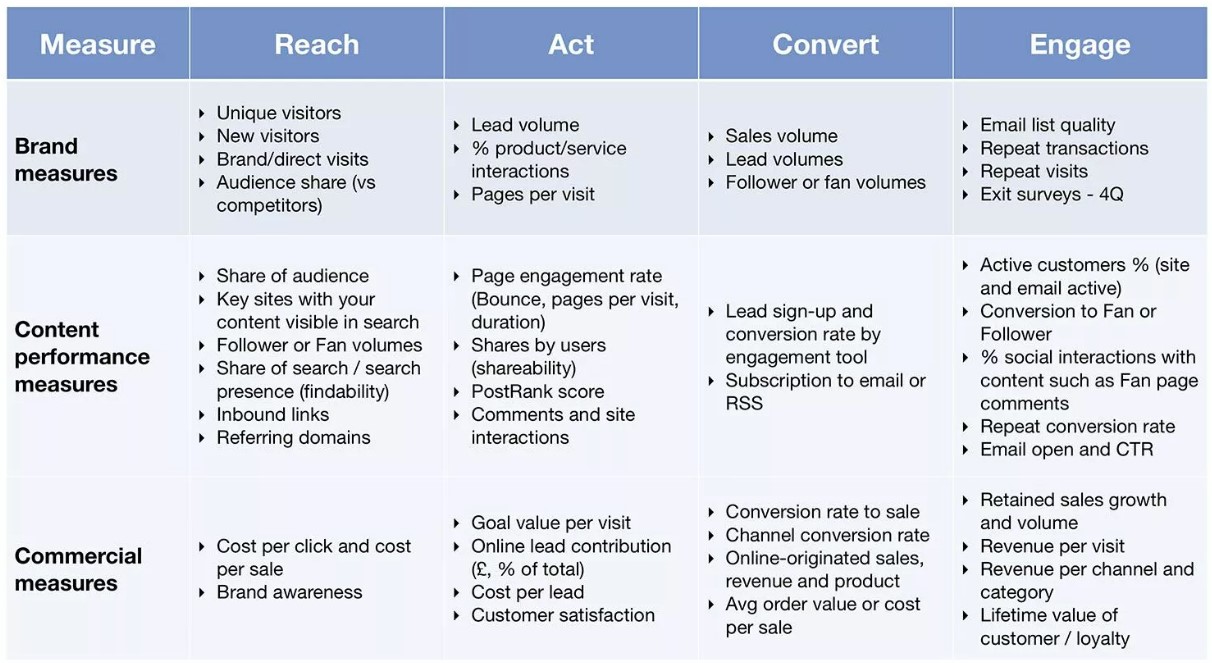
Social media is a marketing strategy that includes a lot of things but is not limited to them:
- Customer engagement;
- Conversion and follower analytics;
- Influencer marketing;
- Organic and paid marketing;
- Content planning and publishing;
- Community engagement through direct messages and polls;
- Analytics analysis;
- Follower engagement.
Social groups and communities are top places to promote exclusive discounts, content, and services.
Similar online communities to your own can aid in brand recognition and provide insightful customer feedback to improve your strategy and content.
A great example of a company that used social media marketing, especially influencer marketing, to its advantage is Gymshark.
A fitness apparel company solely used the power of influencers to market its brand, which is now flourishing at £1 billion.
Not every digital marketing channel needs to be used in your marketing plan.
However, knowing how social media fits into your marketing strategy can help you develop a system that boosts consumer engagement and generates more organic leads.
Conclusion