Exterior Design Trends Shaping Homes in 2027
✨ Key Points
- Outdoor spaces are becoming everyday rooms: Patios, decks, gardens, and covered areas are being designed for dining, working, relaxing, and entertaining.
- Performance matters as much as appearance: Durable materials, energy-efficient openings, drainage, shade, and climate resilience can provide more value than decorative changes alone.
- Warm, individual exteriors are replacing rigid formulas: Nature-inspired colors, layered materials, and architectural details allow homes to feel personal while remaining cohesive.
Exterior design in 2027 is expected to focus less on short-lived decorative trends and more on how a home performs every day. Homeowners are looking for exteriors that feel warmer, require less maintenance, withstand local weather, and create a stronger connection between indoor and outdoor spaces.
This forecast is based on the latest information available in 2026.
The 2026 U.S. Houzz Outdoor Trends Study, which surveyed 1,191 U.S. homeowners, shows that outdoor projects are increasingly designed around comfort, dining, relaxation, and everyday use.
The National Association of Home Builders also identifies large windows, natural light, energy efficiency, and climate-responsive design as important influences on modern homes.
Color is also becoming more personal and connected to nature. Sherwin-Williams’ official 2027 Colormix Forecast emphasizes layered, expressive palettes rather than one rigid look.
The strongest exterior design trends for 2027 include:
- Outdoor areas designed as usable living spaces;
- Larger windows and doors connecting indoors with patios and gardens;
- Warm, nature-inspired colors and textured materials;
- Durable, low-maintenance exterior products;
- Climate-conscious landscaping and energy-efficient upgrades;
Before following any trend, consider:
- Your home’s architectural style;
- Local heat, rain, wind, snow, and wildfire exposure;
- Long-term maintenance requirements;
- Energy and water use;
- Material lifespan and warranty;
- Local permits and installation standards;
- How your household will actually use the space.
A larger opening or a new set of exterior doors can improve the connection between interior rooms and outdoor living areas.
However, doors and windows should be selected for energy performance, security, weather resistance, and compatibility with the home, not appearance alone.
Here are five practical exterior design trends likely to influence homes in 2027 and how to use them without making your property feel dated a few years later.
Design Outdoor Spaces Around Wellness
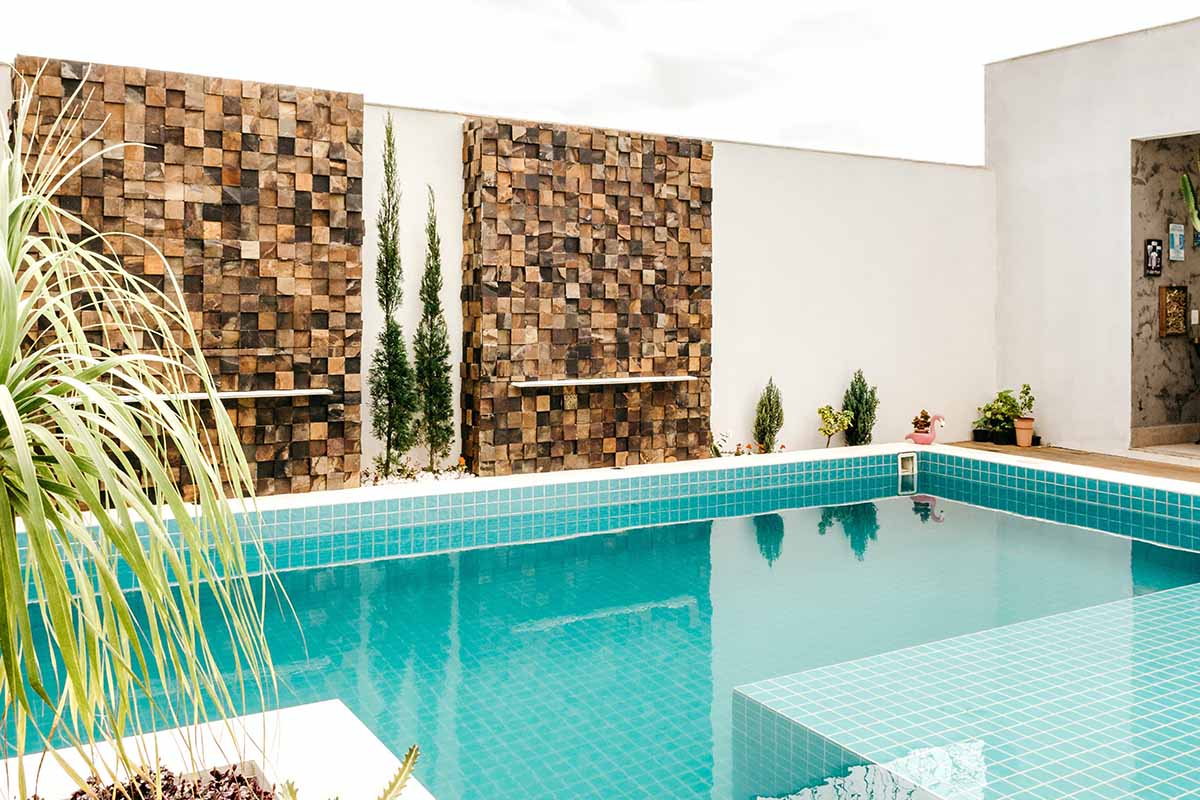
In 2027, wellness-focused exterior design is expected to move beyond decorative gardens.
Homeowners are creating outdoor spaces that make it easier to rest, move, socialize, and spend meaningful time in nature.
Practical wellness features include:
- Shaded seating for reading or quiet conversation;
- Native plants that support birds and pollinators;
- Private garden areas for relaxation;
- Smooth, well-lit walking paths;
- Outdoor kitchens and dining areas;
- Spaces for yoga, stretching, or exercise;
- Trees, pergolas, and screens that reduce heat and glare;
- Outdoor showers near pools, gardens, or beaches;
Choose durable, low-emission, and sustainably sourced materials when practical.
Designs should also include comfortable seating, slip-resistant surfaces, accessible pathways, adequate lighting, and protection from intense sun.
Outdoor showers require more than an attractive enclosure.
Before installation, consider privacy, drainage, water use, local plumbing rules, and surfaces that remain safe when wet.
A wellness-oriented exterior does not need to resemble a luxury spa.
Even a small bench under a tree or a quiet corner surrounded by plants can create a valuable place to pause, breathe, and reconnect with the outdoors.
The Art Deco Revival

Art Deco is returning through geometric details, stepped forms, contrasting colors, decorative metalwork, and luxurious materials.
Rather than redesigning an entire façade, homeowners can introduce the style through:
- Geometric doors and windows;
- Brass or black metal lighting;
- Fluted glass and patterned railings;
- Symmetrical landscaping;
- Bold house numbers and entry details;
Seattle offers plenty of local inspiration. Notable Art Deco buildings include the Seattle Tower, Exchange Building, Washington Athletic Club, and Harborview Medical Center.
Use these details selectively and respect the home’s original architecture.
A few strong Art Deco accents usually feel more timeless than forcing the full style onto a building that was designed for a different era.
Workspaces With Outdoor Connection
As hybrid and remote work continue, exterior design is expanding to include garden offices, detached studios, converted sheds, and indoor workspaces with direct access to patios or courtyards.
A practical home workspace should include:
- Reliable power and high-speed internet;
- Natural light with glare and heat control;
- Insulation, ventilation, and climate control;
- Built-in storage and an ergonomic desk;
- Comfortable seating;
- Privacy from household and street noise;
- Secure doors and windows;
- A pleasant view or direct outdoor access;
Match the workspace exterior to the main home through coordinated siding, roofing, colors, or landscaping.
Before constructing a detached office, confirm local zoning, setback, electrical, and permit requirements.
The goal is not simply to create a stylish place for video calls.
A separate, comfortable workspace can improve concentration and make it easier to leave work behind at the end of the day.
Multifunctional Outdoor Living
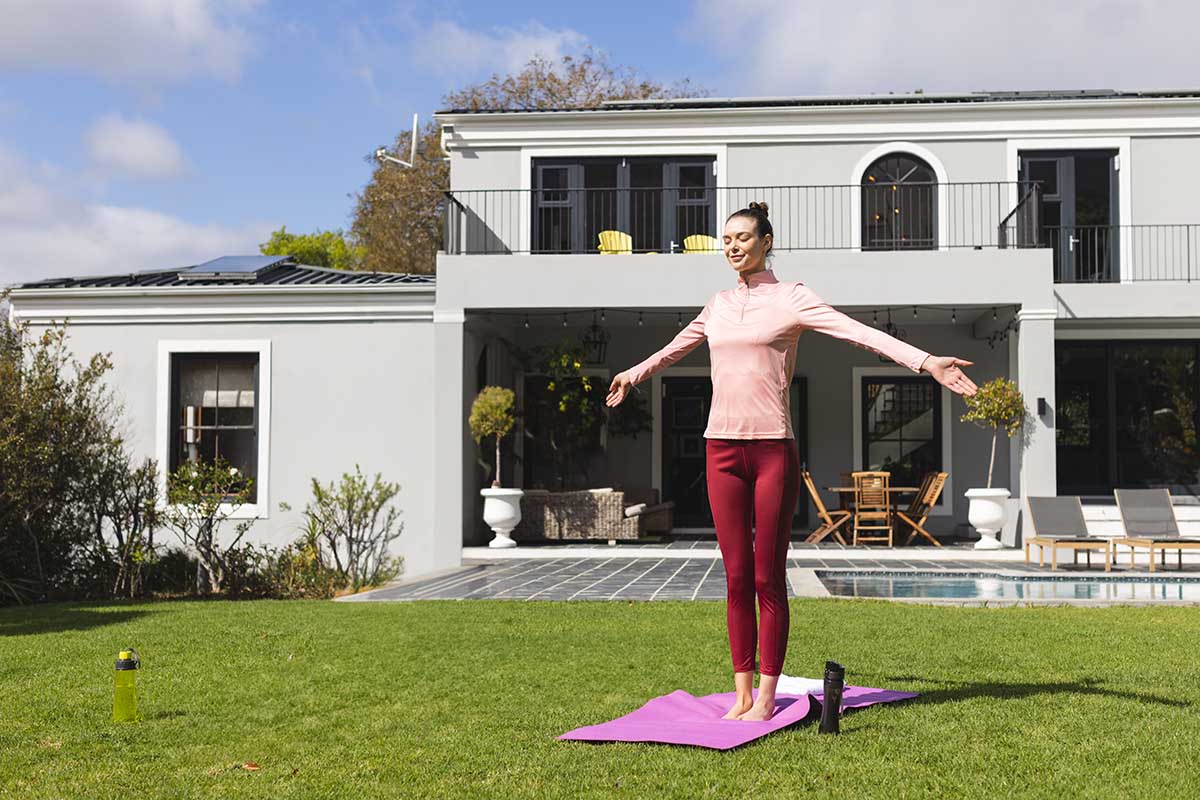
In 2027, homeowners are expected to demand more from every part of their property.
Patios, porches, garages, side yards, and detached structures can serve several purposes instead of remaining limited to occasional use.
Practical additions include:
- Outdoor kitchens with covered storage;
- Dining areas that convert into workspaces;
- Covered exercise or yoga zones;
- Garden offices and creative studios;
- Built-in benches with hidden storage;
- Flexible lighting for tasks and entertaining;
- Native gardens with freestanding birdhouses;
- EV chargers and secure bicycle storage;
Avoid attaching birdhouses directly to siding unless the system is designed to prevent moisture, pests, and maintenance problems.
A freestanding post or nearby tree may be safer for both the building and the birds.
The most useful multifunctional spaces are not filled with features.
They are planned around activities your household will perform regularly.
A Better-Designed Laundry and Mudroom Entry
The laundry room and mudroom connect interior routines with exterior design.
A thoughtfully planned side or back entrance can manage wet clothing, muddy shoes, pet supplies, packages, sports equipment, and household storage before clutter reaches the main living areas.
Consider adding:
- Covered exterior access;
- Durable, slip-resistant flooring;
- Built-in benches and closed storage;
- Hooks for coats, bags, and pet leads;
- A utility sink or pet-washing station;
- Energy-efficient appliances;
- Ventilation and moisture-resistant finishes;
- Bright task lighting;
- Space for recycling and household supplies;
A coordinated door, exterior light, path, and overhang can make this hardworking entrance feel intentional. Explore additional ways of using extra space around your home.
Final Thoughts on Exterior Design Trends for 2027
The strongest exterior design trends for 2027 are not about copying one color, material, or architectural style. They reflect a broader shift toward homes that support daily life more effectively.
Before beginning a project:
- Prioritize safety, durability, and climate suitability.
- Respect the home’s original architecture.
- Choose features your household will actually use.
- Calculate maintenance and operating costs.
- Improve energy and water efficiency where practical.
- Confirm permits, warranties, and installation requirements.
- Add personality through details that can evolve over time.
A successful exterior should do more than improve curb appeal.
It should make arriving home feel easier, encourage more time outdoors, and create spaces where people can work, rest, gather, and feel protected.
Trends will change, but those deeper needs will remain.
Design for them, and your exterior is far more likely to feel relevant well beyond 2027.