
Business Ideas You Can Start at Home
✨ Key Takeaways
- Your existing skills don’t need improvement, they need repositioning so others clearly see how they reduce effort, risk, or confusion.
- Income grows when you simplify decisions for others through curation, systems, or clarity, not when you try to be the most talented.
- The fastest home-based income comes from applying what you already know in a focused way, not learning something completely new.
If you’re honest, the frustration doesn’t come from not having ideas.
It comes from having too many ideas and no clear sense of which one is actually grounded in real life, real time, and real energy.
You’re not scrolling success stories at midnight because you think they’re magic.
You’re scrolling because you’re trying to see what starting actually looks like without someone skipping the messy middle.
So this isn’t a list of clever concepts.
This is a grounded, conversational walk-through of home-based business ideas that real creative freelancers and mid-career professionals start from ordinary homes, ordinary evenings, and very ordinary doubts.
I’m going to explain what each idea actually is, how people really begin, and why it works for someone who already knows the problem and is circling toward a solution.
Why “Home-Based” Is Not a Limitation Anymore
Here’s one illusion worth letting go of early: working from home is not the small version of success. It’s the testing ground.
Most people who look like overnight successes started exactly where you are now, with a laptop on a kitchen table, a phone full of screenshots, and a nagging sense that they were capable of more than they were currently using.
You’re not behind. You’re just at the phase where execution matters more than imagination.
Starting an Ecommerce Store When You Don’t Want to Be Generic
When people say “start an ecommerce store,” it often sounds like code for competing with strangers on price or running ads you don’t understand yet.
That’s not what this looks like in real life for creative people.
A realistic version starts with taste. Maybe you’ve always noticed vintage bags in better condition than what most people carry.
Maybe you understand why certain hardware, stitching, or leather aging matters.
An ecommerce store here doesn’t begin with a warehouse.
It begins with you sourcing five to ten pieces you genuinely believe in, photographing them well at home, and explaining why each one is special.
You might start by selling vintage Couch-era bags, not because they’re trendy, but because you’ve learned how to spot the difference between mass-produced pieces and the ones with better craftsmanship, heavier hardware, and unique patina.
Your product pages don’t just list dimensions.
They tell short stories. Where it was sourced. What makes it rare. Why it won’t be restocked.
This works because people aren’t buying objects anymore. They’re buying confidence.
They want someone else to decide what’s worth owning so they don’t have to.
From home, you’re testing demand, learning pricing, and building trust long before you scale.
There is such a wide variety of things that you can sell in an e-commerce store it really is up to you to find what your interests are.
Many people have much success selling a specific type of sticker, t-shirts, bags, and even their own artwork.
What do you like to sell? Become like the CIA and spy on your completion. This way, you’ll be sure to enter the market effectively.
Thrifting and Flipping: What It Actually Looks Like in Real Life

Let’s talk about thrifting properly, because it gets dismissed as casual when it’s anything but.
A real example looks like this: on a Saturday morning, you go to places like Goodwill or Salvation Army, not wandering aimlessly, but with a trained eye.
You’re looking for solid wood furniture instead of particle board, vintage lamps with weight, chairs with good lines even if the upholstery is ugly.
You bring something home that cost you $5 -$10. You clean it properly, maybe you sand and refinish it, or reupholster it with modern fabric.
You photograph it in natural light in your living room and list it with an explanation of what it was, what you changed, and why it now fits a certain aesthetic.
This isn’t about flipping junk. It’s about learning how to see value where others don’t.
The illusion to break here is that thrifting is unskilled labor. It isn’t. It’s pattern recognition, patience, and restraint. Over time, you know what sells.
You know what styles move fast. You know what to leave behind.
From home, this can grow into furniture, décor, vintage silver, or accessories, all curated under a clear point of view.
Selling Vintage and Thrifted Items as a Curated Brand
Selling thrifted items becomes a business when you stop thinking like a reseller and start thinking like an editor.
Instead of listing everything you find, you choose a lane.
Maybe it’s vintage silver jewelry with real weight and craftsmanship. Maybe it’s leather bags from a specific decade.
Maybe it’s furniture that fits small apartments.
Your Instagram becomes a visual catalog, not a sales dump. You explain why a clasp matters.
You explain how to style a piece. You show how age adds character instead of subtracting value.
People don’t follow accounts that sell things. They follow accounts that teach taste.
This model works beautifully from home because inventory stays manageable, margins are higher, and your voice becomes the differentiator.
Virtual Assistant Businesses That Don’t Feel Like Being an Assistant

A virtual assistant business only feels limiting when it’s generic.
A more realistic and sustainable version looks like this: you notice that founders and creatives struggle with organization, follow-through, and systems.
You specialize in one or two things you’re already good at, such as setting up content calendars, managing inboxes, or creating client onboarding workflows.
You’re not doing random tasks. You’re building order where there was chaos.
From home, you work with fewer clients at higher rates because you solve a defined problem.
Over time, this becomes consulting, systems setup, or operations support, all without leaving your house.
Starting a UGC Business Without Becoming an Influencer
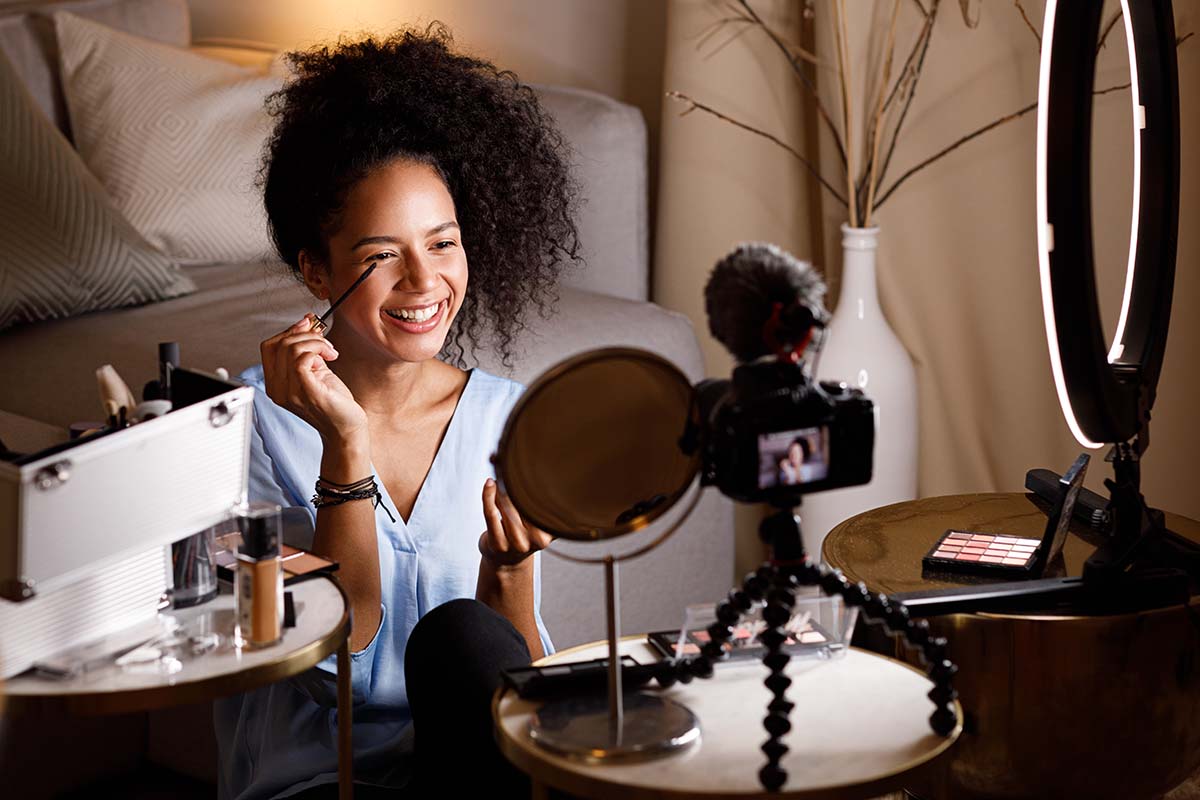
UGC, or user-generated content, sounds intimidating until you see what brands are actually paying for.
Brands don’t need celebrities. They need believable people using their products in normal environments.
That means filming short videos at home, at your desk, in your kitchen, or on your couch, showing how something fits into everyday life.
You might record yourself unboxing a product, demonstrating how it works, or explaining why it solves a specific problem.
The content isn’t about you. It’s about making the product feel trustworthy.
If you already understand storytelling, framing, and tone, this becomes surprisingly natural. You pitch brands with examples, not promises.
You explain how your content helps them sell without sounding like an ad.
This works from home because authenticity is the product. No studio. No audience required.
Making and Selling Crafts as a Business, Not a Hobby
If you create things, the mistake isn’t lack of talent. It’s lack of framing.
Instead of offering endless variations, you limit your collection.
You document your process. You explain why each piece exists.
You sell in drops instead of open-ended catalogs.
This approach respects your energy and your audience’s attention.
From home, this grows slowly but sustainably, especially when buyers feel connected to the story behind what they’re buying.
People are always searching for one-of-a-kind goods and gifts that they can give people.
If you’re capable of providing them with customizable gifts you will be successful.
Why Old Strategies Haven’t Worked Yet
Here’s the truth that’s uncomfortable but freeing: it’s not that you haven’t tried enough. It’s that you’ve been waiting to feel ready before committing.
Calling yourself practical is often easier than admitting you’re afraid to outgrow the version of yourself everyone recognizes.
Progress comes when you choose one direction and let reality teach you instead of waiting for certainty.
The Only Next Step That Actually Matters
Because you’re problem-aware and solution-aware, the next move isn’t more research.
It’s choosing one idea and staying with it long enough to see feedback.
Fourteen days of focused action will teach you more than fourteen months of scrolling.
Closing Thought
You’re not stuck because you lack ability. You’re stuck because you’ve outgrown the way you’ve been using it.
Home-based business ideas aren’t about playing small.
They’re about building something real in a way that fits your actual life, not a fantasy schedule.
Start where you are and imperfectly – just start!