Psychological Triggers Driving Loyalty in 2026
✨Key Points
- Nostalgia Sells: Gen Z romanticizes the past. Brands use newspapers & retro aesthetics to create exclusivity & emotional connection.
- Sensory Marketing Works: Products that mimic food textures & scents trigger cravings, making non-edible items feel irresistible & desirable.
- Luxury Becomes Accessible: High-end brands open cafés, letting Gen Z “taste” prestige affordably, turning exclusivity into an experience.
Gen Z doesn’t simply buy products they invest in experiences, emotions, and identity alignment.
In 2026, loyalty is shaped less by price or utility and more by what behavioral science calls micro-experiential reinforcement.
This generation craves authenticity, nostalgia, and immersive environments that activate emotion on a subconscious level.
They do not just want to wear a brand; they want to live inside its world.
In 2026, Gen Z loyalty is no longer about the product, but the sensory and emotional “micro-experience” a brand provides.
This shift is part of broader experience economy trends 2026, where purchasing decisions are increasingly influenced by dopamine-driven consumption patterns and emotional memory formation.
Successful brands now apply neuromarketing frameworks rather than generic demographic targeting.
To thrive in this environment, your strategy must align with three core psychological triggers that shape Gen Z loyalty, influence emotional decision-making, and reinforce long-term brand attachment.
Sensory Immersion & Cross-Modal Perception
Gen Z responds strongly to sensory marketing experiences that stimulate multiple senses simultaneously.
This connects to the concept of cross-modal perception, where visual cues influence taste, texture, and emotional interpretation.
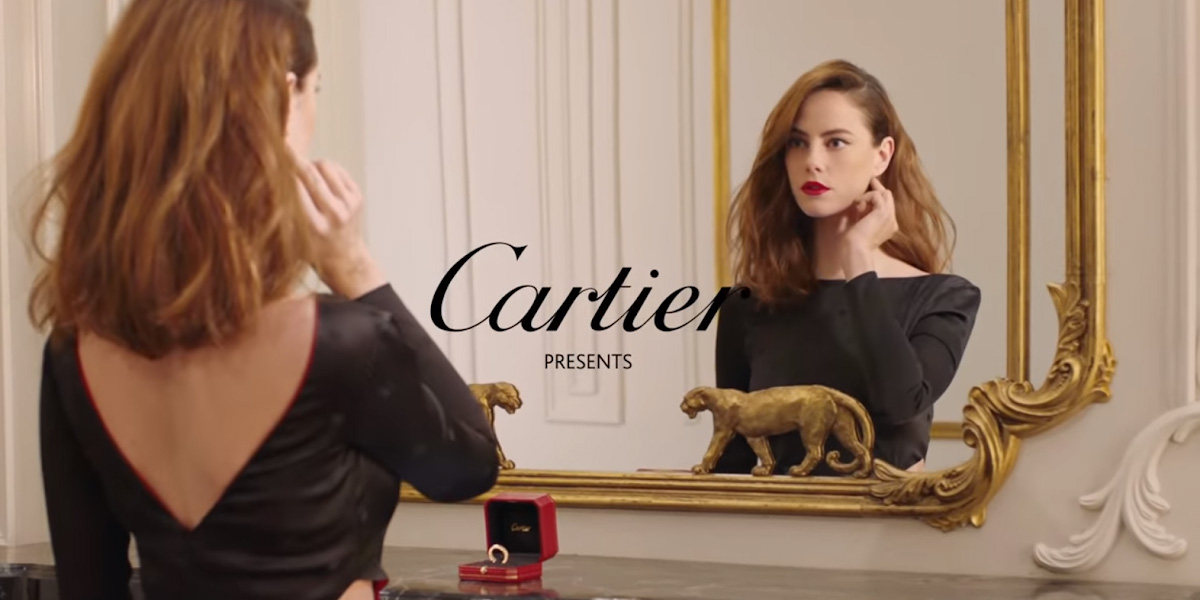
For example, luxury brand cafés and immersive pop-ups are not just retail spaces; they are carefully engineered sensory ecosystems.
This is why luxury brand cafés marketing strategy works.
A Prada café is not selling coffee it is activating powerful psychological triggers through atmosphere, visual storytelling, and shareable moments.
The environment stimulates emotional memory formation, which deepens brand attachment and reinforces long-term loyalty.
Key applications:
Multi-sensory retail spaces;
“Edible aesthetic branding” (food designed for visual virality;)
Texture, sound, and scent integration in product environments.
Modern Nostalgia & Emotional Anchoring
Gen Z is deeply influenced by modern brand nostalgia marketing.
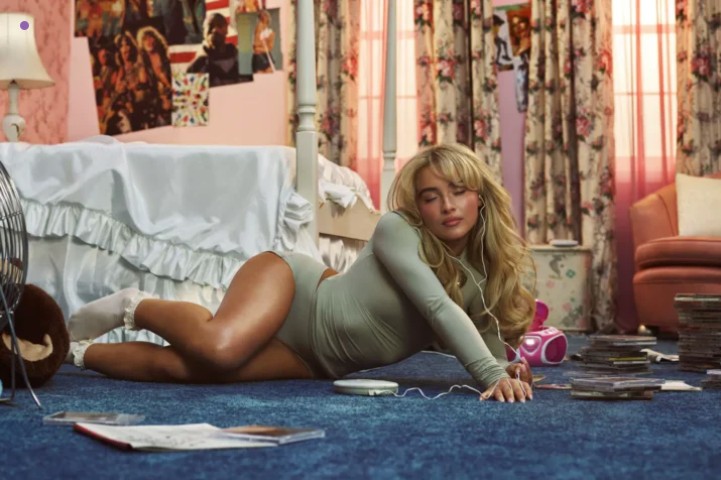
Brands are reintroducing early-2000s aesthetics, analog elements, and retro design to trigger emotional anchoring.
Nostalgia activates comfort pathways in the brain, reducing purchase resistance and increasing perceived authenticity.
This explains the rise of:
Disposable camera aesthetics;
Vintage-inspired packaging;
Analog storytelling formats;
Nostalgia builds emotional safety and emotional safety builds loyalty.
Dopamine-Driven Micro-Experiences (Neuromarketing Perspective)
Gen Z consumption behavior is closely tied to dopamine-driven consumption patterns shaped by social media reinforcement loops and amplified by underlying psychological triggers that influence attention, reward anticipation, and emotional decision-making.
However, this is not just a cultural trend it is neurological.
From a neuromarketing standpoint, micro-rewards such as aesthetic packaging, unboxing rituals, and interactive digital environments activate the brain’s reward circuitry.
Each small novelty cue releases dopamine, reinforcing brand memory and increasing repeat engagement.
But what makes “edible aesthetics” and luxury brand cafés so powerful goes deeper than visual appeal.
This effect is connected to cross-modal perception the scientific principle that one sensory input (such as sight) can influence how another sense (such as taste or touch) is experienced. For example, visually pleasing food presentation can enhance perceived flavor intensity.
When a luxury café designs a space with curated colors, textures, lighting, and plating, it activates multiple sensory pathways simultaneously, strengthening emotional recall.
Closely related is the concept of synesthesia in marketing, where brands intentionally blend sensory cues to create heightened emotional impact.
A visually immersive environment can activate powerful psychological triggers, stimulating imagined taste, texture, or warmth before the product is even consumed, strengthening anticipation and emotional engagement.
This amplifies anticipation, which further increases dopamine release.
Brands that understand these principles focus on:
- Shareable “moment design” engineered for emotional spikes;
- Limited drops and scarcity loops that stimulate anticipation;
- Immersive storytelling campaigns built around sensory immersion;
- Interactive retail environments that activate multiple senses;
This aligns with sensory commerce strategy, where every touchpoint visual, tactile, auditory, even gustatory is intentionally designed to stimulate emotional activation rather than passive consumption.
In 2026, loyalty is not built through exposure alone; it is built through neurologically reinforced micro-experiences powered by strategic psychological triggers that blend sight, emotion, anticipation, and memory into a cohesive brand ecosystem.
Why This Works
- Gen Z romanticizes the past—even the eras they never lived through.
- Traditional print journalism represents a slower, more intentional way of consuming content.
- Newspapers create a sense of exclusivity—a limited edition feel that’s missing in the digital age.
How Luxury Brands Are Using This Trend
Luxury and fashion brands have already tapped into this retro wave:
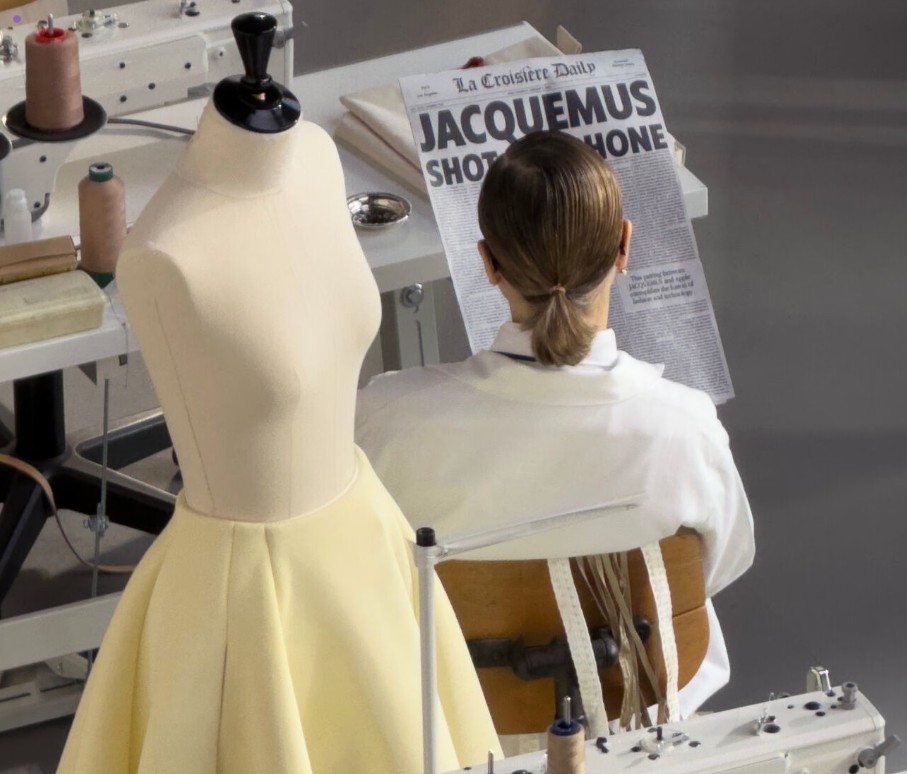
- Jacquemus, Loewe, H&M feature newspapers in their photoshoots, making them part of the brand’s storytelling.
- Newspapers add a layer of physical closeness, making campaigns feel more personal and real.
- They create a limited, collectible feel, much like vinyl records in music.
How You Can Apply This in Your Business
✅ Print limited-edition branded newspapers or magazines for exclusive product launches.
✅ Use newspaper aesthetics in digital ads and product packaging.
✅ Design campaigns that blend past and future, like retro visuals with modern storytelling.
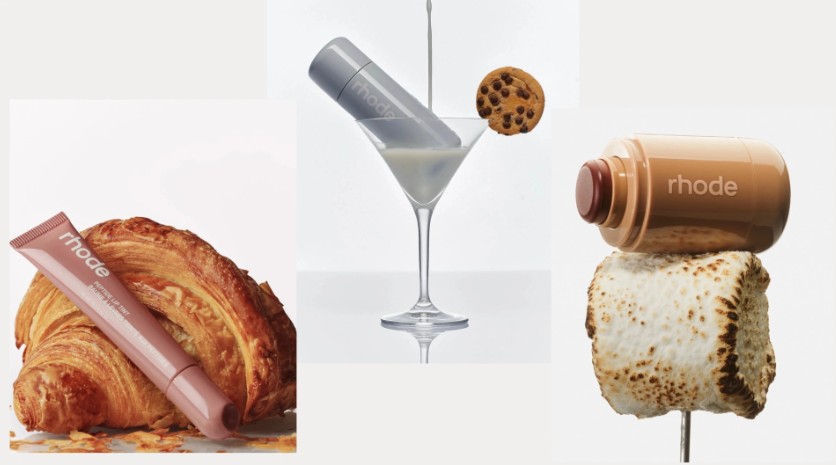
The Edible Aesthetic: When Inedible Things Look Delicious
If you’ve ever seen a bag or a dress that made you feel like you could taste it—you’ve experienced this trend.
Brands are playing with sensory marketing, creating visuals that make you crave non-food items as if they were edible.
Why This Works
- It triggers the brain’s reward system, making you want to own the item.
- It plays on fantasy and escapism, creating an emotional connection.
- It creates a sense of Guilty Pleasure, making the purchase feel like an indulgence.
How Top Brands Are Doing It
- Jacquemus, Rhode, Marc Jacobs, Loewe, Skims—all design products that visually mimic food textures and colors.
- Perfumes are packaged like delicious desserts, skincare products resemble whipped cream, and accessories look like candy.
- This makes products feel more tangible and desirable in a world where digital dominates.
How You Can Apply This in Your Business
✅ Use food-like textures and colors in your branding (think creamy, glossy, or juicy aesthetics).
✅ Design products that visually evoke taste and smell, even if they aren’t edible.
✅ Play with ASMR-style content, where textures and movements create a sensory experience.
Luxury Brand Cafés: Tasting Prestige for the Price of a Latte
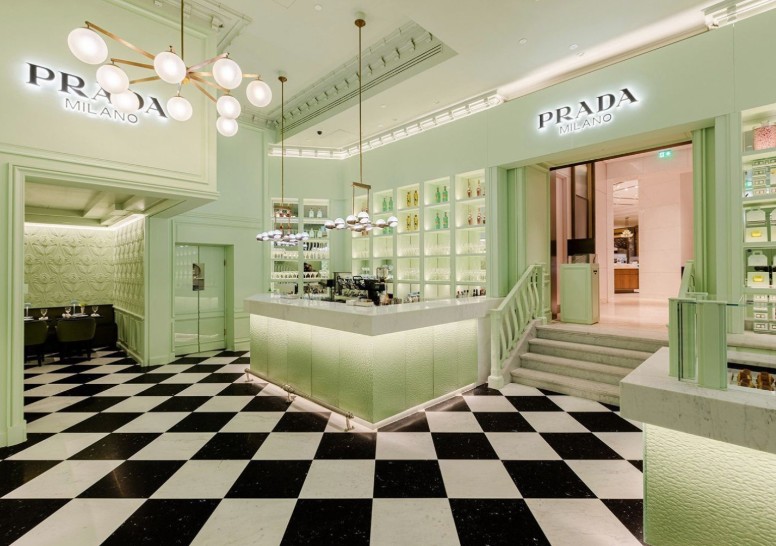
Gen Z might not afford a $3,000 bag, but they can afford a $15 luxury-branded coffee—and brands know it.
That’s why high-end fashion houses are opening cafés worldwide, offering Gen Z a way to experience luxury without spending thousands.
Why This Works
- It makes luxury accessible, even for customers who can’t afford the main product line.
- It turns a brand into a lifestyle, making people feel included.
- It taps into the experience economy, where people would rather spend on a memorable moment than just an object.
How High-End Brands Are Cashing In
- Prada Café, Louis Vuitton, Dior, Miu Miu—all launched their own branded coffee shops.
- They create an aspirational yet accessible experience, where customers feel part of the brand’s world.
- People who might never buy a designer handbag will still pay for a premium latte—and post about it on Instagram.
How You Can Apply This in Your Business
✅ Create low-cost, high-status products that let customers “buy into” your brand.
✅ Offer exclusive, experience-driven events that immerse customers in your brand.
✅ Use food and drink partnerships to make your brand more tangible and interactive.
What This Means for thr Future
These trends aren’t just fads—they’re psychological strategies that create deep loyalty.
Gen Z doesn’t just buy products—they buy into emotions, experiences, and identity.
If your brand can tap into nostalgia, sensory desire, and the experience economy, you’ll win their loyalty for years to come.
Ready to create content that truly connects with Gen Z?
I’ve broken down the exact steps to get your brand into their world—and for now, it’s priced just as affordably as Gen Z expects.
✨High-Value FAQ Section
Q: What is the ‘Edible Aesthetic’ in marketing?
A: The edible aesthetic is a sensory marketing trigger where non-food products (like bags or skincare) are designed with colors, textures, and scents that mimic delicious food. This activates the brain’s reward system, creating an instinctive desire to “consume” the brand.
Q: Why is Gen Z obsessed with nostalgia and retro marketing?
A: Gen Z romanticizes the “analog past” as an escape from digital saturation. Using newspapers, film photography aesthetics, and retro typography creates a sense of “intentionality” and “physical exclusivity” that digital-native brands often lack.
Q: How do luxury brand cafes build customer loyalty?
A: Luxury cafes lower the “barrier to entry” for prestigious brands. By offering a $15 latte instead of a $3,000 bag, brands allow younger consumers to “taste” the lifestyle and participate in the brand’s world, building early-stage emotional investment.
Q: What is the ‘Experience Economy’ for 2026?
A: In 2026, the experience economy focuses on making every digital and physical touchpoint a “shareable moment.” Gen Z prioritizes spending on memorable interactions over physical ownership, forcing brands to become “experience providers” rather than just manufacturers.