Millennial Cringe Is Back — And Why Sincerity Feels Radical Again
✨ Key Points
Millennial cringe is returning because sincerity feels safer than irony. After years of cringe culture, people are craving honest, unguarded self-expression again.
Nostalgia today is about recovering lost values, not reliving the past. The appeal isn’t the 2010s — it’s hope, openness, and emotional permission.
This shift matters for social media and personal branding. Tone is changing from ironic distance to human sincerity, especially in creative work.
Why did we decide that caring too much was embarrassing?
If you’re a millennial, you probably remember when sincerity was normal. We shared Tumblr quote graphics without irony.
We watched spoken-word performances that gave us chills. We believed brands could “change the world” because we wanted to believe people could too.
There was a very specific energy back then. The slam poetry energy showed up everywhere — in ads, captions, graduation speeches — and it felt intense, emotional, and hopeful.
Then it all got labeled Millennial Cringe.
Suddenly, being earnest was embarrassing. If you felt inspired, you had to soften it with sarcasm. Irony became protection.
But lately, those nostalgic hopecore ads are resurfacing — swelling music, sincere voiceovers, unapologetic optimism — and instead of being mocked, they are being embraced.
What used to feel like Millennial Cringe now feels comforting.
After years of burnout and detachment, maybe sincerity is not embarrassing anymore. Maybe it is exactly what we have been missing.
Why Nostalgia Today Isn’t About the Past
Nostalgia used to be about reliving something familiar.
It was comfort food for the brain, a way to revisit a time that felt simpler or safer.
That is not what is happening now.
Today, sincerity nostalgia is less about the past itself and more about trying to recover something we feel has been lost along the way.
It is about values, emotions, and the permission to feel certain things again.
In this case, what people seem to be longing for is not a specific era or aesthetic, but hope itself — or at least the right to believe in it without being mocked.
More specifically, it is the ability to express hope openly, without immediately feeling embarrassed, ironic, or self-conscious for it.
That emotional tension is captured perfectly in No Time to Die.
The song is not about dramatic heroism or clean optimism, but about vulnerability, trust, and the quiet fear of caring when you know it might hurt.
Its meaning resonates because it reflects a generation that still wants to believe, even after disappointment, betrayal, and exhaustion.
This is exactly where millennial sincerity comes back into the picture — not as naïve optimism, but as emotional honesty.
And it is why so many people are quietly asking why sincerity is cool again.
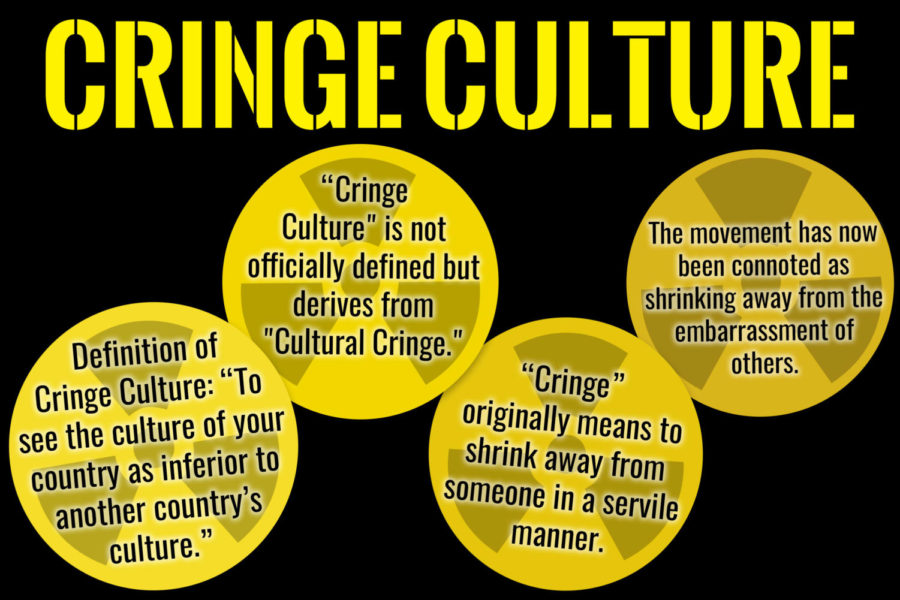
Cringe Culture and the Fear of Being Perceived
If you want to understand why this shift really matters, you have to look at what cringe culture has done to self-expression.
Younger people, especially Gen Z, grew up in a world of constant visibility, where almost everything can be screen-recorded, archived, and potentially made public forever.
There is an ongoing sense of being watched and judged that quietly sits in the background of everyday life.
As a result, social media self-expression can start to feel risky, even dangerous.
I recently overheard a story about a Gen Z person who stopped writing in their diary because they could not stand the idea of someone finding it and reading their inner thoughts.
That is not a joke, and it is not an overreaction.
It is a symptom of how deeply this fear of exposure has settled in.
The desire to express yourself, whether privately or publicly, is fundamental to being human.
When that desire is constrained for long enough, it does not disappear. Instead, it looks for safer places to land.
And somewhat ironically, one of those places has become the most cringe-coded generation of all.
Why Millennials Are the Perfect Cultural Rebound
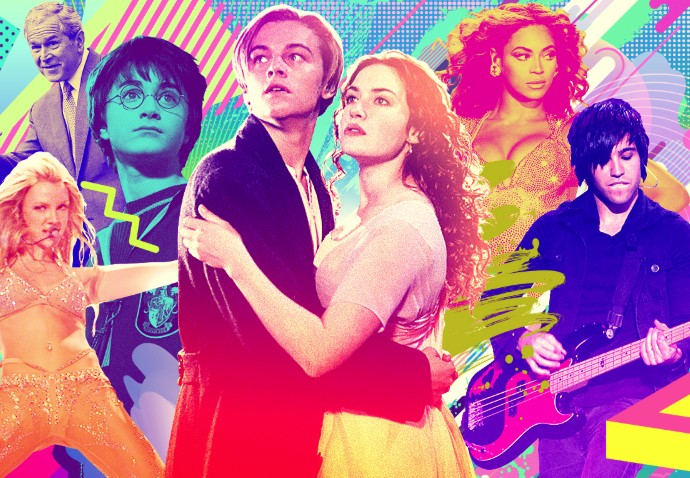
Millennials were essentially the lab rats of social media.
We posted everything, anytime, and usually for no real reason at all.
There were Facebook albums documenting entire weekends, Tumblr confessions that felt way too personal in hindsight, and Instagram captions that clearly tried too hard.
It was sincerity without irony and optimism without disclaimers.
As a result, our digital footprint is massive, embarrassing, and permanent.
Looking back at early millennial internet culture can feel like walking through the ruins of an ancient civilization, one that committed every social sin you were later warned never to try.
And that is exactly why this era is being revisited now.
In a culture shaped by irony vs sincerity, emotional distance, and self-protection, millennial earnestness reads as something almost rebellious.
It meant saying what you felt without cushioning it in sarcasm and believing in something without immediately tearing it down.
Millennial cringe is not coming back because it was polished or flawless.
It is coming back because it was unguarded.
Sincerity Nostalgia and the Search for Meaning
This wave of sincerity nostalgia is not random. It is a direct reaction to exhaustion.
Apathy and irony might be emotionally efficient, but they are dead ends.
They help people protect themselves, yet they do not build anything lasting.
As economic pressure, climate anxiety, and technological uncertainty continue to pile up, people are simply running out of energy to keep pretending that they do not care.
Over time, we have been trained to believe that caring is embarrassing, that optimism is naïve, and that hope must always be justified with data, distance, or irony.
But if anything is going to improve — socially, politically, or culturally — we have to believe that improvement is even possible.
Recent political shifts already show this pattern clearly: movements driven only by fear and rage burn out quickly, while hope, belief, and a shared sense of direction are what actually sustain people over time.
That is why sincerity is having a moment again.
But Let’s Not Romanticize the Past
That said, nostalgia has its limits.
The 2010s were not some kind of golden era.
Early 2010s irony culture emerged in the shadow of the Global Financial Crisis, which was effectively our generation’s version of 1929.
Policies like quantitative easing and years of cheap money inflated asset prices, pushed massive amounts of wealth upward, and quietly laid the groundwork for the cost-of-living crisis we are dealing with today.
That world is gone, and it is not coming back. Which means the goal is not to return to millennial cringe exactly as it was, but to take what actually mattered from it.
That includes the openness, the willingness to feel uncool, and the belief that expressing yourself was worth the risk.
Why This Matters for Social Media, Branding, and Culture
This conversation is especially relevant if you work in:
marketing;
creative industries.
There is a popular idea right now that everyone is logging off, but that is mostly a myth.
Going offline is a privilege.
For most people, visibility is still closely tied to opportunity, income, and connection.
What is actually changing is not how much people use platforms, but the tone they use on them.
We are moving away from hyper-polished irony and toward something more human.
It is messier, sometimes slightly embarrassing, and much more honest.
Millennial cringe works in this moment because it reminds people that self-expression does not need permission.
So Yes — Millennial Cringe Is Back

Millennial cringe is not coming back because the past was better or because everything was fine.
It is coming back because sincerity feels radical again. In a culture obsessed with detachment, caring out loud has become a form of rebellion.
This is not about going backward or reliving old aesthetics. It is about moving forward with fewer filters, less self-protection, and more willingness to be seen.
As we move deeper into cultural trends 2026, it might be time for millennials to dust off that optimism.
We are not returning to the past, but we are finally allowing ourselves to express what we actually feel.