
How Spirituality for Nervous System Regulation Can Reduce Stress and Lower Cortisol Naturally
Has stress taken control of your day more often than you’d like, leaving your confidence shaky and your energy drained before the afternoon even hits?
If that sounds familiar, it may be time to look beyond generic mindfulness tips and explore spirituality for nervous system regulation, an approach gaining serious traction in 2026 because it focuses on measurable biological outcomes, not just feel-good advice.
Research shows chronic stress keeps cortisol elevated, and the American Psychological Association reports that 76% of adults experience physical symptoms caused by stress, while multiple studies on breathwork and meditation show cortisol reductions of up to 20–30% with consistent practice.
This is why many people are turning to spiritual practices for burnout recovery as part of a human-centered wellness routine that supports both emotional and physiological healing.
When practiced intentionally, these methods help shift the body from a sympathetic fight-or-flight state into parasympathetic recovery mode, where clarity, emotional balance, and real resilience begin.
If you are exploring ways of reducing cortisol through spiritual rituals, focus on simple, repeatable actions that gently signal safety to your nervous system:
- Slow, rhythmic breathing (5 minutes daily can improve heart rate variability and calm stress response;)
- Grounding rituals such as mindful walking, prayer, or time in nature to stabilize the nervous system;
- Short daily reflection or gratitude journaling to reduce mental rumination loops;
- Limiting overstimulation (late-night scrolling, constant notifications) that keeps cortisol elevated;
- Consistent morning or evening rituals that create predictability and emotional safety.
The real shift happens through consistency, not intensity, because both search trends and clinical insights show that burnout recovery improves when spiritual practices are embodied, personal, and biologically calming.
When you practice spirituality for nervous system regulation, it stops feeling abstract and starts working as a practical, evidence-aligned tool.
This approach supports your body directly, helping restore confidence, rebuild resilience, and finally allow your nervous system to exhale.
Through Guided Meditations
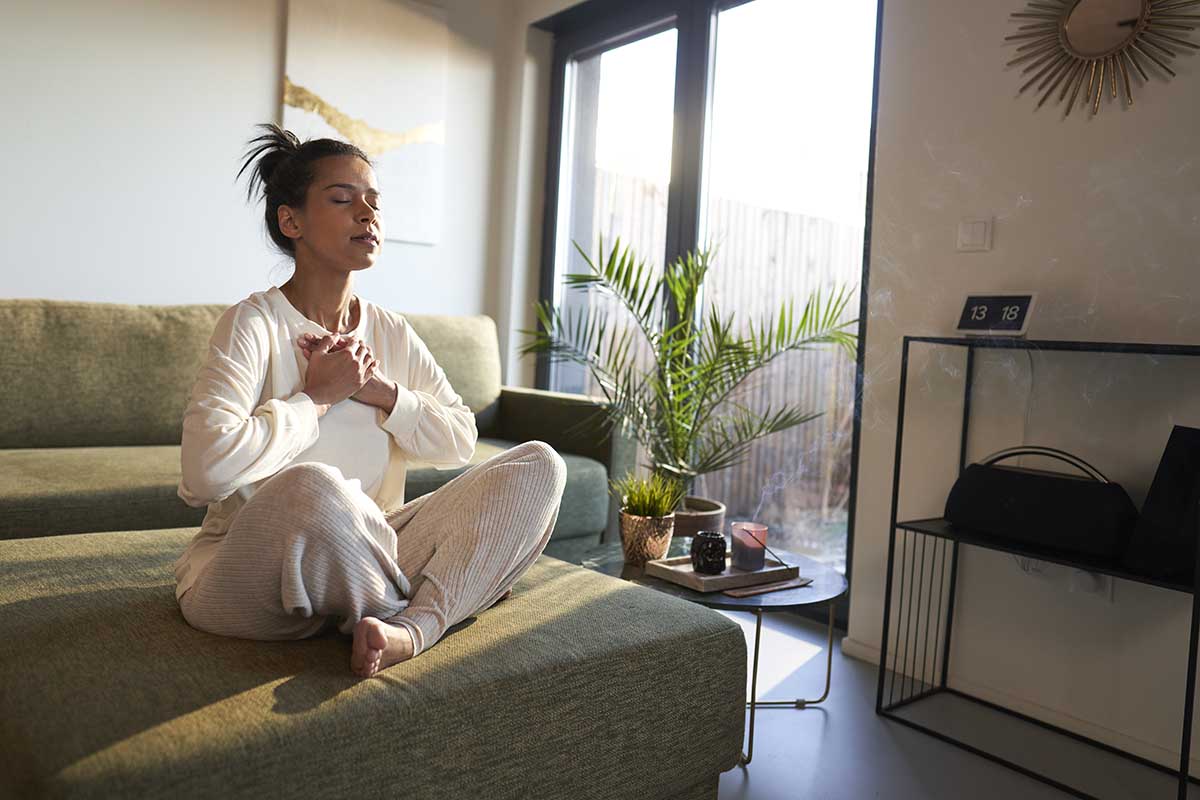
Meditation is one of the best ways to reduce stress.
Meditation works because it puts you in touch with the here and now.
You only think about the present moment, so the rest of the noise essentially washes away.
It can help you overcome negative thought patterns and even improve your sleep.
If you want to go a step further with your spiritual journey, try kundalini awakening guided meditation.
It’s all about awakening dormant energy and connecting you with your higher self.
Incorporating this into your everyday routine will help you see a massive change in your stress levels over time.
By Restoring Emotional Balance
Spirituality is no longer just a soft or abstract idea.
Today, many people use spirituality for nervous system regulation because it helps the body manage stress and feel calmer.
At its core, spirituality helps you notice how your thoughts, emotions, and physical reactions are connected.
This is why experts now recommend spiritual practices for burnout recovery as part of a human-centered healing approach.
When you practice breath prayer, meditation, journaling, or grounding rituals, you begin reducing cortisol through spiritual rituals that signal safety to your nervous system.
Over time, this consistent inner work restores emotional balance and resilience.
It becomes easier to move through daily stress without falling into anger, overwhelm, or despair.
By Making You More Forgiving
Many people experience stress because of the actions of those around them. Spirituality typically encourages and fosters more forgiveness of other people.
When on a spiritual path, you will feel more empathy and compassion for those around you, meaning you are more likely to forgive them and be at peace with their actions, even if they are untoward.
Through Your Connection with Nature
It is proven that being in nature significantly reduces stress.
Spirituality pushes you to be in nature more, as it’s a practice that focuses on interconnectedness, grounding, and peace, all things that nature provides.
When on your spiritual path, you’ll find yourself drawn to greener, wilder areas that will free your mind of stressful thoughts.
By Putting You in Touch with Your Emotions

By putting you in touch with your emotions, spirituality becomes a practical tool for nervous system care, not just a feel-good concept.
Many modern approaches now focus on vagal tone support and somatic spiritual practices, which help the body process stress instead of suppressing it.
A big part of this work is learning that emotional balance does not come from pushing negative feelings away.
Instead, you gently notice what you feel and what is driving it.
This is where emotional resilience through mindfulness begins to build in a real, embodied way.
If you have ever wondered why meditation isn’t working for my stress, the issue is often that the practice stays in the mind while the body remains activated.
A more effective modern spiritual toolkit for stress focuses on small, repeatable nervous system supports:
- Slow breathwork to improve vagal tone support and calm the stress response;
- Gentle movement or grounding walks as somatic spiritual practices;
- Short reflection or journaling to build emotional resilience through mindfulness;
- Tech boundaries to reduce constant nervous system stimulation;
- A simple plan for how to build a daily spiritual reset ritual that feels realistic.
Whether you lean toward secular vs spiritual stress management, the goal is the same: safely process emotions, understand their root, and help your nervous system return to a calmer, regulated state.
By Showing You a Higher Purpose
When you feel connected to a meaningful direction in life, everyday stress often becomes easier to manage.
Research in psychology consistently shows that people with a strong sense of purpose report lower perceived stress and better emotional regulation, because the brain interprets challenges differently when life feels meaningful.
Modern approaches to spirituality for nervous system regulation focus less on abstract belief and more on lived experience.
At its core, spirituality supports inner growth, perspective, and a sense of interconnectedness that helps the body move out of chronic threat mode.
When attention shifts away from constant ego-driven pressure and toward purpose-driven living, the nervous system often settles.
This is why many burnout specialists include spiritual practices for burnout recovery as part of whole-person care.
Practical ways this reduces stress include:
- A clearer sense of meaning, which lowers daily decision fatigue;
- Less emotional reactivity to minor problems that once felt overwhelming;
- Greater perspective during uncertainty or life transitions;
- Improved emotional regulation through purpose-focused reflection;
- More consistent reducing cortisol through spiritual rituals such as prayer, meditation, or values journaling.
Over time, connecting to a higher purpose does not remove life’s challenges, but it changes how your mind and body respond to them.
Small stressors feel less threatening, resilience improves, and your nervous system gains more room to recover between demands.
By Giving You a Sense of Purpose
Finally, being on a spiritual journey gives you a great sense of purpose.
You have a goal, whether that means connecting with a higher power, strengthening your character, or choosing to live more simply and ethically.
This sense of direction is one of the most practical tips to help you stay calm in a busy world, because the nervous system responds well to clarity and predictability.
When your path feels defined, your brain spends less energy on constant second-guessing and decision fatigue.
Having a clearly defined purpose also increases your sense of control, which research links to lower perceived stress and better emotional regulation.
Instead of reacting to every distraction or pressure, you move with intention.
Over time, this purpose-driven focus helps stabilize your mood, conserve mental energy, and make daily challenges feel more manageable.