
11 Hobbies for Curious People Who Love Learning
✨ Key Points
The older I get, the more I notice something strange about everyday life: at a certain point, everything starts to feel the same.
You take the same streets, follow the same routines, see the same buildings, and eventually your brain barely registers what is around you.
And simply having more free time does not necessarily fix it.
Americans had about 5.1 hours of leisure time per day in 2024, according to the U.S. Bureau of Labor Statistics, with television taking up more than half of it.
Having time and feeling genuinely curious, engaged, and inspired are very different things.
As someone who loves exploring, I’ve found that one of the best ways to break that sameness is not necessarily to travel farther, but to give my brain something new to notice.
Research on novelty suggests that encountering new information engages brain systems involved in learning and memory.
That is why I’m increasingly drawn to hobbies that make life more interesting by changing how you see ordinary things:
- Notice how an Art Deco building uses geometry, materials, and light.
- Learn why raw wool hangs differently from polyester.
- Watch how a director creates tension through shadow and framing.
- Study a vintage chair and discover why its shape belongs to a particular design era.
These are more than creative hobbies for adults or ways to fill a weekend.
They develop visual literacy, observation skills, curiosity, and lifelong learning.
The more you understand what you are looking at, the harder it becomes for the world around you to feel completely ordinary.
Many are also hobbies you can complete on the go, turning a commute, neighborhood walk, weekend trip, or quiet afternoon into an opportunity to discover something new.
Here are 11 accessible hobbies for curious people who want to learn new things, train their eye, and make everyday life feel interesting again.
Learn to Recognize Architectural Styles

Learning to recognize architecture is one of those hobbies that make life more interesting because it turns something as ordinary as walking around your city into an exercise in discovery.
Instead of simply passing buildings, you begin noticing shapes, materials, windows, decorative details, and proportions. Start by learning a few easy-to-recognize styles:
- Art Deco: geometric patterns, symmetry, stepped forms, bold decorative details, and streamlined shapes.
- Art Nouveau: flowing curves, floral motifs, organic forms, and decorative ironwork inspired by nature.
- Baroque: dramatic ornamentation, grand proportions, curves, columns, and elaborate sculptural details.
- Mid-Century Modern: clean lines, large windows, open forms, minimal decoration, and an emphasis on function.
For example, once you recognize Art Deco’s geometry and stepped shapes, an old theater or apartment building you have passed dozens of times suddenly becomes something worth stopping to examine.
Start with one style, learn three or four defining features, and look for real examples during your walks.
Eventually, an ordinary street can start feeling like an open-air design museum.
Explore the History of Perfumery

Among creative hobbies for adults, perfumery is especially fascinating because it combines chemistry, history, culture, and personal taste.
Every fragrance has a structure, concentration, ingredients, and often a story connected to a particular era.
Start by learning a few basics:
- Fragrance structure: top, heart, and base notes that develop over time.
- Concentration: eau de toilette, eau de parfum, and parfum contain different concentrations of fragrance oils.
- Fragrance families: floral, woody, amber, fresh, and chypre are useful starting points for understanding scent.
- Perfume history: iconic fragrances can reveal changing ideas about fashion, luxury, gender, and culture.
The more you learn, the more intentional choosing a fragrance becomes.
You stop asking only, “Do I like it?” and start recognizing why a particular scent feels fresh, warm, sophisticated, nostalgic, or memorable
Study the History of Table Setting

Among hobbies that make life more interesting, studying table setting is surprisingly practical.
Those different glasses, forks, knives, and plates are not random, they reflect centuries of changing dining traditions, trade, technology, and ideas about hospitality.
Start with a few basics:
- Forks and knives: their shapes often developed for specific foods, from fish and oysters to steak and dessert.
- Glassware: wine, Champagne, cocktails, and spirits traditionally use different shapes designed around the drink.
- Place settings: utensils are generally arranged according to the order in which they will be used.
- Dining traditions: etiquette differs across countries and cultures, making it an interesting way to explore social history.
Even basic knowledge can make hosting, choosing glassware, attending a formal dinner, or simply setting a beautiful table feel more intentional, and give you a new appreciation for objects you use every day.
Discover the Etymology of Words

Etymology is one of the easiest hobbies for curious people because almost any word can become a small piece of history.
It explores where words originated, how they traveled between languages, and why their meanings changed over time.
A few examples show how interesting it can get:
- Salary is connected to the Latin salarium, a term associated with salt and payments or allowances.
- Robot comes from the Czech robota, meaning forced labor or drudgery, and entered popular usage through Karel Čapek’s 1920 play R.U.R.
- Ketchup has a much more complicated history than its American identity suggests, with its name generally traced through Asian trade and languages before the sauce evolved into its modern form.
Start with one word you use every day and trace its history.
Over time, this simple habit can expand your vocabulary while revealing unexpected connections among language, migration, trade, technology, and culture.
Learn to Identify Fabrics

Learning about textiles is one of those creative hobbies for adults that can actually save you money.
Once you understand texture, weight, weave, drape, and fiber content, it becomes easier to recognize quality and understand why two similar-looking garments can feel, and age, completely differently.
Start with a few common fabrics:
- Linen: breathable, slightly crisp, naturally textured, and wrinkles easily.
- Silk: smooth and lightweight with a distinctive drape and natural luster.
- Wool: resilient and insulating, with characteristics that vary considerably by type and construction.
- Cotton: breathable and versatile, ranging from lightweight voile to dense denim.
- Viscose: usually soft and fluid with good drape, but its durability depends on construction and care.
Compare clothes you already own.
Feel the fabric, examine the weave, watch how it moves and creases, and then check the label.
With practice, shopping becomes less about the brand name and more about recognizing materials, construction, and real quality.
Explore the History of Fashion
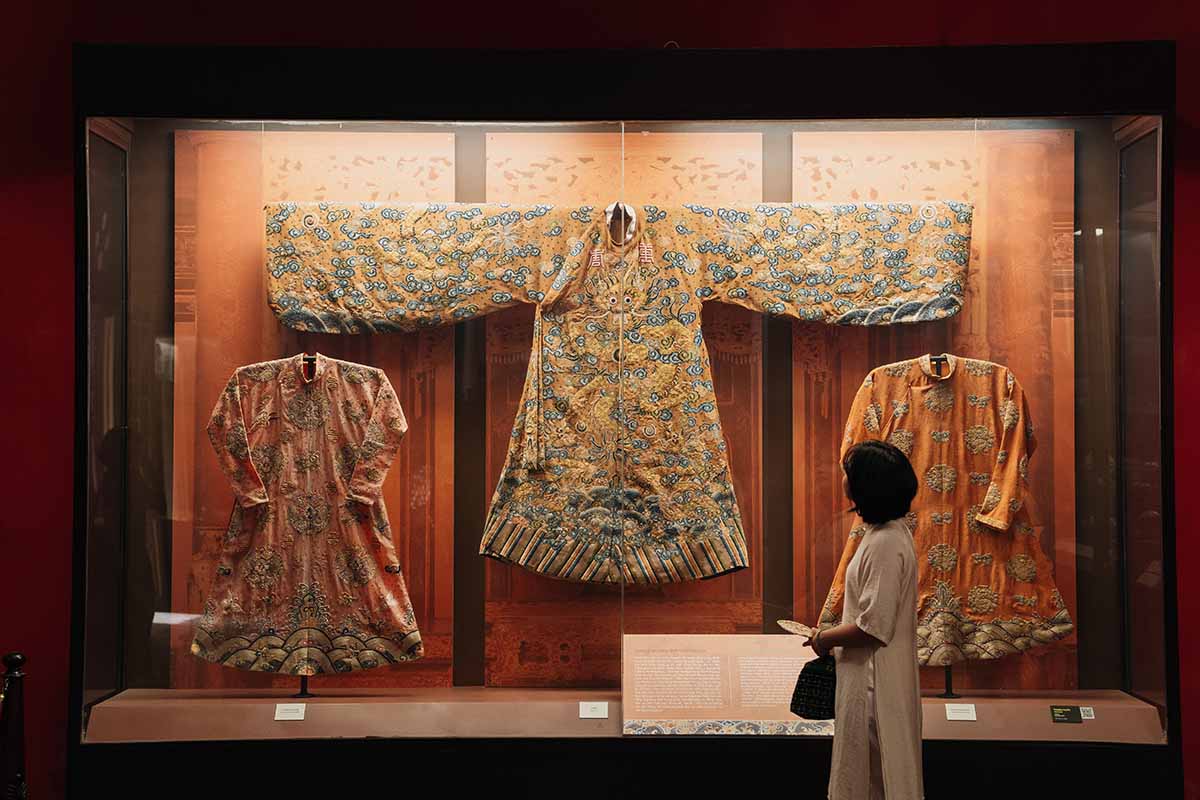
Fashion becomes far more interesting when you understand where familiar garments and silhouettes came from.
A trench coat, little black dress, corset-inspired top, or pair of wide-leg trousers carries traces of the era that shaped it.
Fashion history connects clothing with art, politics, technology, changing gender roles, subcultures, and ideas about beauty.
A few designers are especially interesting starting points:
- Elsa Schiaparelli: brought Surrealism into fashion, collaborating with artists such as Salvador Dalí and turning clothing into provocative art.
- Coco Chanel: helped popularize simpler silhouettes and practical womenswear, including the enduring little black dress.
- Christian Dior: introduced the influential “New Look” in 1947, with defined waists and dramatically full skirts.
- Vivienne Westwood: brought elements of punk and counterculture into high fashion.
Once you recognize these references, trends stop looking entirely new.
You begin to see fashion as an ongoing conversation between past and present, and shopping, museums, old films, and even people-watching become much more interesting.
Learn About Vintage Furniture and Objects
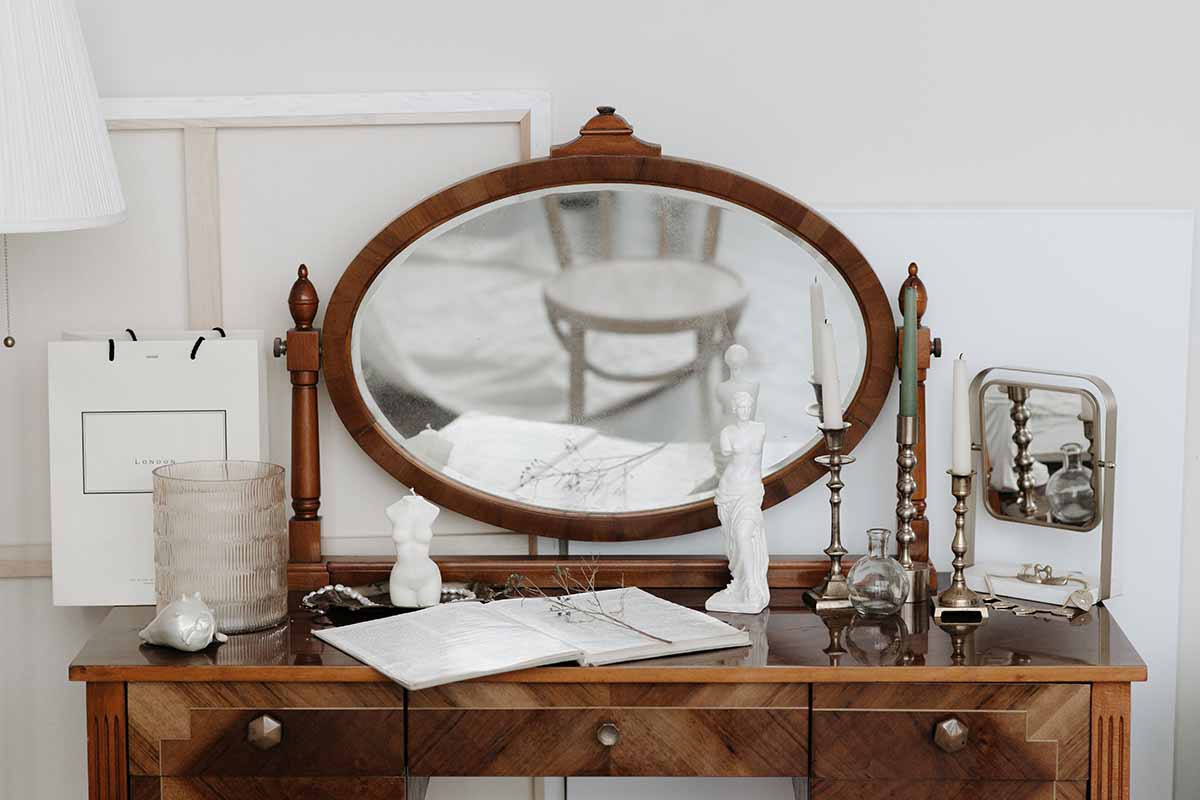
Learning about vintage furniture is one of those hobbies that make life more interesting because antique stores, flea markets, estate sales, and even old family objects suddenly become opportunities for discovery.
Start by recognizing a few major styles:
- Art Deco: geometric shapes, symmetry, glossy finishes, chrome, glass, and luxurious materials.
- Mid-Century Modern: clean lines, tapered legs, simple forms, and woods such as teak and walnut.
- Art Nouveau: flowing curves, botanical motifs, and shapes inspired by nature.
- Victorian: ornate carving, dark woods, elaborate upholstery, and decorative details.
Then look beyond style.
Hardware, joinery, materials, construction methods, labels, and signs of natural aging can provide clues about when and how an object was made.
You do not need to become an appraiser.
Simply learning to recognize an object’s approximate period and design language gives it context, and might occasionally help you spot something special that everyone else walked past.
Solve Logic Problems and Study Game Theory

If you prefer hobbies that expand your mind, combine logic puzzles with game theory, the study of strategic decisions in situations where your outcome can depend on what other people choose to do.
Start with a few approachable examples:
- Prisoner’s dilemma: explores why individually rational choices can sometimes produce worse outcomes for everyone.
- Zero-sum games: one participant’s gain corresponds to another participant’s loss.
- Non-zero-sum games: cooperation can create outcomes in which multiple participants benefit.
- Chess and logic puzzles: train you to consider several possible moves and consequences before acting.
What makes this hobby especially useful is how easily the thinking transfers to real life.
Understanding incentives, probability, cooperation, and competing strategies can change how you approach negotiations, business decisions, planning, and everyday problem-solving.
Study the History of Jewelry
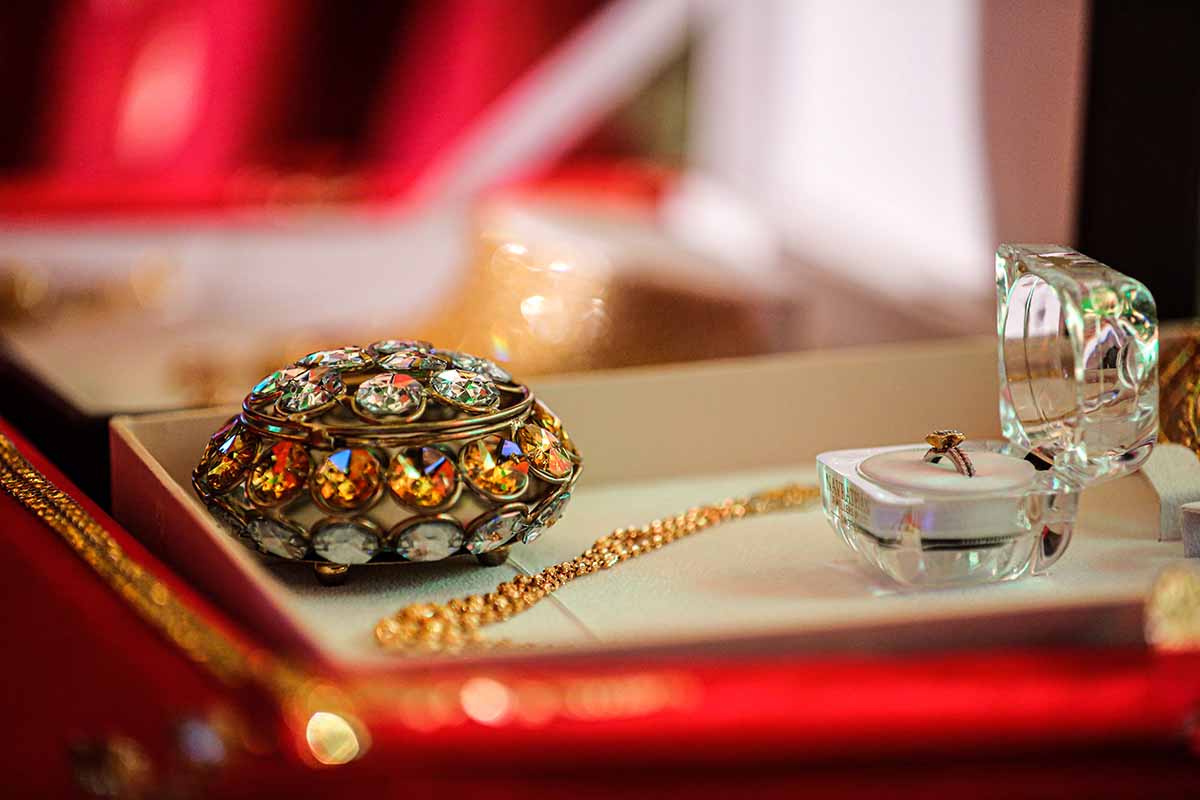
Jewelry reflects far more than personal taste.
Throughout history, it has communicated wealth, status, faith, protection, love, power, mourning, and belonging.
Exploring jewelry history can help you understand why particular gemstones, metals, cuts, and forms became important in different periods.
You may discover why some designs were associated with royalty, how archaeological discoveries influenced fashion, or how new technologies changed the way stones could be cut and set.
After learning these stories, rings, brooches, necklaces, and earrings begin to look like small historical documents.
Learn to Read the Language of Film

Learning film language is one of the most accessible creative hobbies for adults because you can practice it every time you watch a movie.
Directors and cinematographers use framing, light, color, sound, and editing to influence what you notice and how a scene feels.
Start watching for a few techniques:
- Low-angle shots: can make a character appear more powerful or imposing.
- Close-ups: direct attention toward expressions, objects, and small emotional details.
- Color palettes: can establish mood, distinguish places or periods, and reinforce themes.
- Lighting and shadows: can create intimacy, mystery, tension, or visual contrast.
- Silence and sound: can be just as deliberate as dialogue in controlling attention and building anticipation.
Try rewatching a favorite scene with the sound off, then listen to it without looking at the screen.
You may be surprised by how much of the storytelling happens beyond the dialogue.
Understanding these choices does not remove the magic of cinema.
It gives you another layer to enjoy: not only what the story says, but how filmmakers make you feel it.
Learn to Understand Art Masterpieces
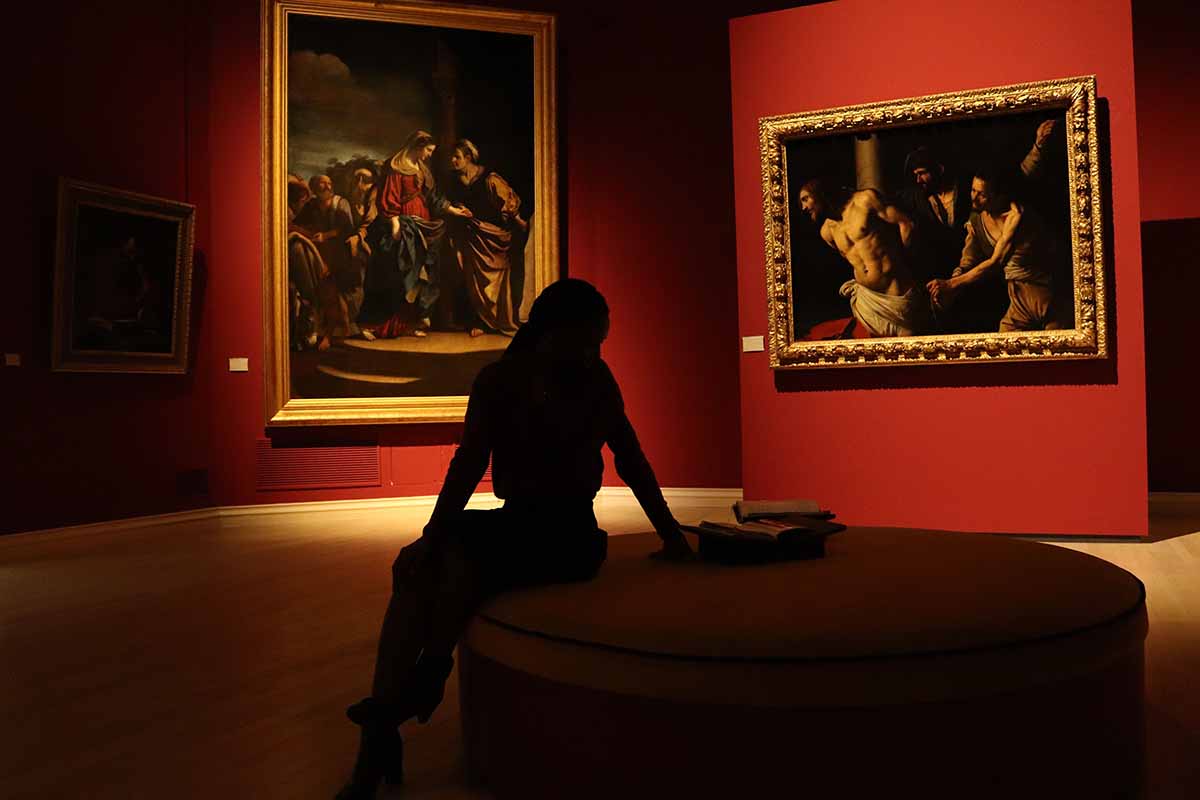
Understanding famous artworks is one of the most rewarding hobbies for curious people because a painting can completely change once you know what to look for.
Technique, symbolism, historical context, and even tiny details can reveal why a work became important.
Start with a few masterpieces and learn one thing that is easy to miss:
- The Arnolfini Portrait by Jan van Eyck: look at the tiny convex mirror in the background, which reflects additional figures in the room.
- The Last Supper by Leonardo da Vinci: study how perspective and architectural lines guide your eye toward Christ at the center.
- The Persistence of Memory by Salvador Dalí: explore how the melting clocks became one of Surrealism’s most recognizable images.
- The Starry Night by Vincent van Gogh: notice how exaggerated movement, swirling lines, and intense color transform a landscape into something deeply emotional.
Choose one masterpiece that genuinely interests you and learn about its artist, period, technique, symbols, and original audience.
You might start by exploring what painting made Henri Rousseau famous and discover “The Dream” and his other lush jungle paintings, works made even more fascinating by the fact that Rousseau never traveled to a tropical jungle.
The next time you enter a museum, you will not simply walk past famous paintings; you will have clues for how to read them.
Curiosity Makes the Ordinary More Interesting

The real value of hobbies that make life more interesting goes far beyond collecting obscure facts.
They give you more ways to understand the world, and more ways to connect with other people.
The benefits quietly show up everywhere:
- You become better at conversation and networking. When you know a little about architecture, fashion, art, film, design, language, or strategy, you almost always have something interesting to talk about beyond work and small talk.
- You develop your own point of view. The more references you collect, the easier it becomes to form connections between seemingly unrelated ideas and create something distinctly yours.
- You become more observant and empathetic. Learning why people created, wore, designed, or valued certain things helps you see the world through perspectives beyond your own.
- You build a skill that may become even more valuable in the AI era: curiosity. AI can retrieve information instantly, but your personality, taste, lived experience, emotional intelligence, and unique way of connecting ideas are what give that information meaning.
The future will probably give us easier access to more knowledge than any generation before us.
That makes simply knowing facts less remarkable.
What becomes more interesting is what you notice, what you care about, how you connect ideas, and what you do with what you learn.
The world does not necessarily need to change for life to feel new.
Sometimes, expanding what you know is enough to expand the world you already live in.