Grooming Tips for Dogs with White Fur
✨Key Points
- Don’t try to scrub white fur back to white. Frequent aggressive cleaning can irritate sensitive skin, particularly around the eyes and mouth.
- Look for the source of recurring stains. Tears, saliva, licking, moisture, and environmental dirt can create different types of discoloration and may require different solutions.
- Treat sudden changes as information. New or worsening tear staining accompanied by redness, discharge, odor, itching, or discomfort is worth discussing with your veterinarian rather than treating purely as a grooming problem.
White fur has a way of revealing everything.
A little dirt from the yard, saliva around the mouth, or moisture beneath the eyes can turn a bright coat brown, rusty red, or yellow surprisingly quickly.
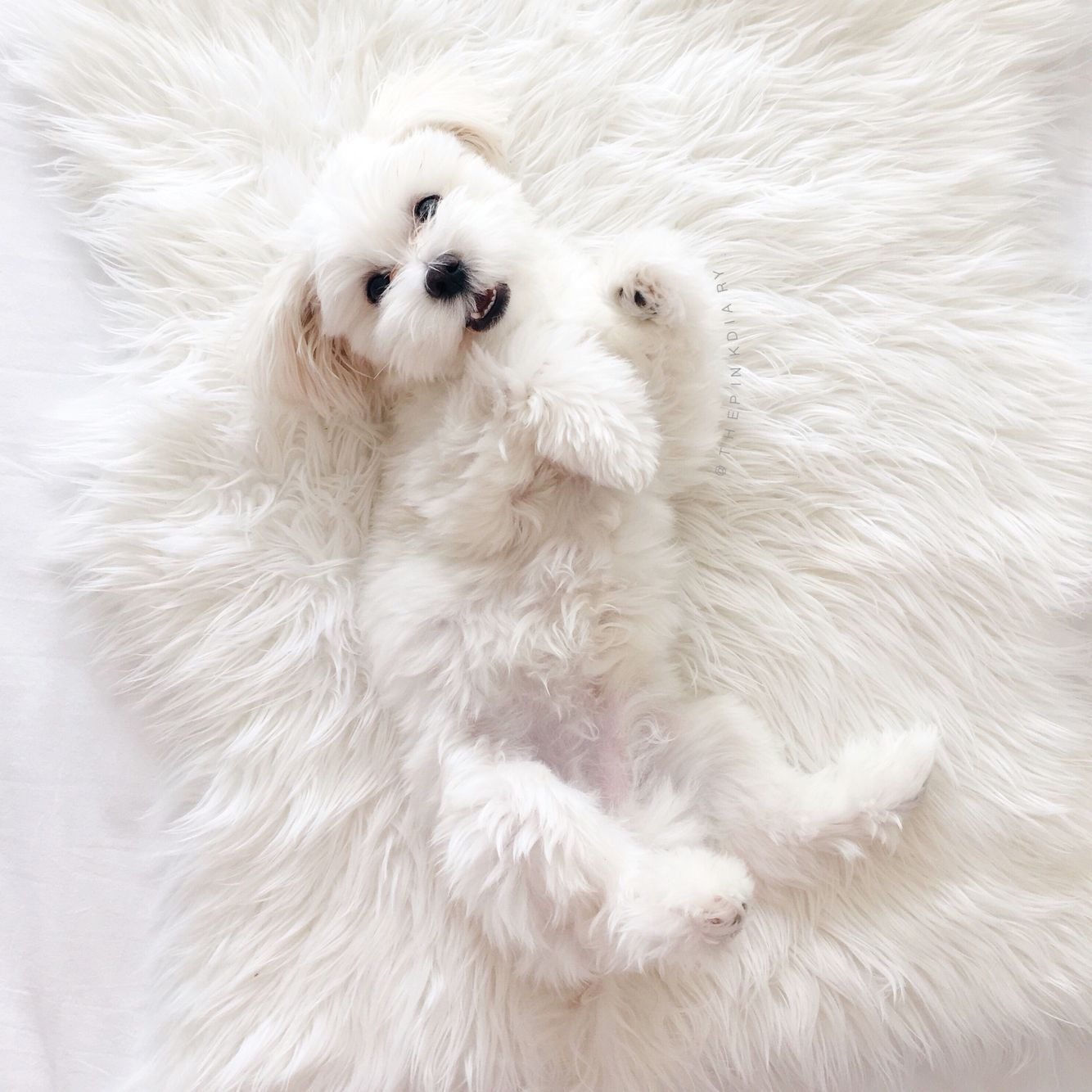
For owners of Maltese, Bichon Frises, Westies, white Poodles, and other light-coated dogs, keeping that coat clean can feel like a never-ending grooming project.
Tear stains are usually the biggest frustration. You clean them, they return.
You try another whitening product, and a few days later those reddish-brown marks are visible again.
The important thing to understand is that staining and dirty fur aren’t always the same problem.
Before reaching for another shampoo or scrubbing harder, pay attention to:
- where the discoloration appears — around the eyes, mouth, paws, or elsewhere;
- whether the area stays damp, which can make staining and skin irritation more noticeable;
- whether your dog is licking excessively, especially when paws repeatedly become discolored;
- whether tear production has suddenly increased;
- whether redness, odor, discharge, itching, or discomfort accompanies the staining.
Good grooming can help keep white fur cleaner and reduce visible discoloration, but persistent or suddenly worsening tear stains deserve more attention than aggressive cleaning.
These grooming tips for dogs with white fur focus on safely maintaining a bright coat, managing common staining, and recognizing when what looks like a cosmetic issue may need veterinary attention.
Grooming Tips for Dogs with White Fur
Professional grooming isn’t the only way Americans are maintaining their dogs’ coats.
According to APPA’s 2026 Dog Report, 51% of U.S. dog owners groom their dogs at home, reflecting a broader shift toward hands-on pet care.
For white-coated dogs, that makes learning the right technique particularly useful.
A regular grooming routine can do more than maintain their appearance:
- make dirt, skin irritation, and coat changes easier to notice
- complement flea and tick prevention for dogs by giving you opportunities to inspect the skin
- help you avoid common mistakes in DIY dog grooming, including excessive bathing, harsh products, and aggressive brushing
- keep small grooming problems from becoming bigger, more expensive ones
And if you simply want to make your dog even more awesome, a healthy, well-maintained white coat certainly doesn’t hurt.
The following three tips focus on what actually makes a difference when grooming white fur at home.
Whitening Shampoo
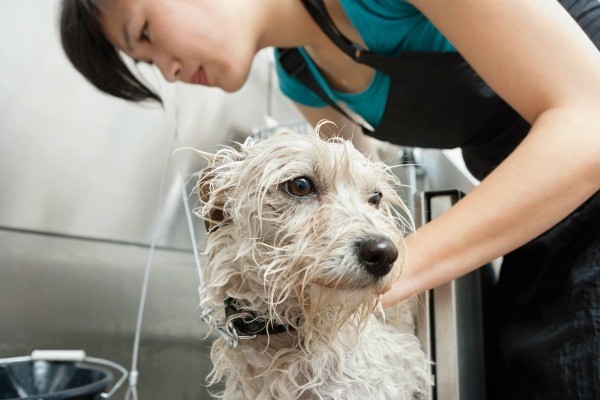
One of the tricks groomers everywhere swears by is whitening shampoo.
The market is full of these dog shampoos, but the best dog whitening shampoo on the market is Mr. Groom.
Don’t worry, none of these shampoos contain bleach! Instead, they contain clarifying brighteners and whiteners to safely remove stains and brighten your pup’s fur while adding some shine.
If the stains get bad, you can make a paste with baking soda, a natural whitener, and water.
Rub it into the stain, let it dry, and wipe with a damp cloth. With all whitening products, be careful not to get too close to the pet’s eye area.
Tear Stain Removers
One of the other ways you can look to tackle your dog’s tear stains is by using tear stain removers.
Epiphora is the excessive tear production in dogs that causes reddish-brown stains around their eyes.
Tear stain removers are elixirs specifically for the eye area in your pets. Avoid using other products like shampoos and whiteners near your dog’s eye area to avoid irritation.
Pet Wipes
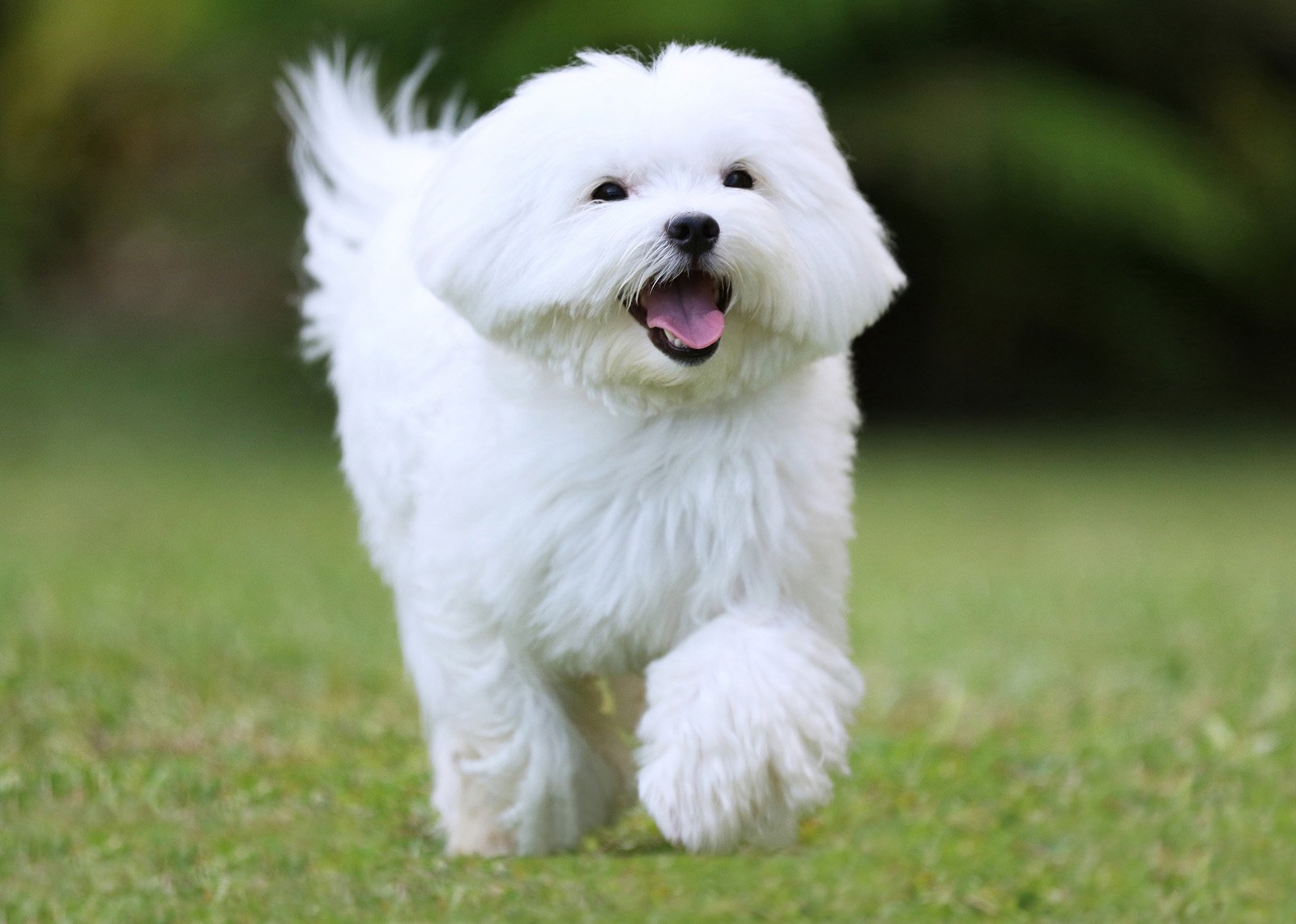
Pet wipes are a great option to keep up on your dog’s coat between washes of whitening shampoos.
To maintain your dog’s white coat and prevent stains from setting in, use pet wipes daily after walks.
These wipes are gentle enough for the dog’s skin and tough enough to remove dirt.
Pay special attention to wiping the eye, feet, mouth, and genitalia area where stains are most commonly formed.
Along with these tips, it’s always a good idea to brush your dog at least once a day to avoid the buildup of dirt resulting in stains.
What’s the Best Grooming Tip for Your Woofer?
The best grooming routine is the one you can maintain consistently without irritating your dog’s skin or turning grooming day into a battle.
Whether you’re getting your pup ready for a dog portrait or simply keeping that white coat looking fresh, consistency matters more than trying to achieve a perfectly spotless coat every day.
Going forward, focus on a few simple habits:
- clean problem areas before staining becomes harder to manage
- choose grooming products made specifically for dogs
- check the skin and coat for irritation, parasites, lumps, or unusual changes
- adjust your routine if excessive licking, tearing, or discoloration keeps returning
- combine good grooming with the everyday basics of keeping your dog happy and healthy
A bright white coat may be the visible result, but the bigger benefit is knowing your dog’s normal skin and coat well enough to notice when something changes.