Considerations When Buying Outdoor Storage Sheds
✨ Key Points
- Outdoor sheds solve a real space problem. Over 60% of homeowners say lack of storage affects daily living—sheds free garages without costly home extensions.
- The right shed can increase property value. Well-designed outdoor storage can add up to 5% in home value, especially when it matches the house and feels intentional.
- Modern sheds are multi-purpose, not just storage. Today’s trends favor sheds used as workshops, hobby spaces, or offices—buyers value flexibility, not just square metres.
Running out of storage space is more common than ever.
In fact, recent housing studies show that over 60% of homeowners say lack of storage impacts how functional their home feels.
When lawn equipment, bikes, and tools start taking over the garage, it’s usually a sign you need a smarter solution.
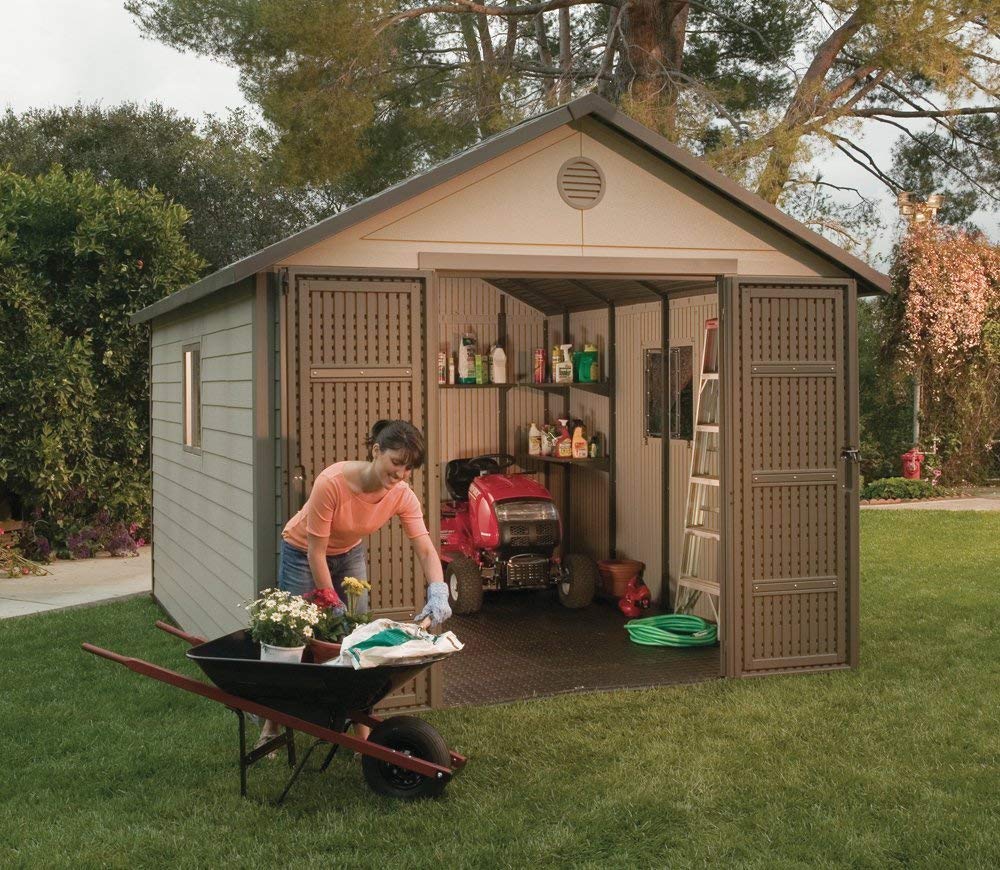
That’s where outdoor storage sheds come in.
A well-chosen shed adds usable space without the cost of a home extension, which can easily run into tens of thousands.
Modern sheds also do more than just store gear today’s designs improve organization, support hobbies or workspaces, and can even increase property value by up to 5% when professionally installed and well maintained.
Even better, sheds are no longer just basic metal boxes. Current trends show homeowners are choosing:
Multi-purpose sheds (storage + workshop or home office;)
Low-maintenance materials like Colorbond steel and treated timber;
Designs that match the home, not hide behind it;
Larger sheds, sized for future needs, not just today’s clutter.
But with so many styles, materials, and sizes available, choosing the right outdoor shed isn’t just about price—it’s about long-term value and usability.
That’s why it’s important to think beyond “where will I put my mower?” and consider how the shed fits into your lifestyle, your yard layout, and your home’s resale appeal.
Below are the top 10 things to consider when choosing an outdoor storage shed, so you can invest once—and get it right the first time.
Size
The first thing you should decide on is the size of your new shed. Write down everything you’ll want to store, no matter how small.
Ideally, you’ll want a shed that’s big enough to fit everything you need and give you a little extra space.
Not only will this ensure you can fit more belongings into your shed as needed, but it gives you room to move things around instead of having to climb over lawnmowers and snow blowers.
However, if you have a small yard, it’s important to choose outdoor storage sheds carefully.
Going too large can overwhelm the space and take up a disproportionate amount of your usable yard, reducing functionality instead of improving it.
Accessibility
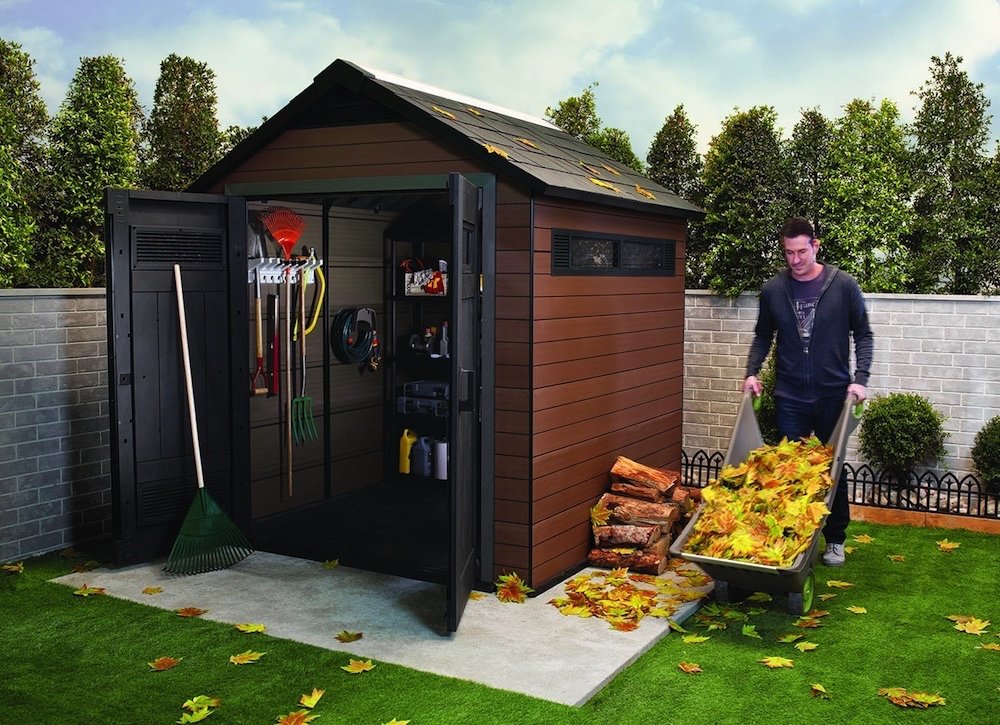
If you plan on packing your shed full of heavy equipment, you’ll want to make sure it has good accessibility.
You may need a doorway ramp to haul equipment in and out of your shed.
If you have several big pieces, you may also want to consider a back door that will give you access to the items in the back of your shed without climbing over the heavy equipment in the front.
Permits Required
One thing many homeowners overlook when buying a shed is the possibility of needing a permit.
While not always necessary, some cities will require special permits for sheds (particularly big sheds).
They may also restrict where you can place your shed or the height of your shed.
Homeowners’ associations may also have some restrictions.
So, be sure you do the proper research before making a purchase.
Cost
Just like with any large purchase, cost will always be a factor to consider.
Make sure you decide on a budget before you go shopping, so you can narrow down your search to sheds you can comfortably afford.
Quality
While cost is an important factor for many, you also want to take quality into consideration.
For most people, it’s worth it to raise their budget to get a high-quality shed that will last for many years, rather than having to buy a cheap shed every 5 years or so.
Construction and Materials
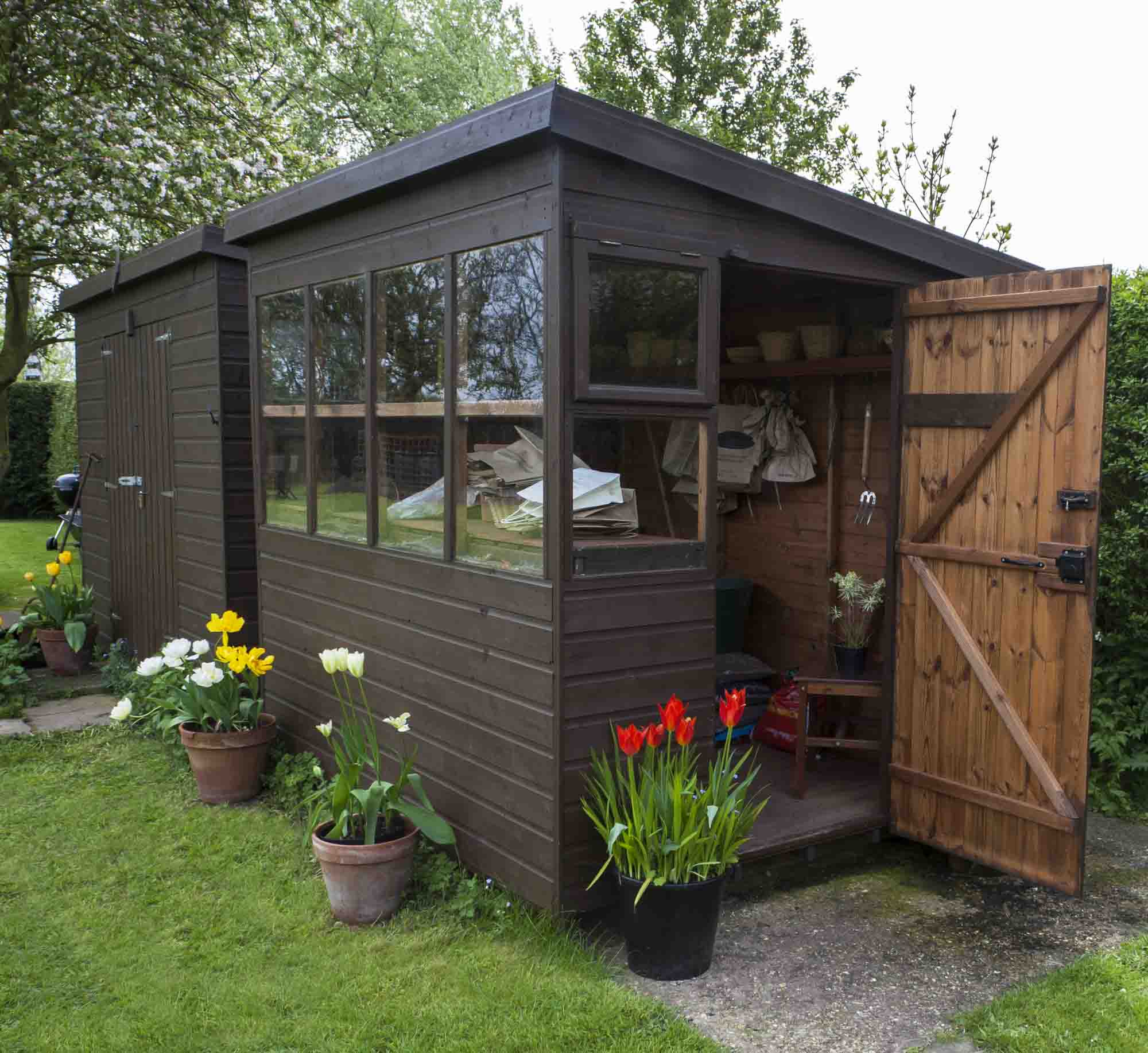
How the shed is made and what it is made out of can play a huge role in cost and quality.
So, it’s important to understand all your options.
Wood, plastic, and metal are the three most common shed materials.
Wood tends to be the most expensive, but they’re easily customizable.
They are also sturdy, although if you live in an area with harsh weather, they may rot over time.
Plastic sheds (also called resin sheds) have been growing in popularity.
They’re lighter and often more durable than wooden sheds.
However, they can’t stand the weight of heavy items being hung on walls like a wood shed can.
Metal sheds are usually the cheapest option but also the weakest.
The DIY assembly kits can also be very difficult, which may leave you paying more to hire a professional to put it together.
Pole buildings are also a great option as they are affordable, sturdy, and allow you to have a larger doorway.
Make sure you read more about them before making a decision.
Maintenance
Of course, the work isn’t done once you buy and assemble your shed. You’ll also likely need to maintain it over time.
Most wood sheds need as much maintenance as a house.
They’ll need to be repainted and rotted parts may need to be replaced over time.
Metal sheds need to be repainted fairly often.
If the protective coating is damaged, your shed will likely rust quickly.
If you’re looking for a very low-maintenance shed, plastic may be the best material for you.
Overall Style
While the main purpose of a shed is to provide extra storage, you also want to ensure it looks good.
After all, you’ll have to see it every time you look outside.
Ideally, you’ll want a shed that compliments your home’s style.
For example, a rustic barn-inspired shed would look out of place with a modern or formal home.
Assembly
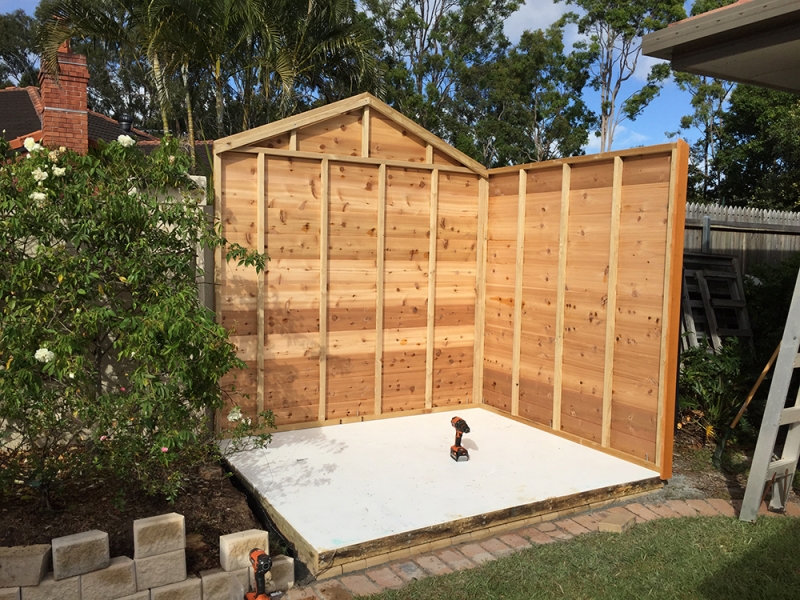
Choosing your shed is only half the battle when planning improvements that can boost a commercial or residential building.
Once you buy it, you will also need to consider assembly and installation. Shed kits are a popular option because they are often more affordable, and many designs can be assembled without extensive construction knowledge.
However, metal sheds in particular can be difficult to assemble correctly and may require more time, tools, and experience than expected.
If you want to avoid installation issues, you can either hire a professional to assemble the shed or choose a prebuilt option.
Prebuilt sheds are assembled in a factory and delivered as a single unit, making them a reliable improvement for both commercial and residential properties.
You will simply need to ensure there is enough access for delivery equipment, such as a forklift, to safely place the shed on your property.
Design Appeal
Once your shed is in place, you may want to make some final touches to ensure it fits in with the rest of your landscaping.
Depending on the shed you choose, you may be able to paint, add DIY shutters, or place window boxes.
Of course, you can also personalize it by planting flowers or shrubs next to the shed or adding a pathway from your porch to the shed.
Choosing an Outdoor Storage Sheds
Don’t just by the first shed you see.
From size and accessibility to style and assembly, there are many considerations to think about when buying the right outdoor shed for your home.
Are you ready to move onto your home’s interior?
Check out this list of home improvements that will boost your resell value.