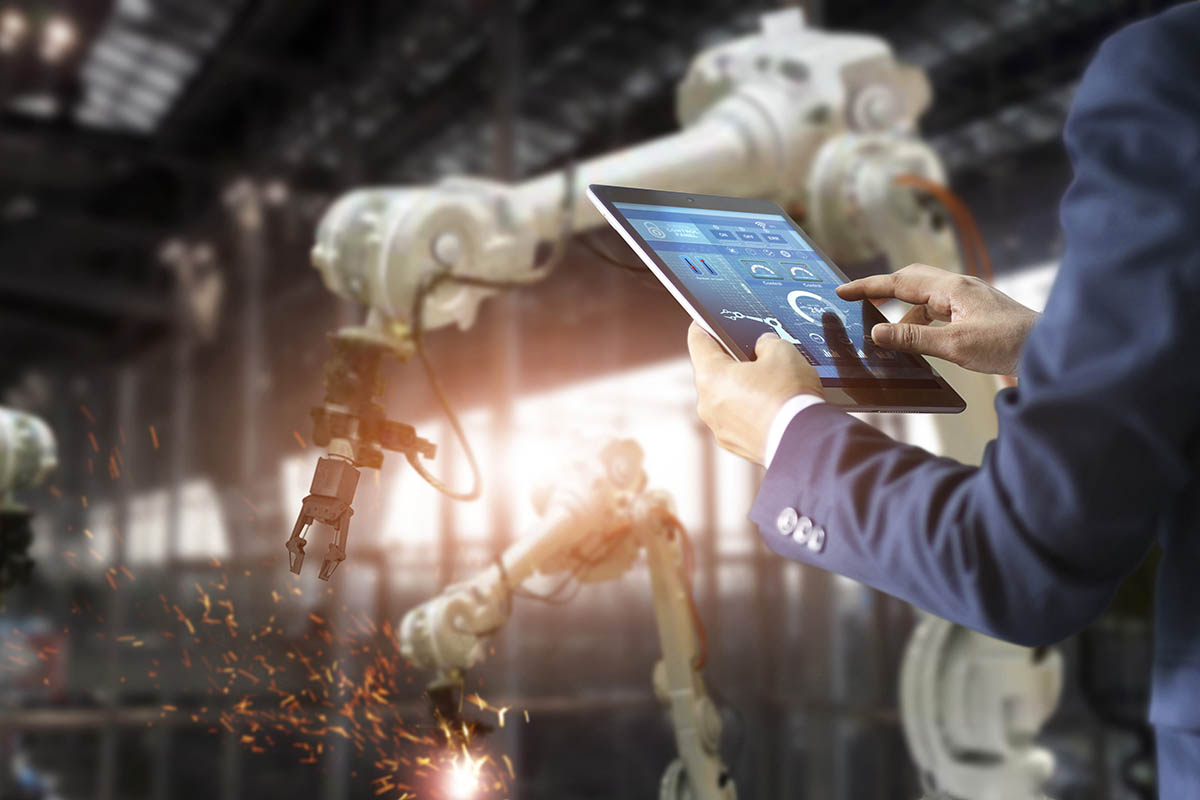
Contribution of Robots to Industrial Automation
✨ Key Points
- Industrial automation has evolved from basic control systems into AI-powered robotics that improve efficiency, accuracy, and workplace safety.
- Companies like NVIDIA are accelerating the future of smart manufacturing with advanced AI and robotics technologies.
- Businesses using automation can reduce operational costs, minimize downtime, improve productivity, and respond faster to modern supply chain demands.
Industrial automation has evolved dramatically since the 1970s, when engineers at Honeywell introduced the first distributed control system (DCS), changing how factories and industrial equipment were managed.
Soon after, engineer Dick Morley developed the first programmable logic controller (PLC), laying the foundation for modern smart manufacturing and robotics.
Today, automation is entering a completely new era powered by artificial intelligence, machine learning, advanced sensors, and high-performance computing.
Companies like NVIDIA are helping drive this transformation through AI chips and robotics platforms that allow machines to analyze data, make decisions in real time, and safely work alongside humans.
The growth is accelerating rapidly.
According to industry reports, the global industrial automation market is expected to surpass hundreds of billions of dollars over the next few years as manufacturers, logistics companies, warehouses, and healthcare systems invest heavily in AI-powered automation technologies.
Businesses are turning to automation to solve real-world problems such as:
- Rising labor shortages and operational costs;
- Production delays and supply chain disruptions;
- Human error and workplace safety concerns;
- Increasing demand for faster and more accurate production;
- The need for predictive maintenance and energy efficiency
Modern automation systems now include intelligent robots, smart sensors, AI-powered monitoring systems, advanced actuators, valves, controls, and human-machine interfaces that continuously improve productivity and operational efficiency.
Industries that embrace automation are often seeing faster production speeds, lower maintenance costs, reduced downtime, and improved workplace safety, while businesses slow to adapt risk falling behind in an increasingly AI-driven economy.
Understanding Automation in Industries
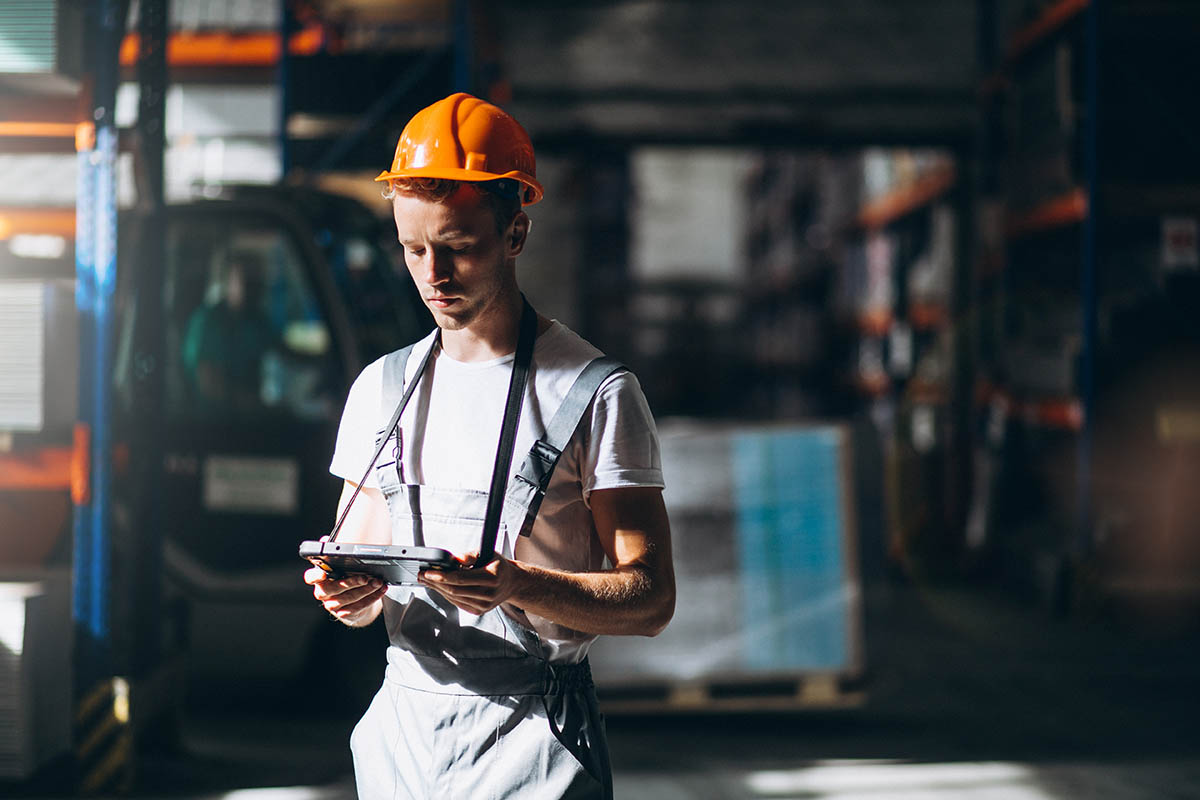
Industrial automation uses control systems to operate equipment such as machinery and networks. An automated system can complete tasks with minimal or no human intervention.
The automotive industry was among the first to adopt the use of robots.
General Motors was the first company to establish an automation department.
Robots and intelligent machines are used in industries to complete tasks that need stamina, speed, and a high degree of accuracy. Industrial automation benefits a company in many ways.
Industrial automation cannot be complete without hydraulic, mechanical, and electronic systems.
Cameras like a GPU Direct Camera also play a role in automation, as they help monitor what is going on and can inform decisions made by other systems or humans monitoring the cameras.
The automation trend hasn’t left behind small and medium-sized manufacturers.
Universal robot manufacturers provide automated systems for both large and small manufacturers to help them boost production, increase efficiency, and cut production costs.
How Industrial Automation Has Evolved
The face and functionality of industrial robots have tremendously changed over the years.
Robots manufactured in the early 70s were scary and challenging to operate.
They occupied large spaces and required special handling. It would take weeks or even months to set up a robot on the production floor.
As the years went by, manufacturers began developing robots that were more flexible and safer.
Modern robots are multi-functional, and a single robot can be used to complete different tasks in a factory.
For instance, an advanced universal robot can make decisions and work autonomously without human intervention.
Other robots can work safely in confined spaces alongside human workers without the risk of harming human operators.
Many manufacturers are choosing to incorporate industrial robots in their production processes for the following reasons.
They have Low Maintenance
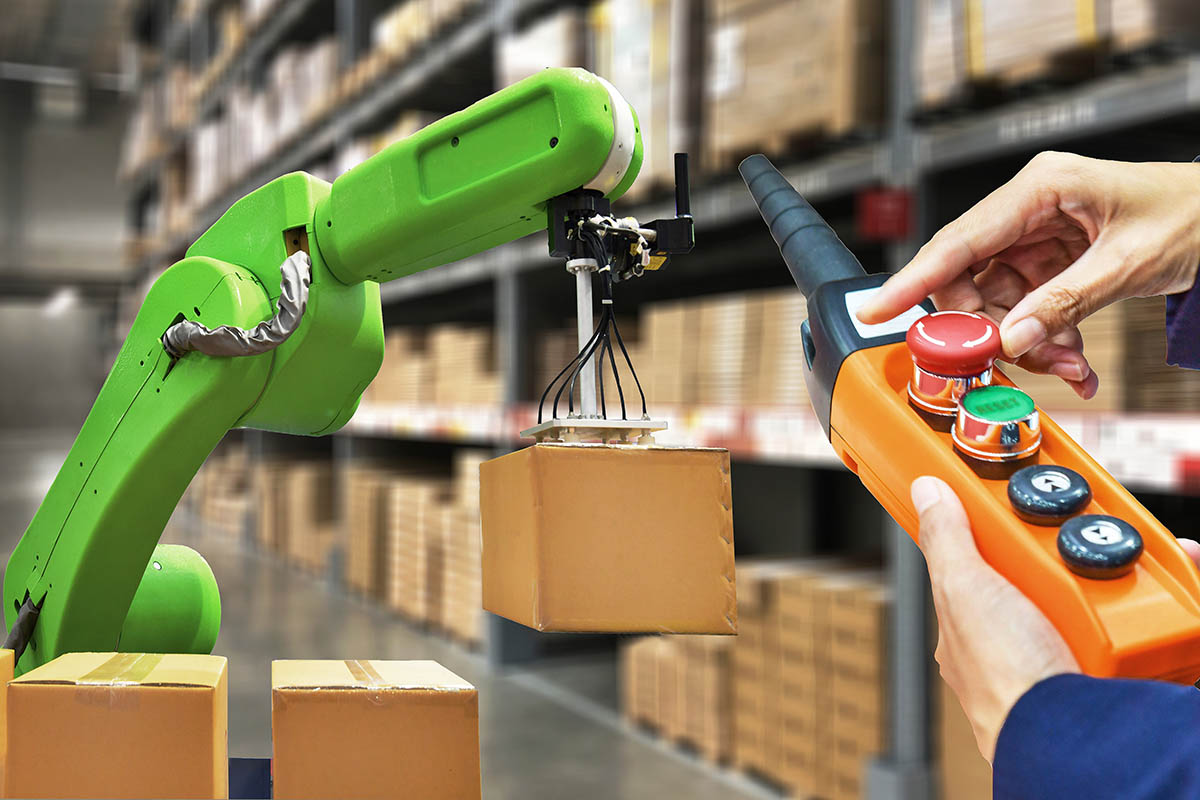
We all know that downtime kills a company’s productivity.
Sometimes, it can take days or even weeks to service production machines.
The time spent maintaining devices interferes with a company’s production.
Manufacturers are, therefore, pressuring engineers to develop robots that require less maintenance.
Besides, the new robots should be easy to install, operate and maintain.
They are safer
Human safety is a primary concern, especially in industries with robots.
However concerns about human safety are a thing of the past as most of the modern robots are designed to collaborate and work amongst humans.
Mobile cobots have inbuilt features such as cameras and sensors that sense and predict human behavior.
These features go a long way in ensuring the workplace environment is safe.
They are Highly Connected
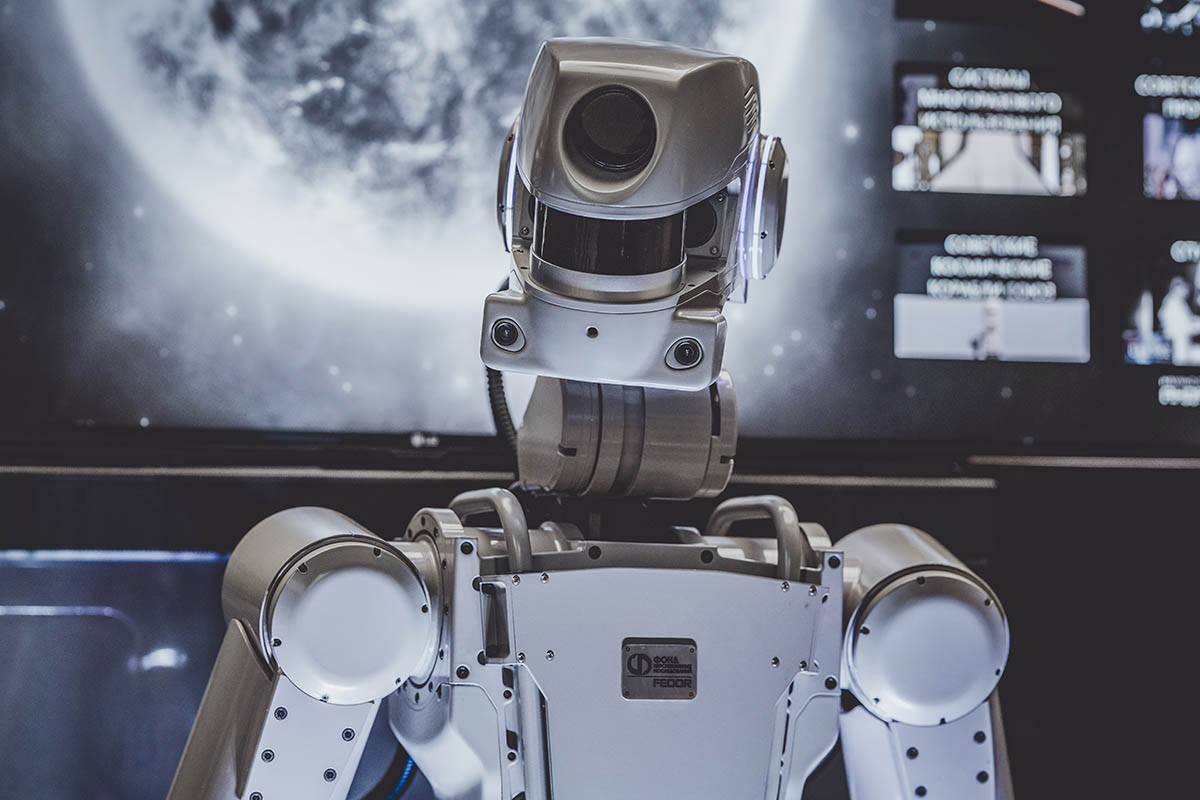
The industrial revolution focuses on machine learning, interconnectivity, automation, and real-time data collection.
Modern industrial robots are designed to collaborate with human operators and other machines.
Robots can collect real-time data and send it to a computer for analysis.
They can also review production performance to determine underperforming systems.
They are More Intelligent
Modern robots are becoming far more intelligent thanks to artificial intelligence and machine learning.
In real life, this means warehouses can process orders faster, hospitals can assist with more accurate procedures, factories can reduce costly mistakes, and customer service systems can respond more efficiently.
Smart robots can also handle repetitive or dangerous tasks, helping employees focus on work that requires creativity, strategy, and human interaction.
For businesses, the benefits often include:
- Faster and more efficient daily operations
- Lower labor and maintenance costs
- Reduced human error and fewer workplace accidents
- Better customer experiences and response times
- Increased productivity without sacrificing accuracy
As technology continues to improve, intelligent robotics is becoming less about replacing people and more about helping businesses and workers operate smarter and more efficiently.