Asian Wedding Traditions: Meaningful Customs and Fascinating Facts
✨Key Takeaways
- Asian wedding traditions are highly diverse: Customs differ by country, region, religion, ethnicity, and individual family history.
- Wedding rituals carry deeper symbolic meaning: Practices involving tea, ceremonial clothing, fire, food, colors, or family blessings often represent unity, prosperity, respect, and commitment.
- Cultural traditions should be used respectfully: Couples should understand a ritual’s origin, consult family or cultural experts, and include only customs connected to their heritage or welcomed by the relevant community.
Worried that your wedding might feel beautiful but impersonal?
Incorporating a meaningful cultural tradition can add emotional depth, connect generations, and create special touches for your wedding day, but every custom should be understood before it is included.
Asia is home to thousands of cultures, religions, and ethnic communities, so there is no single “Asian wedding.”
Ceremonies in China, Japan, India, Indonesia, Korea, and other countries differ significantly, and traditions may even vary between regions and families within the same country.
Many customs have been preserved for generations because they represent important hopes for married life, including:
- Family unity and respect for elders;
- Prosperity, fertility, and good fortune;
- Loyalty, harmony, and lasting commitment;
From Chinese tea ceremonies and Japanese san-san-kudo to Indian saptapadi and Indonesian customs shaped by local ethnic and religious traditions, every ritual has its own history and meaning.
This guide explores several fascinating Asian wedding traditions, explains what they represent, and shows how couples can honor them respectfully rather than treating them as decorative trends.
The Tujia “Crying Marriage” Tradition in China
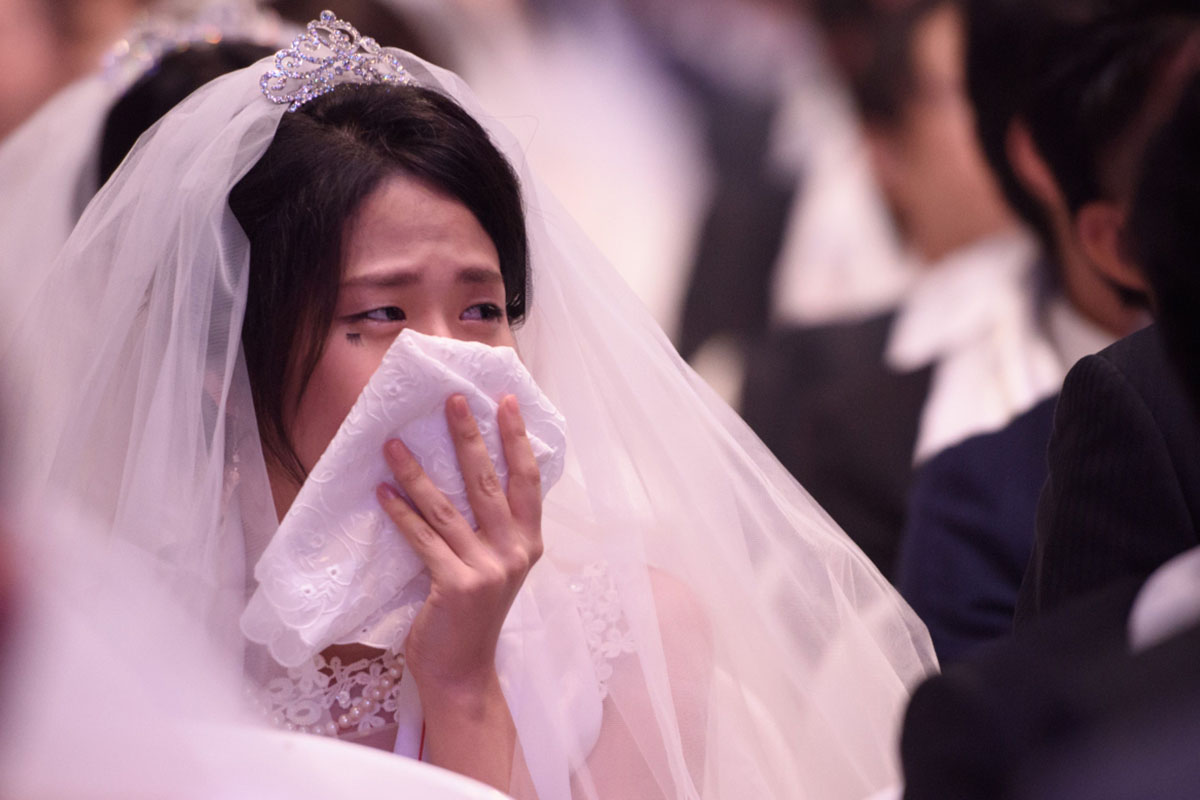
Long before choosing the ring or finalizing the ceremony, some Tujia brides in China traditionally prepared for marriage by learning special crying songs.
Rather than being a custom followed by all Chinese brides, “crying marriage” is associated with the Tujia ethnic community.
Depending on the family and region, the bride historically began crying or singing for a set period each day, starting several weeks before the wedding.
Her mother, grandmother, sisters, and other female relatives could later join her.
The ritual was not simply an expression of happiness. It could communicate several powerful emotions:
- Gratitude toward the bride’s parents;
- Sadness about leaving her family home;
- Anxiety about entering a new stage of life;
- Respect for relatives and ancestors;
- Hope for a fortunate marriage.
The bride’s ability to perform these emotional “crying marriage songs” was traditionally associated with intelligence, virtue, and respect for her family.
Today, the practice is less common and may be preserved primarily as a cultural performance or symbolic ritual.
Although it may initially sound like one of the internet’s crazy facts, it reflects the emotional complexity marriage once carried for Tujia women.
South Korea: Hitting the Groom’s Feet
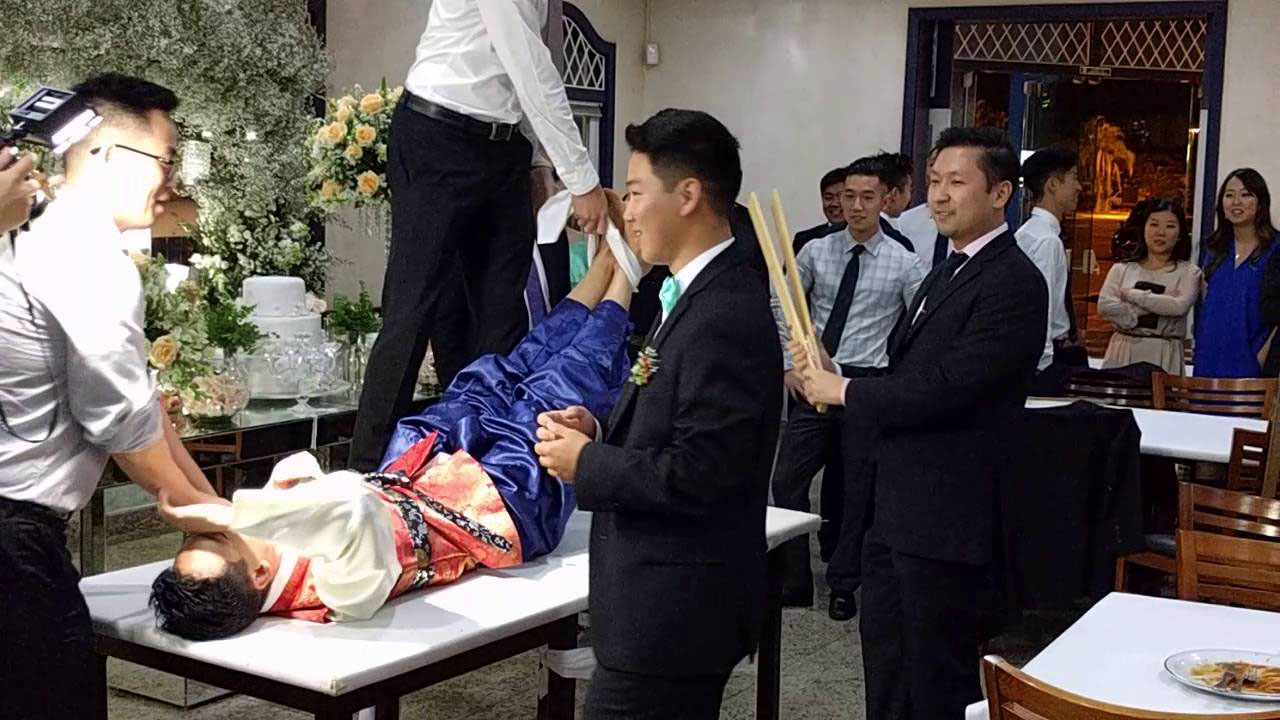
After choosing the groom’s ring and completing the wedding ceremony, some Korean celebrations traditionally included a playful ritual designed to test the newlywed husband’s wit and resilience.
The groom’s friends would:
- Remove his shoes and tie his ankles together;
- Strike the soles of his feet with a stick or dried yellow corvina fish;
- Ask him questions, riddles, or humorous challenges about married life;
Although it sounds painful, the custom was generally intended as lighthearted entertainment rather than punishment.
It gave friends an opportunity to tease the groom while symbolically testing his character before he began married life.
This is a traditional practice rather than a standard feature of every modern South Korean wedding, and couples who include it today may adapt it to keep the experience safe and enjoyable.
Indonesia: Three Days of Staying Together
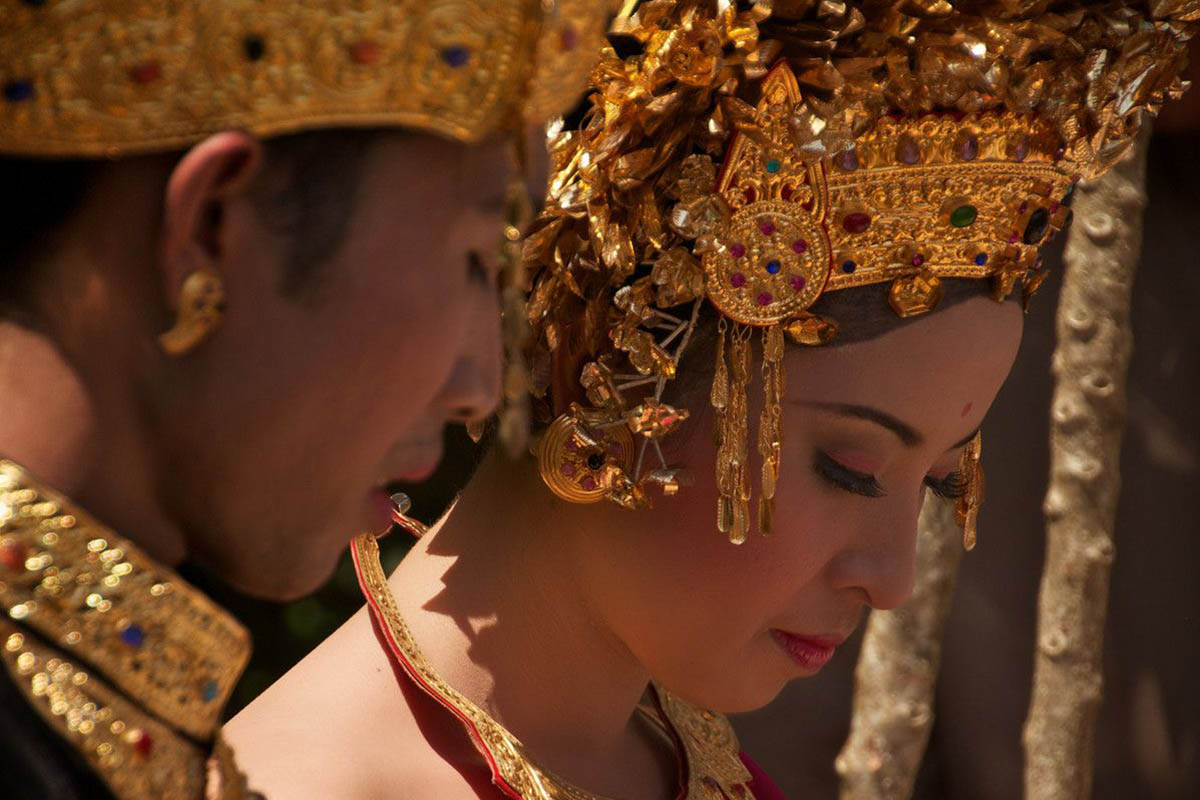
Among some Tidong communities in Borneo, a traditional wedding custom reportedly requires newlyweds to remain together at home for three days and three nights without using the bathroom.
During this period, relatives may supervise the couple and limit their food and drink.
The practice is traditionally believed to strengthen self-discipline and protect the marriage from misfortune, including:
- Infidelity or separation;
- Difficulties within the marriage;
- Harm to the couple’s future children;
This unusual ritual should not be presented as a tradition followed by all Indonesian or Bornean couples.
The Tidong people live across parts of Indonesia and Malaysia, and customs can vary considerably between families and communities.
Although the practice is described as a test of commitment and endurance, deliberately avoiding the bathroom or restricting fluids can present health risks and should not be attempted without medical guidance.
Philippines: The Wedding Money Dance
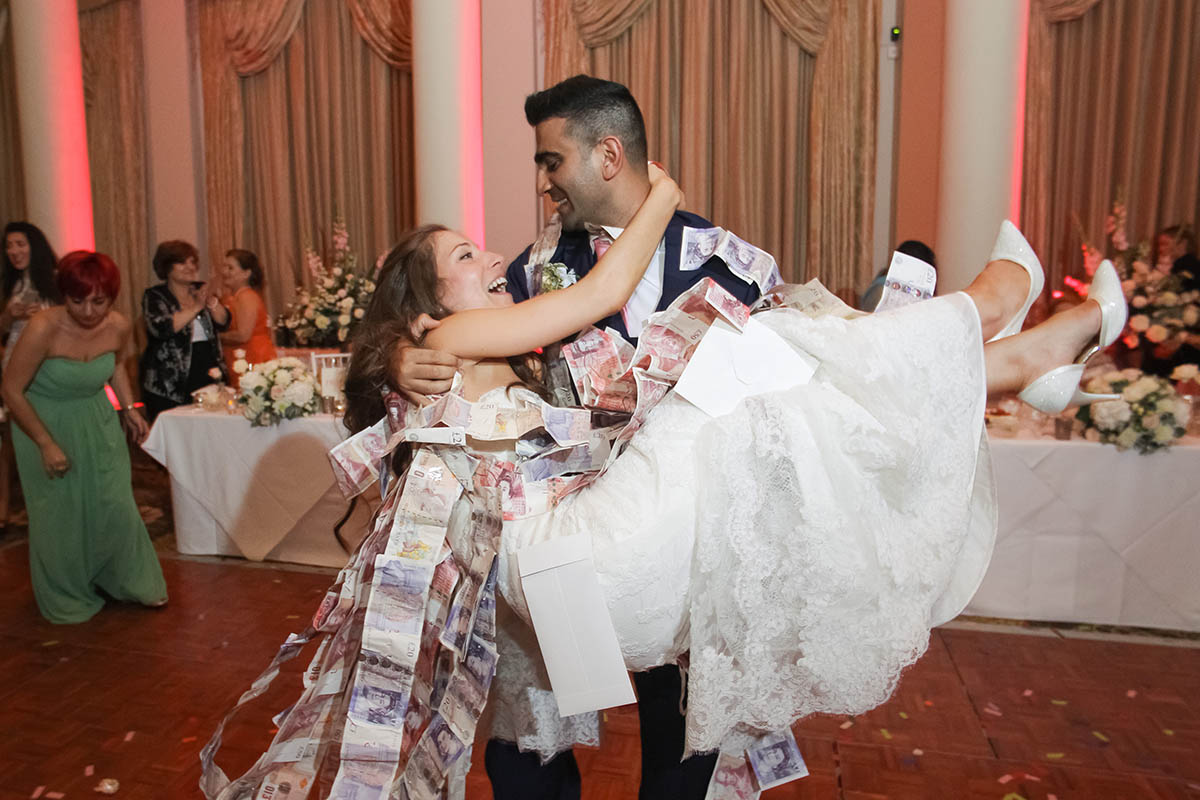
A chic pre-wedding weekend in the Philippines may begin the celebrations, but one of the most memorable moments often happens during the reception: the Filipino money dance, also known as the prosperity dance or sabitan ng pera.
During the dance, relatives and friends pin paper money onto the bride’s and groom’s clothing, ribbons, or specially prepared sashes.
Guests may then take turns dancing with the newlyweds while offering their blessings.
The tradition represents:
- Wishes for prosperity and good fortune;
- Financial support as the couple begins married life;
- The involvement of family and friends in the couple’s future;
- A joyful and interactive way to unite wedding guests;
Some families make the moment especially festive by creating crowns, garlands, or sashes from the bills.
However it is presented, the deeper purpose is not to display wealth—it is to surround the newlyweds with generosity, encouragement, and community support.
Weddings in Asia: Final Thoughts on Wedding Traditions
Asian wedding traditions reveal that marriage is rarely viewed as a commitment between only two people.
It can also connect families, honor ancestors, preserve cultural identity, and express hopes for prosperity, loyalty, fertility, and a lasting partnership.
The most important lessons are:
- No tradition represents an entire country, religion, or ethnic community.
- Customs should be understood within their historical and cultural context.
- Couples can preserve meaningful rituals while adapting them for comfort, safety, and modern life.
- Traditions from another culture should be included only with knowledge, respect, and appropriate personal connection.
Practices that initially appear unusual often make more sense once their meaning is understood.
Whether a ritual involves tears, dancing, symbolic gifts, playful challenges, or family blessings, its purpose is often the same: to help a couple enter married life feeling supported, connected, and hopeful about the future.