
Seattle Businesses Are Built on Trust: Ways to Turn Word-of-Mouth Into Strongest Growth Channel
✨Key Points
Word-of-mouth marketing delivers stronger trust and higher conversions than paid ads, especially as Gen Z prioritizes real experiences, creators, and community-driven recommendations over brand messaging. Businesses that combine social media conversations, AI-driven insights, and a strong local presence can generate consistent, scalable referral growth.
If you run a business today, especially in a place like Seattle where people are selective, informed, and community-driven, you’ve probably already felt that getting attention is harder, but keeping trust is even harder.
People don’t make decisions the way they used to, because they scroll fast, question everything, and rely far more on what other people say than what brands try to communicate.
Word of mouth didn’t disappear, it just moved online, and now it shows up in places that directly influence buying decisions:
- Google reviews that people actually read before choosing
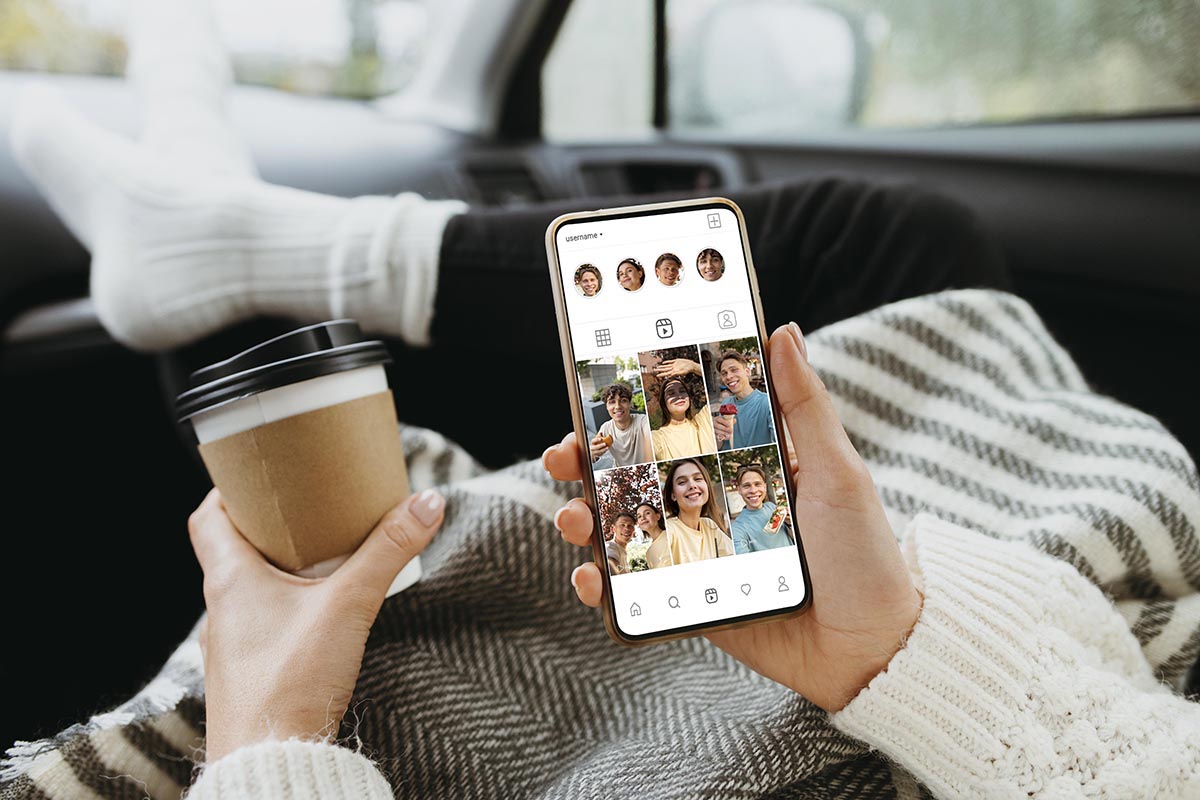
- TikTok comments and Instagram Reels where real experiences spread fast
- Reddit threads and local discussions where honesty matters more than branding
- Neighborhood groups and community recommendations that feel personal
For Gen Z and younger audiences, polished marketing often creates distance instead of trust, because they respond to what feels real:
- real experiences instead of scripted messaging
- honest opinions instead of brand claims
- relatable content instead of perfection
- businesses that feel human instead of corporate
At the same time, AI and social media have made it easier than ever to reach people, but much harder to stand out, which shifts what actually works:
- trust matters more than visibility
- consistency matters more than frequency
- reputation matters more than reach
This is exactly where generating positive word-of-mouth online becomes a system, not luck.
In cities like Seattle, where local culture and community reputation shape decisions, one strong experience can quietly bring multiple new customers, while one negative interaction can spread just as quickly without you even noticing.
That’s why learning how to intentionally build word of mouth, through content, experience, and community, is no longer optional, it’s one of the most sustainable ways to grow.
Let’s walk through four practical ways to make that happen.
Build Word of Mouth by Delivering What People Actually Talk About

If you want positive word of mouth, it always starts with one thing, your product or service has to genuinely deliver.
People don’t recommend “good enough.” They recommend experiences that feel worth sharing.
Today, customers don’t just buy, they test, compare, and come back later to update their opinions.
Many reviews are edited months later, especially when durability and real-life performance matter, which means your product has to hold up over time, not just at first impression.
That’s why word of mouth today is built on real experience, not messaging.
Here’s what actually drives it:
- Focus on real customer experiences, not polished messaging. What people say about you matters more than what you say about yourself.
- Turn reviews, UGC, and conversations into trust signals. Every review, comment, or shared experience becomes part of your reputation.
- Build visibility through community, not just ads. People trust what they see from others in their local and digital communities.
- Use social listening and AI insights to understand what people share. Pay attention to what customers talk about, complain about, and recommend.
- Make every customer interaction worth talking about. Small details in quality, usability, and service are what people remember and share.
To make this practical, focus on what holds up in real life:
- durability matters more than appearance;
- long-term experience matters more than first impression;
- real-life usability matters more than features;
- fewer issues mean fewer reasons not to recommend you.
In simple terms, quality is not just what you sell, it’s what people remember after using it.
When your product consistently meets expectations in real life, word of mouth doesn’t need to be forced, it starts happening on its own.
Ensure Fast Turnaround (Because Speed Builds Trust)

Today, speed is part of the product.
Customers don’t just expect quality, they expect it fast, and in many cases, they choose the business that can deliver sooner, even if the difference is small.
We live in a world of same-day shipping, instant replies, and real-time updates, so long wait times feel like poor service, even when the product itself is good.
If you want positive word of mouth, your turnaround time has to feel reliable and predictable.
Here’s how to make that happen:
- Optimize your internal processes. Look at where delays happen: production, communication, fulfillment, and fix the bottlenecks so orders move smoothly from start to finish.
- Set clear and realistic expectations. Customers don’t mind waiting if they know exactly how long it will take. What frustrates them is uncertainty or missed deadlines.
- Choose partners carefully. If you outsource delivery or production, their performance becomes your reputation. Always check reviews, consistency, and how they handle delays.
- Communicate proactively. Quick updates, confirmations, and tracking links make customers feel in control and reduce frustration.
- Balance speed with quality. Fast should never mean rushed. The goal is efficient systems that deliver both speed and consistency.
People don’t sit and analyze why they liked your business, they just remember how easy it felt.
If everything flows smoothly, from choosing to buying to getting support, it sticks with them.
And when something feels easy and respectful of their time, they don’t keep it to themselves, they mention it, recommend it, and come back again.
Deliver Customer Support People Actually Remember

Customer support is no longer just a service function, it’s one of the biggest drivers of word of mouth.
People don’t talk about average support, but they will absolutely share a great experience or a bad one.
If customers feel ignored, misunderstood, or passed around, they won’t complain to you, they’ll quietly leave and choose someone else.
If they feel heard and supported, they’ll come back and recommend you.
Here’s how to make your customer support work for your reputation:
- Respond fast and with context. Speed matters, but so does understanding the situation. A quick, thoughtful reply builds trust much faster than a generic response.
- Solve, don’t just reply. Customers don’t want updates, they want resolution. Make it easy for them to get answers and fix issues without going in circles.
- Hire or train the right people. Your support team represents your brand. Whether in-house or outsourced, they need to communicate clearly, show empathy, and take ownership.
- Be careful with outsourcing. Outsourcing can work well, but only if quality stays high. If responses feel robotic or disconnected, customers notice immediately.
- Turn problems into positive experiences. A well-handled issue often creates more loyalty than a perfect experience. People remember how you respond when something goes wrong.
Customer support is the moment people decide what kind of business you really are.
If they feel heard and genuinely helped, that experience stays with them.
And when that happens, they don’t just come back, they share it with others without you even asking.
Earn Positive Word of Mouth: Give Customers More Ways to Choose and Engage

If you want people to talk about your business, you need to make it easy for them to say yes.
One of the biggest reasons customers leave is not because they don’t like your product, but because they don’t see an option that fits them.
People don’t want to feel boxed in.
They want flexibility, control, and choices that match how they prefer to buy and interact.
Here’s how to turn that into real word of mouth:
- Offer flexible purchase options. Different pricing tiers, bundles, or customization options help more people find something that works for them instead of walking away.
- Give multiple ways to engage. Some customers prefer your website, others prefer Instagram, and many today are actively sharing and discovering brands on platforms like Threads. Being present where conversations happen increases your chances of organic recommendations.
- Use social media to spark real conversations. Platforms like @Threads are especially powerful right now because they feel more raw and opinion-driven. When people mention your brand there, it spreads fast and feels more trustworthy than traditional ads.
- Adapt to how people want to buy. Whether it’s fast checkout, DMs, links in bio, or direct responses, the easier you make the process, the more likely people are to complete it and recommend you.
- Listen and adjust based on feedback. What customers ask for repeatedly is usually what’s missing. Adding those options can unlock sales you didn’t even realize you were losing.
When people can choose what works for them, they’re far more likely to move forward instead of walking away.
It feels less like being sold to and more like finding the right fit.
And when that happens, they don’t just buy, they remember the experience and tell others, which is exactly how word of mouth starts growing on its own.
I can help you with that!
Local Word-of-Mouth in the PNW (And How to Make It Work for You)
In cities like Seattle and Portland, growth comes from reputation, not just visibility.
People rely on local conversations, reviews, and community recommendations, and once your name starts showing up there, it drives real, consistent business.
But this doesn’t happen by accident anymore.
It comes from understanding your audience, creating experiences people want to share, and building simple systems that turn customers into referrals.
That’s exactly what I help with.
If you want your content, customer experience, and local presence to actually bring in referrals and steady growth, I can help you build that in a way that’s clear and easy to manage.
You focus on your business, I’ll help you turn it into something people naturally talk about.