Digital Nomad Life: Expectation vs Reality
✨Key Points
- Digital nomad life offers freedom and flexibility, but many people underestimate the stress of unstable income, loneliness, burnout, and constant movement.
- Social media often shows the exciting side of remote travel while hiding challenges like unreliable WiFi, time zone issues, and difficulty maintaining routines.
- Long-term success as a digital nomad usually depends on discipline, financial stability, healthy habits, and realistic expectations — not just the ability to travel.
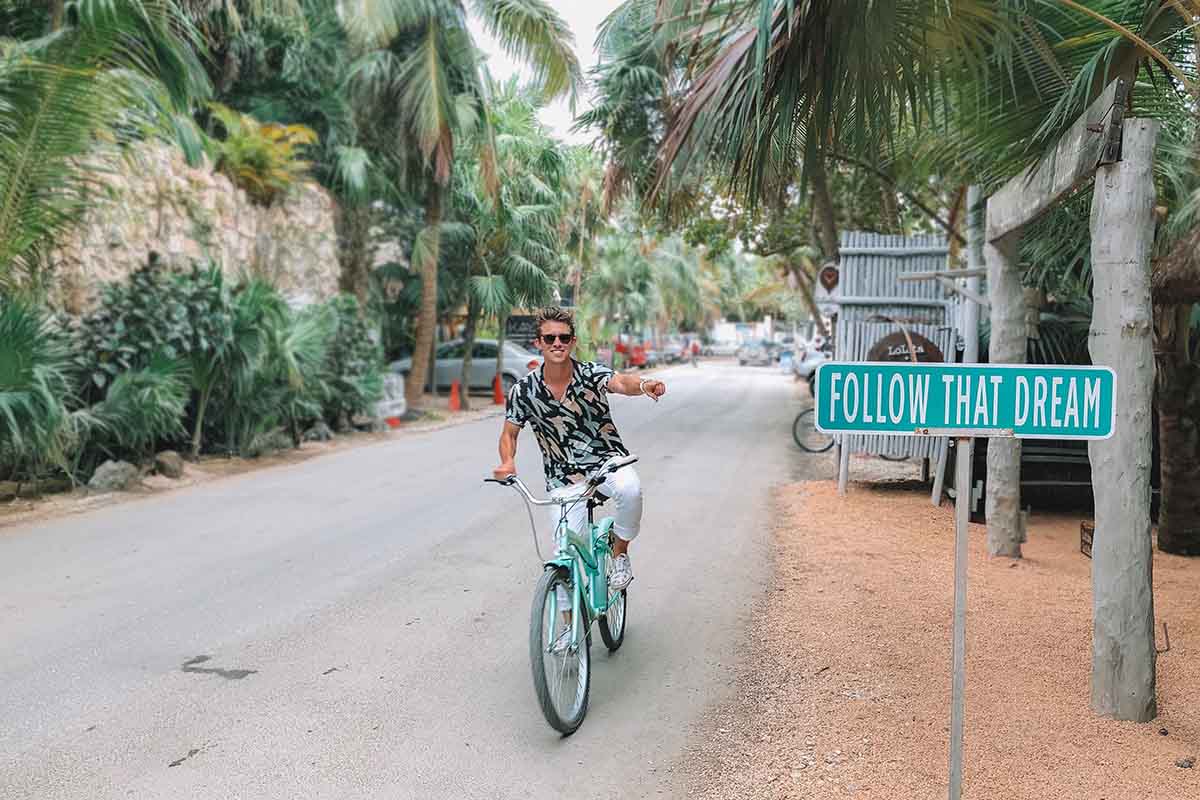
Expectation: working from a beach with complete freedom, passive income, perfect sunsets, and unlimited flexibility.
Reality: unstable WiFi before an important meeting, loneliness in a country where you know nobody, working late because of time zone differences, burnout from constantly moving, and trying to stay productive while living out of a suitcase.
The digital nomad lifestyle has become one of the biggest dreams of modern remote work culture.
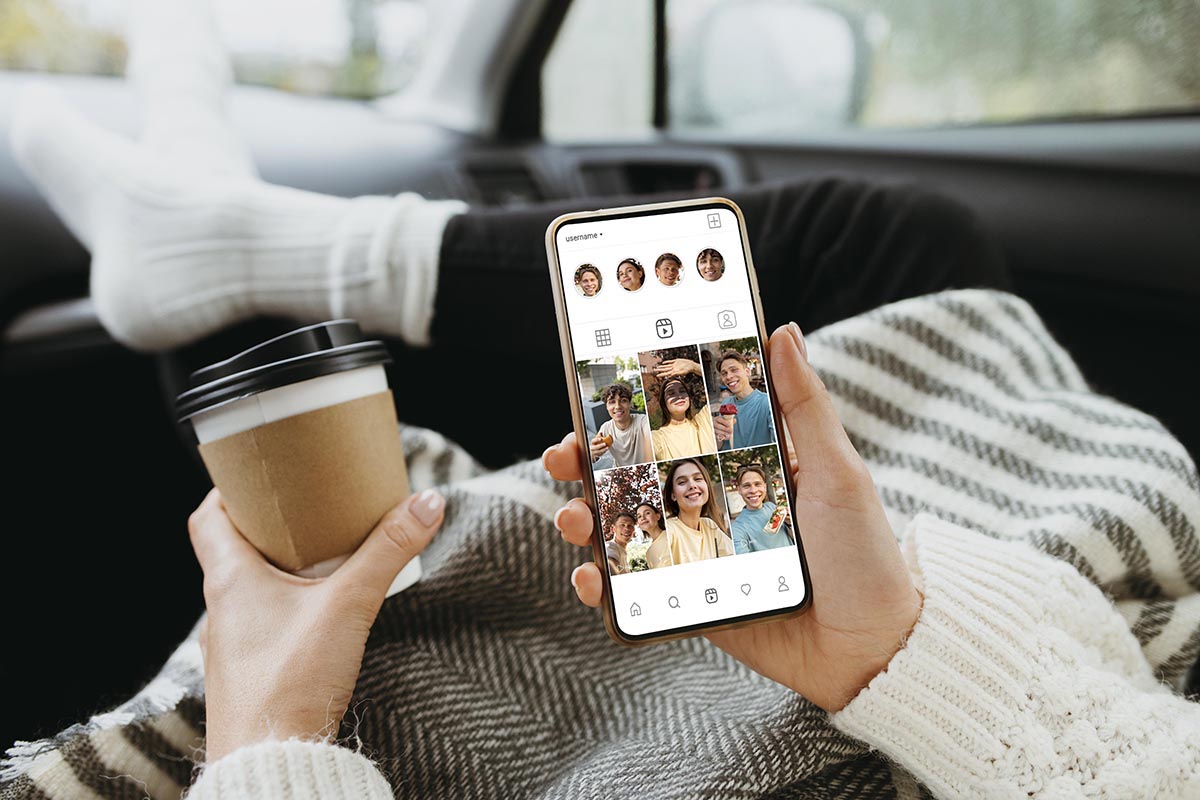
Social media often shows the exciting side, traveling the world, working from cafés, exploring new countries, and escaping traditional office life.
But what many people don’t realize is that being a digital nomad is not just about travel.
It is a lifestyle that requires discipline, financial planning, emotional resilience, and the ability to stay productive even when routines constantly change.
Some of the biggest challenges people rarely talk about include:
- Inconsistent income or freelance uncertainty;
- Loneliness and lack of stable community;
- Burnout from constant travel and movement;
- Difficulty maintaining routines and healthy habits;
- Time zone stress and unreliable internet;
- Feeling pressured to “enjoy every moment” while still working full-time.
At the same time, many digital nomads say the lifestyle helps them feel more alive, independent, creative, and connected to experiences outside repetitive routines.
For some people, it becomes less about travel and more about building a life with greater freedom, flexibility, and personal meaning.
Before chasing the lifestyle, it is important to understand both sides of the reality, not just the version social media sells.
What Is a Digital Nomad?

A digital nomad is someone who works online while traveling instead of living permanently in one location.
Many earn income through freelancing, remote jobs, content creation, marketing, consulting, or online businesses that allow them to work from almost anywhere.
For many people, the lifestyle represents freedom, traveling, exploring new places, escaping traditional office life, and learning how to make money as digital nomads while working remotely.
The lifestyle has become popular because many people are tired of:
- Long commutes and rising living costs;
- Burnout from traditional 9-to-5 routines;
- Repetitive schedules and lack of flexibility;
- Feeling stuck in the same environment every day.
At the same time, digital nomad life is not always as easy as social media makes it look.
Before investing savings into travel, van life, or remote work setups, it is important to understand what you need to know before investing money into this lifestyle.
Some of the biggest challenges include:
- Unstable income and freelance uncertainty;
- Loneliness and constant movement;
- Burnout and changing time zones;
- Unreliable WiFi and lack of routine.
While the lifestyle can offer freedom and exciting experiences, long-term success usually depends on planning, discipline, financial stability, and realistic expectations.
What People Don’t Know About Being a Digital Nomad

Do you think you know everything about being a digital nomad?
We challenge you!
Here you can find six things people usually don’t know about being a digital nomad!
It Is a Lot More Work Than People Expect
One of the biggest misconceptions about digital nomad life is that people spend all day relaxing on beaches while money magically appears online.
In reality, many digital nomads work long hours, manage multiple income streams, and deal with constant financial uncertainty while trying to maintain the freedom that comes with the lifestyle.
Many remote workers combine several types of online income at once, including:
- Freelancing or remote jobs;
- Content creation or social media work;
- E-commerce or affiliate marketing;
- Consulting or online services;
- Trading or investing for additional income.
Learning how to make money as a digital nomad often requires discipline, consistency, and the ability to manage your own schedule without traditional workplace structure.
For some people, trading becomes one way to earn additional income because it offers flexibility and can be managed remotely with a smartphone, laptop, internet connection, and a reliable broker.
However, trading also comes with real financial risks, which is why beginners should research carefully, understand the market, and avoid investing money they cannot afford to lose.
Digital nomad life can offer freedom and flexibility, but for most people, it also requires a significant amount of work, planning, self-discipline, and financial responsibility behind the scenes.
The good thing is, you can decide when you want to trade.
But be sure you are using a good broker; for example, look at the best binary options broker to get a good overview!
It Can Be Surprisingly Lonely
One of the hardest parts of being a digital nomad is something social media rarely talks about: loneliness.
While you constantly meet new people, visit new places, and experience different cultures, building deep long-term friendships or stable relationships can become much more difficult when you are always moving.
Many digital nomads eventually realize that constantly saying goodbye can become emotionally exhausting.
Short conversations and temporary connections are easy to find, but long-term community, stability, and emotional support are much harder to maintain on the road.
Some of the most common emotional challenges include:
- Feeling disconnected from family and close friends;
- Struggling to build stable relationships;
- Missing important life events back home;
- Feeling isolated despite constantly being around people;
- Burnout from always adapting to new environments.
At the same time, many remote workers learn to become more independent, adaptable, and intentional about relationships.
Building routines, joining coworking communities, staying connected online, and slowing down travel can help make the digital nomad lifestyle feel less isolating over time.
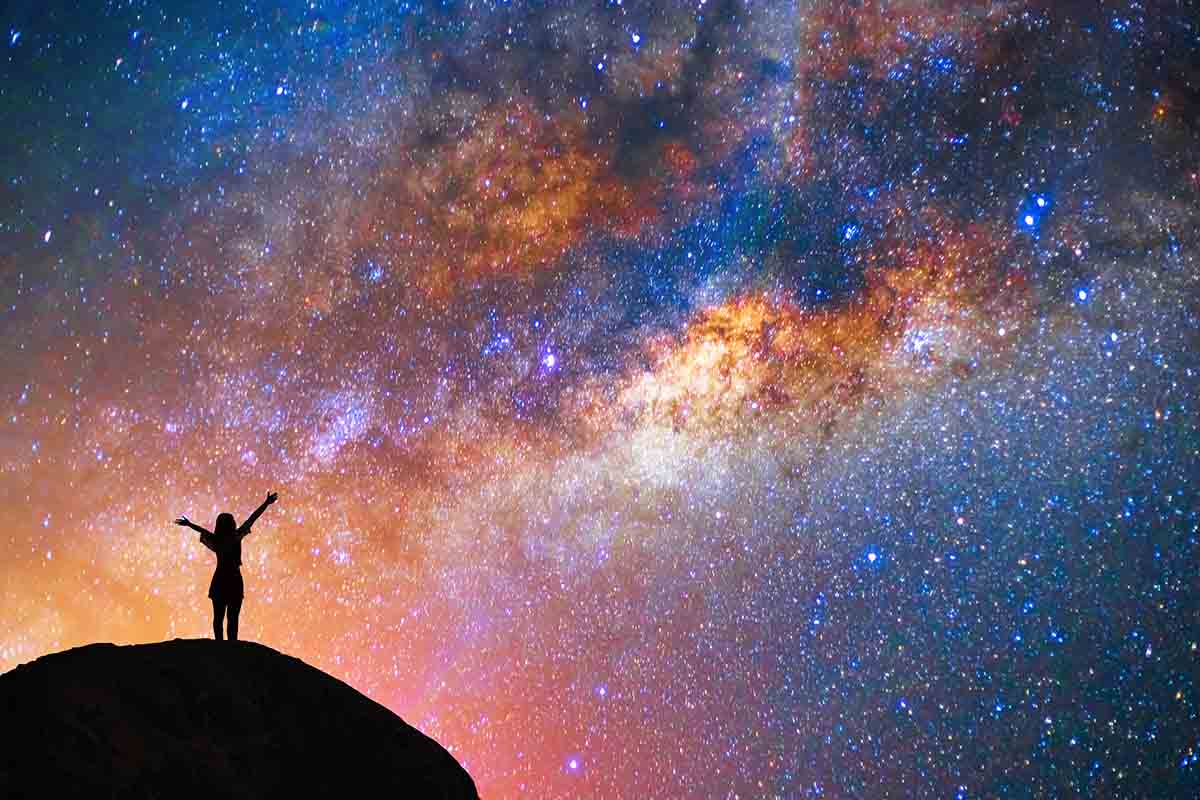
Constant Travel Can Become Exhausting
It Requires Constant Organization
One thing many people underestimate about digital nomad life is how much organization it actually requires behind the scenes.
Social media often shows freedom and adventure, but in reality, many remote workers are constantly managing schedules, deadlines, transportation, bookings, internet access, finances, and work responsibilities all at the same time.
You might be trying to finish an important project while also:
- Catching a flight in a few hours;
- Finding reliable WiFi before a client meeting;
- Booking trains, hotels, or apartments;
- Managing time zone differences;
- Planning transportation between locations.
Without strong organization skills, the lifestyle can quickly become stressful and overwhelming instead of freeing.
Many experienced digital nomads eventually realize that productivity depends heavily on preparation, routines, and planning ahead.
Stable internet, organized schedules, backup workspaces, and clear time management become essential for balancing travel with remote work responsibilities.
While the lifestyle can feel exciting and flexible, it also requires discipline, structure, and constant problem-solving behind the scenes to make it sustainable long term.
You Need Serious Discipline
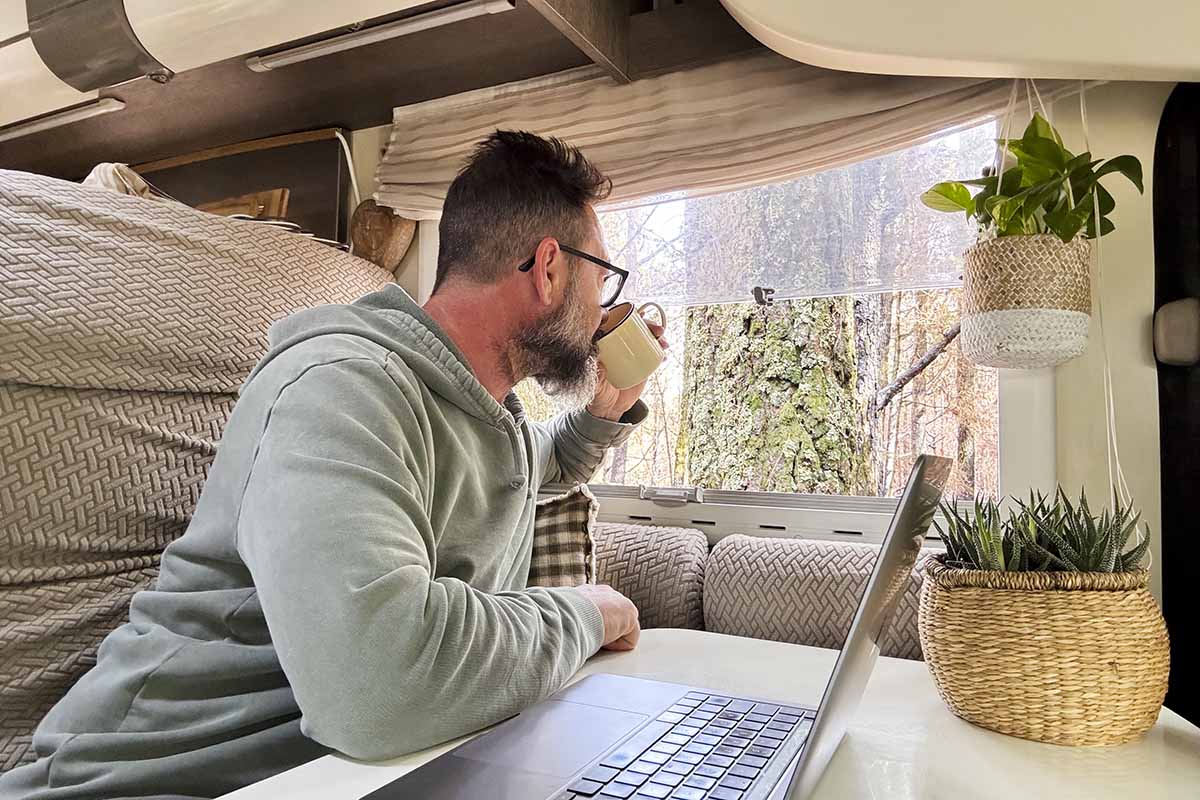
One of the biggest myths about digital nomad life is that it feels like a permanent vacation.
In reality, while everyone else is heading to the beach, partying, or exploring the city, you may still need to finish client work, attend meetings, or hit deadlines.
Some of the hardest parts include:
- Working while everyone around you is relaxing;
- Staying productive without structure;
- Managing deadlines across different time zones;
- Avoiding burnout from balancing work and travel.
Freedom sounds exciting, but digital nomad life often requires far more discipline, routine, and self-control than people expect. If you want to make the lifestyle sustainable long term, you must have discipline.
It’s Not for Everyone — And That’s Okay
Digital nomad life can be stressful, uncomfortable, lonely, and mentally exhausting at times.
Constant travel, unstable routines, and balancing work with everyday logistics is not something everyone enjoys long term.
But for the right person, the lifestyle can also bring incredible benefits:
- More freedom and flexibility;
- The ability to travel while earning online;
- Less attachment to repetitive routines;
- More personal growth and independence;
- The opportunity to build a lifestyle around experiences instead of just work.
The key is understanding that digital nomad life is not about escaping responsibilities.
It is about creating a different way of living that requires discipline, adaptability, and realistic expectations.
For many people, the freedom, experiences, and flexibility make the challenges worth it.