
Why Now Is the Best Time to Build Brand Awareness (And How to Measure It)
✨ Key Points
- Building brand awareness early reduces customer acquisition costs and increases long-term profitability;
- Tracking brand awareness requires combining multiple metrics (not just likes or traffic;)
- Clear positioning, pricing, and visibility are the foundation of a successful business;
The current market is more competitive, but also more open than ever. Consumer behavior has shifted, digital platforms have evolved, and many businesses are struggling to keep up with visibility and trust.
That creates opportunity.
As a PR & Marketing Strategist, I’ve seen that businesses don’t fail because of bad products, they fail because they’re not seen, not remembered, or not trusted at the moment of decision.
At the same time, launching a business today requires more than just a good idea.
To build something that actually works, you need:
- Clear product-market fit (what problem you solve and for whom)
- Competitive but profitable pricing
- Consistent visibility across platforms
- A strategy to build and track brand awareness
Most founders understand this, but where they struggle is knowing how to measure brand awareness in a way that reflects reality.
Looking only at surface-level metrics like likes, shares, or even traffic gives you an incomplete picture.
To make better decisions, you need a broader view:
- Awareness metrics: reach, impressions, search volume;
- Engagement signals: saves, shares, comments, repeat visits;
- Trust indicators: direct traffic, branded searches, referrals;
- Conversion signals: inquiries, returning customers, sales;
Brand awareness isn’t one number, it’s a pattern across channels.
When you track it properly, you stop guessing and start understanding:
- what’s working;
- where people are finding you;
- and what actually drives growth.
That’s what allows you to scale with confidence instead of relying on trial and error.
How to Use Website Data to Measure Brand Awareness
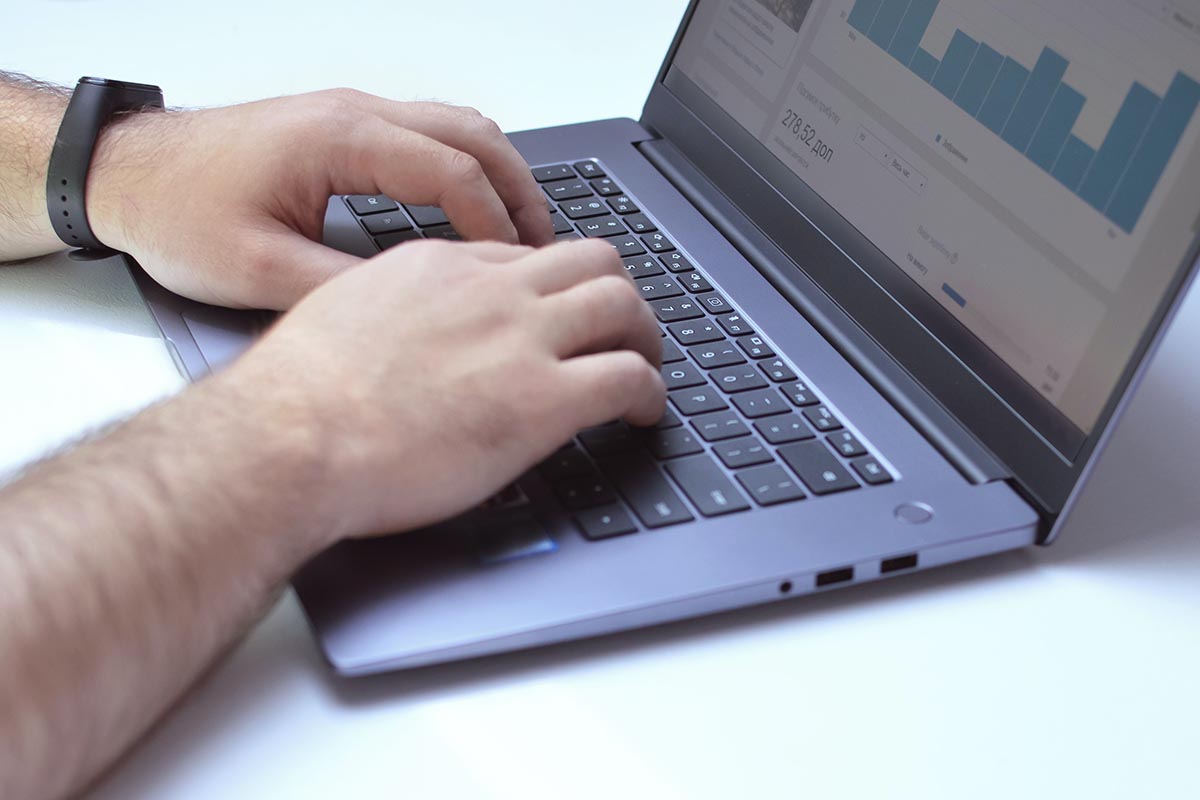
Your website data can be a powerful way to measure brand awareness, if you focus on the signals that reflect recognition, trust, and real interest, not just traffic.
As a PR & Marketing Strategist, I look at a few key metrics that clearly show whether your brand is actually being remembered:
- Direct traffic → people typing your URL directly
- shows brand recognition and recall
- growth here means more people know and seek out your brand
- Bounce rate → how quickly people leave
- 70%+ → mismatch (wrong audience, unclear message, slow site)
- 40–60% → healthy engagement and relevance
- Time on site & pages viewed → depth of interest
- indicates people are exploring, reading, and considering
- strong signal of growing trust, even before purchase
Even if visitors don’t buy right away, these behaviors matter. When people return, stay longer, and interact more, it means your brand is working, being seen, remembered, and considered.
Focus on trends, not just one-time numbers. If direct traffic and engagement are increasing, your brand awareness is moving in the right direction.
How to Measure Brand Awareness: Inbound Links
Quality inbound links are important for search engine optimization because they signal to Google that your site is a trusted authority in its field. At the same time, they are a strong indicator of brand awareness—when other sites link to you, it means your brand is being recognized and referenced.
As your brand becomes more visible, you naturally earn links from relevant and credible sources.
Here’s what to pay attention to:
- Relevance of links → Are they coming from sites in your industry or local area?
- Authority of sources → Media outlets, blogs, and trusted platforms carry more weight
- Referral traffic → Are people actually clicking those links and visiting your site?
- Growth over time → Increasing links usually means growing awareness and recognition
For example, a local pizzeria should have inbound links from local newspapers, magazines, and review sites such as Yelp. These links show that the business is part of the local conversation and trusted by the community.
As brand awareness grows, the number of quality links to your site should increase.
At the same time, more people will click on these links to visit your website, which signals both higher visibility and stronger interest in your brand.
Social Media Listening
Most social media platforms show basic metrics like visits, likes, and shares. These are useful—but they only show part of the picture.
To really understand brand awareness, you need to look at what people are saying and how far your brand is spreading, not just how many likes you get.
That’s where social media listening tools become valuable. They help you track how your brand is mentioned and discussed across platforms.
As a PR & Marketing Strategist, I always separate noise (opinions) from signal (reach and visibility).
Here’s what actually matters:
- Brand mentions → how often your audience talks about your brand;
- Reach of shares → how many people see content shared from your page;
- Audience amplification → how many followers your followers have (how far your message spreads;)
- Engagement patterns → what people consistently like, share, or ignore;
These insights show how visible your brand is, not just to your audience, but beyond it.
It’s also important to stay objective. Don’t get too focused on whether feedback is positive or negative. For brand awareness, the key question is:
👉 How many people are talking about and hearing about your brand?
To make this actionable:
- Track how far your content spreads (reach, shares, mentions;)
- Compare social media data with your website analytics;
- See how many people move from social platforms to your site.
When social activity and website traffic align, it’s a strong signal that your brand awareness is growing, and turning into real interest.
Surveys
Surveys are one of the most direct ways to understand how people discover and remember your brand.
Instead of guessing, you’re asking your audience exactly how they found you.
I use surveys to uncover what data alone can’t show, the real source of awareness and trust.
Here’s what to ask:
- How did you first hear about us? (search, social media, referral, offline)
- Did someone recommend us to you?
- Have you seen our brand before purchasing? If yes, where?
- What made you choose us over others?
These answers help you understand whether people:
- Find you through search;
- Hear about you from friends or colleagues;
- Notice you on social media or reviews;
- Discover you offline (storefront, events, local presence;)
How to collect responses
- Online → short surveys via email, website, or social platforms;
- Lead magnets → offer a discount, free guide, or bonus in exchange for answers;
- Offline → printed survey cards for in-store customers with a small incentive;
Using lead magnets not only increases response rates but also helps you grow your email list while learning more about your audience.
Best practices
- Keep surveys short and easy to complete (1–3 minutes;)
- Run them 3–4 times per year to track changes over time;
- Avoid overusing them so people don’t lose interest;
What to look for
- Are more customers coming from referrals and word-of-mouth?
- Are people seeing your brand multiple times before buying?
- Which channels are actually driving awareness and interest?
Surveys give you something most metrics can’t: a clear understanding of how people find you and why they choose you so you can focus on what truly grows your brand.
Why Measuring Brand Awareness Matters for Business Growth

Measuring brand awareness helps you understand if your business is actually growing, or just staying in the same place.
Looking at competitors gives you context.
It shows whether your visibility is increasing or if you’re being left behind in your market.
- If your share of attention stays the same (e.g., 3% year after year), growth is stagnant;
- If it increases (e.g., from 3% to 5%), that’s real progress that compounds over time;
You can track this using tools like social media listening platforms, Google Trends, and by analyzing competitor backlinks and visibility.
What matters isn’t being bigger than competitors right away, it’s growing consistently.
Brand awareness directly impacts:
- How often people choose you over others;
- How much trust you build before the sale;
- How much you rely on paid ads;
When your awareness grows, more people recognize your brand, trust it faster, and come to you instead of searching for alternatives.
Even though brand awareness isn’t always 100% measurable, tracking these signals gives you a clear direction.
It helps you understand what’s working, what needs improvement, and how to grow your presence over time.
The more you measure and improve your brand awareness, the easier it becomes to build a stable, visible, and profitable business.