How to Find a Hobby You Love: A Practical Guide
✨Key Points
- How can I find a hobby when nothing interests me? Start with the feeling you want, creativity, relaxation, movement, connection, or challenge—rather than choosing from a random list.
- What are good hobbies for busy adults with limited time? Look for activities that fit your actual schedule, budget, energy, available space, and preferred level of social interaction.
- How can I test a hobby without wasting money? Borrow equipment, use free resources, attend an introductory class, or try the activity consistently for several weeks before investing.
You may want something in your life that belongs entirely to you, not another work obligation, household task, or activity chosen for someone else.
Yet finding the right hobby can feel surprisingly difficult when you are tired, busy, unsure what you enjoy, or afraid of spending money on something you may quickly abandon.
I ask myself no stop: How do I find a hobby when nothing interests me? What are good hobbies for adults with limited time? How can I choose a hobby without wasting money? What should I try if I always lose interest?
A hobby does not need to define your identity, generate income, or become a lifelong passion.
Its value may simply come from helping you create, move, learn, meet people, reduce boredom, or enjoy time without needing to be productive.
The most reliable way to discover what you enjoy is through small experiments.
Instead of purchasing expensive equipment immediately, borrow supplies, take an introductory class, use a free trial, or test an activity for several weeks.
Pay attention to whether you look forward to it, lose track of time while doing it, and feel interested enough to continue learning.
Three principles can make the search easier:
- Start with the feeling you want: Decide whether you need creativity, movement, relaxation, connection, challenge, or time outdoors.
- Test before investing: Try an inexpensive version several times before committing significant money, space, or equipment.
- Judge the experience, not your talent: You do not need to be naturally skilled for a hobby to bring enjoyment and meaning.
This guide will help you identify suitable hobby categories, test new interests realistically, and recognise the difference between an activity that merely sounds appealing and one you genuinely want to continue.
How To Find A Hobby
Finding a hobby does not begin with choosing the most impressive activity from a long list.
It begins with becoming more watchful of your own life.
Pay attention to what you:
- Stop to photograph when you are outside;
- Save repeatedly on Pinterest or Instagram;
- Research even when no one asks you to;
- Enjoy discussing with other people;
- Feel curious or slightly envious when someone else does it;
- Loved before work and responsibilities occupied most of your time.
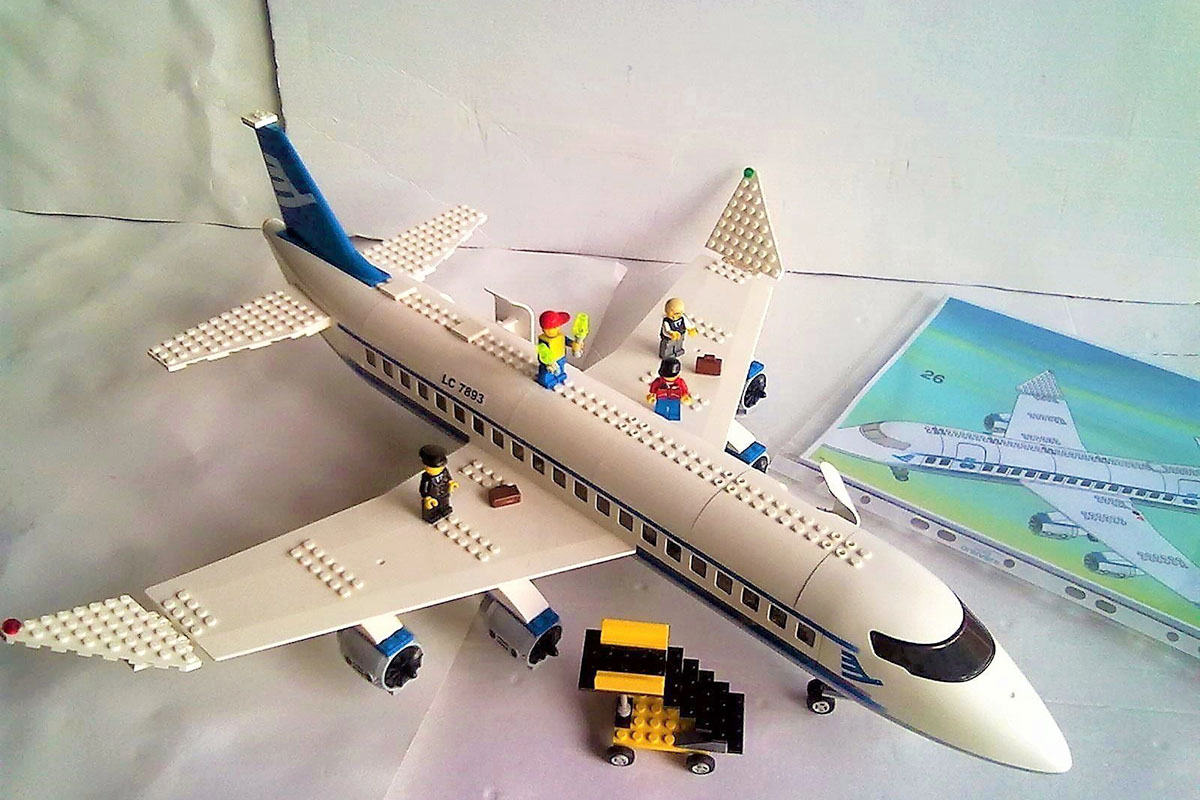
These small reactions are clues. You may discover an interest in aviation and begin building model aircraft while learning about RC airplane parts.
You may notice that music, movement, gardening, photography, or working with your hands repeatedly captures your attention.
A hobby should provide something you need, creativity, relaxation, movement, connection, challenge, or discovery.
It does not need to become a side hustle, and you do not need to be naturally talented at it.
Remember What You Loved as a Child
Childhood interests can reveal what felt enjoyable before productivity and other people’s expectations became important.
Ask yourself:
- What could I do for hours?
- Did I prefer creating, performing, exploring, collecting, or competing?
- Did I enjoy being alone or participating in a group?
- Which interest did I abandon because an adult discouraged me?
You do not need to recreate the exact activity.
A child who loved running outside might enjoy hiking or running as an adult.
Someone who constantly made sounds or rhythms may want to learn how to play the handpan.
Try What You Were Once Discouraged From Doing
Sometimes, the strongest clue is an activity you wanted to try but never received permission, money, time, or support to pursue.
Perhaps you wanted to play an instrument, dance, paint, act, or learn a martial art.
Adulthood gives you the opportunity to reconsider those interests on your own terms.
It is not too late to take beginner cello lessons or explore another instrument that attracts you.
Visit places that naturally create curiosity:
- Art-supply and craft stores;
- Libraries and independent bookshops;
- Community centres;
- Music schools;
- Parks and outdoor clubs;
- Galleries, markets, and local workshops.
Notice where you slow down, what you touch, and which activities make you imagine yourself participating.
Test the Idea Before You Invest
You cannot determine whether you love a hobby by thinking about it. You have to experience it.
Begin with the smallest realistic version:
- Attend one introductory class;
- Borrow or rent equipment;
- Use free tutorials;
- Buy only basic supplies;
- Try the activity several times;
- Speak with someone who already does it.
Take a sewing class before purchasing an expensive machine, for example.
One uncomfortable first attempt does not always mean the hobby is wrong for you; being a beginner often feels awkward.
Give the activity enough time to move beyond that initial discomfort.
I like using a 90-day experiment.
Try one interest consistently for three months, then ask:
- Did I look forward to doing it?
- Did my curiosity increase?
- Did it fit my energy, budget, and schedule?
- Would I continue even if no one saw the result?
- Do I want to become better at it?
You are allowed to stop.
Discovering that something is not for you is still useful information.
Let Someone Introduce You to Their Hobby
Trying an activity with an experienced friend can make the first attempt less intimidating.
If someone you know enjoys fishing, pottery, hiking, photography, or dancing, ask whether you can join them once.
A friend can explain the basics, help you avoid unnecessary purchases, and introduce you to the social side of the activity.
However, pay attention to whether you enjoy the hobby itself or simply enjoy spending time with that person.
Choose a Hobby That Fits Your Real Life
A hobby that suits your imagined life may not suit your actual schedule, budget, energy, storage space, or physical abilities.
Before committing, consider:
- How much time it requires;
- The ongoing cost of materials or membership;
- Whether it can be done at home;
- How much equipment it needs;
- Whether you prefer calm or stimulation;
- Whether you want solitude or community;
- How easily it can fit into an ordinary week.
Crosswords, reading, and Sudoku may suit someone seeking quiet relaxation.
Building model railway buildings may appeal to a person who enjoys patient, detailed work.
Someone craving movement may prefer swimming, dancing, cycling, or karate.
Decide Whether You Want a Social Hobby
If your deeper need is connection, choose an activity that naturally brings people together. Consider:
- A book or film club;
- Group fitness or martial arts;
- A walking or hiking group;
- Community theatre;
- Language classes;
- Art workshops;
- Volunteering;
- A photography or wine-tasting club.
Do not choose a social hobby only because you think you should make more friends.
If you currently need quiet and recovery, a solitary activity may serve you better.
The right hobby is not necessarily the one you master quickly.
It is the one that makes you more present, curious, peaceful, or alive. Stay observant, test ideas in real life, and allow your interests to change as you gain new experiences.