International SEO Tips for Global Businesses
✨ Key Points
- International SEO requires true localization, not just translation. Successful global growth depends on localized keyword research, culturally adapted messaging, proper hreflang implementation, and region-specific authority signals.
- Technical SEO and local SEO must work together. Correct domain structure, geo-targeting, localized backlinks, and fast global performance are essential for ranking in country-specific search results.
- Conversion-focused content strategies drive international success. Align content with local pain points, psychological triggers, and market behavior to turn global traffic into measurable conversions.
In 2026, expanding globally is no longer about simply translating your website.
International growth depends on understanding digital marketing, search intent, cultural psychology, and psychological triggers that influence buying behavior in different markets.
While the internet removes physical borders, it does not remove emotional, linguistic, or trust barriers.
If your international SEO strategy is not aligned with local expectations, you may generate traffic but fail to convert it.
To succeed with international SEO strategy 2026, businesses must focus on both technical optimization and emotional alignment.
Global audiences respond to different authority signals, pricing cues, cultural references, and conversion triggers.
What builds trust in one country may create hesitation in another.
That is why modern multilingual SEO, geo-targeted SEO, and conversion-focused content funnels must be structured around real market research rather than assumptions.
Key factors that drive international visibility and conversions include:
- Localized keyword research based on regional search behavior;
- Cultural adaptation of messaging, imagery, and terminology;
- Local currency, pricing structure, and payment expectations;
- Region-specific trust signals and backlinks;
- Clear hreflang implementation for proper indexing;
- Fast-loading, mobile-optimized global user experience;
- Alignment with local psychological triggers such as authority, safety, status, or community.
International SEO in 2026 is not just about being visible worldwide or understanding how local brands can show up in Google.
It is about creating a seamless, culturally intelligent experience that activates trust, aligns with regional search intent, and moves visitors through your funnel regardless of geography and knowing how to use heat maps for better content marketing helps you validate that experience with real behavioral data instead of assumptions.
How to Create a Strong International User Experience That Converts
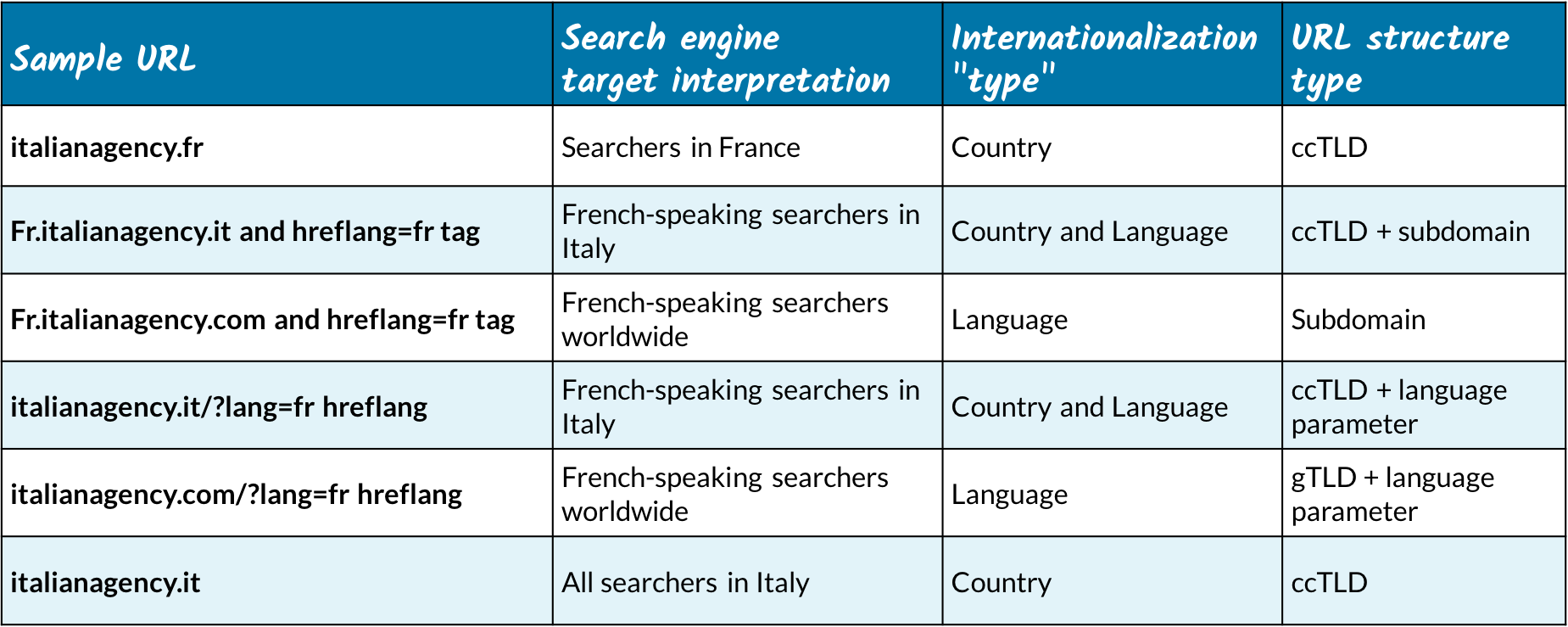
Start with your domain strategy. Your top-level domain (TLD) influences perception and geo-targeting.
- A .com domain is generally best for global positioning and flexibility.
- Country-code domains like .co.uk or .de signal strong local relevance.
- If switching domains, implement proper 301 redirects to preserve SEO authority.
Next, structure your website to clearly separate regions. Google must understand which content belongs to which audience.
You have two main options:
- Subdomains (uk.domainname.com) — can signal stronger regional separation but may split authority.
- Subdirectories (domainname.com/uk/) — usually better for consolidating domain authority and easier to manage.
In most cases, subdirectories are recommended for international SEO strategy 2026 because they maintain stronger centralized SEO power while still allowing regional targeting.
But structure alone is not enough. To ensure your pages rank in the correct country-specific SERPs, you must also:
- Implement hreflang tags to prevent duplicate content issues;\Localize keyword research for each region;
- Adapt currency, shipping info, and pricing expectations;
- Use region-specific backlinks to strengthen geographic signals;
- Optimize page speed globally with CDN delivery;
- Avoid automatic IP-based redirects that block search engine crawlers.
A strong global user experience means visitors immediately see content relevant to their language, currency, and cultural expectations without confusion or friction.
When international SEO is structured properly, search engines clearly understand your geographic intent, and users feel understood.
That combination is what increases rankings, lowers bounce rates, and drives real international conversions.
How to Localize Content Properly for International SEO (And Increase Conversions)
If you want your international SEO strategy to work in 2026, localization must go beyond translation.
Search engines evaluate language signals technically, and users evaluate them emotionally. When visitors feel that your website “speaks” their language culturally and contextually — conversions increase naturally.
Here is how to implement multilingual SEO correctly:
- Publish content in the exact language of your target audience. Do not rely on automatic translation tools alone. Adapt tone, terminology, and search intent based on local keyword research.
- Match your page title and meta description to the page language. These elements appear in organic search results. If users see results in their own language, click-through rate improves significantly. This supports stronger performance in local SERPs.
- Adapt images to cultural expectations. Visual preferences differ by region. Colors, clothing, environments, and even facial expressions can influence emotional response. Culturally aligned imagery strengthens trust and supports higher conversion rates.
- Provide a clear language and country switcher. If a visitor lands on the wrong regional version, they must be able to switch easily. Forced redirects without options can increase bounce rates and hurt international SEO performance.
- Build localized backlinks. Country-specific pages should earn backlinks from domains in the same country and language. This strengthens geographic relevance and improves regional rankings.
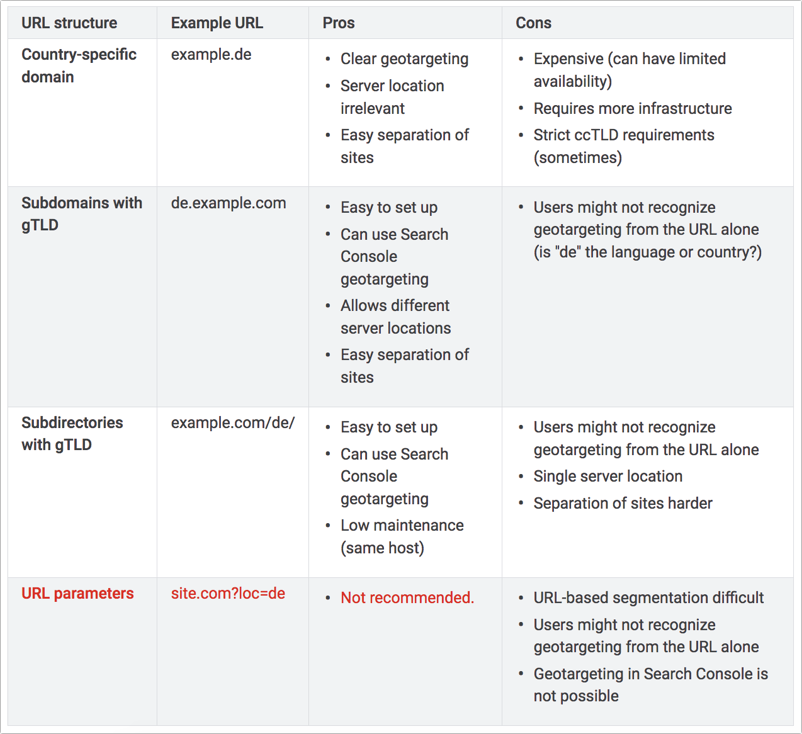
- Implement correct hreflang tags. These technical signals tell search engines which language and regional version to show, preventing duplicate content issues and improving targeting accuracy.
- Track rankings using local search engines. Google dominates globally, but some countries use alternative engines. Monitor performance using the most relevant search platform for each market.
In 2026, successful international SEO depends on cultural precision, technical accuracy, and localized authority signals.
When users feel understood and search engines clearly recognize your regional targeting, visibility and conversions grow together.
Conclusion: International SEO in 2026 Is About Strategic Localization, Not Just Translation
In 2026, winning globally requires more than visibility or simply understanding how to grow website authority and build long-term SEO trust.
It requires a structured international SEO strategy, strong local SEO alignment, and conversion-focused content strategies tailored to each market so authority compounds consistently across regions rather than fragmenting.
Simply translating pages is not enough. You must localize search intent, messaging, authority signals, and user experience.
Successful global brands combine:
- Localized keyword research for every region;
- Strong technical SEO foundations (hreflang, geo-targeting, structured URLs;)
- Country-specific backlinks to strengthen regional authority;
- Culturally adapted visual and messaging strategies;
- Clear multilingual navigation for seamless user experience;
- Conversion-focused content funnels built around local pain points.
International SEO works best when integrated with a broader data-driven content marketing strategy.
That means analyzing regional performance metrics, optimizing for local search engines, and continuously refining your geo-targeted SEO efforts.
If your goal is sustainable global growth, your approach must align local SEO, multilingual SEO, technical SEO, and strategic content marketing into one cohesive system.
If you’re ready to expand into new markets with a structured international SEO roadmap including localized content strategies, regional authority building, and conversion optimization let’s build a scalable global growth plan tailored to your brand.