How to Work Remotely From Another Country in 2026
✨ Key Points
- More professionals are leaving expensive cities in search of flexibility, affordability, and better quality of life.
- Economic uncertainty, layoffs, and AI-driven job changes are pushing many workers toward remote careers and location-independent income.
- Countries like Singapore, Portugal, and the UAE are becoming major hubs for remote workers, entrepreneurs, and digital professionals.
For many people, working remotely from another country is no longer just a dream lifestyle seen on social media.
In 2026, it has become a practical response to burnout, rising living costs, and uncertainty in traditional careers.
As AI reshapes industries and companies continue restructuring teams, more professionals are rethinking where, and how — they want to live and work.
Well-known entrepreneurs and creators have also embraced this shift.
Sophia Amoruso openly discussed relocating from Los Angeles to London while redesigning her lifestyle and work around more flexibility and personal alignment.
At the same time, many founders, creators, and tech professionals are relocating to places like Singapore, Portugal, and Dubai because of:
- Strong digital infrastructure;
- International business opportunities;
- Safety and quality of life;
- Tax advantages in some regions;
- Growing communities of remote professionals.
For many remote workers, the goal is not only travel. It is:
- More control over lifestyle and schedule;
- Less financial stress;
- Better work-life balance;
- The ability to build a career around personal goals and values.
This guide will help you understand how to work remotely from another country more realistically and sustainably in today’s changing economy.
How to Work Remotely From Another Country: Start With a Real Plan
Before you move abroad and start working remotely, you need more than excitement.
You need a clear plan that protects your income, lifestyle, and peace of mind.
Working from another country can give you freedom, but it also comes with practical responsibilities like visas, taxes, time zones, healthcare, internet access, and stable client work.
Before you go, make sure you understand:
- Where you are legally allowed to work;
- How much income you need each month;
- Whether your job or clients support international work;
- What time zone differences will mean for meetings;
- How you will handle banking, taxes, and insurance;
- Where you can find reliable internet and workspace.
The more prepared you are before leaving, the easier it becomes to enjoy the benefits of remote work without unnecessary stress.
Choose the Right Country for Remote Work
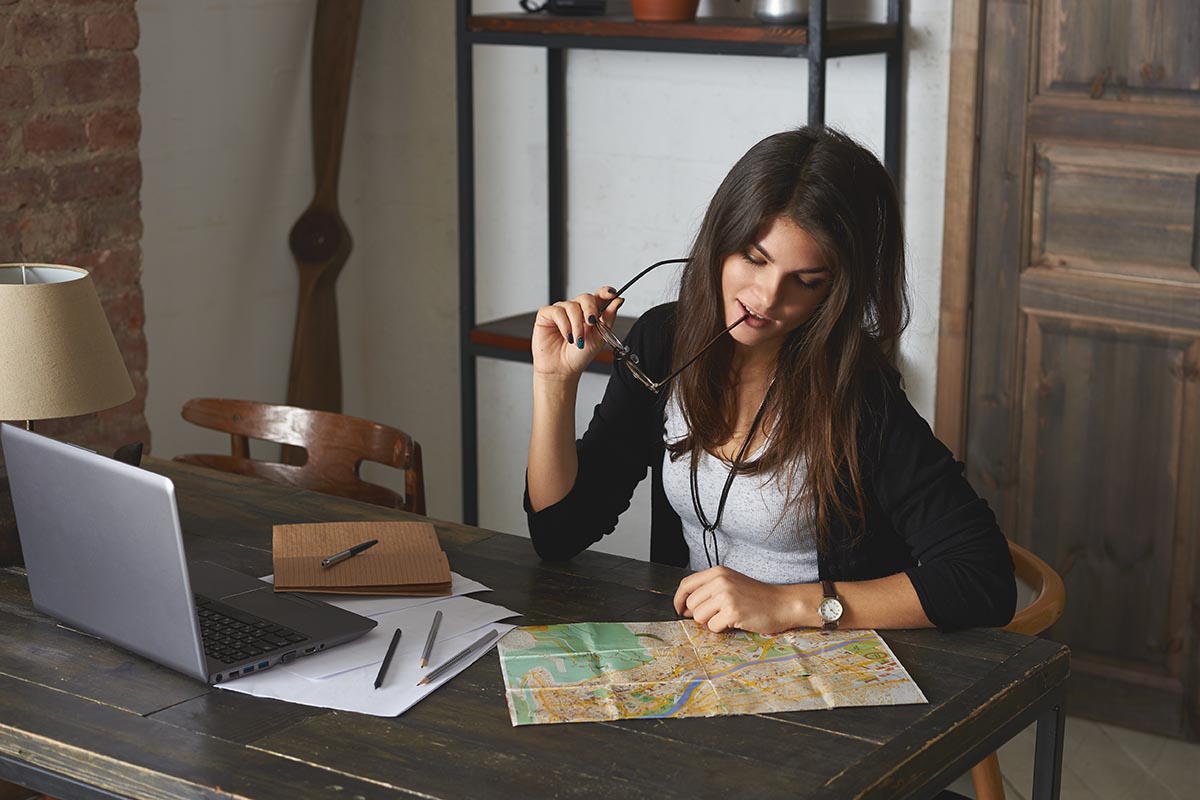
One of the most important steps when learning how to work remotely from another country is choosing a location that fits both your lifestyle and work needs.
Many remote workers now choose countries based not only on travel appeal, but also on:
- Cost of living;
- Internet reliability;
- Safety and healthcare;
- Time zone compatibility;
- Visa options for freelancers and remote employees;
- Communities of digital nomads and entrepreneurs.
In recent years, countries like Portugal, Spain, Thailand, and United Arab Emirates have become especially popular because they offer digital nomad visas and remote-worker-friendly infrastructure.
For example, Portugal’s digital nomad visa has attracted thousands of freelancers, creators, consultants, and tech professionals looking for a more flexible lifestyle while legally working remotely abroad.
Before choosing a country, research:
- Remote work visa requirements;
- Minimum income rules;
- Tax implications;
- Cost of housing and healthcare;
- Local coworking spaces and internet quality.
The right location can make remote work abroad feel far more sustainable, productive, and financially manageable over the long term.
Research Visa and Work Permit Requirements Carefully
Before moving abroad for remote work, take time to fully understand the country’s visa and legal work requirements.
Every country has different rules for freelancers, remote employees, business owners, and digital nomads.
Some countries now offer special digital nomad visas, while others may still require traditional work permits or proof of stable income.
Before relocating, research:
- Visa and digital nomad visa options;
- Minimum income requirements;
- Length of stay rules;
- Tax obligations;
- Healthcare or insurance requirements;
- Renewal and residency conditions.
This step is extremely important because working remotely without the correct visa or legal documentation can create financial, legal, and immigration problems later.
Careful research before moving helps make the transition smoother, reduces stress, and allows you to focus more on building a stable remote work lifestyle abroad.
Finding Accommodation for Remote Work Abroad
Prepare for Cultural Differences
Moving to another country for remote work can be exciting, but it also comes with cultural adjustments that many people underestimate.
Even simple daily routines, communication styles, work habits, food, transportation, and social expectations may feel very different from what you are used to at home.
That is why it helps to prepare mentally for some level of culture shock, especially during the first few months.
Before relocating, try to learn about:
- Local customs and social etiquette;
- Workplace communication styles;
- Language basics and common phrases;
- Local laws and expectations;
- Daily lifestyle and pace of life.
Being open-minded, patient, and adaptable can make the transition much smoother and help you feel more comfortable building a life and remote career in a new country.
Building a Strong Remote Work Infrastructure
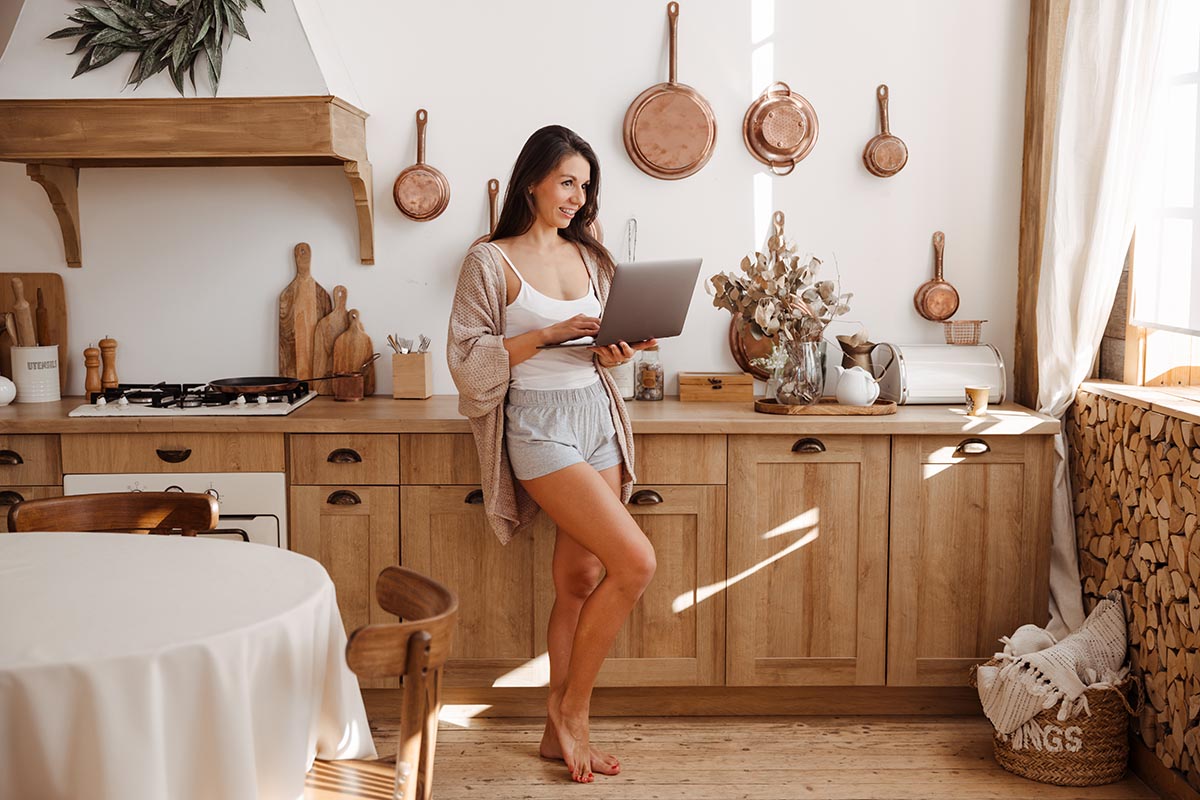
Working remotely from another country requires more than just a laptop and Wi-Fi.
Creating a reliable setup is essential for staying productive, communicating with clients, and maintaining stable income while abroad.
A strong remote work infrastructure helps reduce stress, avoid technical problems, and make day-to-day work far more efficient.
Before relocating, make sure you have:
- Reliable internet access and backup options;
- A quality laptop and essential work equipment;
- Secure cloud storage and file backups;
- Noise-canceling headphones for meetings;
- Access to coworking spaces if needed;
- Financial and communication apps that work internationally.
The more prepared your setup is before you move, the easier it becomes to work consistently and professionally from almost anywhere in the world.
- Securing a Reliable Internet Connection. Make sure you have fast-speed internet because it is only possible for you to work from home with it.
- Setting Up a Comfortable and Functional Workspace. The best thing for us is to create a home office because it will be a very comfortable space for you so you can work from home efficiently.
- Investing in The Right Technology and Equipment. Ensure you have access to the right equipment and advanced technology to avoid any issues.
- Staying Connected with Colleagues and Clients. Your network is your network when you are a freelancer. So, if you want to work from home, you need to stay connected with all your clients and co-workers online.
- Overcoming Challenges of Remote Work. The truth is that no work is easy, and you must prepare yourself for all the challenges that remote work throws. So, take a look at how you can overcome the challenges when you want to work remotely from another country.
- Time Zone Differences.When you work from home, the time in another country will be different from your current location.. So keep that in mind to manage the proper schedule and work-life balance.
- Communication Barriers. The communication barrier is a challenge that you have to face when you are working remotely. It is possible to resolve this issue using different video communication platforms such as zoom.
- Maintaining Work-Life Balance. Don’t get carried away and start working 24/7 because it is terrible for your health. Create a work-life balance so it can be healthy for you simultaneously.
- Staying Motivated and Focused. Stay motivated, and do not lose hope. Consistency is the only key when you want to succeed in working remotely.
Making the Most of Remote Work
It doesn’t have only to work because you can make a lot out of working remotely as a freelancer. Let’s look at how you can take advantage of and work remotely from another country.
- Building a Supportive Network. Have a social circle that is related to your field and keep communicating with them from time to time. This will ensure that you always have a supportive network and can rely on it.
- Exploring the Local Culture and Surroundings. Explore and look at the local culture because it will give you many ideas about your surroundings.
- Taking Advantage of New Opportunities. The sky is the limit when you are working remotely; that is why you need to take advantage of all the new opportunities available to you.
- Balancing Work and Leisure Activities. Do not get too carried away by working all the time because you need to take some time for yourself to enjoy your life.
Conclusion

Working remotely from another country is no longer only about travel.
For many people in 2026, it has become a way to create a lifestyle with more freedom, flexibility, and personal control during uncertain economic times.
Remote work can allow you to:
- Build income without being tied to one location;
- Explore new cultures and experiences;
- Improve work-life balance;
- Create a lifestyle that better aligns with your personal goals and values.
At the same time, remote work abroad requires planning, discipline, adaptability, and strong communication skills.
There will be challenges, from time zones and visas to loneliness and unstable routines, especially in the beginning.
But for many professionals, freelancers, and creators, the long-term benefits outweigh the difficulties.
The ability to design a career around your lifestyle instead of building your life around work is one of the biggest reasons remote work continues to grow worldwide.
With the right preparation and career advice for every stage of your career, remote work from another country can become more than just a career move.
It can become an opportunity to build a more intentional, flexible, and fulfilling way of living.