
Smart Web Design: How to Turn Visitors into Loyal Customers
✨Key Points
- User Experience is King – Clear navigation, fast load times, and intuitive design keep visitors engaged and boost conversions.
- Mobile Optimization Drives Visibility – Responsive design and fast mobile performance improve both user satisfaction and Google rankings.
- SEO & Visual Appeal Work Together – Strategic optimization and cohesive branding attract the right audience and build lasting trust.
Most business owners think their website problem is traffic.
It’s not.
In 2026, the real problem is this: people visit your site, but don’t understand it. And when they don’t understand, they don’t convert.
Today, users decide in seconds whether to stay or leave. If your message isn’t instantly clear, you’re losing customers before you even get a chance.
Most businesses try to fix this with better design, but miss the real issue: their website doesn’t clearly explain what they do, who it’s for, and why it matters.
And in places like Seattle, this matters even more.
People don’t respond to pushy or confusing pages. They research quietly, and if something feels off or unclear—they leave.
That’s why website design today isn’t about looking good, it’s about being easy to understand and easy to trust.
Because the websites that win aren’t the best-looking ones, they’re the ones people instantly “get.”
Enhancing User Experience
A seamless user experience (UX) stands at the core of customer retention and engagement, and it’s a critical part of user experience in software development, not just design.
Today, success comes from finding the right balance between SEO, systems, and user experience online.
It’s not enough for a page to rank or look good, it needs to work smoothly for real people.
Clear navigation, logical structure, fast-loading pages, and appealing visuals all work together to reduce friction and keep visitors engaged.
When these elements are aligned:
Visitors can quickly understand where they are and what to do next;
Intuitive navigation and clear CTAs guide the journey without confusion;
Simplified paths, like easy forms or streamlined checkouts, reduce effort and hesitation;
Because every extra step, delay, or moment of confusion increases the chance someone leaves.
The goal isn’t just usability, it’s flow.
When your SEO, systems, and UX work together, the experience feels effortless, and that’s what drives real conversions.
Prioritizing Mobile Optimization
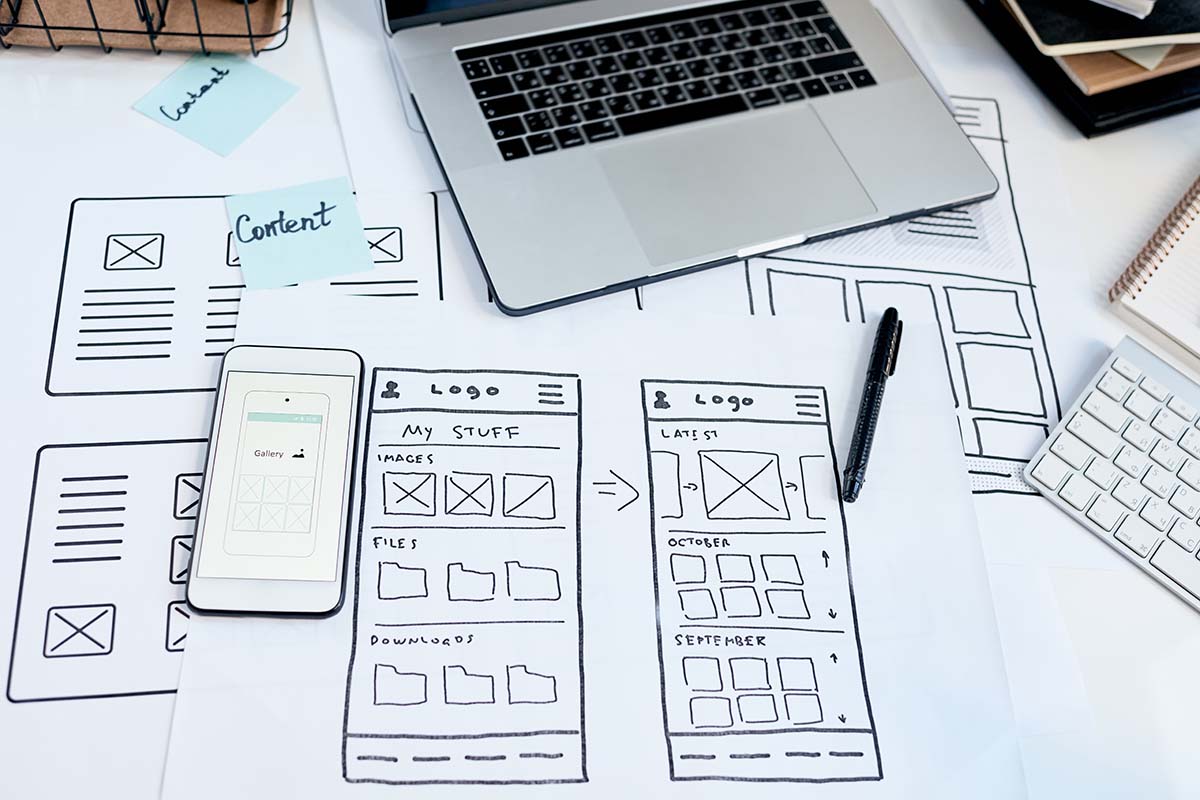
More than half of web traffic now comes from mobile—but in places like the Pacific Northwest, it’s often even higher, especially during commutes, coffee shop browsing, or quick searches between meetings.
That means your website isn’t being viewed in perfect conditions.
It’s being opened on the go, in low light, on slower connections—and if it doesn’t work instantly, people leave.
Responsive design isn’t just about fitting the screen anymore.
Your content needs to feel effortless to use on any device.
Think about real scenarios:
- Someone in Seattle quickly checking your site between light rail stops;
- A user browsing on their phone during a rainy afternoon, half-distracted;
- A potential client comparing options late at night without sound or full attention.
In all of these cases, your mobile experience decides whether they stay or bounce.
Google reinforces this with mobile-first indexing, meaning your mobile performance directly impacts visibility and rankings.
But beyond rankings, it’s about usability:
Pages need to load fast—even on weaker connections;
Buttons must be easy to tap (no zooming or misclicks;)
Navigation should be simple and obvious within seconds.
Content should be short, clear, and easy to scan
If users have to think, zoom, or wait, they’re gone.
Businesses that invest in strong mobile experiences aren’t just improving design, they’re removing friction in real-world moments where mobile commerce decisions are made.
And in a mobile-first market like today, that’s what gives you a real competitive edge.
Implementing SEO Best Practices
Optimizing your website for search engines isn’t just about traffic—it’s about attracting people who are already close to buying.
That’s why SEO matters for e-commerce today: it brings in high-intent users who are actively searching for products, comparisons, and solutions, not just browsing.
If your site isn’t optimized, you’re missing out on customers who are ready to purchase.
Here’s what actually makes a difference:
Match real buying searches. Use keywords people actually type before buying (e.g., “best running shoes for rain Seattle” or “affordable standing desk US”.)
Make your pages easy to understand (for users + AI). Clear titles, descriptions, and headings help both search engines and shoppers quickly “get” what you offer.
Keep your structure clean and logical. Simple URLs and organized pages make it easier to navigate and improve visibility.
Focus on technical performance. Fast load times, mobile optimization, and smooth browsing are critical—especially for mobile shoppers.
Use structured data where it matters. Product info, reviews, and pricing help your listings stand out in search results.
Because today, SEO isn’t just about ranking, it’s about showing up at the exact moment someone is ready to buy.
And when your site is optimized the right way, you’re not chasing customers.
You’re meeting them exactly when they’re looking for you.
Visual Appeal That Builds Trust (Not Just “Looks Nice”)

People don’t judge your website slowly—they form an opinion in seconds.
And in most cases, it’s not based on your offer—it’s based on how your site feels at first glance.
If your page looks outdated, cluttered, or inconsistent, trust drops immediately—no matter how good your service is.
Strong visual design isn’t about decoration. It’s about making your business feel clear, credible, and easy to trust.
Here’s what actually makes a difference:
Use real, high-quality visuals
Avoid generic stock photos when possible. Show real work, real results, or realistic scenarios your audience relates toKeep branding consistent. Same colors, fonts, and style across the page—this signals professionalism and stability
Guide attention with layout. Use spacing, contrast, and visual hierarchy to naturally lead users to headlines, benefits, and CTAs
Make content easy to scan. Break sections with icons, visuals, or subtle design elements so it doesn’t feel like a wall of text
Design for how people actually browse. Most users scroll quickly—your visuals should help them understand key points without reading everything
Because good visuals don’t just make your site look better—they make it easier for people to understand, trust, and act.
And when that happens, engagement and conversions follow naturally.
Optimizing for Conversions
The ultimate goal of a website is to prompt users to take action, whether making a purchase, signing up for a newsletter, or engaging with your brand in other ways.
Strategic placement of calls-to-action and the creation of focused, persuasive landing pages are essential conversion drivers.
Intuitive interfaces and personalized experiences, such as tailored recommendations or dynamic content, significantly enhance the likelihood of conversion.
Studies have shown that websites implementing personalization strategies can see conversion rate increases of up to 202%, underscoring the effectiveness of a user-centered approach.
Ensuring Performance and Speed
Website performance, especially load speed, is a pivotal element in both user satisfaction and search engine rankings.
Optimizing media, implementing browser caching, and streamlining codebases are crucial actions for improving site speed.
A delay of just a few seconds can cause frustration and push visitors toward competing sites, a fact supported by Google’s research, indicating that 53% of mobile users abandon sites taking more than three seconds to load.
Proactive performance monitoring ensures a swift, barrier-free user experience.
Accessibility Isn’t Optional – It’s Legal, Ethical, and Good Business

Website accessibility isn’t just about being inclusive—it’s about meeting real legal standards and avoiding unnecessary risk.
Laws like the Americans with Disabilities Act (ADA) in the U.S. and guidelines such as the Web Content Accessibility Guidelines (WCAG) set clear expectations for making digital content accessible to everyone.
And enforcement is increasing—businesses are facing lawsuits simply because their websites aren’t usable for people with disabilities.
At its core, accessibility means making sure anyone can use your site, regardless of ability.
That includes:
- Descriptive alt text so screen readers can explain images;
- Semantic HTML structure so content is logically organized;
- Keyboard navigation for users who can’t use a mouse;
- Compatibility with screen readers and assistive tech.
But this isn’t just about compliance—it directly impacts your reach and reputation.
- You make your site usable for a wider audience (including millions of users with disabilities;)
- You build trust by showing your business is thoughtful and inclusive;
- You improve usability for everyone (clear structure benefits all users, not just those with disabilities.)
And importantly—accessibility overlaps with SEO.
Search engines rely on many of the same signals (clear structure, alt text, readable content), so accessible sites often perform better in search as well.
In 2026, accessibility is no longer a “nice to have.” It’s a baseline expectation for users, for search engines, and for legal compliance.
Continuous Improvement Is What Keeps You Competitive
Committing to continuous improvement is essential because the digital space doesn’t stand still.
The digital realm evolves rapidly, and maintaining online success requires regularly reviewing analytics to understand real user behavior, identifying friction points, and adapting to changing expectations.
Feedback and data help you fix what’s not working, while staying current with design, SEO, and AI-driven trends keeps your website relevant and competitive.
In the end, smart web design decisions are the foundation of real results.
By focusing on user experience, mobile optimization, SEO, visual clarity, conversions, performance, accessibility, and ongoing refinement, you build more than just a website you create a system that consistently drives growth and engagement.
But here’s the reality: most websites don’t fail because of effort—they fail because the message isn’t clear enough to convert.
That’s where I come in.
I help businesses turn unclear, underperforming websites into clear, high-converting experiences using content people actually understand and trust.
If your site isn’t delivering the results it should, it’s not just a design issue it’s a clarity issue.
And it’s something we can fix.