How to Make Perfect Risotto: A Beginner’s Guide
✨Key Points
- Use the correct rice. High-starch Italian varieties create creaminess while retaining structure.
- Control temperature and liquid. Keep the stock warm and add it gradually so the rice cooks evenly.
- Serve risotto immediately. The ideal texture is loose and flowing, not dry, stiff, or watery.
Risotto was one of the first Italian dishes that made me want to recreate a restaurant experience at home.
I first tried it at Scarpetta, an Italian restaurant in Manhattan, and its creamy texture and layered flavour inspired me to learn the technique myself.
My risotto is still evolving, but that is part of the pleasure of cooking.
Each attempt teaches you more about heat, timing, texture, and seasoning.
Risotto is associated mainly with northern Italian cuisine, particularly Lombardy and Veneto.
Exploring food in Rome reveals a different regional identity built around dishes such as carbonara, cacio e pepe, amatriciana, saltimbocca, supplì, and artichokes.
Learning these differences is part of gastronomy tourism: understanding Italy through the food traditions of each region.
This beginner’s guide explains how to:
- Choose Arborio, Carnaroli, or Vialone Nano rice;
- Prepare and keep the stock warm;
- Toast the rice before adding liquid;
- Add stock gradually while controlling the heat;
- Stir enough to release starch without making the rice gluey;
- Recognise when the grains are properly al dente;
- Finish with butter and cheese using the mantecatura technique;
- Adjust the final consistency before serving;
- Turn restaurant inspiration into a personal culinary experience at home.
Cooking risotto is a form of practical culinary tourism. It connects technique with regional history and lets you continue a gastronomic adventure long after leaving the restaurant or returning from Italy.
Using the Wrong Rice
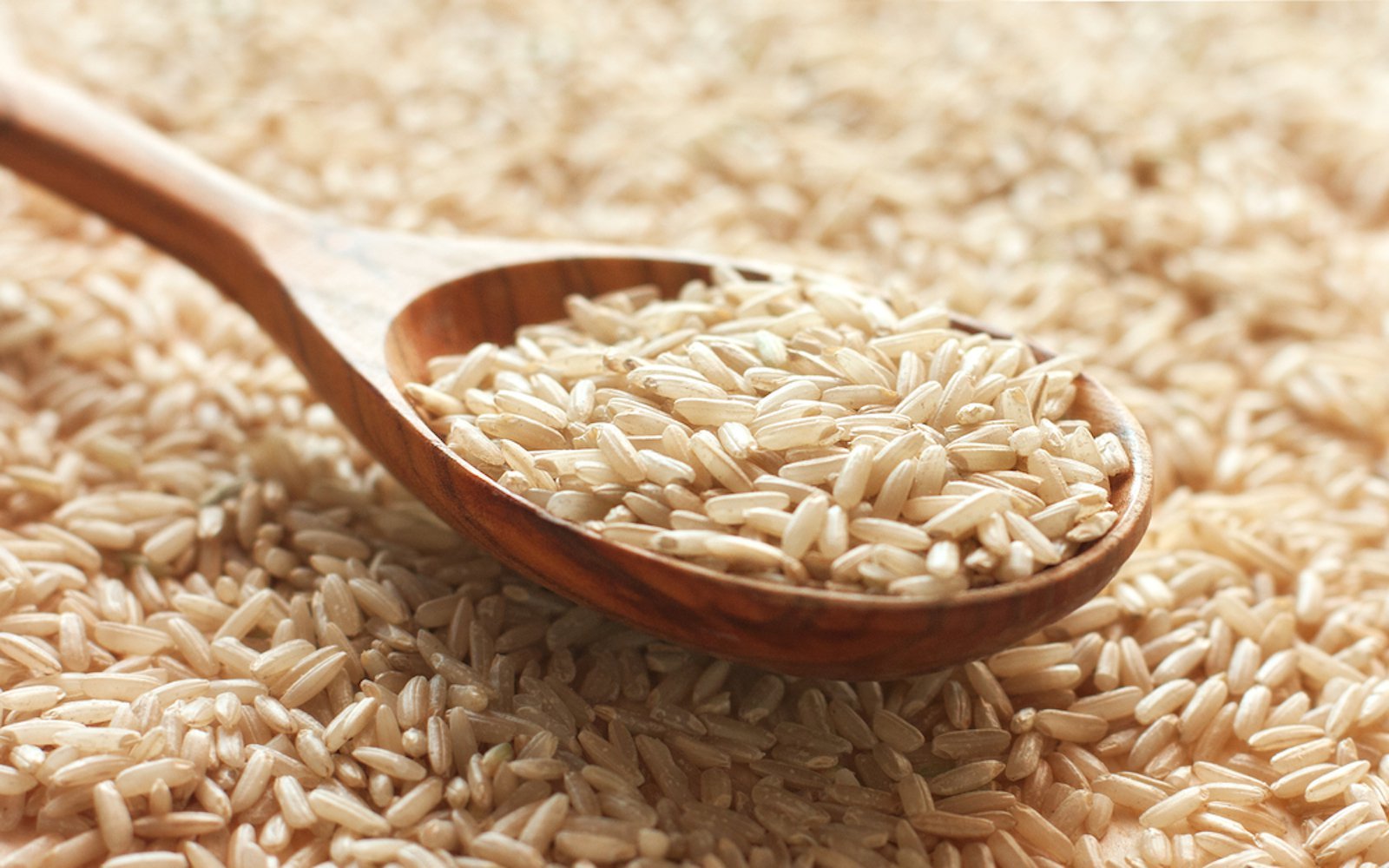
The rice determines whether risotto becomes creamy and al dente or soft and gluey.
Standard long-grain rice does not release enough starch to create the traditional texture.
Choose one of these Italian varieties:
- Carnaroli: Holds its shape well and is more forgiving if the cooking time is slightly extended.
- Arborio: Widely available and creamy, although it can become soft more quickly.
- Vialone Nano: Absorbs flavour effectively and creates a looser, more fluid risotto.
Do not rinse the rice before cooking because washing removes the surface starch needed for creaminess.
Toast the dry grains briefly in butter or olive oil before adding wine or warm stock.
Arborio became widely available as international cooking gained popularity alongside changing dining habits and nostalgic 70’s food trends.
However, Carnaroli is often the more reliable choice for beginners who want distinct grains within a creamy sauce.
The right rice will not guarantee perfect risotto, but the wrong variety makes the desired texture much harder to achieve.
Do Not Use Cold Stock
If you want the risotto to be bursting with flavors, one thing that should be given attention is the quality of the stock.
If you add a cold stock on the pan, this is going to mess the entire process and will ruin the risotto.
Keep the stock simmering before it is added.
Once the stock is added, keep on stirring the risotto so that the optimal flavors will be absorbed.
Stir Frequently, Not Constantly
Stirring helps the rice release starch and prevents it from sticking, but constant aggressive movement can damage the grains and produce a gluey texture.
- Use a wide, heavy-bottomed pan for even heat distribution.
- Maintain a gentle simmer rather than a rapid boil.
- Stir thoroughly after each addition of warm stock.
- Pause briefly, then stir again before the rice sticks to the bottom.
- Add more stock when the previous amount is mostly absorbed, but before the pan becomes dry.
- Scrape along the base and corners where rice can catch and burn.
- Use a wooden spoon or flexible spatula and avoid crushing the grains.
The goal is steady, gentle agitation, not continuous vigorous stirring.
Stop cooking when the rice is tender but still slightly firm in the centre and the surrounding sauce flows slowly across the plate.
Add Wine at the Right Stage
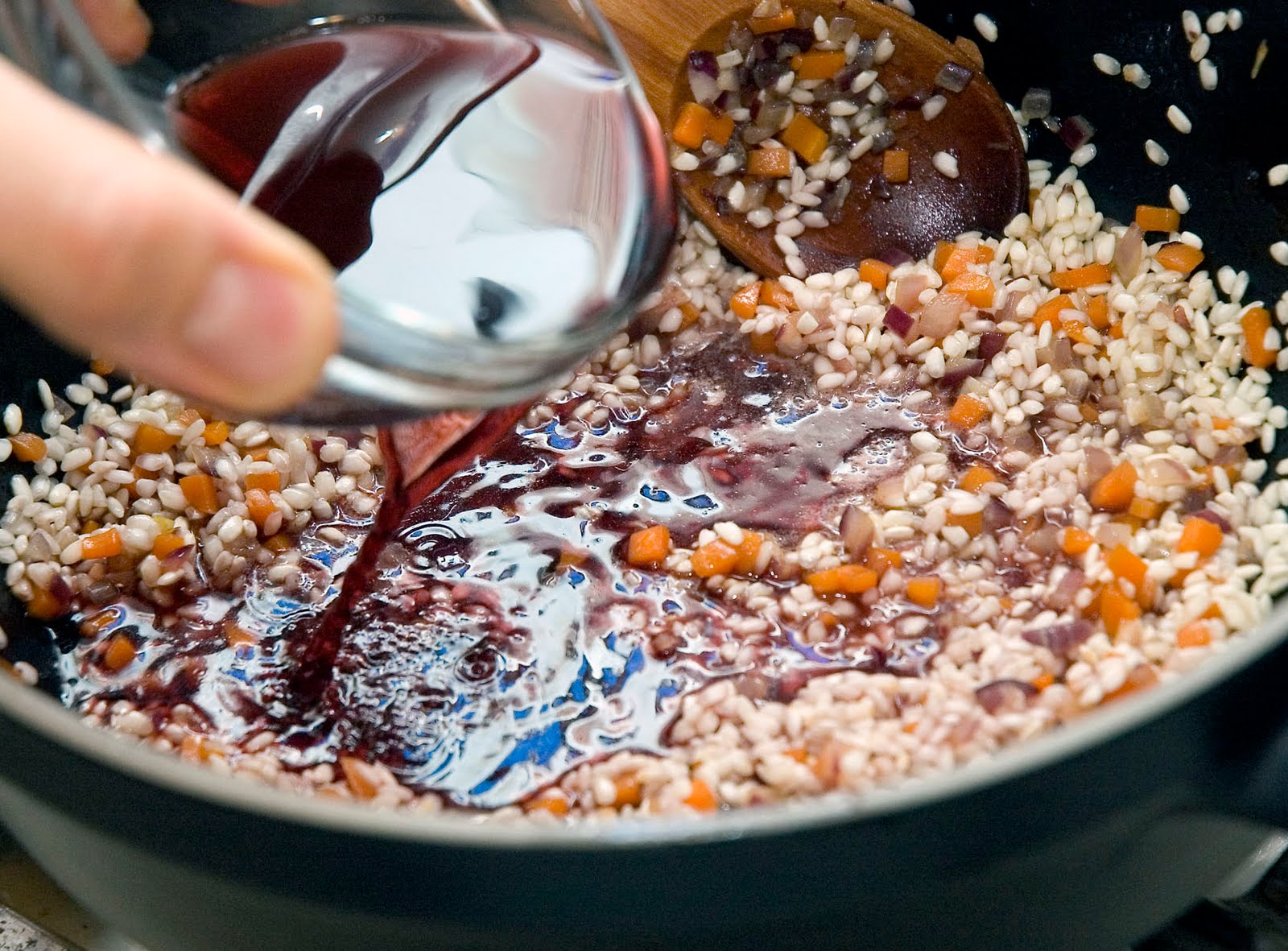
Wine is one of the secrets of the perfect risotto, but it is optional rather than essential.
Its main purpose is to add acidity and complexity, balancing the richness of butter and cheese.
For the best result:
- Add wine after toasting the rice and before adding stock.
- Use a dry white wine such as Pinot Grigio or Sauvignon Blanc.
- Avoid sweet, heavily oaked, or poor-quality cooking wines.
- Add approximately ½ cup for four servings.
- Stir until the harsh alcoholic aroma fades and most liquid is absorbed.
- Begin adding warm stock only after this stage is complete.
Red wine can work in recipes designed around mushrooms, beef, sausage, or radicchio, but it will change the risotto’s colour and create a stronger flavour.
It should not be used simply because the dish contains meat.
Wine does not necessarily lose all its alcohol during brief cooking.
For an alcohol-free risotto, replace it with additional stock and a small amount of lemon juice or white wine vinegar for acidity.
Add Ingredients at the Correct Time
Not every extra ingredient should be added at the end.
Timing depends on how long it needs to cook and whether it releases liquid that could change the risotto’s consistency.
Use this general order:
- At the beginning: Sauté onions, shallots, garlic, or firm mushrooms before adding the rice.
- During cooking: Add roasted squash, cooked sausage, or prepared mushrooms early enough for their flavours to develop.
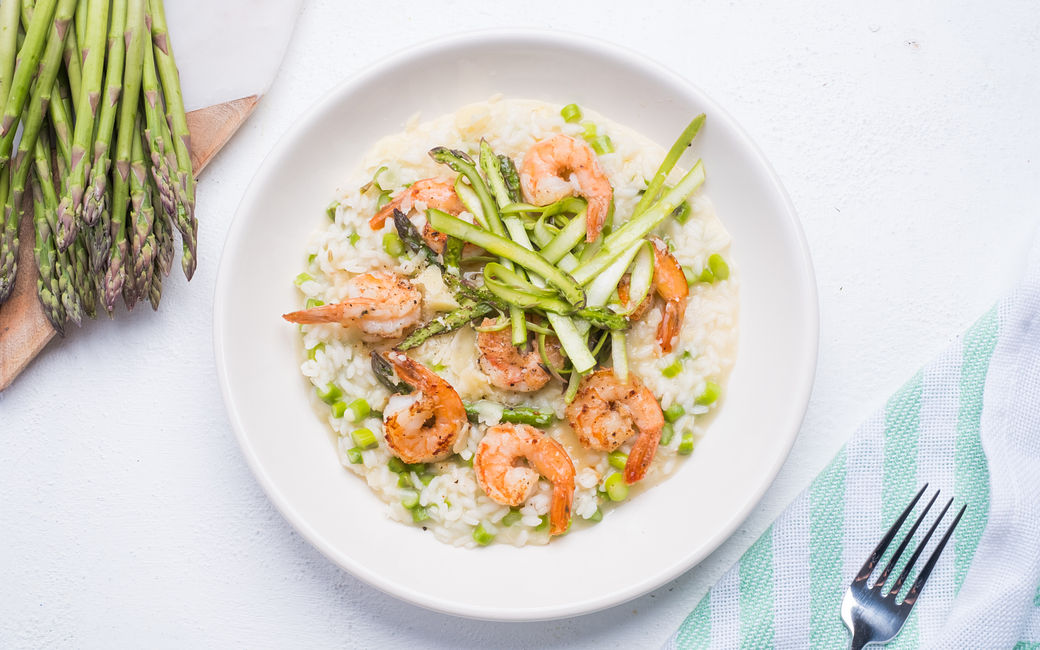
- Near the end: Stir in frozen peas, spinach, asparagus tips, herbs, or precooked vegetables.
- Cook separately: Prepare scallops and prawns in another pan, then add them once safely cooked to avoid rubbery seafood and uneven rice.
- Off the heat: Finish with cold butter and finely grated Parmesan using the mantecatura technique.
After adding the butter and cheese, stir vigorously until the risotto becomes glossy and fluid.
Taste before adding salt because the stock and Parmesan may already provide enough seasoning. Serve immediately, as risotto continues thickening while it rests.
Bring the Italian Dining Experience Home
You do not need a restaurant reservation to enjoy a satisfying risotto. Learning this technique gives you:
- A flexible meal that can use seasonal vegetables and leftovers
- Greater control over ingredients, salt, richness, and portion size
- A comforting dish to prepare for family or friends
- Confidence to experiment with regional Italian flavours
- A way to continue your gastronomic adventure at home
Your first attempt does not need to be perfect. Learn the texture, adjust the seasoning, and improve the timing each time you cook.
That process is what turns a recipe into a skill—and an ordinary evening into a memorable culinary experience.