
How to Clear Clutter and Use Every Space in Your Home
✨Key Points
- Declutter before organizing. Storage works better when it is not filled with broken, duplicated, or unwanted items.
- Store belongings near where you use them. Convenient storage is easier to maintain than a system built only for appearance.
- Use overlooked space carefully. Walls, doors, stairs, beds, cabinet interiors, and awkward corners can provide valuable storage without crowding a room.
Clutter does not always mean you own too much.
Sometimes the real problem is that your home lacks practical storage for the items you genuinely use, need seasonally, or want to preserve.
When belongings collect on chairs, countertops, stairs, and spare-room floors, everyday tasks become harder.
You waste time searching for things, avoid inviting people over, purchase items you already own, or move the same piles from one room to another without solving the problem.
Decluttering is still an important first step.
You can remove belongings that no longer serve you, but you should not feel pressured to discard useful tools, important documents, family memories, or seasonal items simply to achieve a minimalist appearance.
Before buying more containers, ask:
- Which items regularly create clutter?
- Where do you naturally use them?
- How often do you need access to them?
- Are they difficult to store because of their size or shape?
- Which cabinets, walls, corners, or spaces remain underused?
- Can one storage solution replace several temporary piles?
The goal is not to hide everything behind closed doors.
It is to give each necessary item a logical home so your space becomes calmer, easier to clean, and simpler to use.
The following ideas will help you make underused areas work harder without making your home feel packed with storage.
Turn the Space Under the Stairs Into Useful Storage
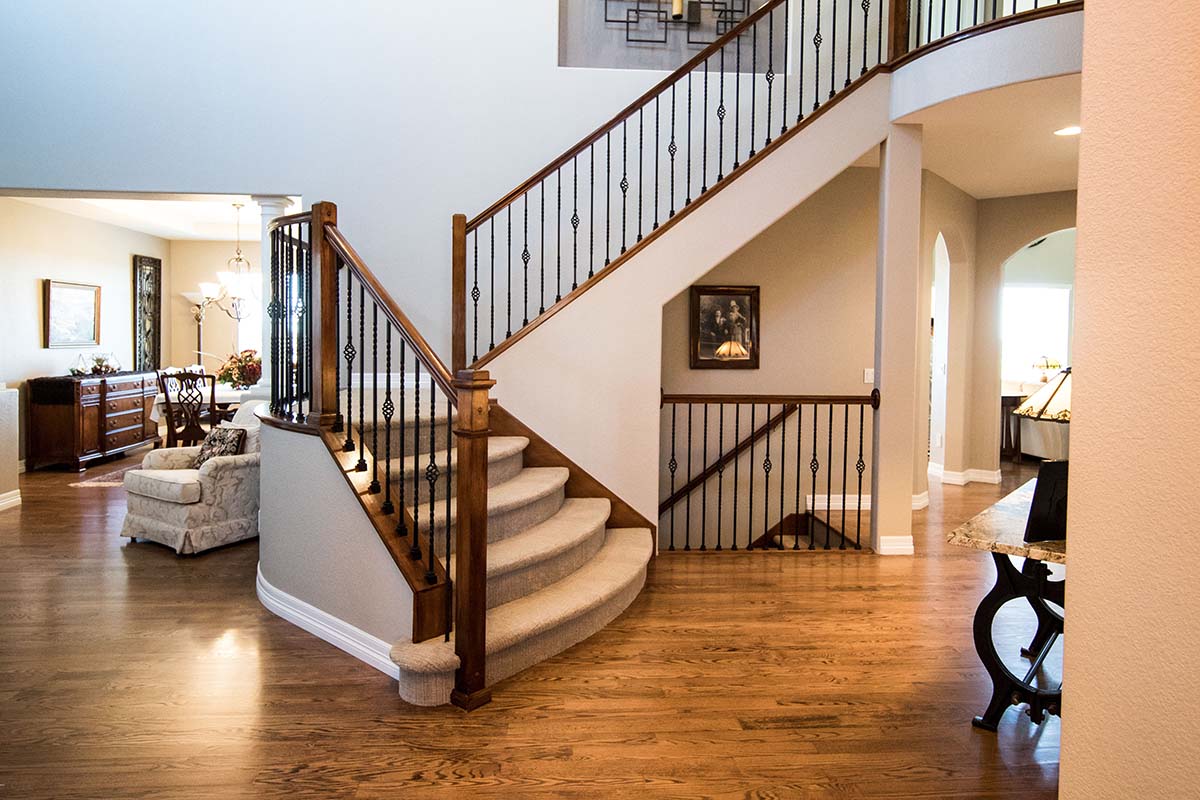
The triangular space beneath a staircase often becomes a dark cupboard where belongings disappear, or remains completely unused because standard furniture does not fit.
With the right layout, however, it can provide valuable storage without reducing the usable floor area of another room.
Practical options include:
- Pull-out drawers for shoes, bags, and seasonal accessories;
- Deep cabinets for luggage, cleaning supplies, or small appliances;
- Open shelves for books and decorative objects;
- A compact coat closet near the entrance;
- Labeled storage boxes for items used occasionally;
- A small desk, reading nook, or pet area when storage is not the priority.
Custom under-stair drawers make the deepest areas easier to reach.
A fitted piece of furniture can also follow the staircase’s slope and create a cleaner, built-in appearance.
Before cutting into walls or installing cabinetry, check for electrical wiring, plumbing, ventilation, and structural components.
Do not block access panels, and use fire-resistant materials or professional guidance when local building requirements apply.
The best design depends on what usually creates clutter nearby. If shoes pile up by the entrance, add drawers; if coats cover dining chairs, build a closet.
Solving a specific daily problem will make the space more useful than filling it with miscellaneous boxes.
Make Better Use of the Basement
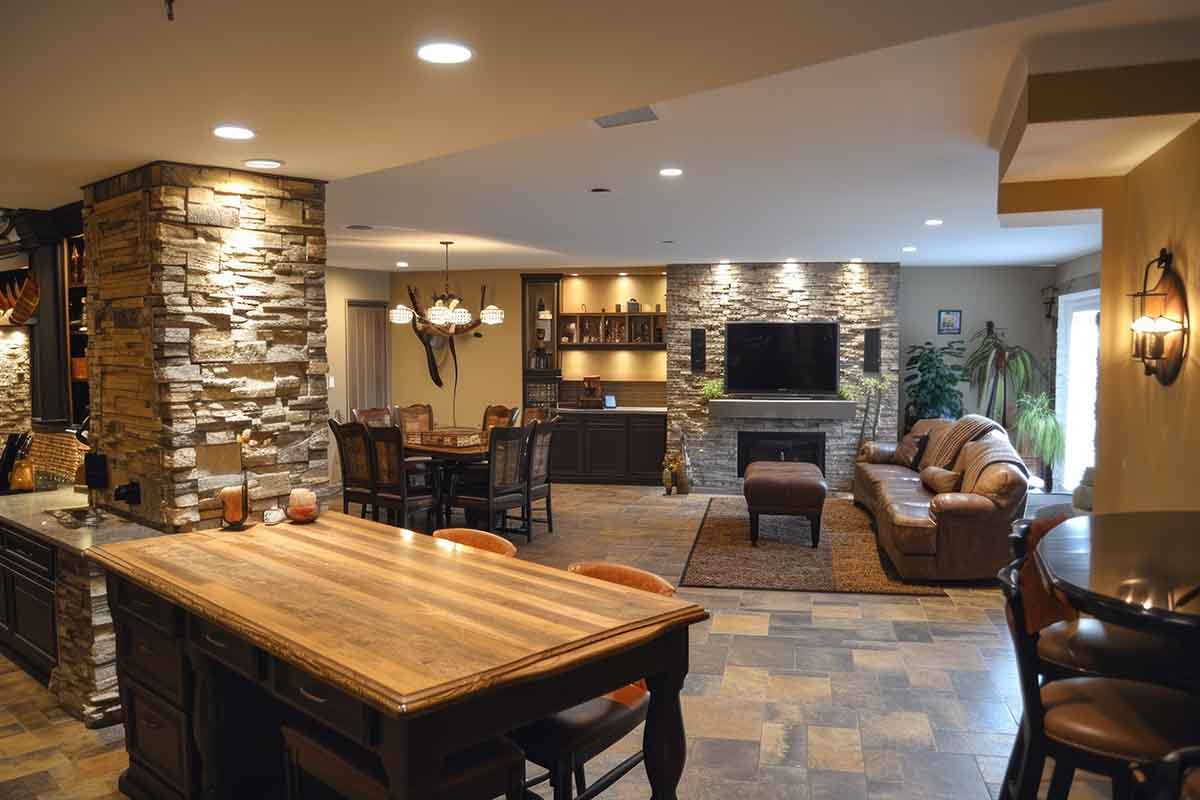
A basement can offer far more than overflow storage, but moisture must be resolved before adding walls, flooring, furniture, or valuable belongings.
A musty smell, peeling paint, white mineral deposits, condensation, or water stains may indicate a problem that storage boxes will only hide.
Begin by identifying the source of moisture.
It may come from leaking pipes, foundation cracks, poor exterior drainage, groundwater pressure, or humid indoor air. Depending on the cause, you may need to:
- Repair gutters and direct water away from the foundation;
- Seal cracks and correct exterior drainage;
- Install a sump pump or drainage system;
- Add appropriate insulation and ventilation;
- Use professional waterproofing or basement tanking services;
- Monitor humidity and use a dehumidifier when necessary.
Once the space is dry and safe, you can renovate your basement according to a specific household need.
It might become a home office, gym, guest suite, entertainment room, or organized storage area.
If you enjoy hosting, creating a cozy themed bar in your basement can give an awkward corner a clear purpose.
Add practical storage for glassware, comfortable seating, layered lighting, and water-resistant flooring rather than focusing only on decorative details.
Entrepreneurs may even consider whether they can turn a basement into a for-profit spa, massage studio, or wellness room.
However, operating a business from home may require zoning approval, business licensing, insurance, accessible entry, ventilation, plumbing upgrades, and additional health or safety compliance.
Before investing in the fun part of the transformation, confirm that the basement is legally and structurally suitable for its intended use.
Solving moisture, ventilation, fire safety, and access first will protect the renovation, and prevent a creative idea from becoming an expensive problem.
Transform an Underused Attic

Like a basement, an attic can provide valuable additional space when the structure, access, and building requirements support conversion.
With help from specialists such as Visionary Lofts, an area used only for holiday decorations could become an office, hobby room, guest space, or bedroom.
Before planning any home renovations, arrange a professional inspection.
Roof issues can impact energy efficiency at home by allowing air or water to enter and damaging insulation.
Leaks, weak rafters, inadequate ventilation, and insufficient insulation should be corrected before finishing the walls or flooring.
The assessment should also cover:
- Floor strength and load capacity;
- Available ceiling height;
- Staircase and emergency access;
- Fire separation and escape requirements;
- Heating, cooling, and ventilation;
- Electrical capacity and natural light;
- Planning permission and building regulations;
- Plumbing position and water pressure.
Sloped ceilings can work well with low cabinets, built-in drawers, window seats, or shelving placed along the shortest walls.
Keep the center open for walking and position desks or beds where headroom is greatest.
The claim that attic ladder hinges will make attic extra bedroom-ready oversimplifies the project.
Strong hinges can improve access to a storage attic, but a legal bedroom will generally need a compliant permanent staircase, safe escape route, adequate headroom, and other required upgrades.
Adding a bathroom creates further challenges.
A plumber should determine whether the existing water supply, drainage, and pressure are adequate before recommending a booster pump.
With these practical issues resolved first, an attic conversion can add breathing room without creating safety, moisture, or energy problems elsewhere in the home.
Clear Clutter With Smart Outdoor Storage
If your closets, basement, and attic are already organized, an outdoor shed can provide useful storage for gardening tools, bicycles, patio cushions, sports equipment, and seasonal decorations.
However, it should not become another place where forgotten belongings accumulate.
Choose a shed according to your climate and storage needs:
- Metal sheds: Durable and low-maintenance but vulnerable to condensation and corrosion
- Plastic or resin sheds: Moisture-resistant and easy to clean, although they require secure anchoring
- Wooden sheds: Attractive and customizable but need protection from insects, rot, and weather
Before installation, check local permit, setback, utility, and homeowners’ association requirements.
Place the shed on a stable, level base with good drainage, and ensure the doors are wide enough for your largest items.
Protect the contents by using:
- Wall hooks for tools and hoses;
- Shelves that keep boxes off the floor;
- Clear, sealed containers for smaller belongings;
- Labels that are easy to read;
- Separate zones for gardening, sports, and seasonal items;
- Locks and outdoor lighting for security;
Avoid storing documents, electronics, paint, food, or temperature-sensitive belongings in an uninsulated shed.
Outdoor storage should relieve pressure inside your home, not expose important possessions to moisture, pests, or extreme temperatures.
Conclusion: Give Every Item a Logical Home
Clearing clutter is not about hiding possessions in more containers.
It is about reducing what you do not need and creating practical storage for what remains.
Use under-stair areas, basements, attics, and outdoor buildings according to their real conditions and limitations.
When similar items stay together and frequently used belongings remain easy to reach, your home becomes calmer, easier to clean, and far less likely to turn storage into a daily game of hide-and-seek.