Why Vintage Fashion Is So Appealing (and Why It Keeps Coming Back)
✨ Key Points
Vintage fashion offers real individuality. Unlike mass-produced modern clothing, vintage pieces have distinct silhouettes, materials, and details that immediately set the wearer apart—without trying too hard.
“Timeless” means tested, not trendy. Vintage styles have already proven they work across decades, making them more reliable, wearable, and enduring than fast-cycle fashion trends.
Vintage clothing carries meaning and quality. Built for function, durability, and purpose, vintage garments offer craftsmanship and historical context that modern fashion often lacks—making them feel more personal and lasting.
Vintage fashion sounds like a contradiction at first.
How can something old still be fashionable, let alone relevant?
Yet vintage clothing hasn’t just survived.
Over the last 15-plus years, it’s become more visible, more respected, and more intentionally chosen.
This isn’t a short-lived revival or a nostalgic detour.
It’s a sustained movement driven by taste, identity, craftsmanship, and values that modern fashion often struggles to deliver.
People aren’t turning to vintage because they can’t find new clothes.
They’re turning to it because vintage solves problems that contemporary fashion keeps creating.
So what’s really behind the appeal?
And why do people repeatedly return to original vintage pieces—or historically faithful brands like Buzz Rickson, instead of chasing whatever’s new?
The answer goes deeper than nostalgia. It’s practical, emotional, and surprisingly modern.
Vintage Fashion as Self-Expression (Not Costume)
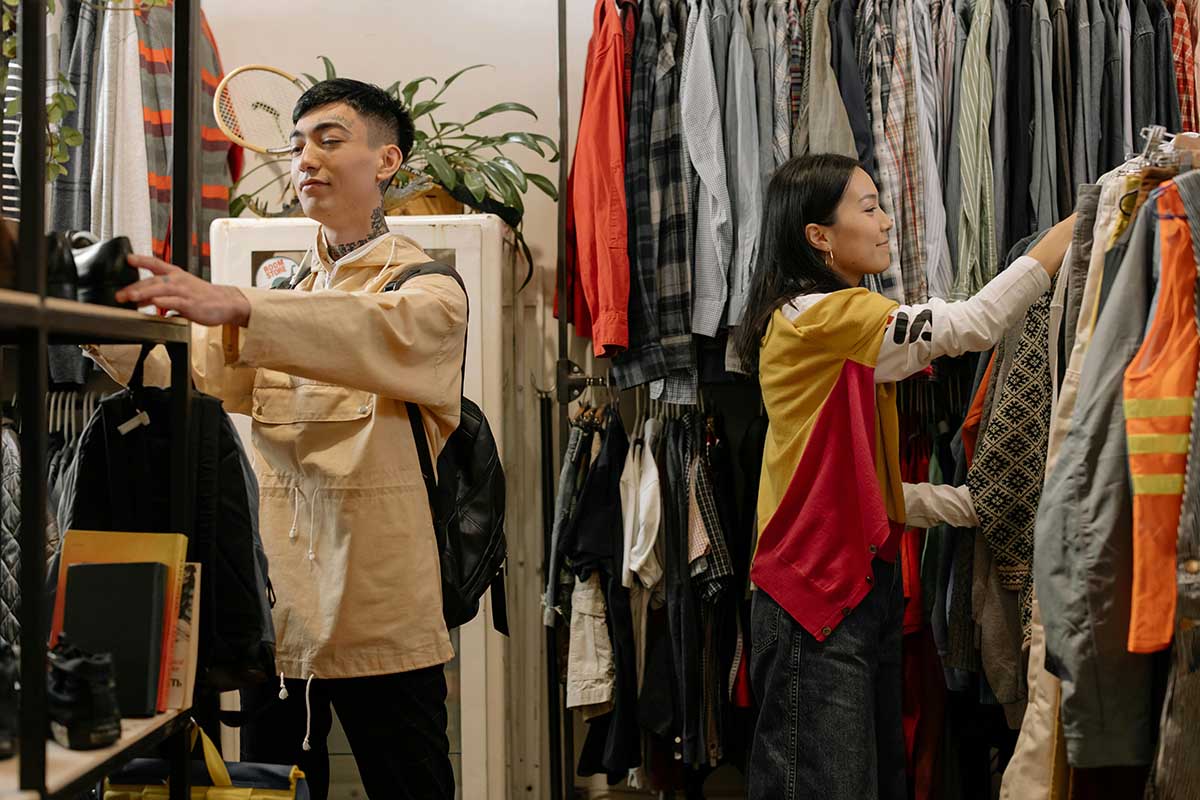
The real question most people are asking isn’t “What’s in style?”
It’s: How do I express myself without looking like everyone else?
Modern fashion is shaped by algorithms. Trends rise and fall based on engagement metrics, not personal meaning.
The result is visual sameness—slightly different outfits built from the same references, worn by millions of people at the same time.
Vintage clothing operates on a different logic.
Think about cars from the 1930s or the 1970s. Even without knowing the owner, you can often sense something about them: what they value, how they think, what they’re drawn to. Vintage clothing works the same way.
It offers:
Distinct silhouettes that don’t flatten the body;
Era-specific fabrics designed for durability, not speed;
Details modern fashion no longer bothers with, like selvedge seams, chain stitching, or dense wool knits;
When you wear vintage, your clothing communicates intention.
It signals curiosity, selectiveness, and independence—without saying a word.
Importantly, this isn’t about dressing like you’re in a period drama.
Good vintage styling doesn’t recreate the past; it borrows what still works and lets the rest fade away.
In a world of copy-paste aesthetics, that kind of visual clarity feels refreshing.
Why “Timeless” Actually Means Proven
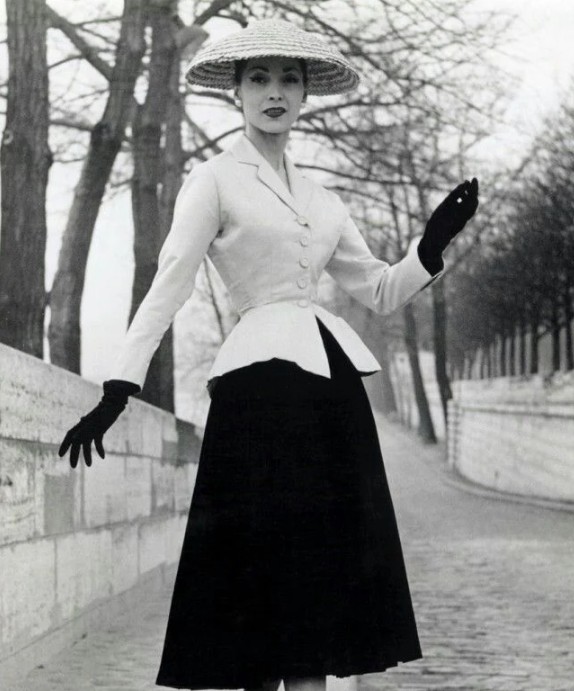
Another common, often unspoken question is: How do I know if a style will last?
In art and literature, timelessness isn’t about age. It’s about endurance.
Shakespeare still resonates because the themes never expired. Renaissance art still matters because the craftsmanship holds up centuries later.
Vintage fashion earns its place the same way.
If a jacket designed in 1945 or a denim cut from 1968 still feels right today, it has already passed the hardest test imaginable: relevance across generations. It has survived cultural shifts, trend cycles, and technological change—and still works.
That’s why vintage pieces often feel like safe bets rather than risky ones:
They’ve already outlived multiple fashion cycles
They integrate easily into modern wardrobes
They age with the wearer instead of against them
Timelessness isn’t theoretical. It’s observable.
By contrast, much modern fashion is untested. It’s designed to look good now, photograph well today, and disappear quickly.
Vintage has already done the long work.
Wearing History Without Saying a Word

Clothing feels more meaningful today because people are searching for grounding—something solid in a fast-moving, disposable world.
Vintage clothing often carries context that modern garments simply don’t.
Many pieces were created for a purpose:
Military uniforms designed for function and resilience;
Workwear built for labor, weather, and repetition;
Regional garments shaped by climate and culture;
When you wear vintage, you’re not just wearing a jacket or a pair of jeans. You’re wearing the logic behind why it was made.
That history adds emotional weight. It creates a sense of continuity—between past and present, between function and form.
For many people, this brings quiet satisfaction rather than loud novelty.
This appeal is especially strong for:
People drawn to craftsmanship and construction;
Those who value tradition over constant reinvention;
Anyone seeking depth instead of surface-level trends.
Vintage clothing doesn’t shout. It carries its meaning patiently.
Individuality in a Mass-Produced World
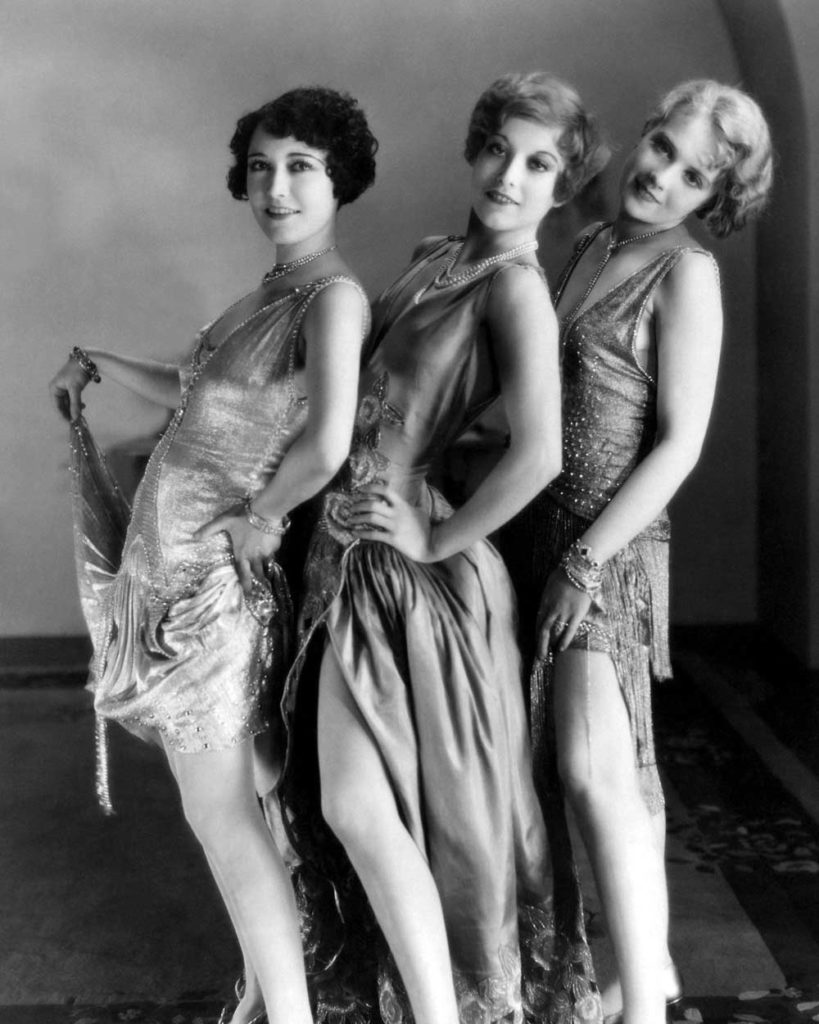
There’s an unspoken tension in modern fashion: everyone wants individuality, but most clothes are designed for mass appeal.
High-street fashion is optimized to:
Offend no one;
Appeal to as many people as possible;
Be replaced quickly;
The result is clothing that’s often forgettable—and frequently disposable.
Vintage flips this model entirely.
Older garments weren’t optimized for social media or quarterly trend cycles.
They were designed to solve specific problems, for specific people, at specific moments in time. That led to choices that feel refreshingly human:
Bolder proportions;
Unexpected fabric weights;
Construction methods driven by durability, not cost-cutting.
Even when a vintage piece wasn’t meant to be fashionable, wearing it today makes it distinctive by default.
That’s the paradox at the heart of vintage fashion:
Vintage doesn’t try to stand out—so it does.
Quality That You Can Actually Feel
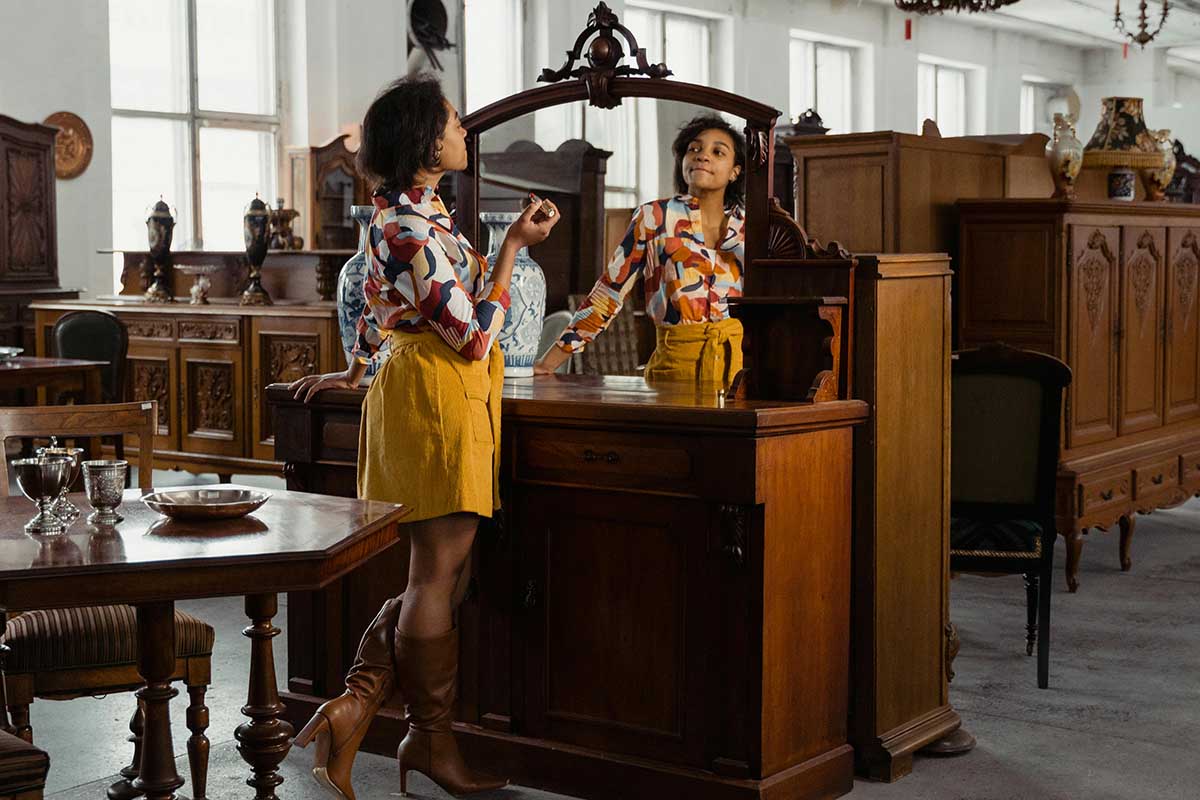
One of the fastest ways people convert from curiosity to commitment with vintage fashion is touch.
Heavier denim. Denser wool. Thicker leather.
Buttons that feel substantial instead of decorative.
Many older garments were made before aggressive cost-cutting became the industry standard.
Materials were chosen for longevity, not margin. Construction favored repairability over disposability.
This doesn’t mean all vintage is superior—but the best examples make modern compromises painfully obvious.
That tactile experience matters. Clothing stops feeling like packaging and starts feeling like equipment.
Something meant to be used, lived in, and maintained.
Over time, that changes how people shop. Instead of chasing variety, they start valuing reliability.
Why Vintage Fashion Matters Now (and Going Forward)
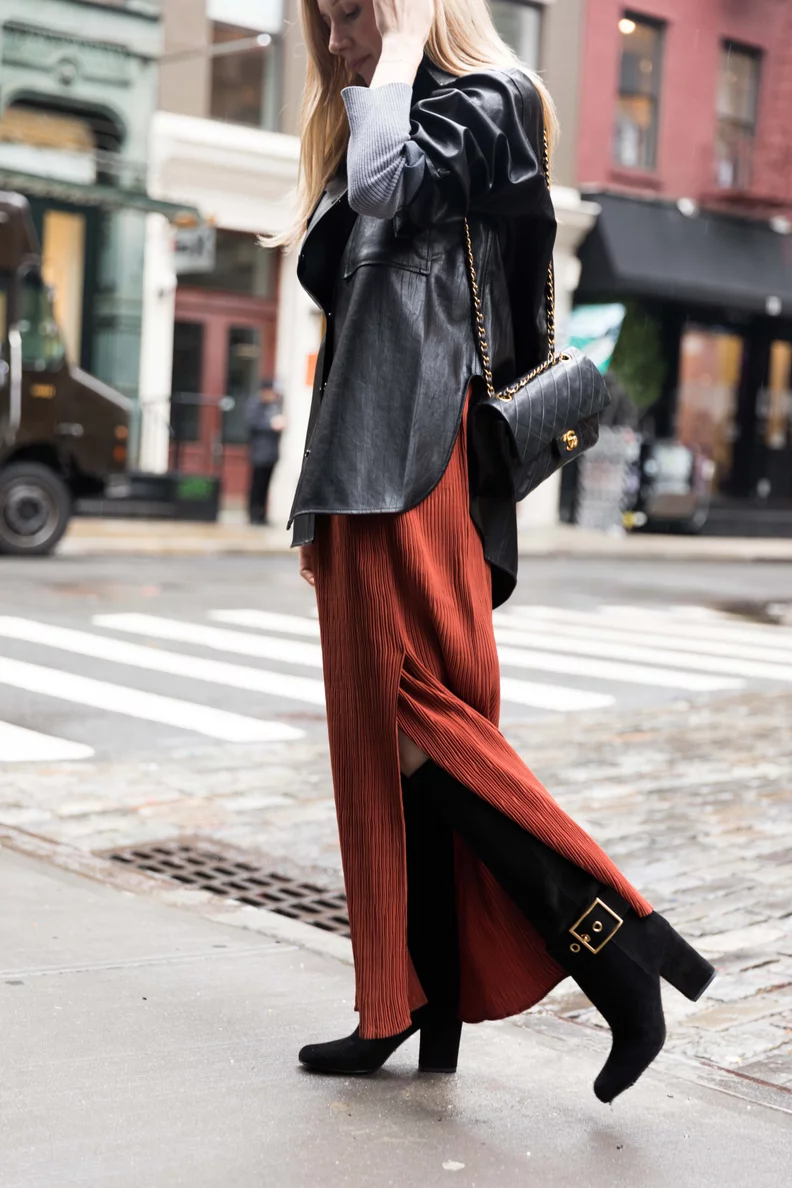
Vintage fashion aligns with modern priorities without chasing them.
It supports sustainability through reuse, without relying on marketing language.
It prioritizes personal style over algorithmic trends. It encourages quality over quantity without demanding perfection.
As fashion cycles accelerate and attention spans shrink, vintage offers something increasingly rare: stability.
Not static. Not outdated.
Grounded.
Vintage doesn’t demand constant replacement. It rewards patience, care, and familiarity. The longer you own a good piece, the better it becomes.
That’s not regression. It’s maturity.
How to Start Without Overthinking It
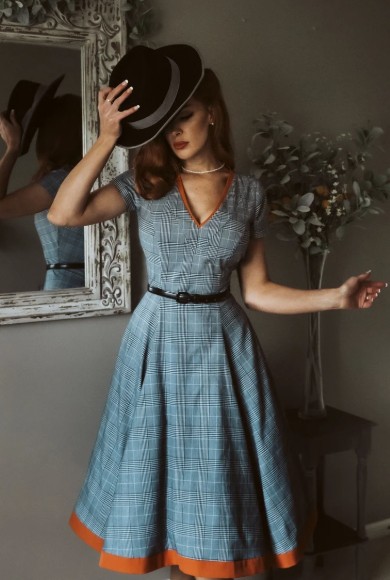
If vintage fashion interests you but feels intimidating, the key is restraint.
You don’t need to overhaul your wardrobe or dress head-to-toe in another era. Start small and let contrast do the work.
A practical approach:
Begin with one vintage or vintage-inspired staple (jacket, denim, knitwear;)
Pair it with modern basics you already own;
Focus on fit and comfort before authenticity;
Vintage fashion isn’t about accuracy. It’s about selection.
You’re choosing what still works—and quietly leaving the rest behind.
Big Picture Takeaway
Vintage fashion remains appealing because it solves real problems modern fashion often creates.
It offers individuality without effort, quality without hype, and meaning without explanation.
Its relevance isn’t rooted in nostalgia—it’s functional, emotional, and proven over time.
In a world that moves faster every year, vintage doesn’t ask you to keep up.
It simply asks you to choose well—and wear it long enough for it to matter.