6 Contemporary Artists to Follow for Creative Inspiration
✨ Key Points
- Following contemporary artists can reveal new subjects, materials, and creative methods.
- An artist’s process, values, and development can be more instructive than one finished piece.
- Inspiration becomes original when you connect outside influences with your own experiences and perspective.
If you are wondering how to find inspiration as an artist, studying the work and careers of contemporary creators is an excellent place to begin.
Artists do more than produce visually interesting objects, they interpret the world, question familiar ideas, and help audiences see social issues from new perspectives.
Contemporary artists frequently explore subjects such as:
- Identity, race, gender, and representation;
- Climate change and environmental responsibility;
- Migration, borders, and belonging;
- Technology, surveillance, and artificial intelligence;
- Poverty, inequality, and access to opportunity;
- Mental health, memory, and personal experience;
- Consumer culture and the influence of social media;
Platforms such as Activism Index can introduce you to social movements and public issues, but artists reveal how those subjects can be translated into images, installations, performances, films, and other creative forms.
When following another artist’s journey, look beyond the finished work. Study:
- How their style developed over time;
- Which personal experiences influence their work;
- How they research difficult subjects;
- Which materials support their message;
- How they communicate their values;
- How they respond to criticism and cultural change;
- How they balance creative freedom with a sustainable career.
The artists featured below range from internationally recognized figures to emerging voices.
Their work demonstrates different ways to combine creativity, personal identity, and social awareness.
Use their journeys to expand your thinking, not to copy their visual language.
Yayoi Kusama
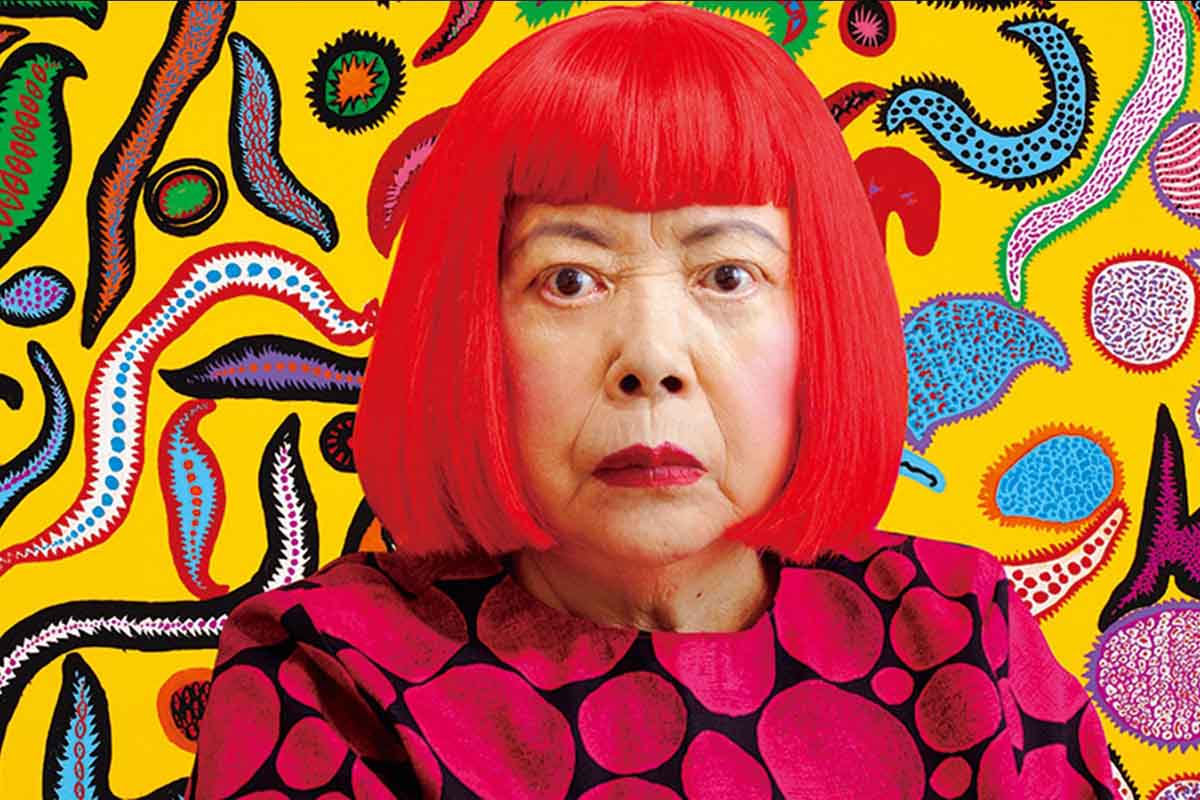
Born in Japan in 1929, Yayoi Kusama is one of the world’s most influential contemporary artists.
Her work spans painting, sculpture, performance, fashion, and immersive installations, including her famous Infinity Mirror Rooms.
Kusama began experiencing vivid hallucinations as a child, describing “flashes of light, auras, or dense fields of dots.”
Repeated dots, infinity nets, flowers, and pumpkins became a way to translate those experiences into art.
She voluntarily entered a psychiatric hospital in Tokyo in 1977 and continued working from a nearby studio.
Now in her nineties, Kusama remains internationally celebrated. Her journey demonstrates how deeply personal experiences can develop into a distinctive visual language that connects with audiences worldwide.
Kara Walker
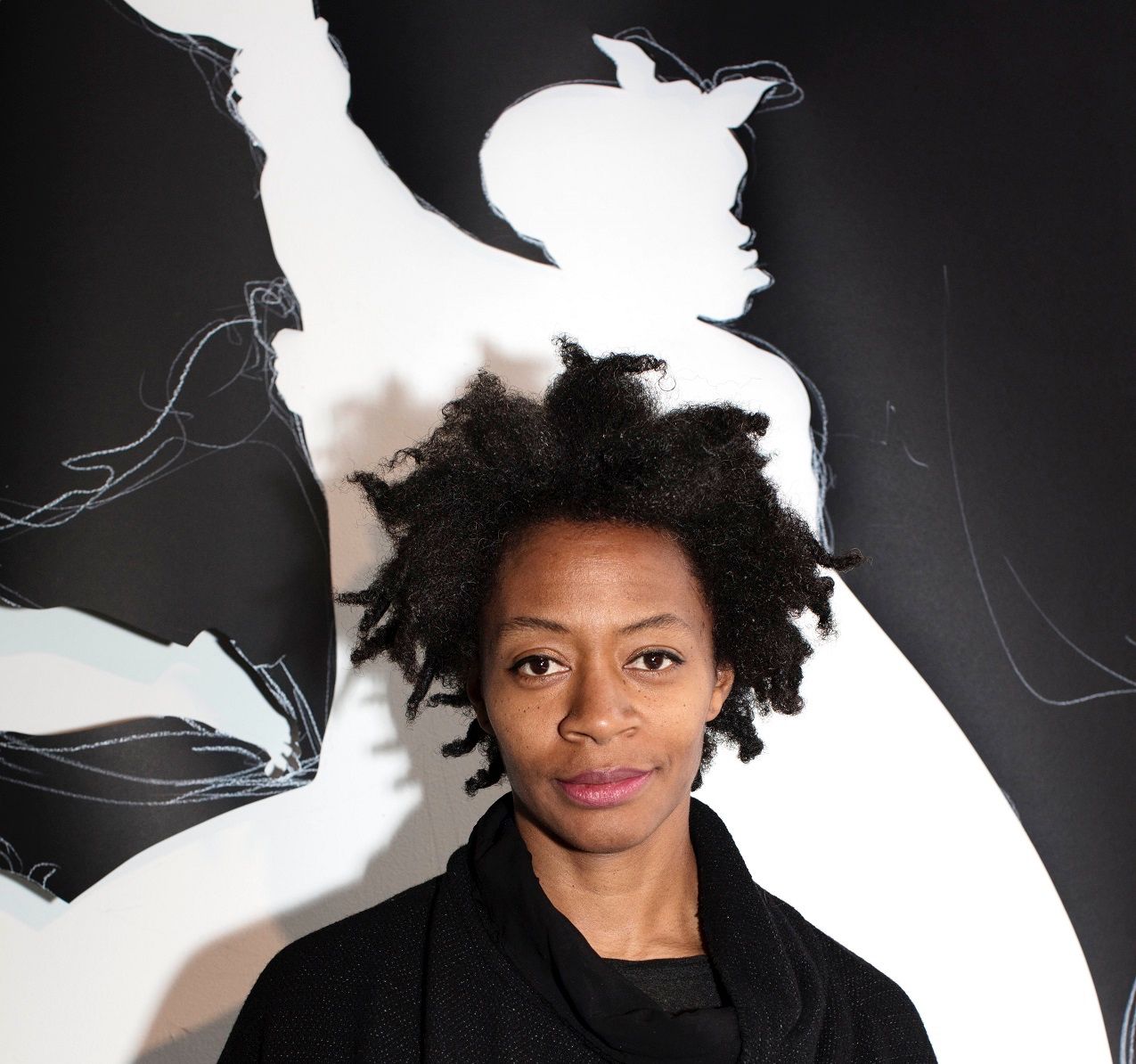
Kara Walker is an African American contemporary artist known for using cut-paper silhouettes, drawings, films, and large installations to examine slavery, racism, gender, violence, and the stereotypes embedded in American history.
Her work demonstrates how a distinctive visual style can carry complex and uncomfortable ideas.
Artists can learn from her ability to make work instantly recognizable without simplifying its meaning.
A recognizable style may also support licensing and stronger merch profit margins, but sensitive cultural or historical imagery requires careful ethical judgment. Commercial products should respect the original message rather than reduce serious subjects to decoration.
Ai Weiwei
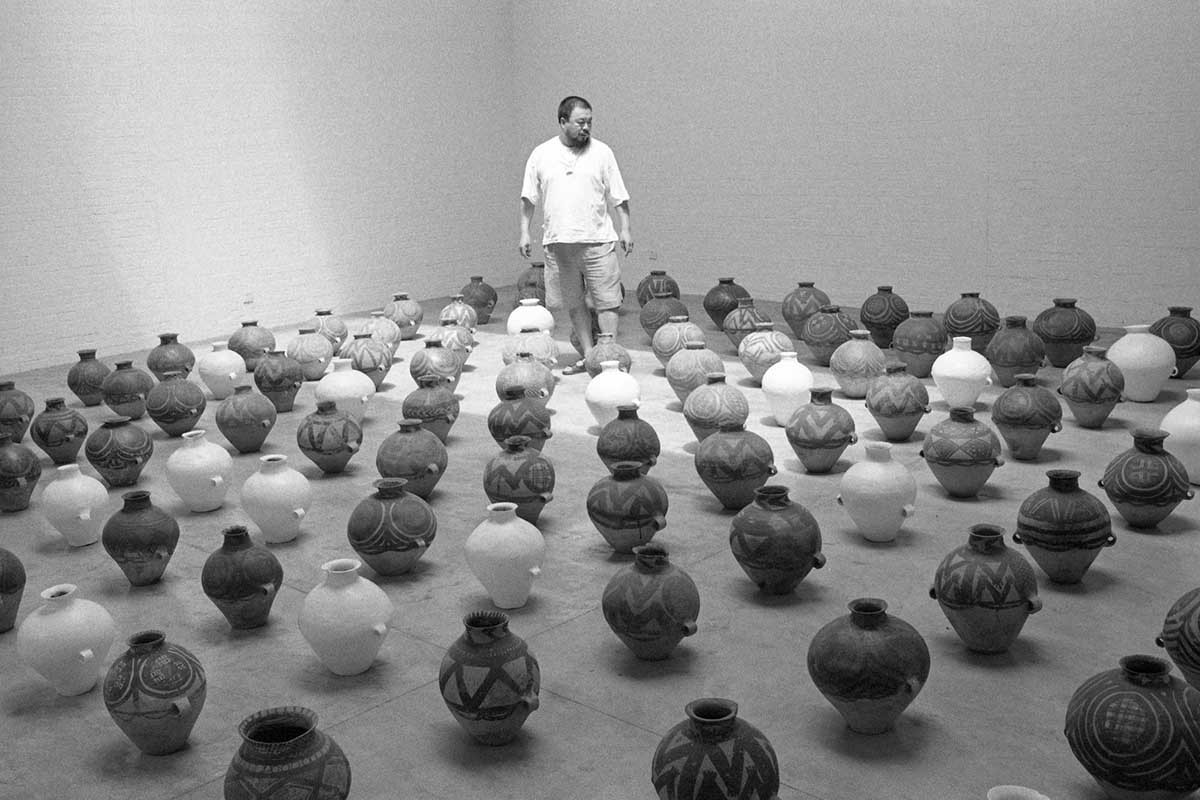
Ai Weiwei is a Chinese contemporary artist, filmmaker, and human-rights activist whose work challenges censorship, state power, surveillance, migration policies, and restrictions on individual freedom.
His criticism of the Chinese government has carried serious personal consequences.
He has reportedly been beaten, detained, and placed under house arrest, yet he continues to use sculpture, photography, film, architecture, and public installations to address political and humanitarian issues.
His journey demonstrates how art can document injustice, preserve contested stories, and encourage public debate, even when speaking openly involves considerable risk.
Anselm Kiefer
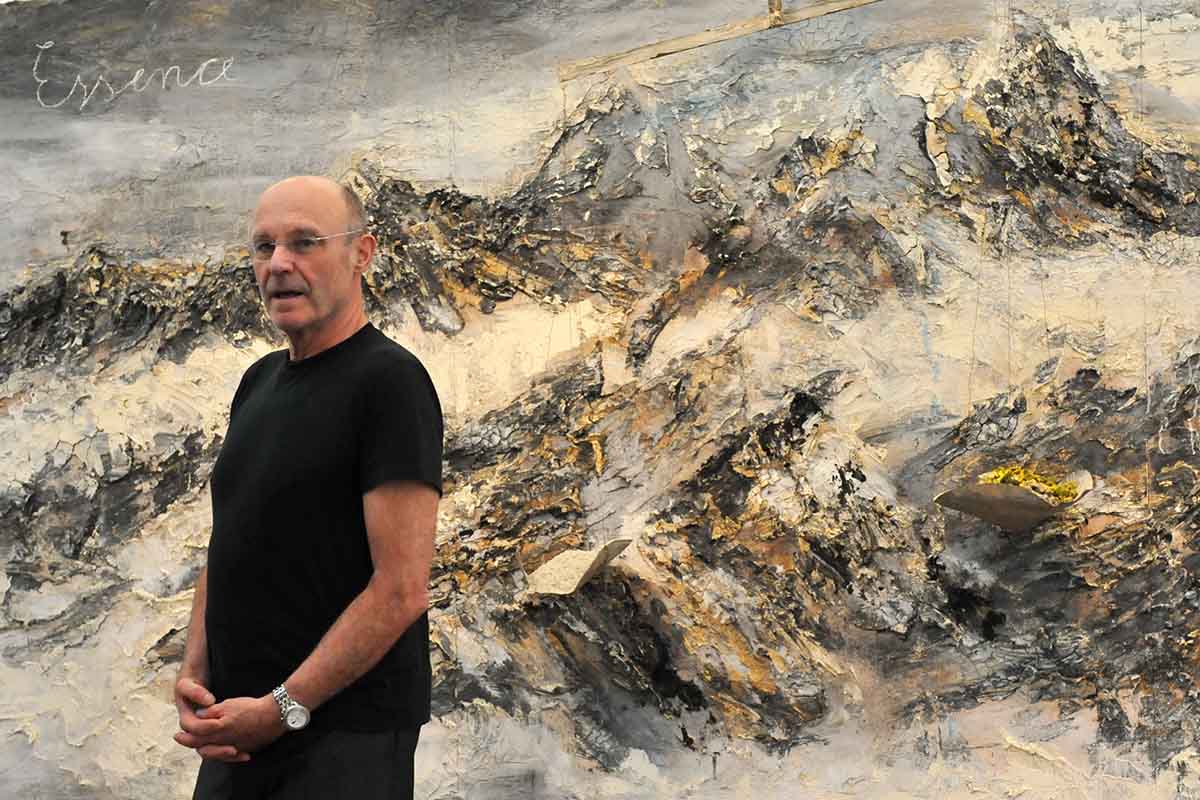
Born in Germany in 1945, Anselm Kiefer entered the world during the final months of World War II.
His work confronts Germany’s Nazi past and explores themes of collective memory, guilt, destruction, Judaism, mythology, and spiritual renewal.
Using materials such as lead, ash, straw, clay, and scorched wood, Kiefer creates heavily textured paintings and installations that make history feel physical.
His journey demonstrates how artists can examine painful national histories without simplifying or forgetting them.
David Hockney
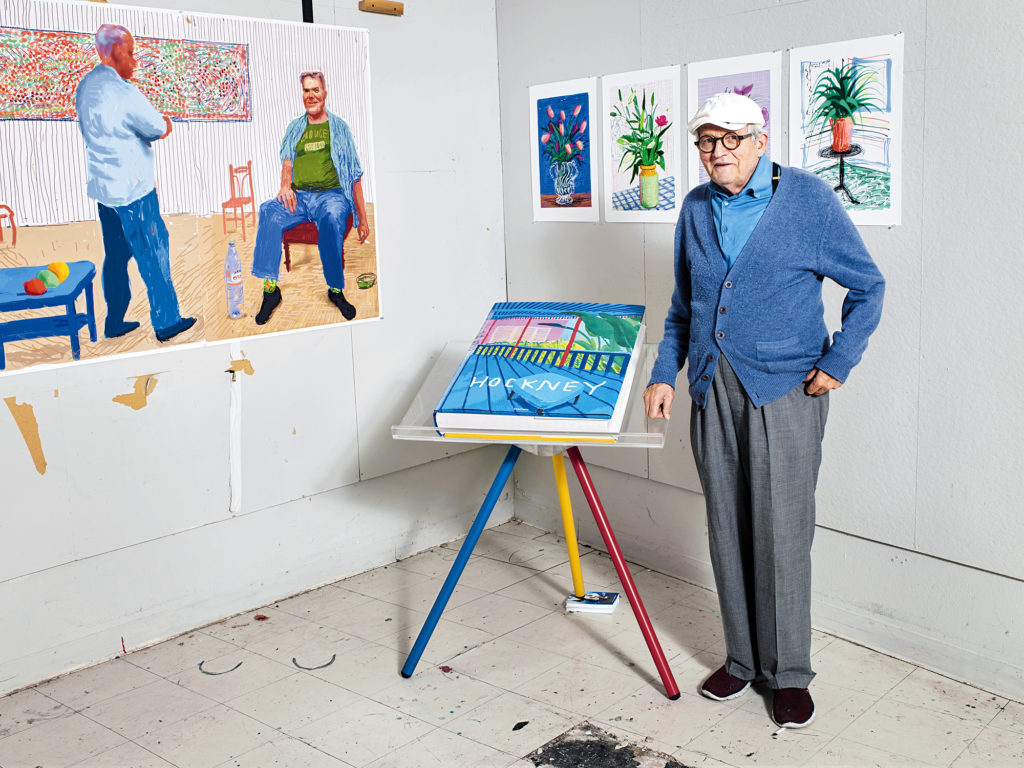
Born in Bradford, West Yorkshire, in 1937, David Hockney became one of Britain’s most influential contemporary artists.
He died in June 2026 at the age of 88, leaving a remarkable legacy spanning painting, photography, printmaking, stage design, and digital art.
His Portrait of an Artist (Pool with Two Figures) sold for $90.3 million in 2018—a record for a living artist at that time.
Long before homosexuality was partially decriminalized in England in 1967, Hockney openly explored gay identity, desire, and queer relationships through his work.
His portraits, domestic scenes, and celebrated California pool paintings presented same-sex intimacy as a natural part of modern life.
Hockney’s fearless self-expression offers artists an enduring lesson: personal identity can become a powerful source of creative direction and cultural influence.
Tracey Emin
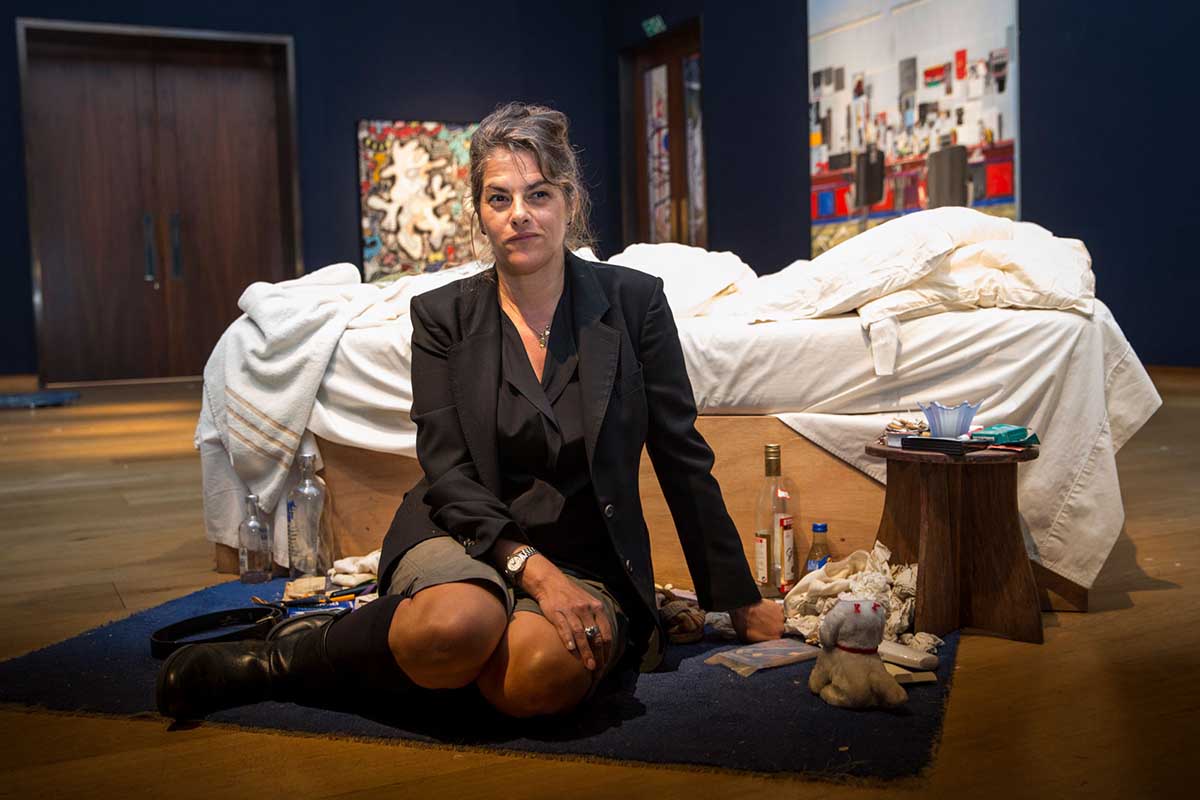
Tracey Emin gained wider recognition when her work appeared in Charles Saatchi’s influential Sensation exhibition in 1997.
That same year, her candid and visibly intoxicated appearance during a live television discussion about the Turner Prize made her a controversial public figure.
In 1999, Emin was shortlisted for the Turner Prize with My Bed.
The installation presented her unmade bed surrounded by stained sheets, underwear, cigarette packets, bottles, and other personal objects left after a period of severe depression.
Charles Saatchi later purchased the work.
Although critics questioned whether the installation qualified as art, its honesty helped open conversations about depression, sexuality, shame, and women’s private experiences.
Emin’s career shows how personal vulnerability can be transformed into art that challenges social expectations.
Final Thoughts
These six artists demonstrate that creative inspiration can emerge from personal identity, political resistance, historical memory, mental health, and difficult social issues.
Their work is valuable not because it should be copied, but because it shows how individual experiences can develop into a distinctive artistic voice.
When learning how to find inspiration as an artist, consider:
- Which subjects consistently hold your attention
- What personal experiences influence your perspective
- Which social or cultural issues matter to you
- How different artists use materials to reinforce meaning
- What makes a body of work immediately recognizable
Study these artists’ choices, research others working in your preferred medium, and then translate what you discover into work that reflects your own experiences, values, and personality.