Tips for Road Safety
✨ Key Points
- Safe driving starts before you move. Check your tires, visibility, weather, route, and your own alertness before a longer journey.
- Most everyday road risks require anticipation, not just reaction. Following distance, speed, blind spots, intersections, and distracted drivers all demand your attention before something goes wrong.
- Technology can support you, but it cannot drive responsibly for you. Driver-assistance systems are useful, but awareness, judgment, and defensive driving habits remain essential.
You can follow every traffic law and still find yourself in a dangerous situation because another driver suddenly changes lanes, traffic stops unexpectedly, heavy rain reduces visibility, or a pedestrian steps into the road.
That’s why road safety is about more than simply obeying speed limits.
Good drivers learn to recognize risks early and give themselves enough time and space to respond.
Some of the most useful tips for road safety are also surprisingly simple:
- Keep a safe following distance so you have time to react if traffic suddenly slows.
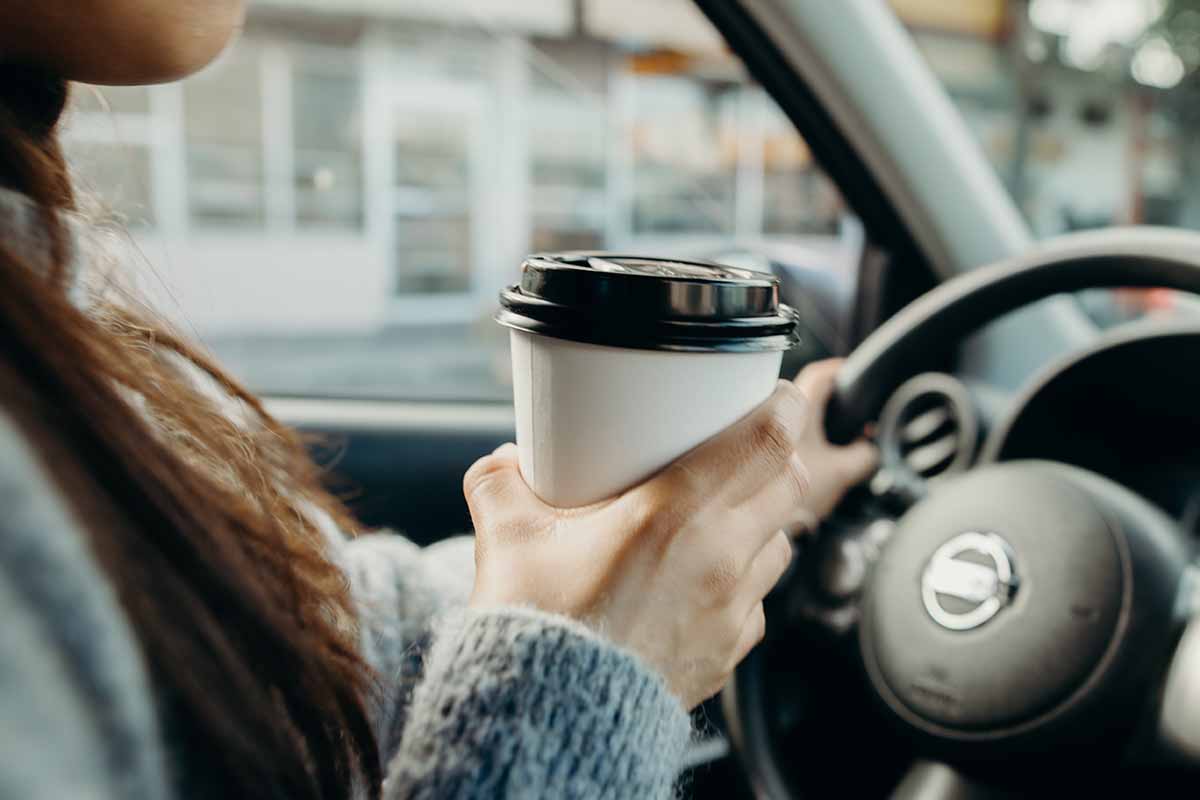
- Put your phone away and eliminate other unnecessary distractions before driving.
- Adjust your speed to road and weather conditions, even when the posted speed limit allows you to drive faster.
- Check mirrors and blind spots before changing lanes or turning.
- Never drive when you’re impaired or too tired to concentrate properly.
- Maintain your tires, brakes, lights, and windshield so your vehicle is ready when you need to react quickly.
- Expect mistakes from other road users. Defensive driving means leaving yourself an escape route rather than assuming everyone else will behave predictably.
These habits can help you prevent road accidents, become a better and more confident driver, and respond more safely to the situations that happen during everyday driving.
Whether you’re a new driver or have been behind the wheel for decades, the goal isn’t to drive perfectly.
It’s to reduce avoidable risks and be prepared when the road becomes unpredictable.
Importance of Road Safety
The importance of road safety goes far beyond avoiding a ticket.
The decisions you make behind the wheel can affect your passengers, pedestrians, cyclists, motorcyclists, and everyone else sharing the road.
Even a small mistake, checking a text, following another vehicle too closely, speeding, or driving while tired, can lead to an accident.
That’s why basic road safety habits matter:
- Follow traffic laws and adjust your speed to actual road conditions.
- Avoid phones and other distractions while driving.
- Maintain a safe distance from other vehicles.
- Never drive while impaired or dangerously tired.
- Keep tires, brakes, lights, and other safety-critical parts properly maintained.
- Pay attention to pedestrians, cyclists, motorcycles, and unpredictable drivers.
The consequences of an accident can extend far beyond vehicle damage.
Injuries, medical bills, repairs, insurance claims, lost working time, and the legal complications you may face can turn a few seconds of poor judgment into a problem lasting months or even years.
If you’re injured in a serious collision, professional legal advice may sometimes be appropriate.
For example, a Tulsa car accident lawyer can explain the legal options available under Oklahoma law, depending on the circumstances of the accident.
Safer driving can even help you make your driving habits more eco-friendly.
Smooth acceleration, anticipating traffic, maintaining proper tire pressure, and avoiding unnecessary idling can reduce unnecessary fuel consumption and vehicle wear.
Ultimately, road safety isn’t about eliminating every possible danger, you can’t control everything other drivers do.
It’s about reducing the risks you can control and giving yourself more time and space to react when something unexpected happens.
Road Safety Tips

As many industries resume, we assure you that the roads will soon be filled with activity.
For this reason alone, we will provide you with some road safety tips to keep in mind.
This helps prevent accidents, injuries, and hurting other individuals.
Focus on Driving
You’ve probably heard this advice from a driving instructor, relative, or experienced driver: when you’re behind the wheel, driving should be your main focus.
One of the simplest ways to prevent road accidents is to reduce unnecessary distractions and stay aware of what’s happening around you.
- Keep your eyes on the road and regularly check your mirrors.
- Put your phone away rather than texting, scrolling, or checking notifications.
- Set your navigation, music, and climate controls before you start moving.
- Watch for pedestrians, cyclists, motorcycles, and changing traffic conditions.
- If something genuinely needs your attention, pull over somewhere safe.
You can’t control every hazard or mistake another driver makes, but staying focused gives you more time to recognize danger and respond safely.
Maximum Awareness
Busy roads bring together cars, trucks, buses, cyclists, and motorcycles, and you cannot always predict what another road user will do next.
Maximum awareness means constantly watching the traffic around you and leaving yourself enough time and space to respond.
Rather than assuming other drivers will always follow the rules, practice defensive driving:
- Scan beyond the vehicle directly in front of you so you can spot slowing traffic or hazards earlier.
- Check mirrors and blind spots regularly, particularly before turning or changing lanes.
- Leave a safe following distance and increase it in rain, poor visibility, heavy traffic, or other difficult conditions.
- Give motorcycles extra attention. Their smaller size can make their speed and distance harder to judge, and a serious hit-and-run motorcycle accident can have devastating consequences.
- Always leave yourself an escape route instead of driving boxed in between other vehicles.
Understanding common types of motor vehicle accident claims can also show how quickly an everyday traffic situation can become complicated.
A collision becomes even more stressful when you have to ask what happens if the other driver has no insurance or whether a motorbike insurance policy provides sufficient protection after an accident.
You can’t predict every driver’s next move.
What you can do is stay alert, expect the unexpected, and give yourself enough space to react before another person’s mistake becomes your accident.
Plan Your Trip
Whether you’re commuting to work or planning the ultimate road trip, a few minutes of preparation before you leave can make the journey safer and less stressful.
Before setting off:
- Check your route and expected traffic so you’re not constantly changing navigation settings while driving.
- Plan fuel, charging, food, and rest stops on longer journeys instead of waiting until they become urgent.
- Set your GPS, music, and climate controls before moving.
- Take calls or eat during a safe stop rather than trying to multitask behind the wheel.
- Check weather and road conditions, especially when you plan a winter road trip, when snow, ice, poor visibility, and road closures can quickly change your plans.
- Check your vehicle before a long journey. Tires, fluids, lights, brakes, and warning indicators are practical reminders of why car maintenance matters for both safety and reliability.
Technology can also make trip planning easier.
Navigation apps can identify traffic and alternative routes, while vehicle-tracking technology can be useful for certain drivers, families, or business fleets.
If you’re considering one, understanding OBD vs Hardwired GPS trackers can help you determine which setup better suits your vehicle and how you intend to use it.
The goal isn’t to plan every minute of the journey.
It’s to handle as many decisions as possible before you start driving so your attention can stay where it belongs, on the road.
Practice Safety Measures

If you are hauling a different type of cargo, ensure that it is secured on your vehicle.
If some personal items drop on the floor, we advise you not to reach for them.
Only retrieve them when making a brief stopover.
Always keep your seatbelt strapped to your body.
Aside from those reminders, we recommend that you only drive a vehicle when sober and not be affected by any drugs or medication.
Conclusion
Cars are becoming smarter, with increasingly sophisticated driver assistance technology, navigation systems, collision warnings, and other safety features designed to help drivers recognize danger earlier.
But technology cannot eliminate one of the biggest uncertainties on the road: what happens next.
A car may suddenly brake in front of you.
Someone may drift into your lane while checking a phone. Heavy rain can make a familiar road feel completely different.
And even experienced drivers can make poor decisions when they’re tired, distracted, or rushed.
That’s why the best tips for road safety are ultimately about developing habits that prepare you for the unexpected:
- Avoid distracted driving, particularly texting and driving.
- Maintain a safe following distance and adjust your speed to actual conditions.
- Keep your vehicle properly maintained so tires, brakes, lights, and other safety systems can do their jobs.
- Practice defensive driving and never assume another road user has seen you.
- Continue learning how to become a better driver, even years after passing your test.
As vehicles become more automated, good judgment behind the wheel won’t become irrelevant.
If anything, understanding when to trust technology, and when you need to take control, will become another essential driving skill.
You can’t control every danger on the road.
What you can control is how much attention, space, preparation, and time you give yourself to respond when something goes wrong.