4 Ideas to Transform Your Garden With Recycled Pallets
✨Key Points
- Check pallet safety first: Use clean, marked, heat-treated wood and avoid contaminated or unidentified pallets.
- Build practical garden features: Pallets can become planters, flower beds, furniture, or storage areas.
- Prepare the wood properly: Remove nails, sand splinters, secure every structure, and protect the finished project from outdoor weather.
Recycled wooden pallets can be transformed into practical garden features, including vertical planters, raised flower beds, potting stations, and outdoor furniture.
These affordable DIY projects can make your garden more functional while giving unwanted materials a useful second life.
However, not every pallet is suitable for a home garden. Before starting, check the wood carefully:
- Choose clean, dry, structurally sound pallets.
- Look for an official IPPC treatment mark.
- Prefer pallets marked HT, meaning heat-treated.
- Avoid pallets marked MB, which indicates methyl bromide fumigation.
- Reject wood with chemical stains, strong odours, mould, or an unknown history.
- Remove exposed nails and sand rough edges before use.
- Keep edible plants inside food-safe containers or liners rather than placing soil directly against reclaimed wood.
The International Plant Protection Convention identifies HT and MB as different treatment codes used on wood packaging, while the USDA advises using properly treated and marked materials. Checking these markings helps you choose pallet wood more responsibly.
In this guide, Born Again Pallets shares four recycled pallet garden ideas that can add storage, planting space, and character to your outdoor area.
Pallet compost bin
Here’s a quick tutorial if you want to get your hands dirty and make your compost bin.
✨Materials: Two pallets
- 1″x1″ lumber (cut into 36″ lengths) or 1/2″ thick plywood sheets (cut into 31″-36″ lengths). These will be used as the frame of the bin and should be at least twice as long as your pallets are wide. The width of these pieces should match the length of your pallet so that they fit together snugly without any gaps between them. You’ll need three boards for each side of the bin, one board for each end, plus two extra pieces for making handles at either end of the bin if desired (optional). If using plywood instead of lumber boards, make sure all surfaces have been sanded smooth with fine-grit sandpaper before assembly begins.
- A few 2 ft x 4 ft pieces of corrugated plastic roofing material with drainage holes drilled through every 6″. This creates an “airlock” allowing moisture from inside with condensation from outside — both must exit through these holes before water can seep down into the soil below.
Pallet Flower Beds
Recycled pallets can be turned into compact raised flower beds for patios, balconies, or small gardens.
Start with two clean, heat-treated pallets of the same size.
Place them in your preferred arrangement, secure the boards with exterior-grade screws, and remove or flatten any exposed nails.
Pallets supplied by Born Again Pallets may already be prepared, reducing the construction work required.
Before adding plants:
- Line the interior with durable landscape fabric.
- Leave openings for drainage.
- Fill the bed with high-quality potting or raised-bed soil.
- Position it where the plants will receive the appropriate amount of sunlight.
- Anchor the structure securely so it cannot shift or tip.
Choose flowers according to your local climate and the bed’s sun exposure.
Geraniums, lavender, and daisies generally prefer sunny conditions, while impatiens perform better in partial shade.
Pansies are useful for adding colour during cooler seasons. You can also grow rosemary or thyme, provided the planter drains well.
Explore more ideas for how to plant beautiful flowers.
Check the soil regularly because pallet planters can dry out faster than traditional garden beds.
Remove faded flowers and damaged foliage throughout the growing season, and add mulch to help retain moisture.
During extreme heat, move portable planters into partial shade or use shade cloth, not burlap directly over the plants, to protect them from excessive sun.
Pallet Planter Garden
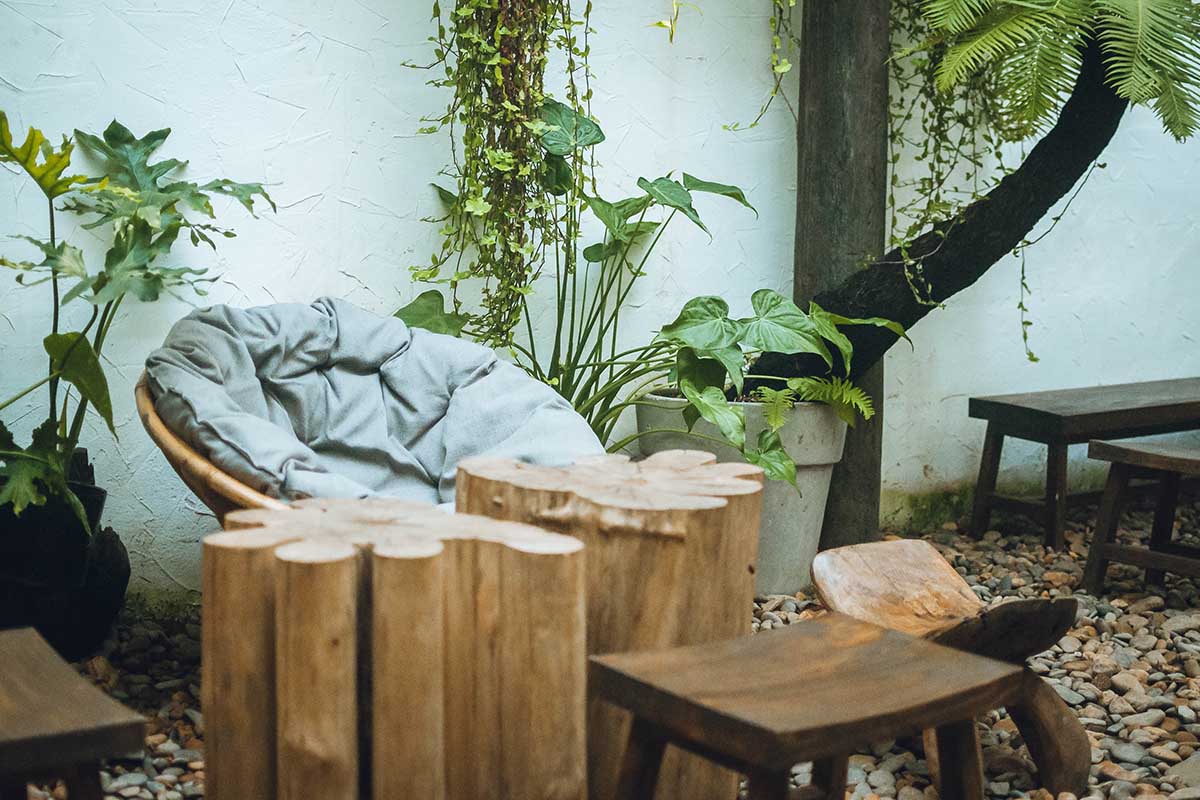
A pallet planter garden is a practical way to grow herbs, flowers, and compact vegetables while creating a stunning outdoor area where you can relax and enjoy the results of your work.
Its vertical design is particularly useful for small patios, balconies, and gardens with limited planting space.
For a safe and successful planter:
- Use a clean, heat-treated pallet marked HT.
- Sand rough surfaces and remove exposed nails.
- Secure the pallet to a wall or stable support.
- Line each planting section with landscape fabric.
- Create drainage holes to prevent waterlogged soil.
- Fill the pockets with fresh, high-quality potting mix.
- Keep edible plants away from unidentified or contaminated wood.
Plant herbs such as basil, parsley, thyme, and oregano in separate pockets.
Grow mint in its own container because its roots can spread aggressively.
Lettuce, spinach, strawberries, and compact flowers are also suitable for shallow pallet planters. Avoid using sealed wine bottles as planters unless they have proper drainage holes; small pots or recycled food-safe containers are safer and easier to maintain.
Group plants according to their needs rather than appearance alone.
Succulents require dry, fast-draining soil, while pansies, lettuce, and many herbs need more consistent moisture.
Selecting compatible plants will create a healthier, more attractive garden that is easier to maintain.
Pallet watering station
A watering station is a great way to ensure your plants have daily access to water.
This pallet creation can be used to water multiple plants at once, which can be helpful if you’re working on a large project in your garden.
You can also make this out of wood or plastic, and it will work just as well.
The watering station is easy to make and doesn’t require any tools. All you need is:
- A pallet (the size of the pallet depends on how many plants you want to grow.)
- A drill with a bit that’s small enough for drainage holes but big enough for the hose attachment (example: 3/8″ works perfectly)
Conclusion
Transforming your garden with recycled pallets can be affordable, practical, and personally rewarding.
A clean, heat-treated pallet can become a flower bed, vertical herb garden, potting station, or planter for compact tomato varieties.
Growing tomatoes, herbs, and flowers gives you fresh ingredients while helping you understand where your food comes from.
These projects can also open the door to meaningful hobbies, including gardening, woodworking, garden photography, cooking with homegrown produce, and creating DIY content.
Instead of spending another evening working or scrolling through the news, you can step outside, care for your plants, and give your mind a genuine break.
A pallet garden can support everyday life by helping you:
- Spend more screen-free time outdoors.
- Create a healthier separation between work and personal life.
- Develop practical gardening and DIY skills.
- Share an enjoyable activity with children, friends, or a partner.
- Grow tomatoes, herbs, and flowers even in a small space.
- Create an attractive garden that may appeal to future homebuyers.
Start with one manageable project and expand only when you have the time to maintain it.
The goal is not to create a perfect garden overnight but to build an outdoor space that supports your hobbies, wellbeing, and lifestyle.