Camping Tips for First-Time Campers
✨Key Points
- Camping gives people a practical way to recover from burnout, mental overload, and constant digital stimulation.
- First-time campers often enjoy the experience more when they focus on comfort, simple routines, and realistic preparation instead of perfection.
- Outdoor hobbies and analog living help many people improve focus, creativity, sleep quality, and emotional well-being.
Modern life rarely gives people real silence anymore.
Between constant notifications, work pressure, and screen time, many people feel mentally overwhelmed without realizing it.
That is one reason camping and the best outdoor hobbies have become so popular among people looking to reduce stress, disconnect from screens, and spend more time in nature.
For many beginners, camping is not about survival, it is about slowing down, sleeping better, thinking clearly, and reconnecting with nature.
Camping also supports the growing movement toward analog living by encouraging people to spend more time offline and fully present in the moment.
Spending time outdoors can help people:
- Reduce stress and mental fatigue;
- Improve focus and sleep quality;
- Reconnect with creativity and curiosity;
- Create more meaningful memories with others.
For first-time campers, the experience can still feel intimidating.
Common concerns include:
- Forgetting important gear;
- Feeling uncomfortable outdoors;
- Weather and safety worries;
- Cooking or sleeping outside.
The good news is that camping does not need to be complicated to be enjoyable.
A comfortable tent, warm food, simple preparation, and a peaceful campsite often create the best experiences.
Sometimes a quiet night outdoors can provide the mental reset many people have been missing for a long time.
Choose the Right Location
Selecting the perfect campsite is one of the most important parts of planning a successful camping trip.
The location you choose can directly affect your comfort, safety, sleep quality, and overall outdoor experience.
For first-time campers especially, understanding how to choose the right camping gear for any adventure often starts with choosing a campsite that matches your skill level, travel style, and available equipment.
When comparing campsites, it helps to consider:
- Distance from your home or travel route;
- Weather and terrain conditions;
- Access to bathrooms, water, and parking;
- Campground rules and reservation requirements;
- Cell service and emergency accessibility.
State and national parks are often great options because they combine natural beauty with practical amenities that make camping easier and less stressful for beginners.
If you are planning a road trip or traveling with extra equipment, having the right car-camping must-haves can also make a huge difference in convenience and comfort.
Items like portable cooking gear, sleeping pads, storage organizers, lanterns, and weather-resistant shelter setups help create a smoother camping experience without overcomplicating the trip.
It is also important to think about terrain and seasonal weather before arriving.
A beautiful campsite near water may seem ideal, but low ground can increase moisture, bugs, and flooding risks during rain.
Whenever possible, book campsites in advance during busy travel seasons.
Reserving early helps reduce stress, guarantees availability, and allows campers to focus more on enjoying nature instead of scrambling for last-minute accommodations.
Camping Tips for First-Time Campers: Invest in Your Gear
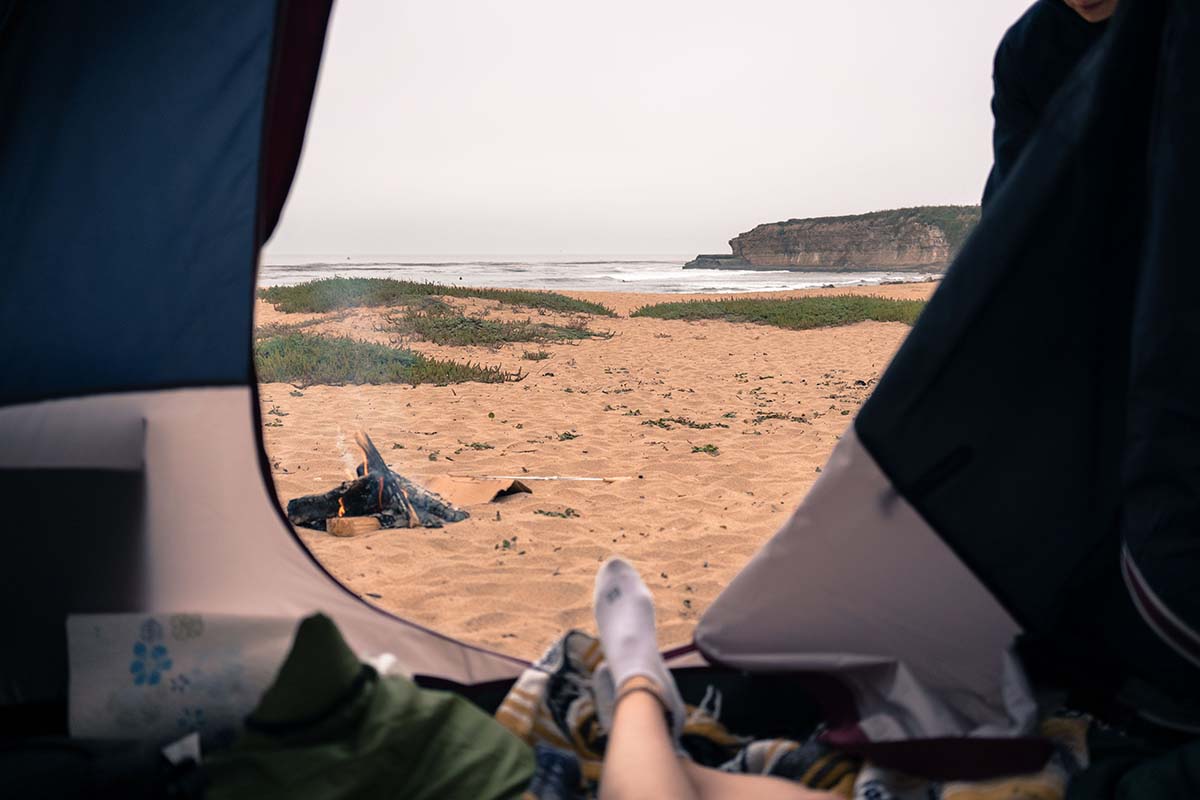
Investing in quality camping gear is paramount, and it’s important to select items that align with your specific needs and preferences.
The marketplace offers an array of camping equipment, which can sometimes be overwhelming for beginners.
However, focusing on essentials is key.
These include a durable tent, a reliable sleeping bag, a functional camp stove, essential cooking utensils, and a suitable cooler.
Also, remember to take one of those useful automatic OTF knives from Tektoknives that will help you with whatever you’re doing, from setting up your camp to preparing your meals.
Tailor your gear selection based on the climate and terrain of your chosen campsite.
To ensure a stress-free experience at the campsite, practice setting up your tent beforehand, familiarizing yourself with the process, and optimizing your efficiency when setting up at the actual campsite.
Plan your Meals
Boost Your Skills
Think About Your Safety
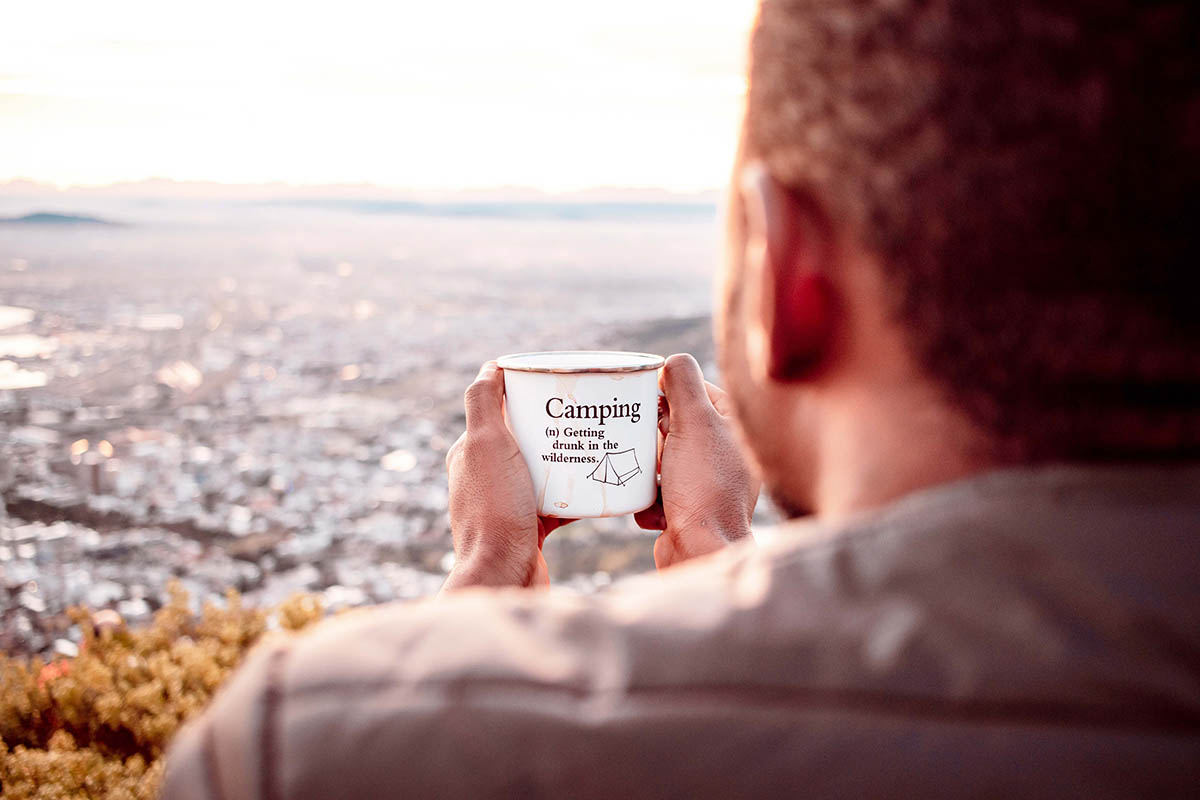
Camping is one of the most rewarding ways to disconnect from daily pressure, slow down mentally, and reconnect with nature, but a great outdoor experience always starts with preparation and safety.
Before any trip, make sure someone you trust knows:
- Where you are camping;
- How long you plan to stay;
- Your hiking routes or outdoor activities;
- When you expect to return.
It is also important to bring a reliable first aid kit, understand basic emergency procedures, and follow campground safety rules at all times.
Small precautions often prevent bigger problems and allow campers to relax with greater peace of mind.
For many beginners, camping becomes much more than simply sleeping outdoors.
It becomes a chance to step away from screens, reduce stress, learn new skills, and experience life in a slower and more intentional way.
Camping can help people:
- Build confidence and independence;
- Improve mental clarity and focus;
- Create stronger memories with family and friends;
- Reconnect with nature and analog living;
- Discover new outdoor hobbies and interests.
You do not need perfect gear or expert survival skills to enjoy camping.
Often, the most meaningful experiences come from simple moments, cooking outdoors, listening to nature at night, watching the stars, or waking up far away from constant digital noise.
Every camping trip teaches something new, and each adventure becomes part of a story you continue building every time you step outside again.