Simple Ways to Keep Your Dog Healthy, Happy, and Living Longer
✨Key Points
- A happy dog needs more than food, routine, exercise, and mental play make all the difference.
- Consistent care like fresh water, training, and vet visits keeps your dog healthy long-term.
- Small daily habits build trust, strengthen your bond, and give your dog a better life.
We all want our dogs to be happy, healthy, and full of life, but most advice out there jumps straight into what to do without really explaining why it matters.
And that’s where things get lost.
Because when you understand the outcome your dog is getting, not just the action, you start making better decisions naturally.
Right now, more dog owners are searching for “how to keep my dog healthy and happy,” “dog lifespan tips,” and “how to improve dog quality of life”, and it makes sense.
Dogs are living longer, but not always better, especially with rising issues like obesity, anxiety, and low activity levels.
Studies show that over 50–60% of dogs are overweight, and behavioral stress is becoming just as common as physical health problems.
So before we go into the exact steps, let’s ground this in something simple: every small habit you build for your dog should lead to a clear benefit.
Here’s what your dog actually gets when you do things right:
- A longer life (consistent care reduces risk of chronic disease and obesity;)
- Stable energy levels (balanced routines support metabolism and daily vitality;)
- Stronger immunity (proper care helps fight infections and seasonal illness;)
- Better behavior (less anxiety, less destruction, more calm focus at home;)
- Emotional security (dogs feel safer when life is predictable and consistent;)
- Healthier joints and mobility (movement and care prevent early aging issues;)
- Sharper mind (mental stimulation slows cognitive decline over time;)
- Improved digestion (routine and nutrition reduce gut issues and sensitivities;)
- Stronger bond with you (attention and connection build trust and loyalty;)
- Overall quality of life (not just living longer, but living well, every day;)
When you look at it this way, dog care stops being a checklist and starts becoming something more intentional, especially when you’re paying attention to things like tips to prevent Lick Granuloma as part of your dog’s overall well-being.
You’re not just feeding, walking, or training, you’re shaping how your dog feels, behaves, and experiences life every single day, which is exactly why understanding how to know if your dog is unhealthy matters.
And that’s exactly what we’re going to break down next.
Playing With Your Dog
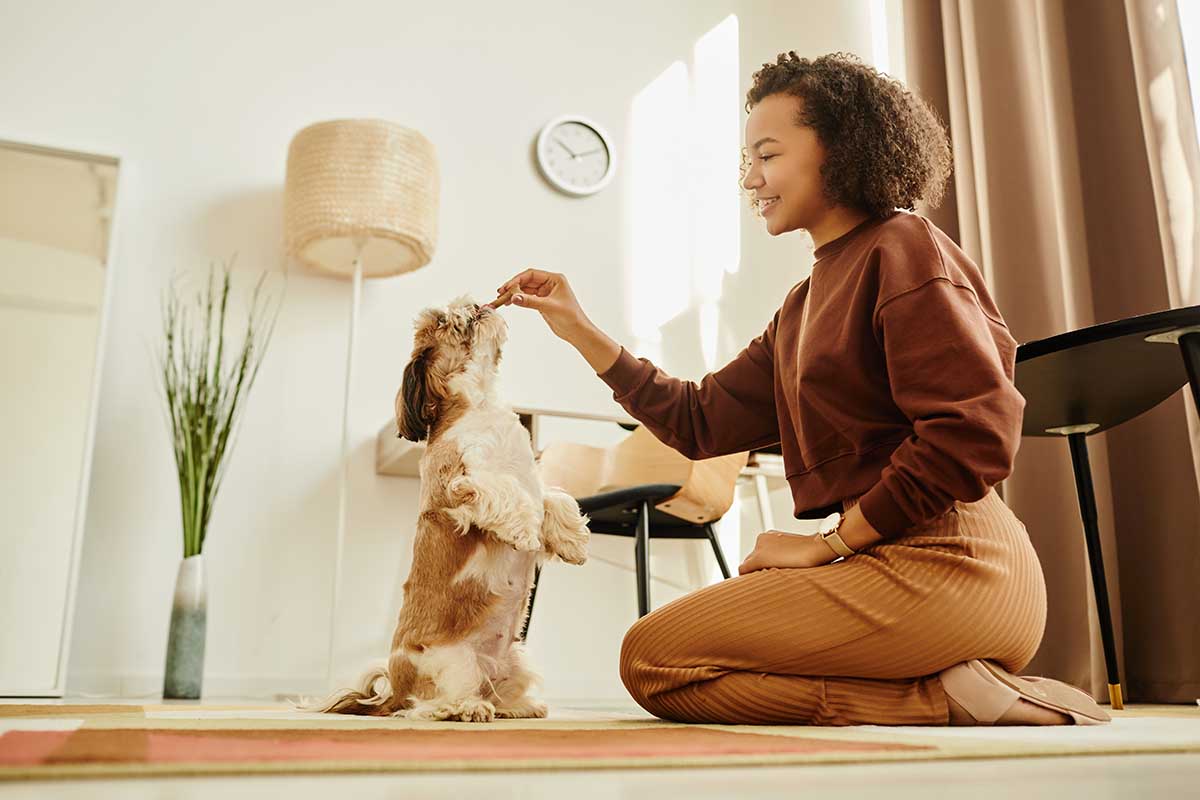
Playing with your dog is a great way to get them used to new people and environments.
Start by introducing yourself and the other person, and then let your dog greet them politely on all fours.
If the other person isn’t comfortable touching, try gently petting or pointing at your dog while saying his name. After that, have fun playing together.
You can throw a ball for them, play fetch with their favorite toy, and run around in circles.
The possibilities are endless!
You may also want to consider purchasing some toys specifically designed for dogs who love to play (or chew!).
And of course, don’t forget treats – give them tiny morsels every once in a while when they’re engaged in playful activities.
If you’re wondering whether or not it’s safe to register service dog, the answer is yes.
The Americans with Disabilities Act (ADA) makes it legal for people with disabilities to employ assistance animals trained and certified by specific regulations.
This includes dogs registered as service animals by a qualified organization such as Assistance Dogs International.
Registered service dogs help their owners stay independent in daily life and provide support during stress or anxiety.
In situations where a dog may become too excited or reactive, understanding how to deal with an overly-energetic dog is essential, as proper training allows service dogs to stay focused, prevent risky behavior like running off, and reliably support their owners when it matters most.
Trim Their Nails Tegularly
Most dogs love to chew, and keeping them from hurting themselves or your furniture is essential.
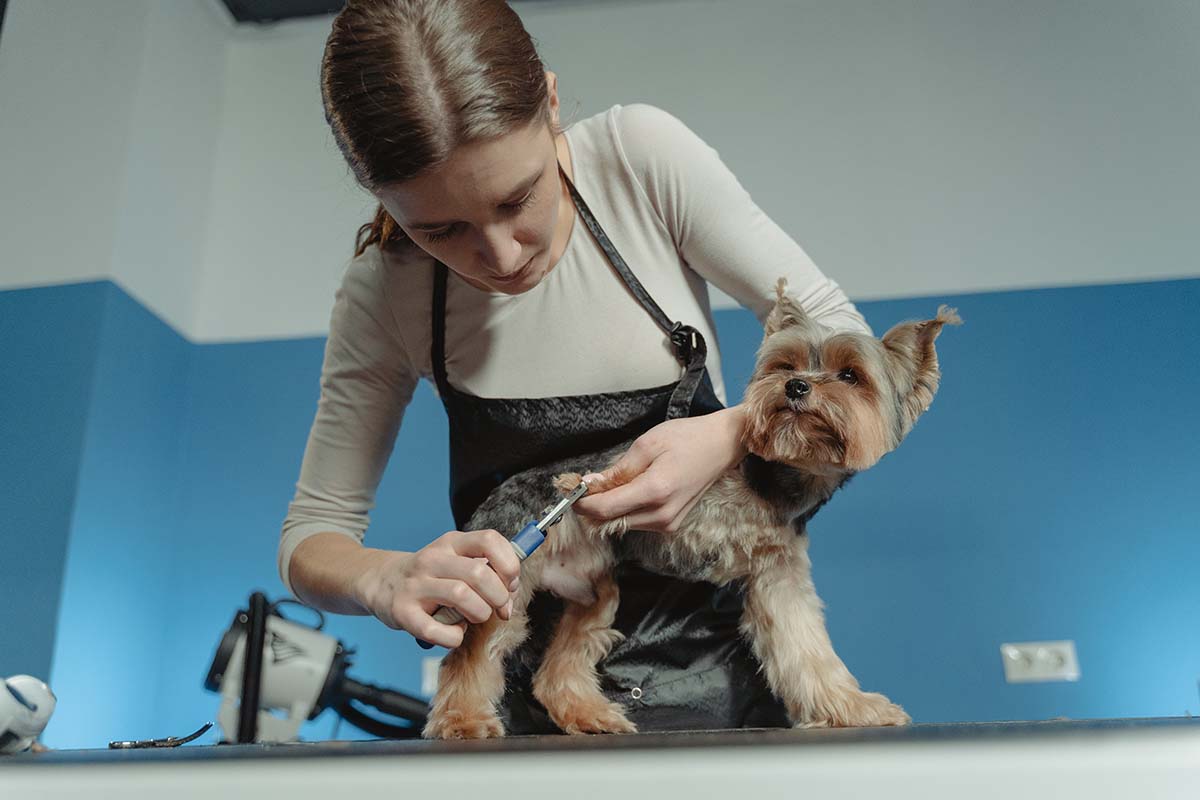
Use a clipper designed for small animals to trim your dog’s nails.
You’ll want to make sure that the blade is sharp and well-oiled.
Be careful about how close you cut. It’s better to have a short nail than a long one that keeps growing back.
If the nail keeps growing back, it can crack the skin, damage surrounding tissues, and even cause infection.
Serve Water in a Pet Bowl
Many dogs will drink from the toilet, a dirty puddle on the street, or even from the toilet again!
If you want to help keep your dog healthy, then one of the things that you can do is provide water in a clean bowl.
Avoid leaving bowls of water around the house.
Your dog might knock them over, or it could make your furry friend prone to peeing and spraying around their food area.
We suggest getting them a metal bowl or ceramic one they can’t easily chew through.
You can attach it to something sturdy with a leash if your dog tends to roam around while eating and drinking
Feed them a Balanced Diet
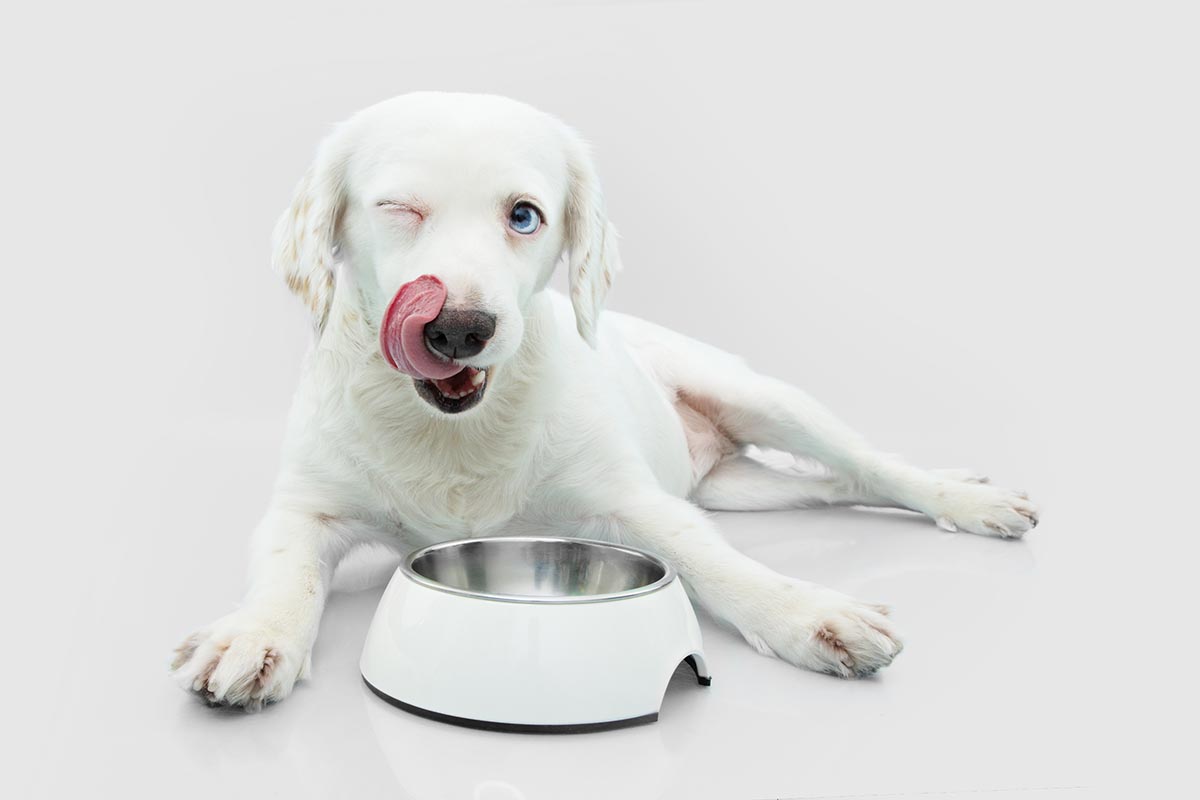
Your dog’s diet is essential for his overall health.
This can include properly balanced dry food with enough protein, water, and fat.
You can find dry dog food in most stores, while canned options can sometimes be more economical.
Brands like Dentastix, Surfas, and Dog Chow offer formulas with essential proteins and vitamins, but it’s also important to watch for food allergy symptoms in your dog, such as itching, digestive issues, or low energy, when choosing the right option.
There are many other nutrition brands to choose from, so you’ll want to look around at various websites before making your purchase.
You’ll want to research what the market offers to ensure you’re feeding him a healthy diet.
A great way to learn more about different brands and their products is to look at Freshpet reviews and other similar blogs and review websites.
This is a great way to learn more about the brands available on the market, which products offer a good combination of value and quality, and also if there are any questionable products that you need to look out for.
Staying up to date with the latest changes in the industry is a good way to ensure that you’re always giving your dog quality food and safe products.
So if you want the best for your dog, it’s worth subscribing to reputable blogs and review websites.
Provide Your Dog With Enough Fresh Water
Hydration isn’t just about quenching thirst, it affects your dog’s energy, digestion, temperature regulation, and even joint health.
Many owners underestimate how quickly dogs can become mildly dehydrated, especially with dry food diets, warmer weather, or increased activity.
Instead of guessing, it helps to understand what “enough” actually looks like and what your dog’s body is trying to tell you.
Here’s how to approach it in a more intentional, helpful way:
- Know the real baseline (most dogs need about 1 ounce of water per pound of body weight daily, not a fixed “gallon”)
- Watch for subtle dehydration signs (dry nose, low energy, sticky gums, or less interest in food)
- Refill with fresh water daily (dogs are more likely to drink clean, cool water than stale water)
- Adjust for lifestyle factors (hot weather, exercise, and dry kibble all increase water needs)
- Pay attention to sudden changes (drinking much more or much less can signal health issues)
If your dog suddenly starts drinking excessively or shows symptoms like lethargy, vomiting, or loss of appetite, it’s worth checking in with a vet, because hydration changes are often one of the earliest signs that something isn’t right.
At the end of the day, keeping your dog hydrated is one of the simplest ways to support their overall health, but also one of the easiest to overlook when life gets busy.
Exercise Them Regularly
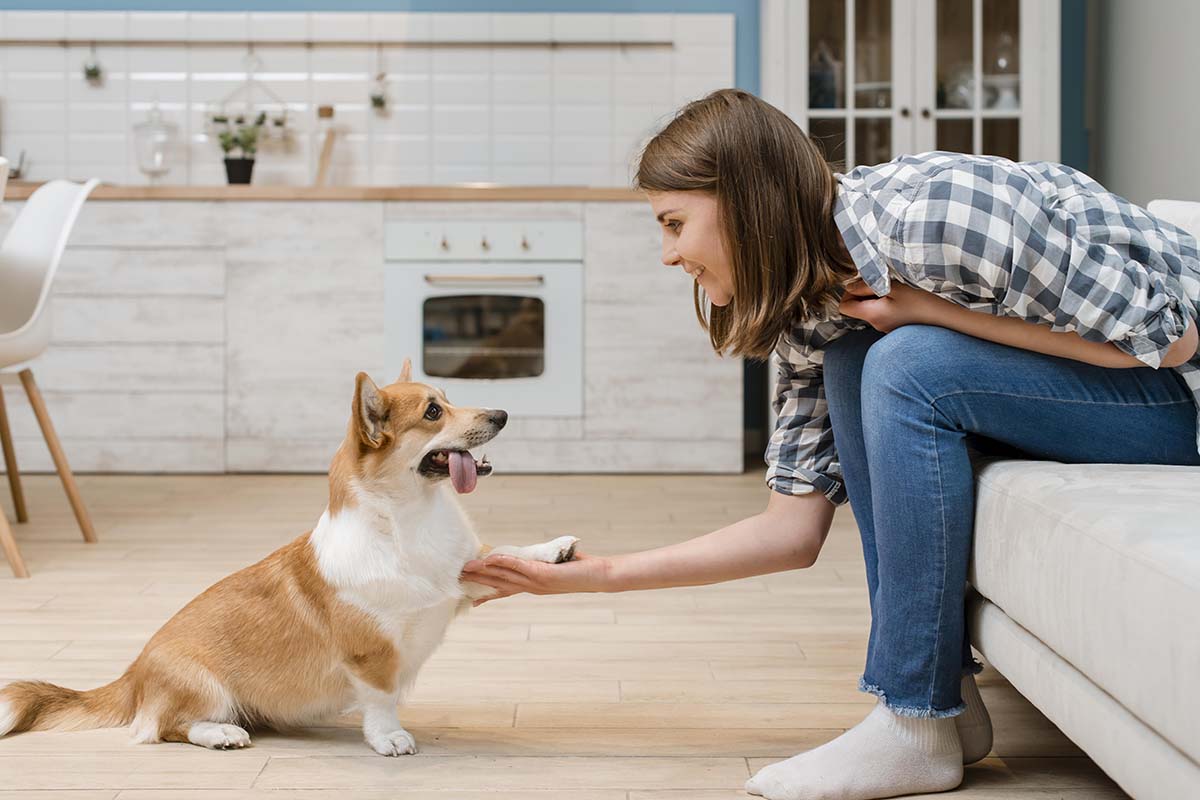
In addition to regular walking, running, and playing, you can get creative with your dog’s exercise.
For example, you will want to play fetch outside every once in a while so that they can run around or play indoors with a toy like the Chuckit Ball Launcher.
You can also take them for a ride in the car or use a pet stroller if you want to take them somewhere but can’t walk.
We suggest attaching the dog leash to their harness so they don’t jump out of the vehicle.
Running is also great exercise and is also suitable for your health!
Whenever you’re out and about with your dog, it’s also worth making sure they’re properly identified.
A digital pet profile gives anyone who finds a lost dog instant access to your contact details and your pet’s medical history – far more useful than a basic engraved tag.
Obedience Training (It’s Not About Control, It’s About Connection)
Teach Your Dog to Stay Calm Around Strangers (So Every Walk Feels Easier)
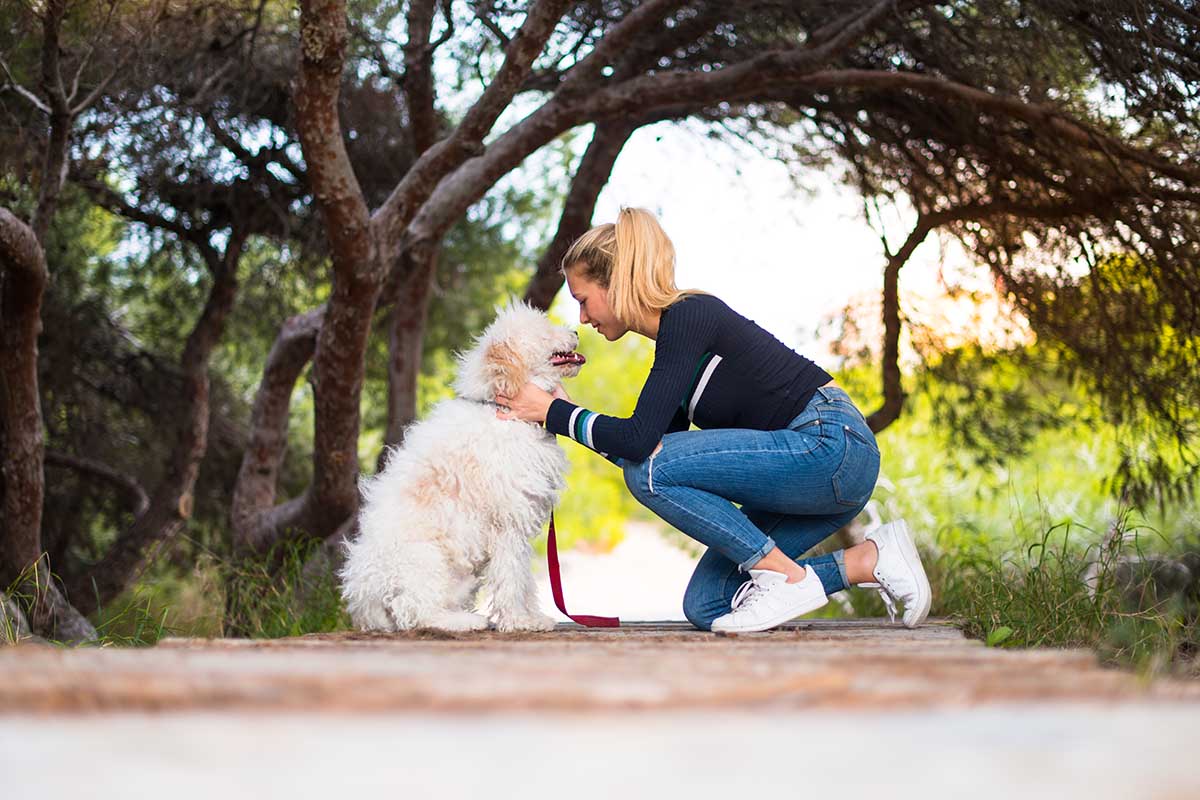
For many dogs, meeting new people can feel confusing or even stressful.
They don’t automatically know who is safe, and their reaction, barking, jumping, or pulling away, is often just uncertainty, not “bad behavior.”
The goal isn’t to force friendliness, but to help your dog feel calm, confident, and in control in social situations.
When you approach it this way, you’re not just training behavior, you’re shaping how your dog feels around people.
Here’s how to guide them in a way that actually works:
- Reward calm attention, not excitement (treat when your dog stays relaxed and simply observes a person;)
- Start at a comfortable distance (don’t rush greetings—let your dog adjust at their own pace;)
- Use a simple cue like “hello” or “easy” (creates a predictable signal that nothing is wrong;)
- Avoid overwhelming situations early on (too many people at once can reinforce anxiety;)
- Redirect focus back to you when needed (eye contact with you helps them feel safe and grounded;)
If your dog doesn’t react when someone approaches from behind, it’s usually because they’re tuned into you, not their surroundings.
You can gently guide their awareness by turning with them or repositioning so they can clearly see what’s happening, which helps reduce surprise and stress.
This is also an important step in learning how to stop a dog from barking in your apartment, since many barking triggers come from things they can’t see or understand.
It can feel slow at first, but over time your dog starts to understand: new people aren’t a threat.
And that shift, from alert to calm, is what makes everyday moments like walks, гости, or café visits so much more enjoyable for both of you.
Chew Toys That Actually Help, Not Just Keep Them Busy
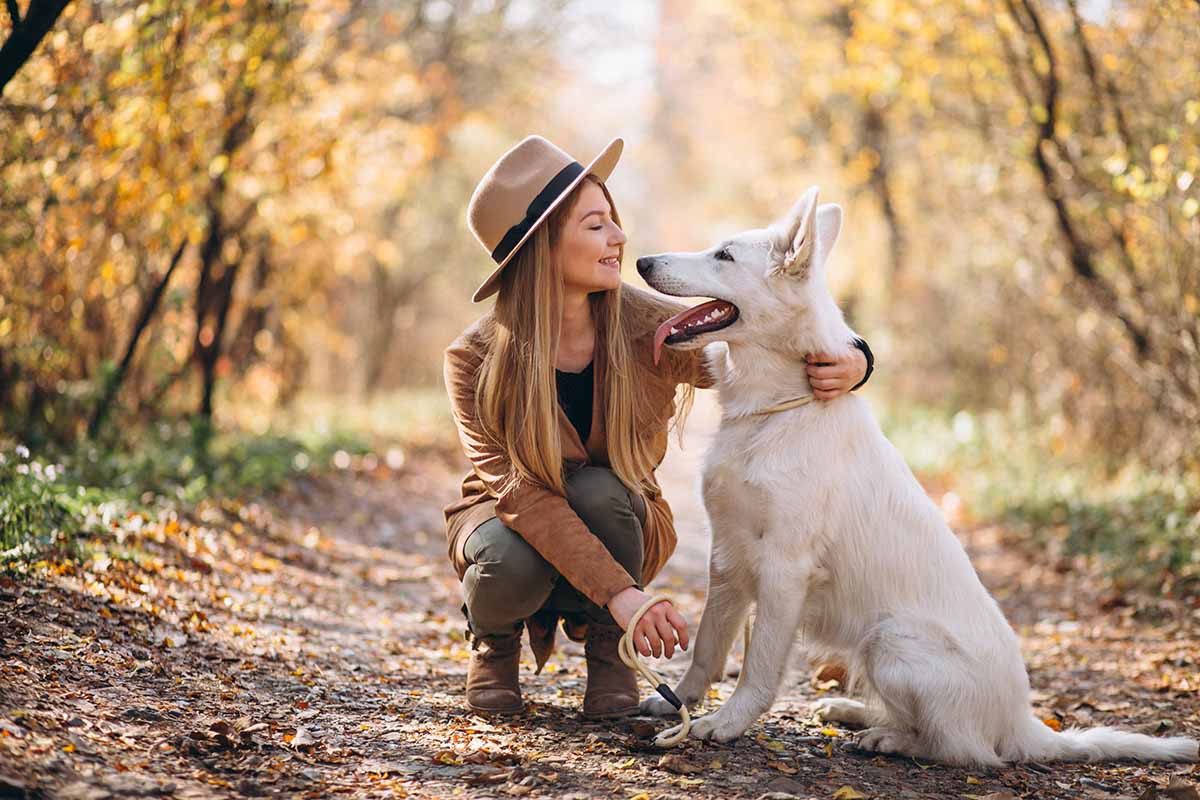
Chew toys aren’t just something to keep your dog occupied, they play a real role in reducing stress, protecting your home, and supporting your dog’s development, especially during teething or high-energy phases.
The right toys can turn destructive habits into healthy ones and give your dog an outlet for their natural instincts.
Instead of just grabbing anything, it helps to understand what different types of toys do for your dog:
- Relieve teething discomfort (durable chew toys soothe gums and reduce the urge to chew furniture;)
- Reduce anxiety and boredom (chewing releases calming endorphins, especially when left alone;)
- Protect your home (gives them a “yes” option instead of chewing random things;)
- Encourage independent play (helps your dog stay occupied without constant attention;)
- Support mental stimulation (puzzle and interactive toys challenge their brain, not just their jaws;)
Noisy or textured chew toys can be especially engaging because they tap into your dog’s natural curiosity and hunting instincts, making playtime feel more rewarding.
They can also help redirect attention in situations like when dogs can’t stop scratching, giving them a healthier outlet for that restless energy.
At the same time, mixing in interactive toys or puzzle feeders, whether during walks or at home, adds another layer of enrichment, helping your dog burn mental energy, not just physical.
When you get this right, you’ll notice the difference quickly: less boredom, fewer destroyed things, and a dog that feels more balanced and content throughout the day.
Exercise is one of the most important parts of your dog’s routine, but more isn’t always better.
What your dog actually needs is the right amount based on their age, breed, and energy level.
Too little movement leads to weight gain and behavior issues, while too much can cause fatigue, joint strain, and even weaken their immune system over time.
The goal isn’t to “tire your dog out”, it’s to keep them consistently energized, strong, and mentally balanced.
Here’s how to approach exercise in a smarter, more helpful way:
- Match activity to your dog’s needs (high-energy breeds need more structured exercise; smaller or older dogs need less)
- Focus on consistency over intensity (daily moderate walks are better than occasional long, exhausting sessions)
- Watch for signs of overexertion (heavy panting, slowing down, or reluctance to continue)
- Mix physical and mental activity (a shorter walk + training or play can be more effective than a long walk alone)
- Adjust for weather and environment (heat, cold, and rough terrain all impact how much is “too much”)
If you don’t have enough time to keep up with your dog’s daily activity, hiring a professional dog walking service can help maintain a healthy routine without overdoing it.
A well-exercised dog should come home calm and satisfied, not drained with zero energy left.
✨When you find that balance, you’ll notice it right away: better behavior, healthier weight, and a dog that’s ready to enjoy life, not recover from it.
Conclusion: Give Your Dog a Life That Actually Feels Good to Them
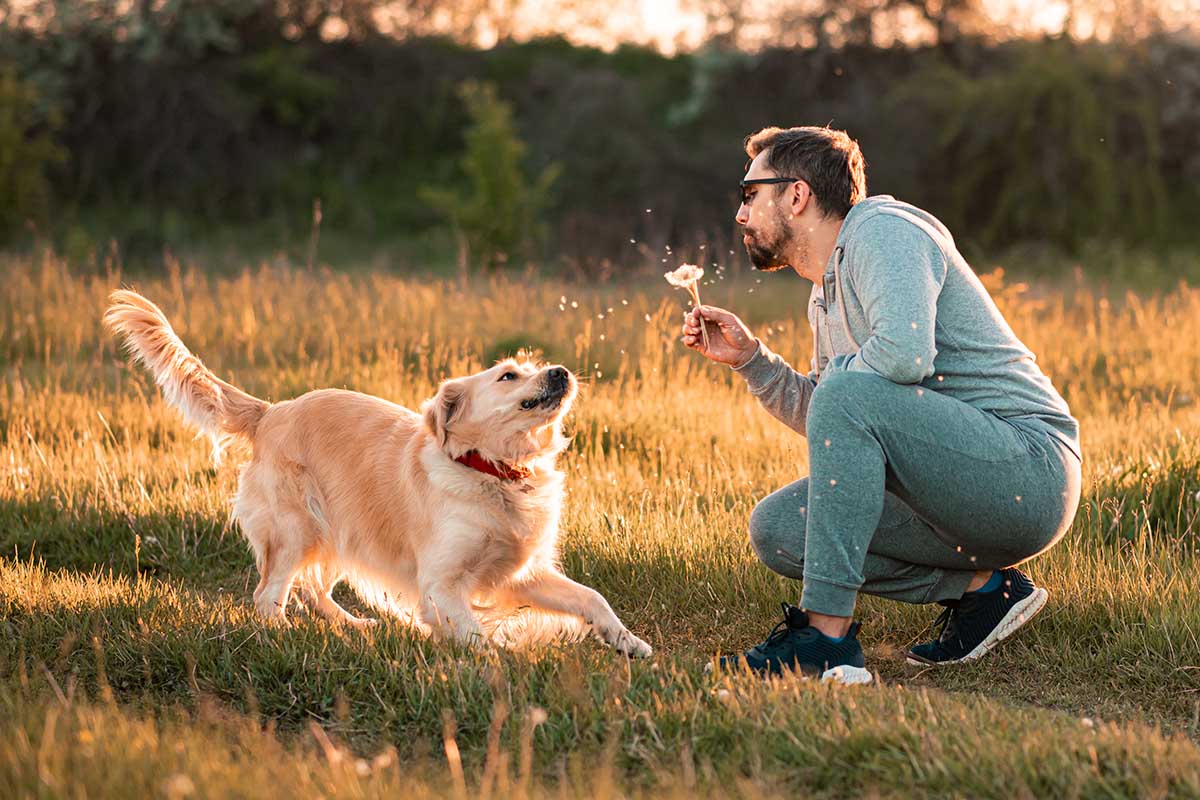
Spending quality time with your dog will always be at the center of everything, but here in the Seattle area, it naturally becomes part of your lifestyle.
It’s the morning walks by Lake Washington, the quiet forest trails, the coffee stops where your dog sits next to you while the city slowly wakes up.
That’s where care turns into connection.
And it’s not about doing more, it’s about doing the right things, consistently, in a way that fits your everyday life.
Here’s what that looks like in real life:
- A calm, confident dog in busy environments (from Kirkland streets to Seattle parks, they feel safe and grounded;)
- Steady energy, even on those moody PNW days (rainy walks still count—and they actually love it)
- Less stress at cafés, trails, or around people (training and routine make outings easy, not overwhelming)
- A lifestyle you can share together (walks, short adventures, spontaneous stops—it all becomes smoother)
- A deeper connection you actually feel (they trust you, and you see it in how they move through the world with you)
Out here, you don’t need perfect weather or some big plan to give your dog a great life.
Sometimes it’s just a windy walk by the water, a quiet moment under gray skies, or catching that “right place, right time” feeling you love.
And when your dog is healthy, calm, and happy, you feel that ease too.