How to Find Your Personal Style Without Following Trends
✨ Key Points
- People wear only 20–30% of their wardrobe regularly;
- Too many trends and choices lead to confusion and decision fatigue;
- Result: wasted money and “nothing to wear” frustration;
Finding your personal style can feel like chasing something just out of reach.
Trends move fast, social media constantly floods you with inspiration, and when you’re trying to figure out how to find your personal style, it’s easy to end up wearing what looks good on someone else instead of what actually works for you.
If that feels familiar, you’re not alone:
- Studies suggest people wear only 20–30% of their wardrobe regularly;
- The average person makes dozens of clothing decisions per week, leading to decision fatigue;
- Many impulse purchases are worn just a few times, or never at all.
This leads to real, everyday frustrations:
- A full closet, but “nothing to wear;”
- Outfits that look good online but feel off in real life;
- Wasted money on clothes that don’t fit your lifestyle;
- Constant second-guessing before leaving the house;
Instead of trying to follow everything, focus on what actually fits you:
- Trends are optional, not rules – not everything popular will suit you;
- Inspiration ≠ imitation – use ideas as a guide, not a template;
- Comfort is a signal – if it doesn’t feel right, it probably isn’t;
The truth is, personal style is not about perfection, it’s about alignment.
When your style reflects who you are, getting dressed becomes simpler, more consistent, and far more enjoyable.
What is personal style?
Personal style is the way you express yourself through clothing that aligns with your lifestyle, personality, and comfort. It’s not about trends, it’s about consistency and authenticity.
Start With What You Already Love
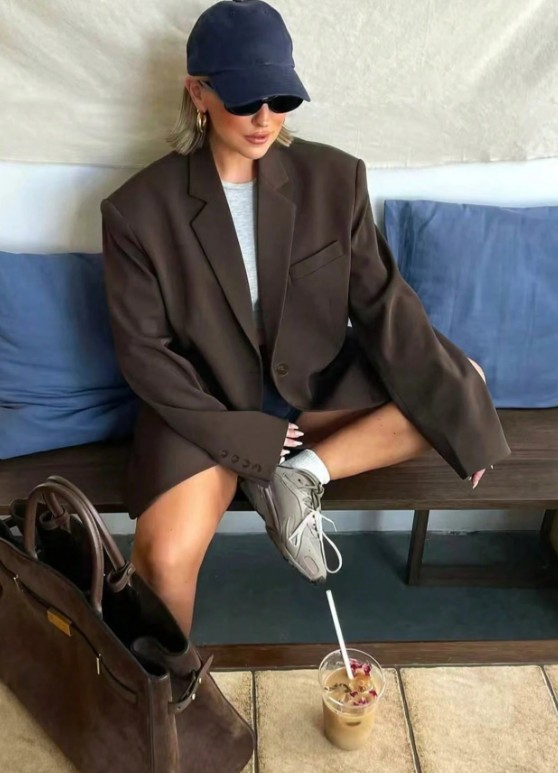
Before you buy anything new, take a look at what you already own.
Which pieces do you reach for again and again?
Maybe it is a worn-in pair of jeans, an oversized blazer, or a graphic tee that just feels right every time you put it on.
These go-to items are clues.
They show you what makes you comfortable and confident.
If you love relaxed fits, bold prints, or classic neutrals, that is your starting point when figuring out how to find your personal style.
Your style should grow from what feels natural, not from what you think you should like.
Look Beyond Trends
Trends can be fun, but they should never define your wardrobe, especially when you’re learning how to find your personal style.
If something does not feel like you, it will probably sit unworn, no matter how popular it is.
Instead of following trends blindly, pick and choose what genuinely fits your personality.
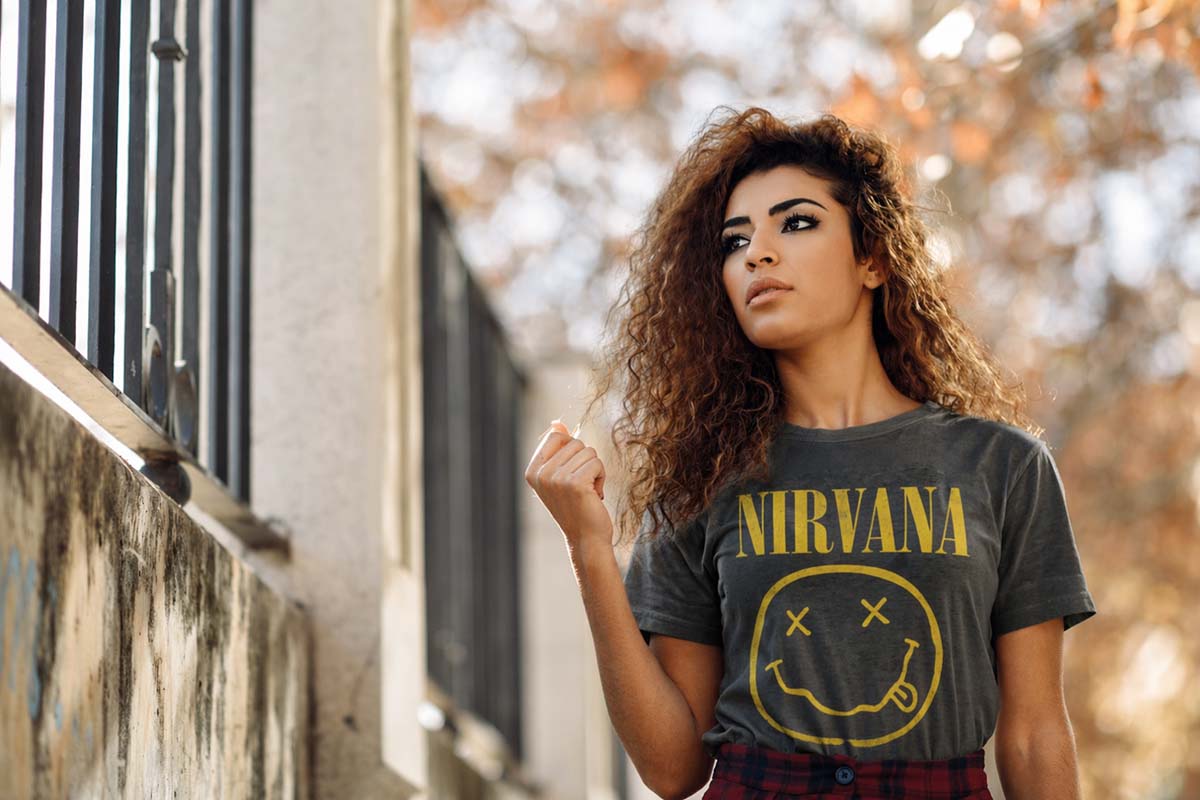
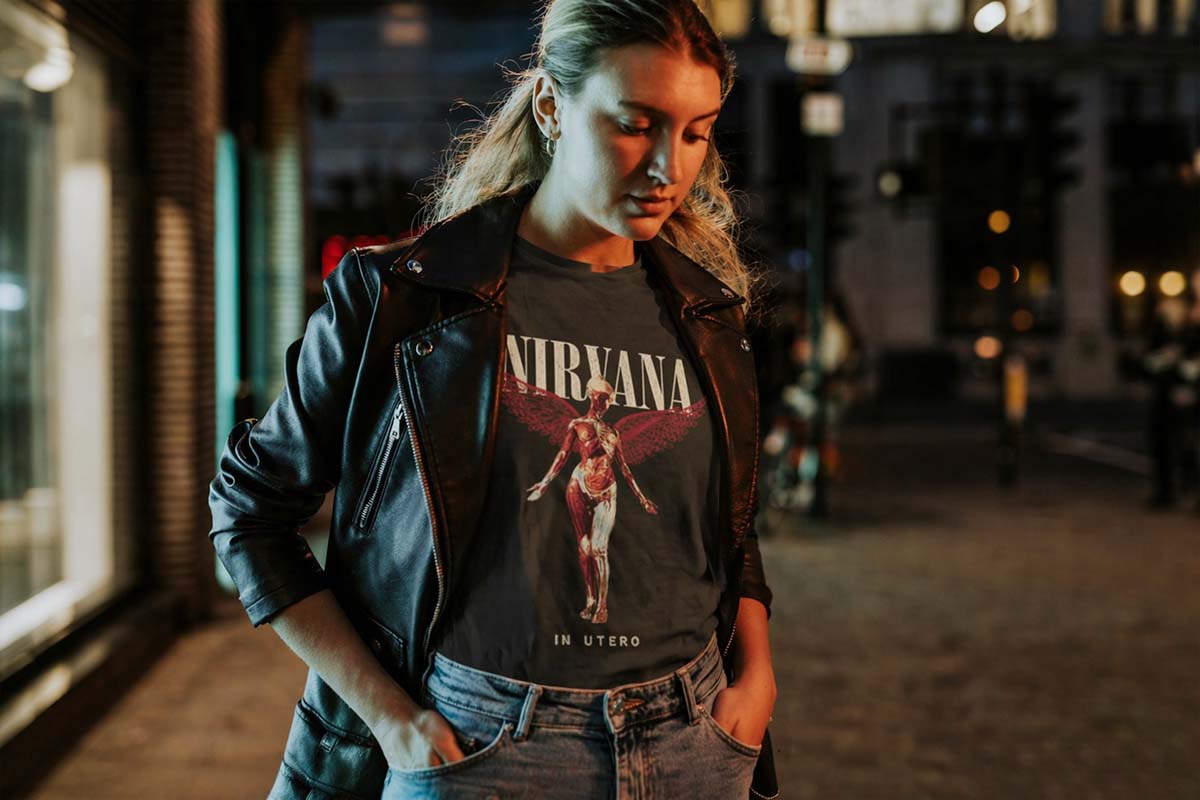
For example, if you are drawn to music-inspired fashion, incorporating something like a Nirvana t shirt into your outfits can instantly make your style feel more authentic.
It is less about the item itself and more about the connection you have to it.
Build Around a Core Aesthetic
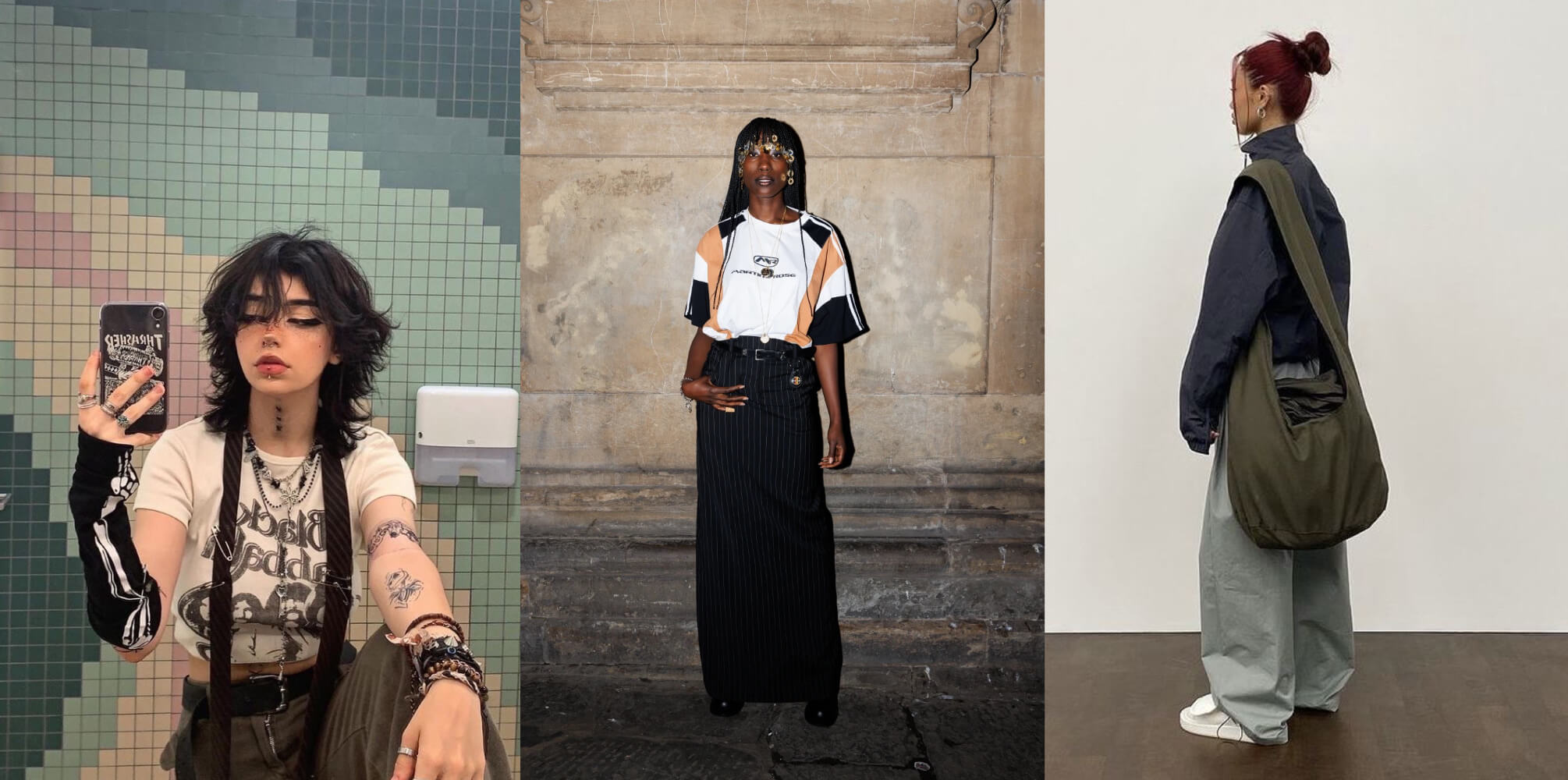
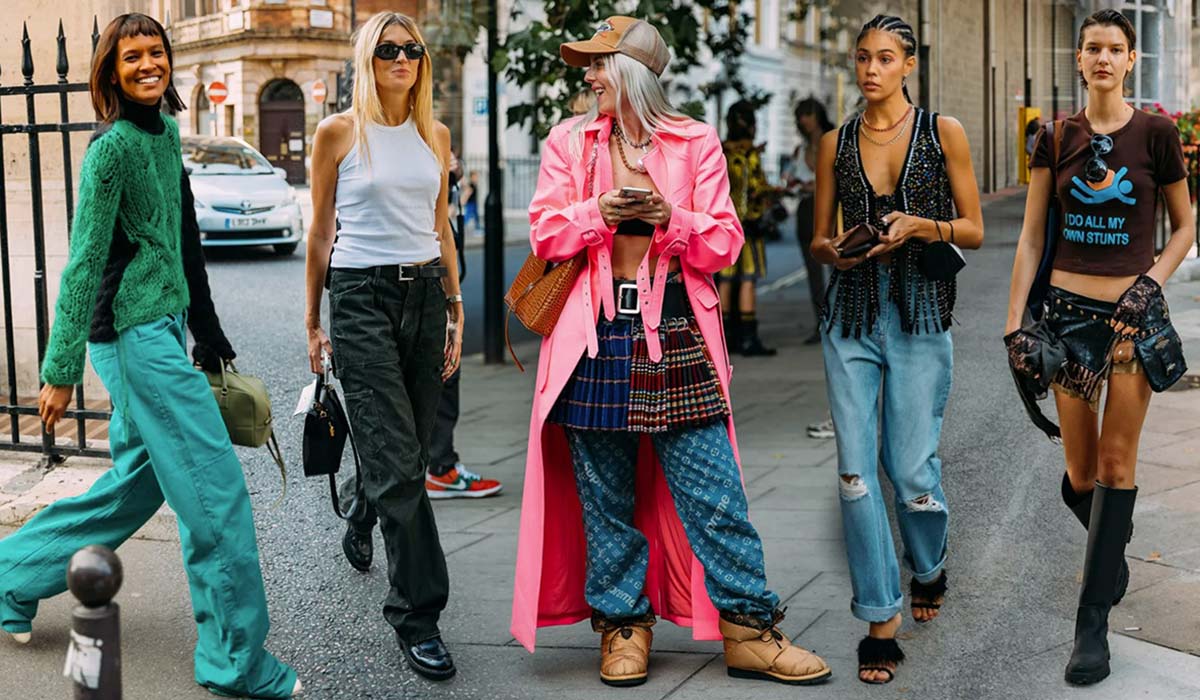
You don’t need to box yourself into one label, but having a loose sense of your aesthetic helps, especially when exploring options like secondhand fashion, where variety can be overwhelming without direction.
Think of it as a foundation. You might lean toward minimal, edgy, vintage, sporty, or a mix of a few.
Once you have a general direction, it becomes much easier to shop, whether you’re buying new or browsing secondhand fashion, and to put outfits together with intention.
Over time, you’ll notice your wardrobe becoming more cohesive, with pieces that naturally work together without much effort.
Focus on Fit and Comfort
No matter how stylish something looks, if it doesn’t fit well or feels uncomfortable, you won’t wear it with confidence—or consistently.
This is where body neutral fashion becomes important.
Instead of trying to dress for an “ideal” body, the focus shifts to choosing clothes that work with your body as it is, prioritizing comfort and function over unrealistic standards.
Focus on how clothes actually perform in real life:
- Check movement, not just appearance. Sit, walk, and move around. If something pulls, rides up, or feels restrictive, you’ll avoid wearing it.
- Know your “ideal fit” zones. Pay attention to key areas like shoulders, waist, and length. Small misfits here make the biggest difference.
- Prioritize comfort signals. If you’re adjusting an item all day, it’s not the right piece—no matter how trendy it is.
- Use tailoring strategically. Simple adjustments (hemming pants, taking in a waist, adjusting sleeves) can turn an average item into a go-to piece.
- Choose the right fabrics. Breathable, flexible materials often look better throughout the day and hold their shape longer.
When your clothes fit properly and feel comfortable, your outfits automatically look more polished, and you spend less time thinking about what you’re wearing.
Experiment Without Pressure
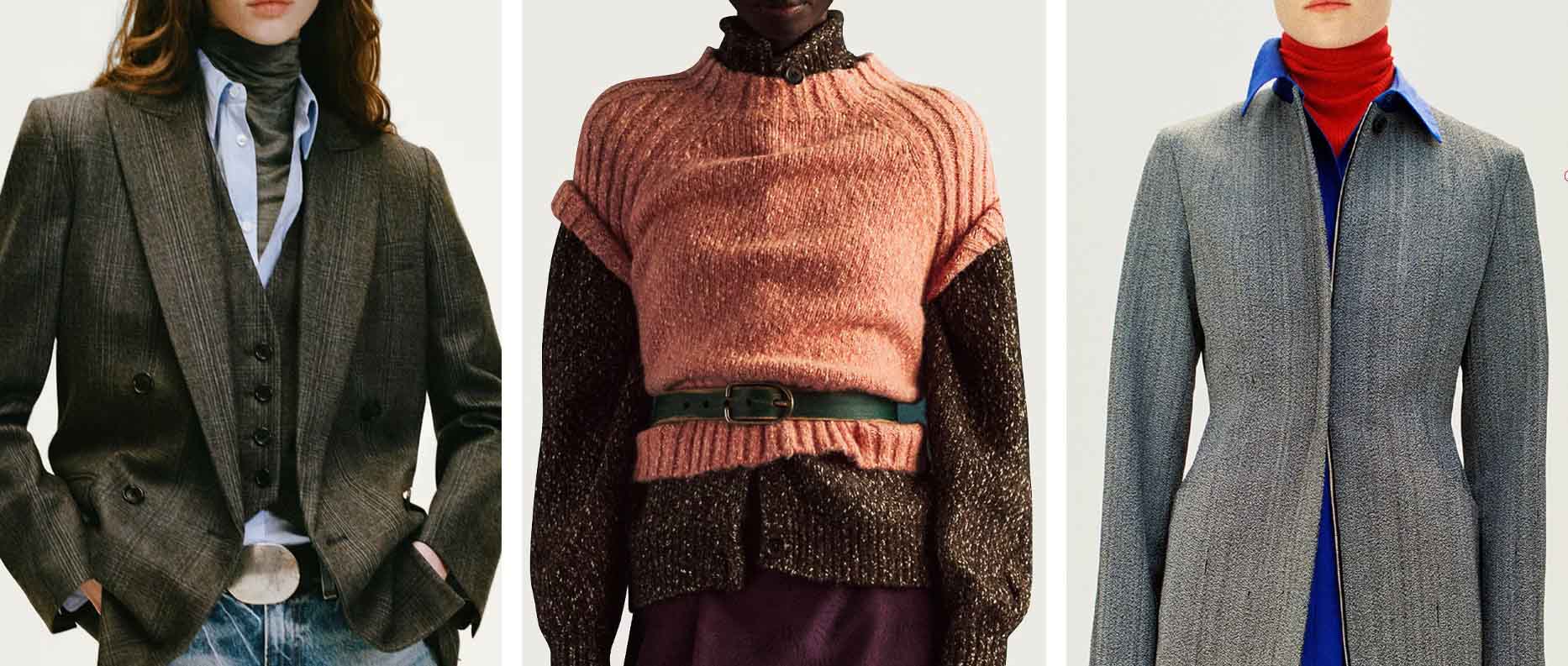
Building your style is a process. It is okay to try new things and change your mind.
Some outfits will work, others will not, and that is part of figuring it out.
You might discover that you love layering, or that bold accessories completely transform your look.
Give yourself the space to explore without feeling like you have to get it right every time.
Let Your Style Evolve
Your style is not fixed. It will naturally change as your lifestyle, preferences, and experiences evolve—and that’s exactly how it should work.
Instead of aiming for a “perfect” wardrobe, focus on building one that adapts with you.
For many people, this is where minimalist fashion becomes useful.
As your style evolves, having fewer but more versatile pieces makes it easier to adapt without constantly replacing your entire wardrobe.
Instead of chasing trends, you rely on a small set of well-fitting, easy-to-combine items that continue to work as your preferences and lifestyle change.
It encourages keeping versatile, high-quality pieces that are easy to mix, match, and update over time without constantly starting from scratch.
To make this practical:
- Edit your wardrobe regularly. Remove pieces you no longer wear and make space for what fits your current life.
- Update in small steps. You don’t need a full reset, add or replace a few items at a time
- Keep a flexible core wardrobe. Neutral, well-fitting basics make it easier to adjust your style without overbuying.
- Pay attention to lifestyle changes. Work, routines, and environments shift, your clothes should reflect that.
What feels right today might look different a year from now, and that’s a good sign of growth.
The goal is not perfection—it’s honesty.
When your style reflects who you are right now, getting dressed stops feeling like effort and starts feeling like second nature.