How Bearings Help Reduce Friction and Improve Machine Performance
✨Key Points
- Bearings reduce friction between moving parts, helping machines run smoother and more efficiently.
- The right industrial bearings can lower maintenance costs, reduce overheating, and extend equipment lifespan.
- High-quality bearings improve machine reliability, helping businesses avoid costly downtime and repairs.
Every moving machine faces one unavoidable challenge: friction.
When friction is not properly managed, it can lead to overheating, rising energy costs, unexpected equipment breakdowns, noisy operation, and faster wear on critical machine components.
For manufacturers, warehouses, automotive systems, and industrial operations, even small efficiency losses can quickly turn into expensive downtime and costly repairs.
This is where industrial bearings play a critical role.
Bearings are specifically designed to reduce friction between moving parts, helping machines operate more smoothly, efficiently, and reliably.
Whether used in manufacturing equipment, conveyor systems, electric motors, automotive applications, or heavy machinery, the right bearing solution can significantly improve machine performance and extend equipment lifespan.
Some of the biggest benefits of high-quality bearings include:
- Reduced friction and lower energy consumption;
- Improved machine efficiency and smoother operation;
- Less heat buildup and reduced component wear;
- Lower maintenance and repair costs;
- Longer equipment lifespan and reduced downtime.
Understanding how bearings work, and choosing the right type for your application, can make a major difference in productivity, operational costs, and long-term machine reliability.
Why Friction Is the Enemy of Industrial Machinery
Friction is a natural force. When two surfaces move against each other, resistance builds up.
In industrial equipment, that resistance translates directly into energy loss, heat buildup, and component degradation.
- How Friction Affects Machine Performance and Longevity. Friction slows moving parts down. It forces motors and drives to work harder to maintain output. Over time, this extra load shortens the lifespan of components. A machine running with excessive friction consumes more energy while producing less output. That gap between input and output is a direct cost to your operations.
- The Hidden Costs of Unmanaged Friction in Industrial Operations. Unmanaged friction leads to more than mechanical wear. It causes unplanned downtime, increases maintenance frequency, and raises energy bills. Studies show that friction and wear account for roughly 23% of the world’s total energy consumption. A significant portion of that loss occurs in industrial machinery. Reducing friction is not just a mechanical goal; it is a financial one.
How Do Bearings Reduce Friction in Mechanical Systems?
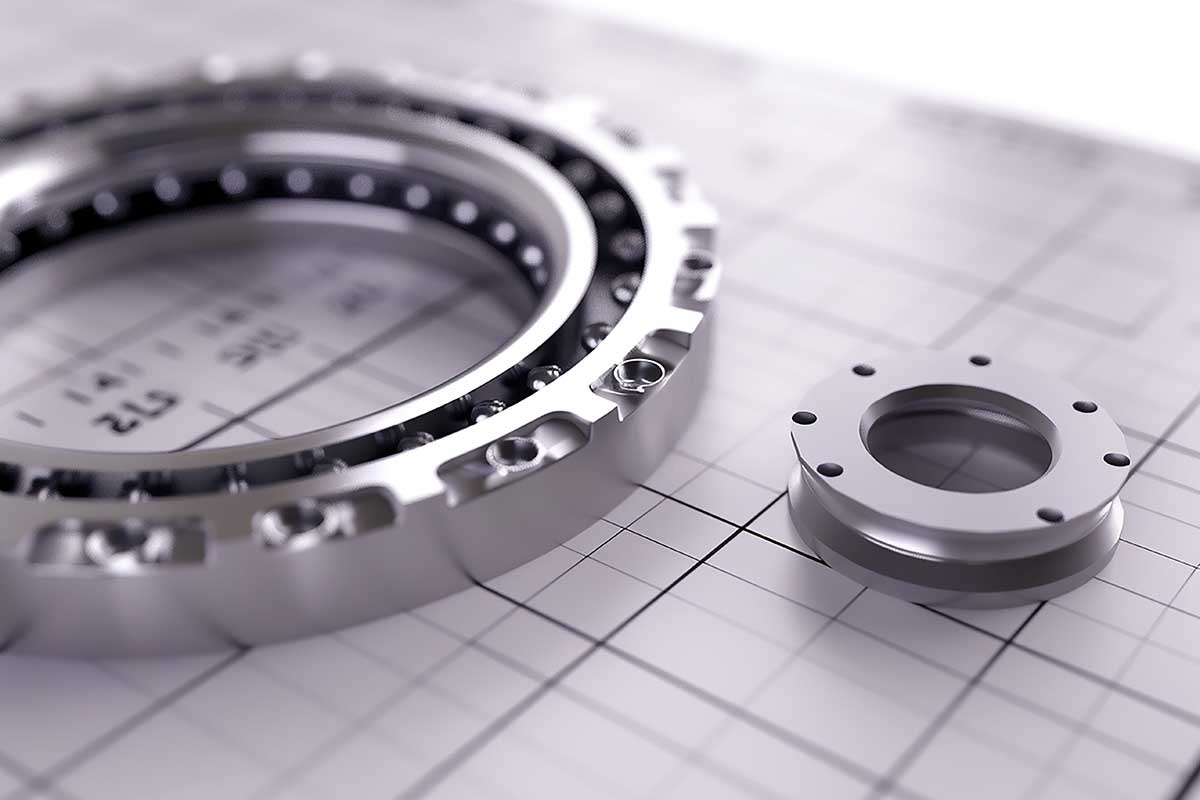
Bearings work by replacing sliding contact with rolling contact to reduce friction and improve machine performance.
Instead of two surfaces grinding against each other, a bearing introduces rolling elements that carry the load with far less resistance, helping machines operate more smoothly, efficiently, and reliably.
- The Basic Mechanics Behind Friction Reduction in Bearings. A bearing creates a controlled interface between a moving part and a stationary surface. Rolling elements, whether balls or rollers, carry the applied load. This design reduces the contact area and minimizes energy loss from friction.
- Rolling vs. Sliding Contact. Why It Makes a Difference. Sliding contact generates more friction because two flat surfaces interact over a large area. Rolling contact reduces that interaction to small, precise points or lines. The result is lower resistance, less heat generation, and better energy transfer through the system.
- The Role of Lubrication in Maximizing Bearing Efficiency. Lubrication forms a thin film between rolling elements and raceways. This film further reduces direct metal-to-metal contact. Proper lubrication is one of the most effective ways to maintain bearing efficiency in industrial equipment over the long term.
Types of Bearings for Friction Control and Performance Optimization
Not all bearings perform the same way. The type you select determines how well friction gets controlled in a given application.
- Ball Bearings: Lightweight Precision for High-Speed Applications. Ball bearings use spherical elements to carry both radial and axial loads. They perform well at high speeds with relatively low friction. If your application involves high RPM and moderate loads, sourcing from a reliable ball bearing store like from Online Bearing Store, gives you access to the right specifications for your equipment.
- Roller Bearings: Heavy-Load Solutions with Minimal Energy Loss. Roller bearings use cylindrical elements that distribute load across a longer contact line. This design handles heavier loads more effectively than ball bearings. Tapered roller bearings, for instance, work well in applications where combined radial and axial forces are present.
- Linear Bearings: Enabling Smooth, Low-Friction Linear Motion. Linear bearings support motion along a straight path. They are common in automation, machining, and precision equipment. These bearings reduce friction in linear systems the same way rotary bearings do in rotating ones.
Rolling Element Bearings and Their Impact on Machine Efficiency
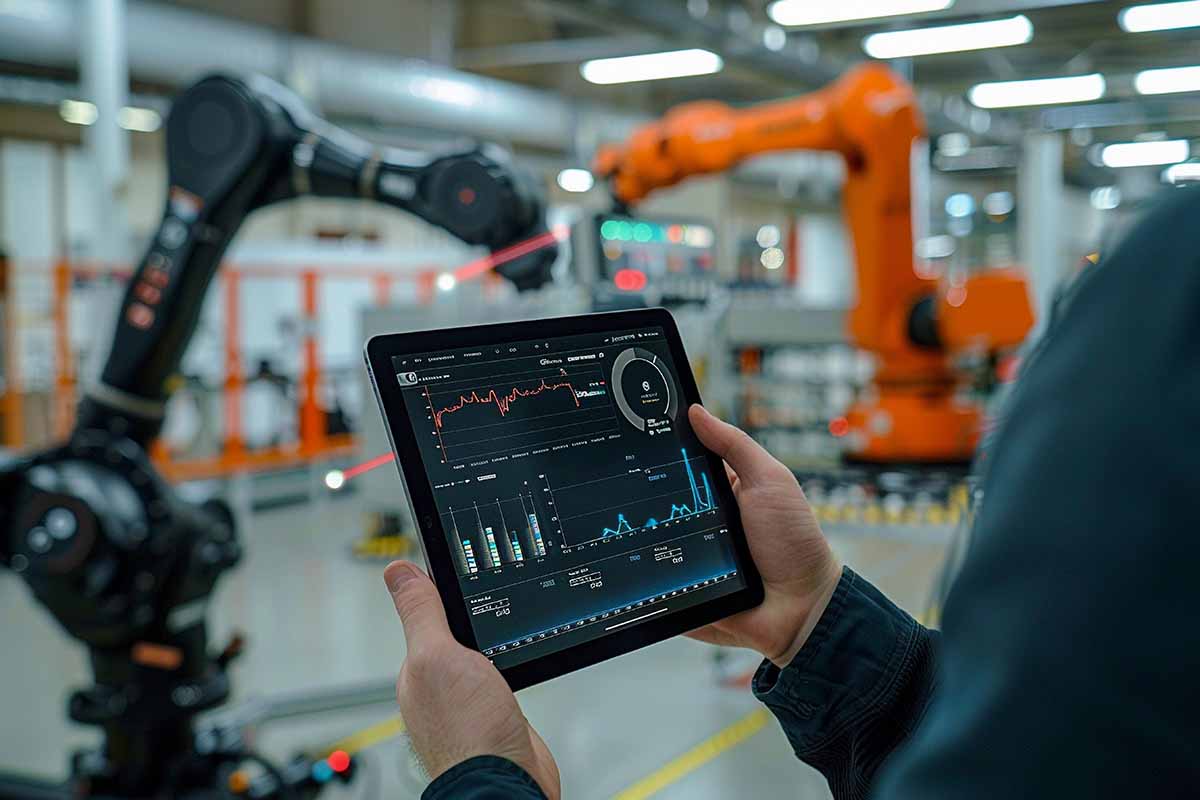
Rolling element bearings play an important role in the contribution of robots to industrial automation by improving machine efficiency and reducing the energy needed to sustain motion.
Research in tribology confirms that switching from plain bearings to rolling element bearings can reduce friction losses by up to 75% in certain applications.
This reduction helps robotic systems and automated industrial equipment operate more smoothly, improve output consistency, lower energy consumption, and reduce long-term operating costs.
Bearing Selection for Machine Performance: What Engineers Need to Know
Selecting the wrong bearing type costs more than the component itself.
It costs you in downtime, energy, and replacement cycles.
Key Factors to Consider When Choosing Low Friction Industrial Bearings
Start with load type and magnitude. Then consider operating speed, temperature range, and exposure to contaminants. Each factor influences which bearing material, configuration, and sealing arrangement performs best in your environment.
Matching Bearing Type to Operating Conditions and Load Requirements
A bearing designed for light radial loads will fail prematurely under heavy axial stress. Matching bearing capacity to actual operating conditions is the foundation of reliable industrial bearing performance.
The Importance of Tolerance, Speed Ratings, and Material in Selection
Precision class affects how well a bearing performs at high speeds. Material selection affects corrosion resistance and load capacity. Chrome steel works well in most industrial settings, while stainless steel is better suited for wet or corrosive environments.
Best Practices for Maintaining Bearing Efficiency Over Time
A well-selected bearing still needs proper maintenance to deliver consistent performance.
- Lubrication Schedules and Their Role in Friction Reduction. Follow the manufacturer’s lubrication intervals. Over-lubrication causes heat buildup. Under-lubrication accelerates wear. Both extremes reduce bearing life and increase friction over time.
- Early Warning Signs of Bearing Wear That Hurt Machine Efficiency. Listen for unusual noise. Watch for vibration changes. Monitor operating temperature. These signals often appear before a bearing reaches failure, giving you time to act before unplanned downtime occurs.
- When to Replace Bearings to Avoid Costly Downtime. Waiting for complete failure is the most expensive replacement strategy. Scheduled inspection and condition-based monitoring let you replace bearings at the right time, not too early and not too late.
Industrial Bearing Performance: Real-World Impact Across Key Sectors
Friction reduction through proper bearing use affects output across industries in measurable ways.
- Manufacturing and Heavy Machinery.In manufacturing, understanding the manufacturing process also means recognizing the critical role bearings play in keeping conveyors, presses, and spindles running at design capacity. Improved bearing efficiency directly reduces cycle times, lowers energy use per unit produced, and helps maintain smoother, more reliable production operations.
- Automotive and Transportation Equipment. Wheel bearings, transmission bearings, and driveline components all rely on low friction industrial bearings to maintain fuel efficiency and reduce component wear. A single worn wheel bearing raises rolling resistance and fuel consumption.
- Energy and Power Generation Systems. Turbines, generators, and pumps operate under continuous high loads. Bearing performance in these systems directly affects energy output and maintenance intervals.
In power generation, even minor friction increases translate to measurable efficiency losses at scale.
Can the Right Bearing Choice Transform Your Machine’s Overall Efficiency?
Yes, and the data supports it. Bearings reduce friction at every point of contact in a mechanical system.
Choosing the correct bearing type, maintaining it properly, and replacing it at the right time keeps machines running at their designed efficiency levels.
For applications that require stable, precise support along a rotating shaft, the right shaft support component works alongside bearings to maintain alignment and reduce stress on the bearing itself.
Start by auditing the bearing types currently in your equipment.
Compare them against your actual load, speed, and environmental conditions. If there is a mismatch, that gap is costing you energy and reliability.
Improving machine performance with bearings is a practical, measurable step toward reducing operational costs and extending equipment life.