
Profitable Low-Competition eCommerce Niches for 2026
✨ Key Points
- Niche eCommerce businesses continue growing as consumers search for more personalized and specialized products online.
- Low-competition niches can help new sellers reduce advertising costs and stand out faster.
- Successful eCommerce brands often focus on solving specific problems or serving passionate communities.
eCommerce continues to expand rapidly in 2026 as more people look for flexible income opportunities, remote businesses, and additional revenue streams during uncertain economic conditions.
At the same time, many aspiring entrepreneurs feel overwhelmed by:
- Rising advertising costs;
- AI-generated competition;
- Tariffs and supply chain uncertainty;
- Fear of saturated markets;
- Economic instability and layoffs.
This is exactly why niche selection matters so much today.
According to industry projections, global eCommerce sales continue reaching trillions of dollars annually, while platforms like Shopify, Amazon, and Etsy make it easier than ever for individuals to launch online businesses from home.
However, many new sellers fail because they enter oversaturated markets where competing against large brands and AI-generated stores becomes extremely difficult.
That is why many successful entrepreneurs now focus on:
- Profitable niches with low competition;
- Specialized communities and hobbies;
- Personalized products and emotional branding;
- Solving very specific customer problems.
Marketing experts like Seth Godin and Gary Vaynerchuk have repeatedly emphasized that niche positioning and strong audience connection often outperform trying to sell generic products to everyone.
In many ways, niche businesses have become more resilient because loyal communities and focused audiences are often less dependent on algorithm changes, economic shifts, or mass-market competition.
Below are ten niche eCommerce ideas that continue showing strong potential for growth, profitability, and long-term demand in 2026.
10 Niche eCommerce Ideas That Still Work in 2026
Starting an eCommerce business in 2026 is no longer only about following trends.
The most successful online stores today often focus on solving specific problems, serving passionate communities, and building trust around specialized products.
With rising competition, AI-generated stores, changing consumer behavior, and economic uncertainty, choosing the right niche can make a major difference in how quickly a business grows and how sustainable it becomes long term.
The good news is that many profitable niches with low competition still exist, especially for entrepreneurs who understand:
- Customer pain points and emotional buying behavior;
- Specialized hobbies and communities;
- Personalized and lifestyle-driven products;
- Emerging eCommerce and AI technology trends.
Below are ten niche eCommerce ideas that continue showing strong growth potential in 2026, along with important trends shaping the future of online business.
Subscription Services
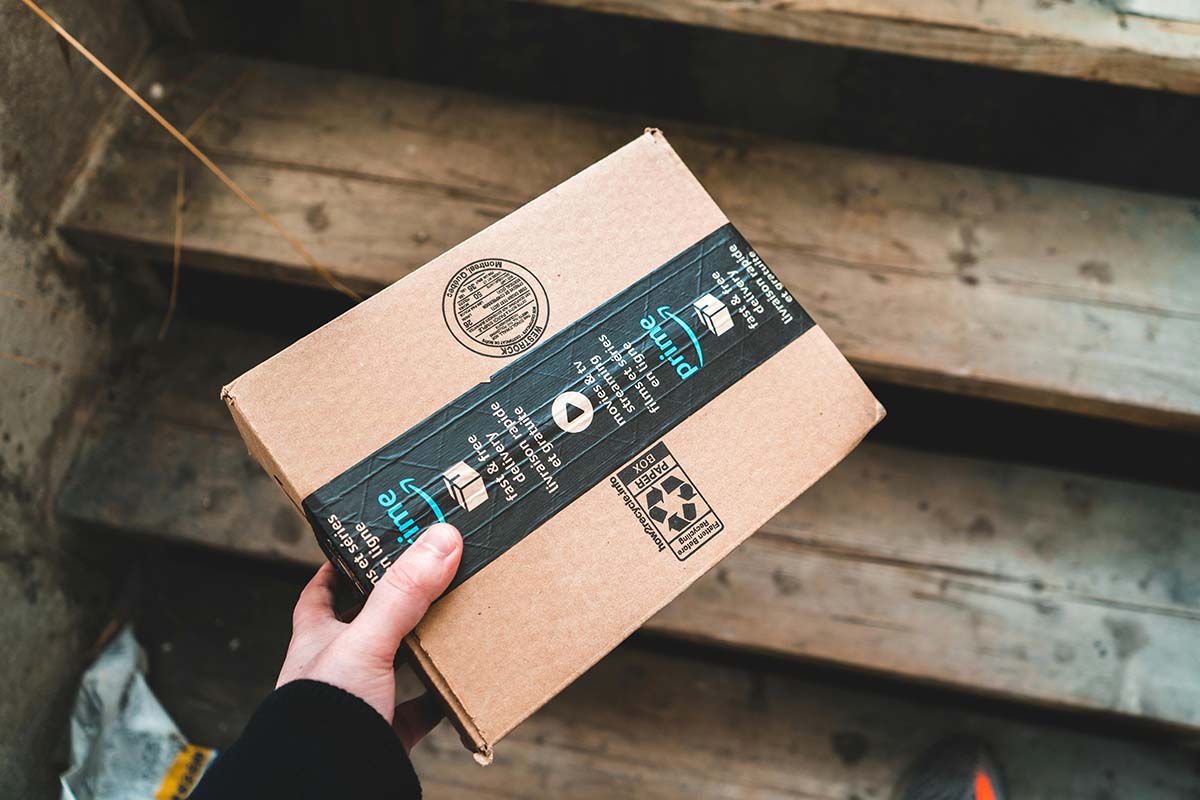
Subscription-based businesses remain one of the strongest eCommerce models in 2026 because they create recurring income, stronger customer loyalty, and more predictable cash flow.
Consumers increasingly prefer convenience, personalization, and automatic delivery services that simplify everyday life.
According to industry reports, the subscription economy continues growing rapidly across wellness, entertainment, software, food delivery, and digital services.
Major companies like Amazon Prime, Spotify, and Ipsy helped normalize subscription-based buying behavior worldwide by making recurring deliveries and personalized experiences part of everyday consumer habits.
Popular subscription niches now include:
- Product boxes and wellness kits;
- Pet supplies and supplements;
- Coffee and snack deliveries;
- AI software and digital tools;
- Fitness, education, and membership communities.
One of the biggest advantages of subscription businesses is stability. Instead of relying only on one-time purchases, businesses can build more consistent long-term revenue and customer retention.
Pet Products

The pet industry continues to grow, as many people increasingly treat pets like family members and prioritize their health, comfort, and emotional well-being.
Pet owners are often willing to spend more on:
- Organic and natural pet food;
- Supplements and wellness products;
- Anxiety and calming solutions;
- Personalized pet accessories;
- Premium toys and grooming products.
According to industry reports, the global pet care market continues reaching record spending levels as demand rises for healthier and more specialized pet products.
This creates strong opportunities for niche eCommerce brands focused on:
- Natural ingredients and wellness;
- Breed-specific products;
- Eco-friendly pet supplies;
- Subscription pet boxes;
- Anxiety and calming support products.
However, research is important before entering this niche, especially when selling supplements or wellness products. Understanding customer concerns, pet safety, regulations, and current trends can help businesses build stronger trust and long-term customer loyalty in the growing pet market.
Recommerce and Resale Products

Recommerce — the business of reselling previously owned products, continues growing as consumers look for more affordable, sustainable, and luxury-focused shopping options.
This business model allows entrepreneurs to sell second-hand or pre-owned products such as:
- Electronics and gadgets;
- Luxury fashion and jewelry;
- Books and collectibles;
- Vintage clothing and accessories;
- Furniture and lifestyle items.
Many consumers are increasingly interested in buying premium or luxury products at lower prices, especially during periods of economic uncertainty and rising living costs.
Major platforms like eBay, Poshmark, and The RealReal have helped normalize resale shopping and luxury recommerce worldwide.
One major advantage of recommerce is the lower startup cost compared to traditional retail.
Many sellers begin by sourcing inventory locally, reselling unused items, or focusing on specialized niches with strong demand.
Home Office Equipment

The home office market continues to grow, as remote work, freelancing, and hybrid jobs remain a major part of modern work culture.
Millions of professionals now spend more time working from home, which has increased demand for equipment that improves comfort, productivity, and work-life balance.
Consumers increasingly invest in:
- Ergonomic chairs and standing desks;
- Monitors and lighting equipment;
- Noise-canceling headphones;
- Webcams and microphones;
- Desk organization and productivity tools.
Many people now see their home office as a long-term workspace rather than a temporary setup, especially as companies continue supporting remote and hybrid work models.
Industry reports project steady growth in the home office market over the coming years as workers prioritize healthier and more efficient work environments.
For eCommerce sellers, this niche offers opportunities to target:
- Remote workers and freelancers;
- Content creators and gamers;
- Small business owners;
- Students and hybrid employees.
Products that combine comfort, productivity, aesthetics, and wellness tend to perform especially well in today’s growing remote work economy.
Eco-Friendly Products

Eco-friendly products continue gaining popularity in 2026 as consumers become more aware of sustainability, waste reduction, and the environmental impact of everyday purchases.
Many shoppers now actively look for brands that align with their values and offer:
- Reusable and low-waste products;
- Sustainable packaging;
- Organic and natural materials;
- Eco-conscious home and lifestyle items.
This shift has created strong opportunities for niche eCommerce businesses focused on environmentally friendly products and ethical branding.
Popular eco-friendly niches include:
- Reusable kitchen and household products;
- Sustainable fashion and accessories;
- Natural beauty and wellness products;
- Eco-friendly pet supplies;
- Zero-waste lifestyle items.
Consumers today are not only buying products, they are supporting brands that reflect their beliefs and lifestyle choices.
However, success in this niche often depends on authenticity and transparency.
Customers increasingly research whether brands genuinely follow sustainable practices or simply use “green” marketing without real environmental efforts.
For entrepreneurs, eco-friendly eCommerce can offer both business growth potential and the opportunity to build a purpose-driven brand in a rapidly growing market.
Health and Wellness Products

Health and wellness products remain one of the fastest-growing eCommerce niches in 2026 as consumers continue prioritizing energy, mental health, longevity, fitness, healthier lifestyles, and even supporting specialized local businesses such as organic wellness companies and skincare brands from Seattle.
Demand continues rising for:
- Vitamins and supplements;
- Functional foods and drinks;
- Sleep and stress-support products;
- Fitness and recovery tools;
- Natural and organic wellness products.
According to search trend data and industry reports, many wellness micro-niches continue seeing strong growth, especially products connected to:
- Gut health and digestion;
- Healthy aging and longevity;
- Mental wellness and stress management;
- Clean and natural ingredients;
- Personalized wellness routines.
While competition exists in the broader wellness industry, smaller micro-niches still create strong opportunities for new eCommerce brands that solve specific customer problems or target specialized audiences.
Consumers today are also becoming more selective.
Many people now research:
- Ingredient transparency;
- Scientific backing;
- Brand authenticity;
- Real customer reviews and trust signals.
For entrepreneurs, success in this niche often comes from combining strong branding, education-driven content, and products that align with modern lifestyle and wellness trends.
Educational Toys

Educational toys continue growing in popularity in 2026 as more parents focus on cognitive development, creativity, problem-solving, reducing excessive screen time, and finding better ways for how to keep kids entertained at home through interactive and educational activities.
Many families now actively look for products that combine:
- Learning and entertainment;
- STEM and creative thinking skills;
- Sensory and hands-on experiences;
- Early childhood development support.
Popular educational toy categories include:
- STEM and science kits;
- Montessori-inspired toys;
- Creative building and puzzle sets;
- Language and reading games;
- Sensory and motor skill toys.
Parents increasingly see educational toys as an investment in their children’s development rather than simple entertainment products.
This has created strong demand for brands that focus on learning, emotional development, and skill-building experiences.
The educational toy market is also benefiting from:
- Continued homeschooling and hybrid learning trends;
- Growing awareness of child development;
- Increased interest in screen-free activities.
For entrepreneurs, this niche offers long-term potential because parents consistently prioritize products that help children learn, grow, and build important life skills.
Online Courses

Online courses remain one of the strongest digital business opportunities in 2026 as more people look for flexible ways to learn new skills, change careers, build side income, or adapt to AI-driven job market changes.
For many creators and entrepreneurs, this is where passion meets profit in the online business world by turning personal knowledge, experience, or creative skills into scalable digital income.
If you have expertise in a specific subject, skill, or industry, you can turn that knowledge into a scalable online business by creating educational content and selling courses online.
Popular course niches include:
- Marketing and content creation;
- AI and technology skills;
- Fitness and wellness;
- Design and creative skills;
- Business, freelancing, and remote work;
- Language learning and personal development.
One of the biggest advantages of online courses is low startup cost.
Unlike physical product businesses, digital courses often require minimal inventory, shipping, or overhead expenses.
Platforms like Udemy, Teachable, and Kajabi have made it easier than ever for creators and entrepreneurs to build educational businesses from home.
In 2026, many consumers are willing to pay for practical, specialized knowledge that helps them:
- Save time;
- Improve income opportunities;
- Learn faster;
- Adapt to changing industries and technology.
For many creators, online courses can also become a source of recurring and scalable digital income over time.
Print-on-Demand Products

Print-on-demand remains one of the most beginner-friendly eCommerce business models, because it allows entrepreneurs to start selling products online with lower upfront costs and reduced inventory risk.
With print-on-demand, products are only printed and shipped after a customer places an order, which helps businesses avoid large inventory investments and unsold stock while also allowing creators to use AI tools for custom canvas prints, personalized artwork, and niche product designs.
Popular print-on-demand products include:
- T-shirts and hoodies;
- Posters and wall art;
- Mugs and accessories;
- Journals and stationery;
- Niche meme and fandom merchandise.
This business model works especially well for:
- Artists and designers;
- Content creators and influencers;
- Niche community brands;
- Side hustlers starting with limited budgets.
Platforms like Printful and Printify have made it easier to connect print-on-demand products directly with online stores and marketplaces.
One of the biggest advantages is flexibility. Sellers can quickly test:
- Different designs and trends;
- Profitable niches with low competition;
- Seasonal or viral products;
- Personalized branding ideas.
For many entrepreneurs, print-on-demand offers a lower-risk way to build an online brand and generate income without managing large amounts of inventory or shipping logistics.
Beauty and Skincare Products for Men

Men’s skincare continues growing as more consumers prioritize self-care, wellness, and healthy lifestyle habits.
Younger audiences, especially Gen Z, increasingly look for:
- Organic and natural skincare;
- Simple grooming routines;
- Beard and wellness products;
- Clean and modern branding.
Popular niches include face cleansers, moisturizers, beard care, anti-aging products, and fragrance-free skincare.
This market still offers strong opportunities for authentic brands focused on natural ingredients, modern marketing, and lifestyle-driven content tailored specifically for men.
Niche eCommerce Ideas: Conclusion

AI disruption, unstable job markets, rising ad costs, and changes in SEO and content marketing have made many digital careers feel less predictable than before.
Because of this, more entrepreneurs are moving toward niche eCommerce businesses instead of trying to build massive generic brands.
Niche eCommerce businesses can help people:
- Work remotely from anywhere;
- Build additional income streams;
- Reach highly targeted audiences;
- Create brands around specific interests and communities;
- Reduce competition by focusing on specialized markets.
Success in modern eCommerce is no longer only about selling products. It is about understanding your target audience, solving specific problems, building trust, and creating marketing that emotionally connects with customers.
The businesses that often grow the fastest today are the ones that clearly understand:
- Customer pain points;
- Buying behavior;
- Lifestyle trends;
- Community-driven branding.
Once you identify a niche that matches market demand, your interests, and profitable opportunities, taking action early can help you build a more scalable, flexible, and resilient online business for the future.